Electroconvulsive therapy modulates the interplay between depressive symptoms in difficult-to-treat depression: A longitudinal network analysis
Marialaura Lussignoli, Marco Bortolomasi, Giulia Perusi, Giorgio Pigato, Alessandra Minelli, Fabio Sambataro

TL;DR
This study explores how electroconvulsive therapy (ECT) changes the connections between depressive symptoms in difficult-to-treat depression.
Contribution
The novel contribution is the use of network analysis to show how ECT modulates relationships between depressive symptoms over time.
Findings
ECT increased the strength of the global network of depressive symptoms.
A stronger negative relationship between insomnia and pessimistic thoughts predicted better ECT response.
Concentration difficulties and apparent sadness were the most central symptoms in the network.
Abstract
Difficult-to-treat depression (DTD) is a common clinical challenge for major depressive disorder and bipolar disorders. Electro convulsive therapy (ECT) has proven to be one of the most effective treatments for this condition. Although several studies have investigated individually the clinical factors associated with the DTD response, the role of their interplay in the clinical response to ECT remains unknown. In the present study, we aimed to characterize the network of symptoms in DTD, evaluate the effects of ECT on the interrelationship of depressive symptoms, and identify the network characteristics that could predict the clinical response. A network analysis of clinical and demographic data from 154 patients with DTD was performed to compare longitudinally the patterns of relationships among depressive symptoms after ECT treatment. Furthermore, we estimated the network structure…
Genes, proteins, chemicals, diseases, species, mutations and cell lines named across the full text — each resolved to its canonical identifier and authoritative record.
Click any figure to enlarge with its caption.
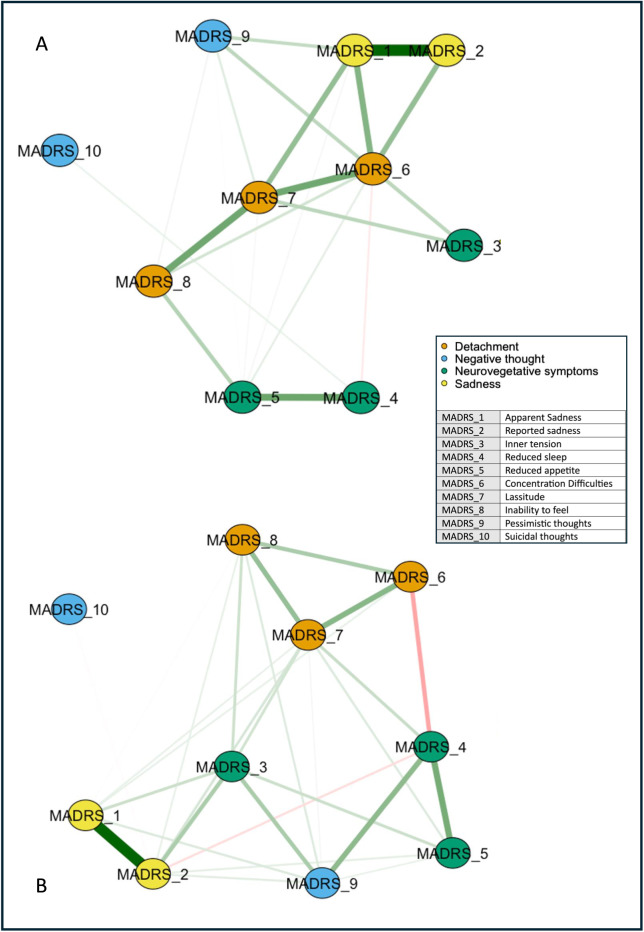 Figure 1
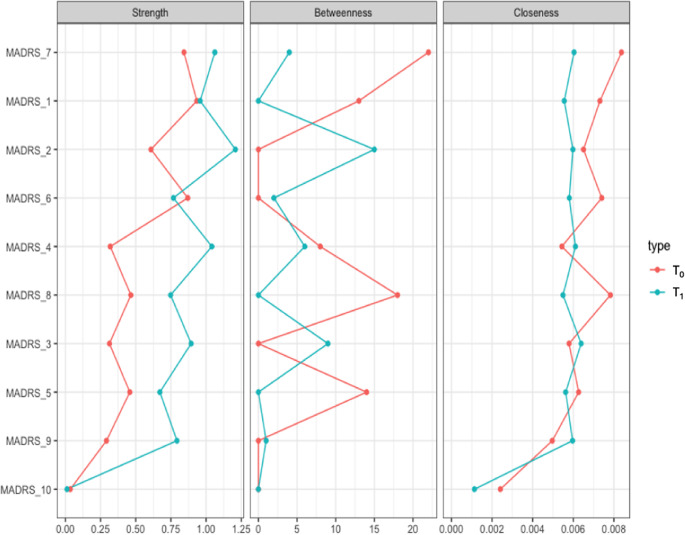 Figure 2
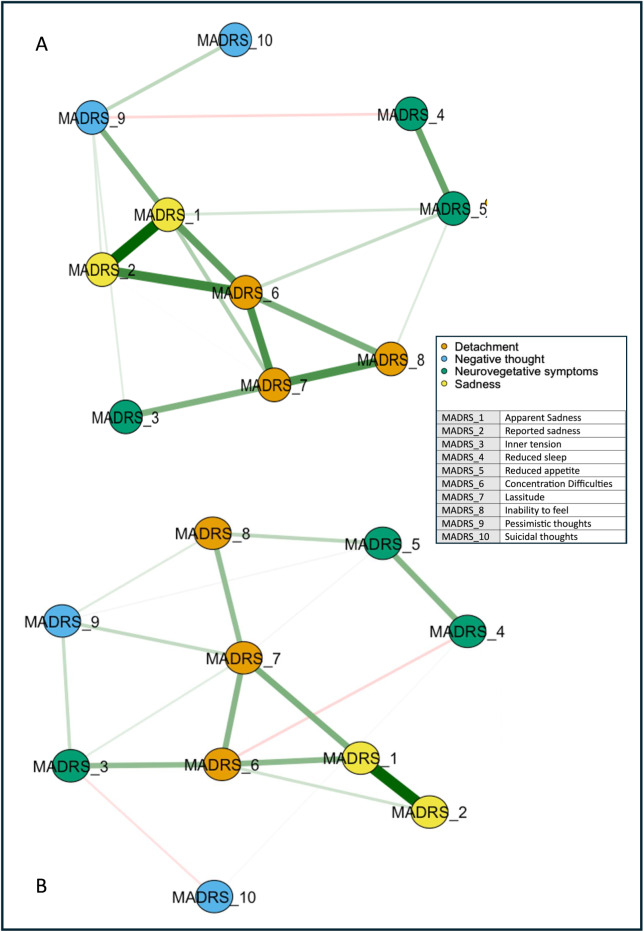 Figure 3
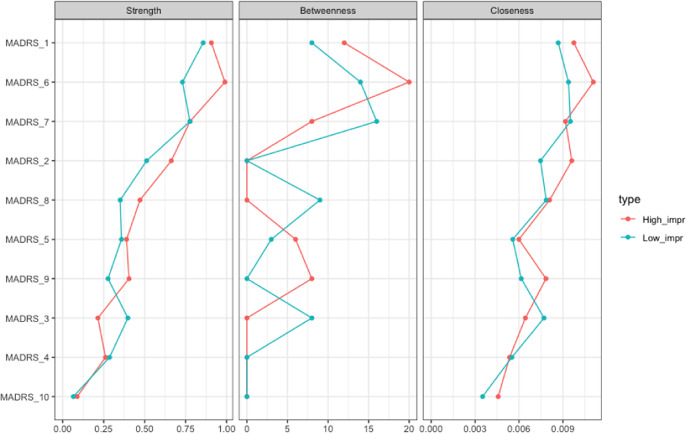 Figure 4
 Figure 5
 Figure 6
 Figure 7
Peer Reviews
No public reviews on file for this paper yet. If you reviewed it on a platform where reviews are public (OpenReview, ICLR, NeurIPS, ICML), you can paste yours below so the community can read it here.
Videos
No videos yet. Explain this paper in a talk, walkthrough, or lecture? Add one.
Taxonomy
TopicsElectroconvulsive Therapy Studies · Mental Health Research Topics