A transcriptomic, proteomic, and functional genetic atlas dissects neurofibromin function in the peripheral nervous system
Harish N. Vasudevan, Nadia Arang, Maria Sacconi Nunez, Patrick Kennedy, Emily Payne, Sarah Mohabeer, Julian Chien, Aaron Wright, Matthew J. Sale, Nevan J. Krogan, Antoine Forget, Frank McCormick

TL;DR
This study explores how losing the NF1 gene affects peripheral nervous system tumors and suggests that directly inhibiting KRAS could be a new treatment approach.
Contribution
The study provides a comprehensive functional and molecular analysis of NF1 loss in peripheral nerve cells and identifies KRAS inhibition as a novel therapeutic strategy.
Findings
NF1 loss increases Ras GTP levels and promotes cell proliferation and dedifferentiation.
KRAS inhibition, but not HRAS or NRAS inhibition, effectively blocks ERK and CDK1/2 activation in NF1 mutant cells.
PTPN11 repression decreases proliferation and increases sensitivity to MEK inhibitors in iPN cells.
Abstract
Personalized medicine based on pharmacologically targeting specific mutations have revolutionized cancer. In contrast to gain of function oncogenes that can be directly inhibited, such approaches are challenging for loss of function tumor suppressors. One such example is the NF1 tumor suppressor gene encoding neurofibromin, which negatively regulates Ras small GTPases and thus leads to RAF/MEK/ERK activation. Although MEK inhibitors are approved for some NF1 mutant tumors, better therapies are needed for people who do not respond to or cannot tolerate MEK inhibitors. To identify additional therapeutic strategies for NF1 mutant tumors, we systematically analyze upstream inputs and downstream outputs to Ras following NF1 loss. Our data suggest direct KRAS inhibition may be a promising approach for neurofibromatosis type 1. The NF1 tumor suppressor gene is recurrently mutated in human…
Genes, proteins, chemicals, diseases, species, mutations and cell lines named across the full text — each resolved to its canonical identifier and authoritative record.
Click any figure to enlarge with its caption.
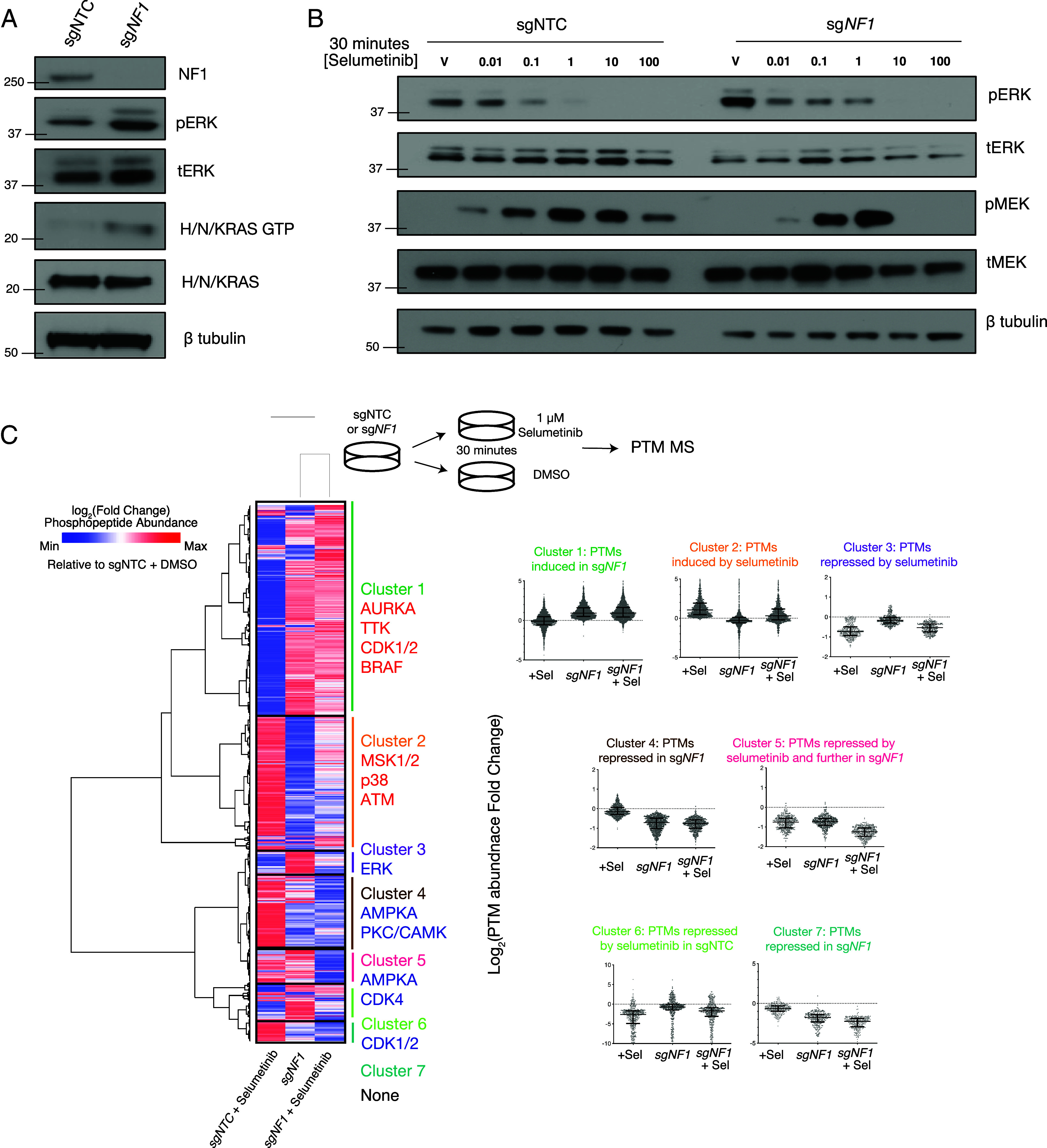 Figure 1
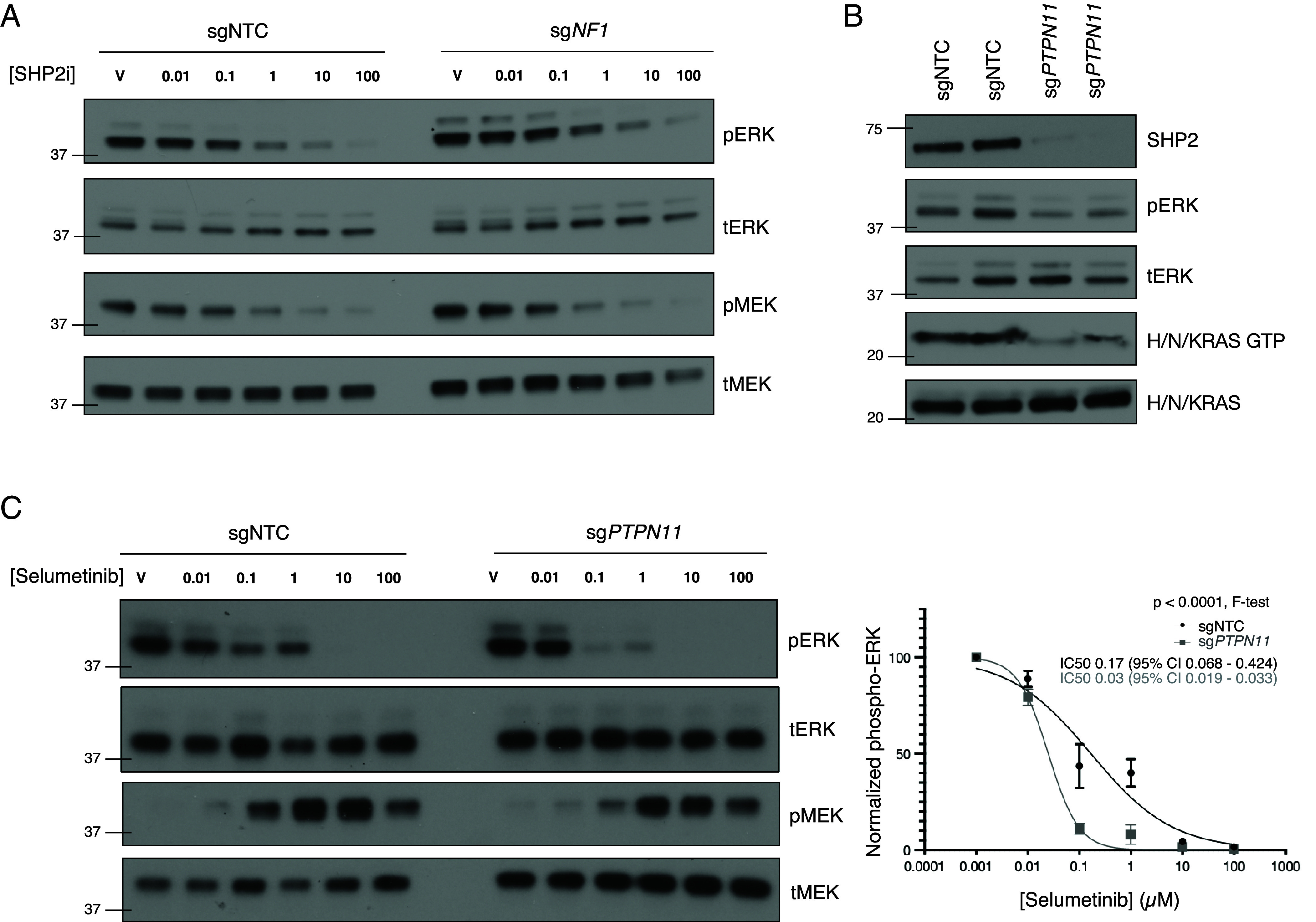 Figure 2
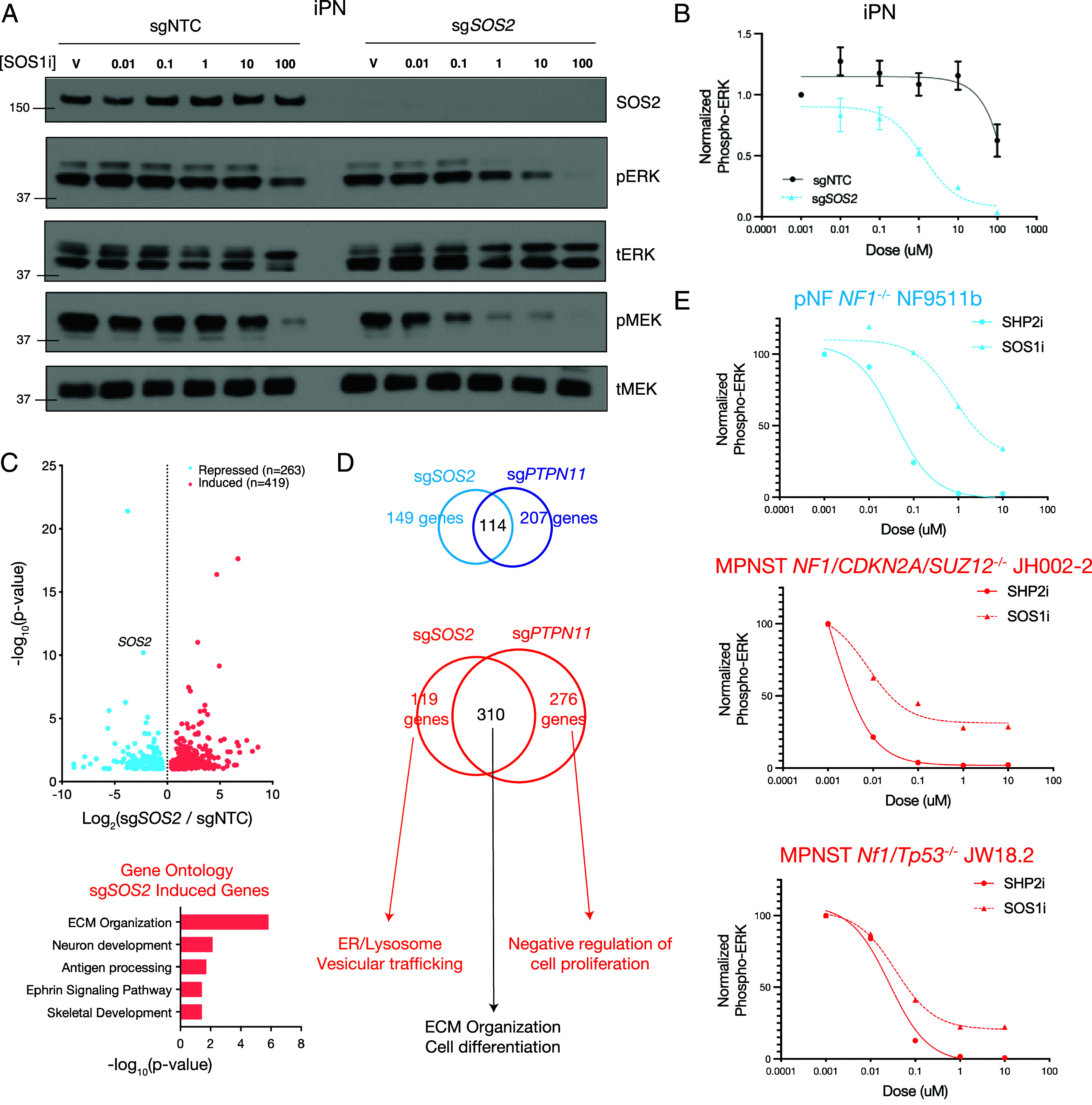 Figure 3
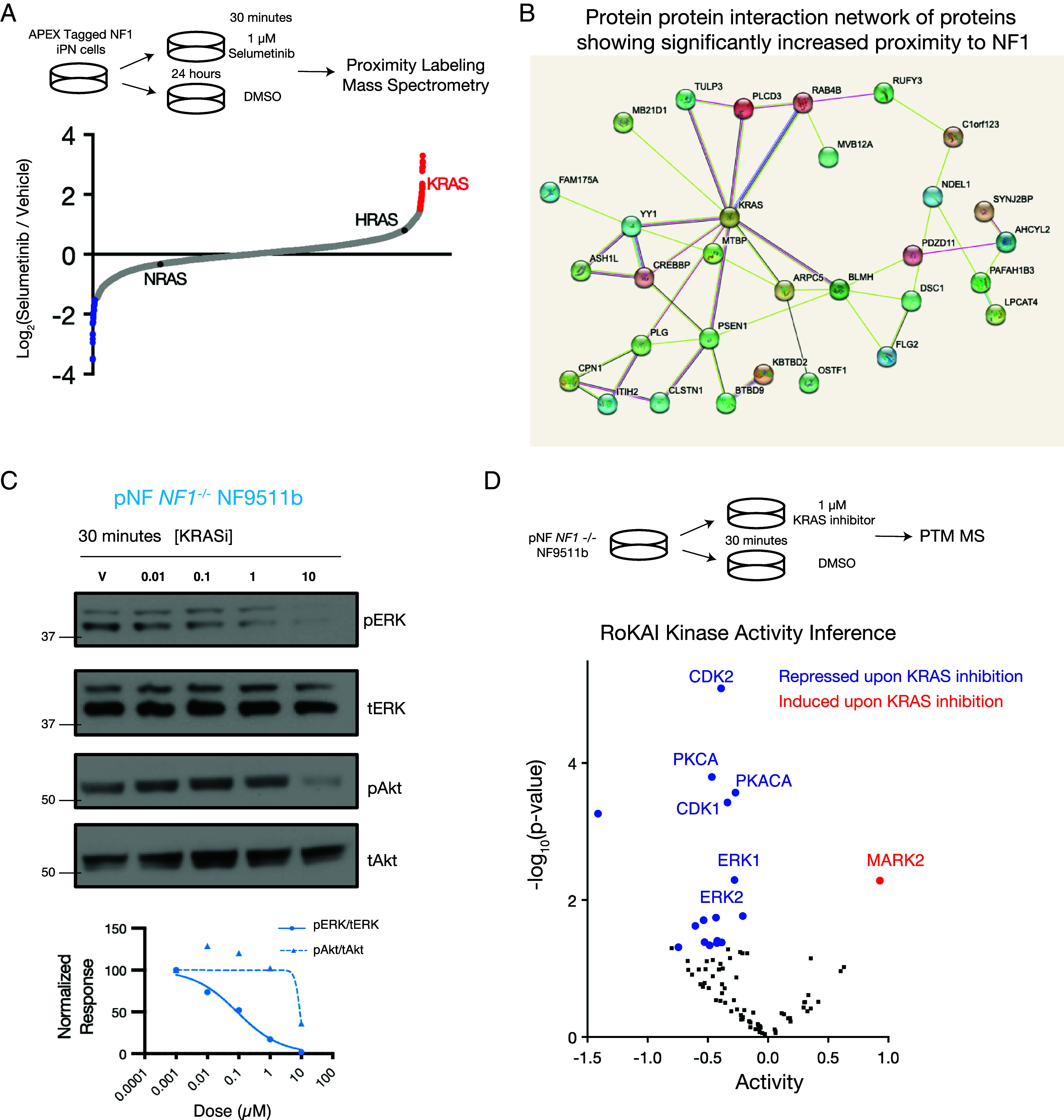 Figure 4
Peer Reviews
No public reviews on file for this paper yet. If you reviewed it on a platform where reviews are public (OpenReview, ICLR, NeurIPS, ICML), you can paste yours below so the community can read it here.
Videos
No videos yet. Explain this paper in a talk, walkthrough, or lecture? Add one.
Taxonomy
TopicsNeurofibromatosis and Schwannoma Cases · Protein Tyrosine Phosphatases · Neuroblastoma Research and Treatments