Multivariate Adjustments for Average Equivalence Testing
Younes Boulaguiem, Luca Insolia, Maria‐Pia Victoria‐Feser, Dominique‐Laurent Couturier, Stéphane Guerrier

TL;DR
This paper introduces a more powerful method for multivariate equivalence testing, addressing limitations of existing approaches when comparing multiple outcomes.
Contribution
A finite-sample adjustment called multivariate α-TOST is proposed, improving power over conventional methods.
Findings
The multivariate α-TOST is uniformly more powerful than the conventional multivariate TOST.
The method accounts for arbitrary dependence between outcomes and adjusts the significance level accordingly.
Simulation studies and a case study confirm the improved performance of the proposed method.
Abstract
Multivariate (average) equivalence testing is widely used to assess whether the means of two conditions of interest are “equivalent” for different outcomes simultaneously. In pharmacological research for example, many regulatory agencies require the generic product and its brand‐name counterpart to have equivalent means both for the AUC and C max pharmacokinetics parameters. The multivariate Two One‐Sided Tests (TOST) procedure is typically used in this context by checking if, outcome by outcome, the marginal 100(1−2α)% confidence intervals for the difference in means between the two conditions of interest lie within predefined lower and upper equivalence limits. This procedure, already known to be conservative in the univariate case, leads to a rapid power loss when the number of outcomes increases, especially when one or more outcome variances are relatively large. In this work, we…
Genes, proteins, chemicals, diseases, species, mutations and cell lines named across the full text — each resolved to its canonical identifier and authoritative record.
Click any figure to enlarge with its caption.
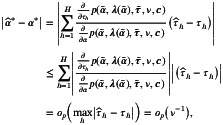 Figure 1
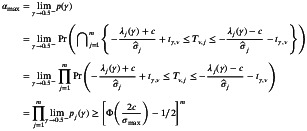 Figure 2
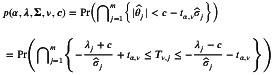 Figure 3
 Figure 4
 Figure 5
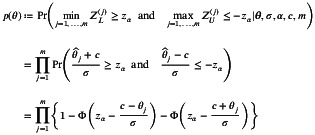 Figure 6
 Figure 7
 Figure 8
 Figure 9
 Figure 10
 Figure 11
 Figure 12
 Figure 13
 Figure 14
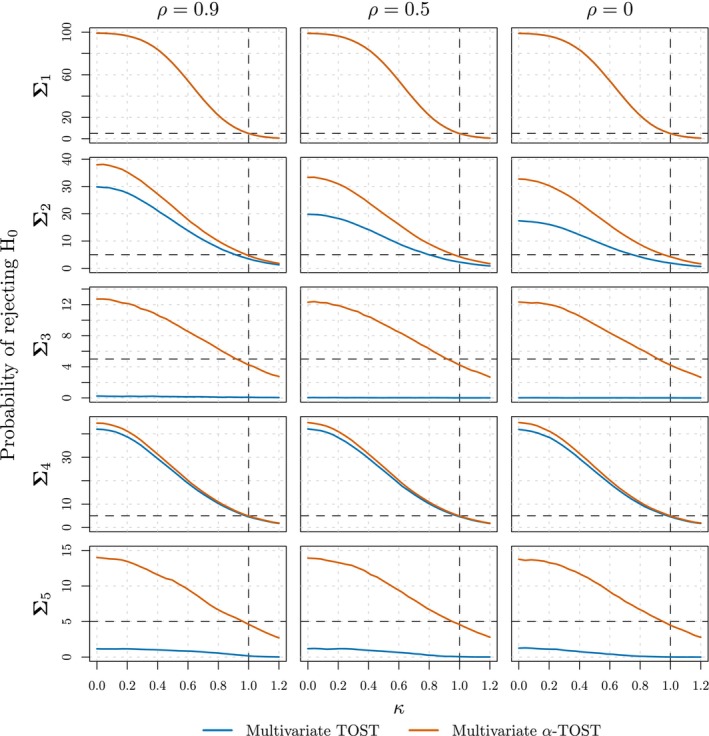 Figure 15
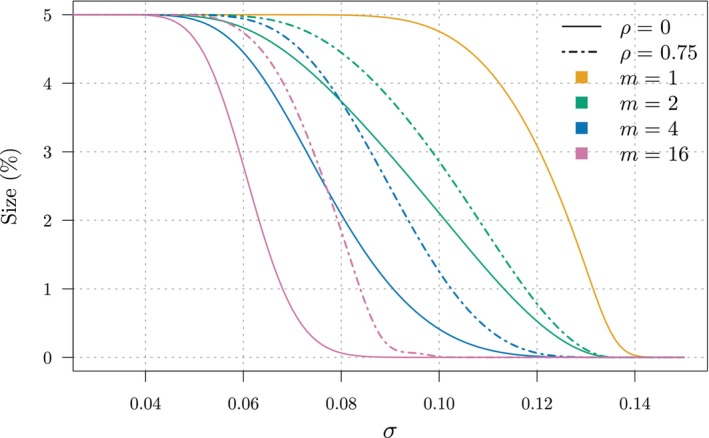 Figure 16
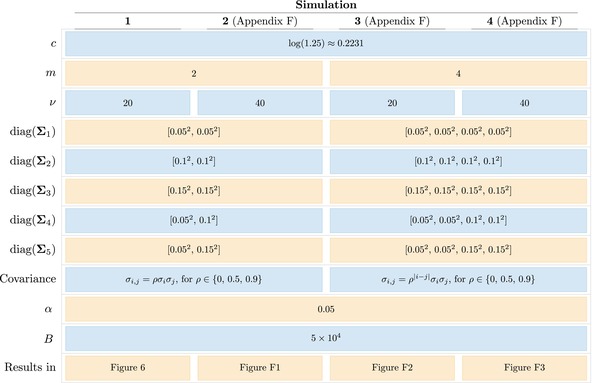 Figure 17
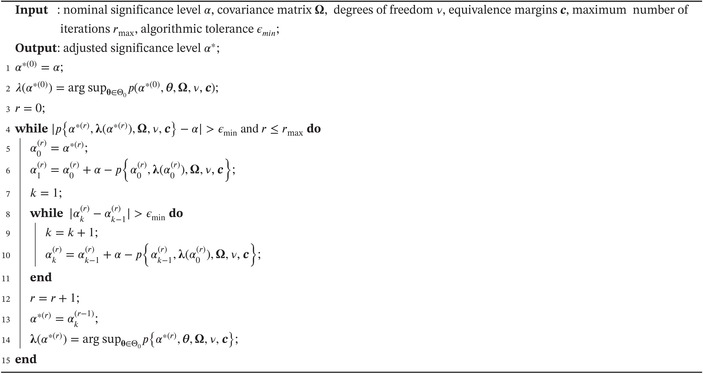 Figure 18
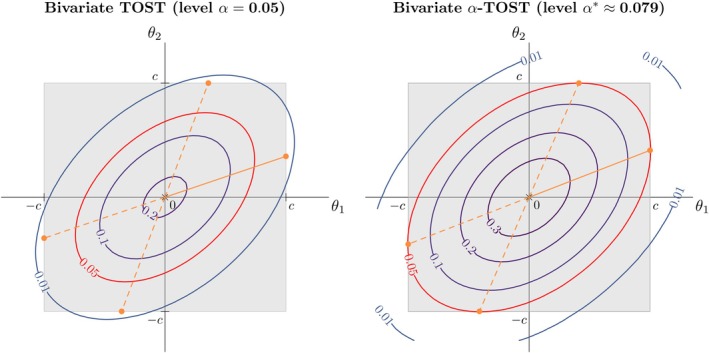 Figure 19
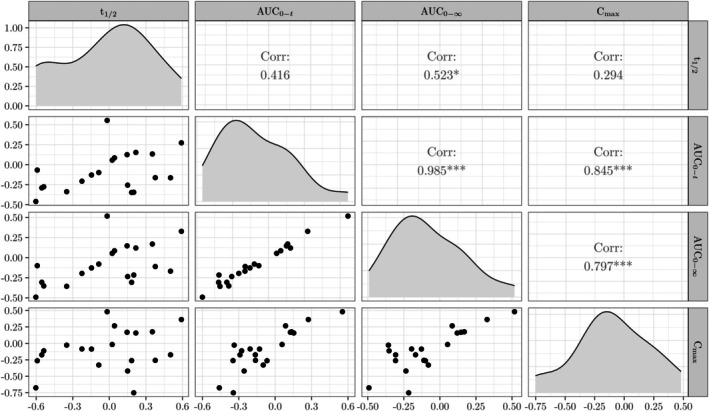 Figure 20
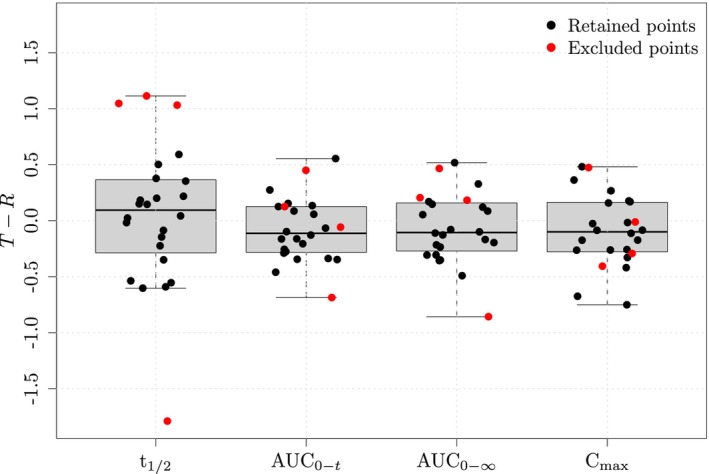 Figure 21
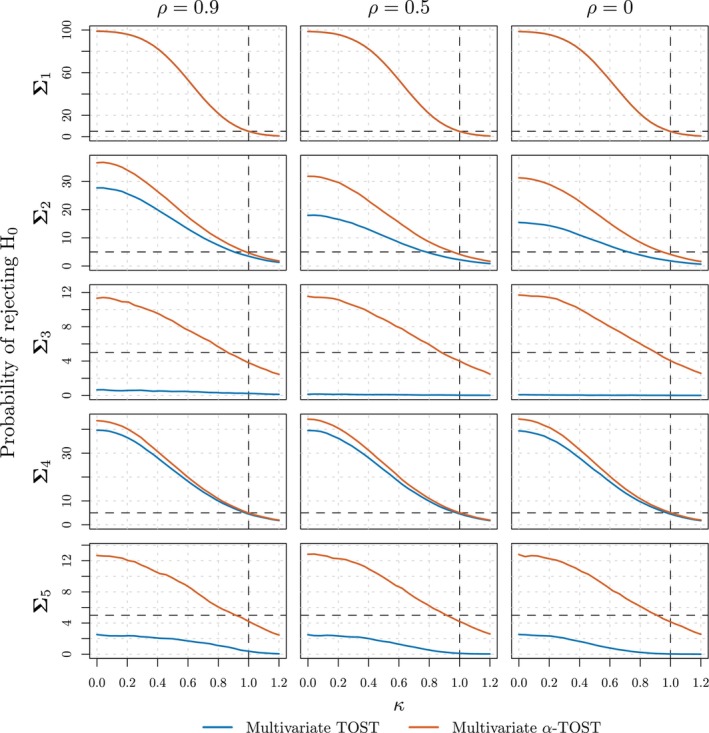 Figure 22
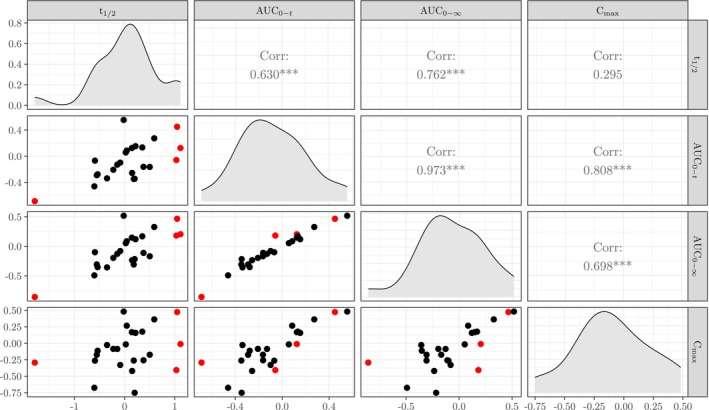 Figure 23
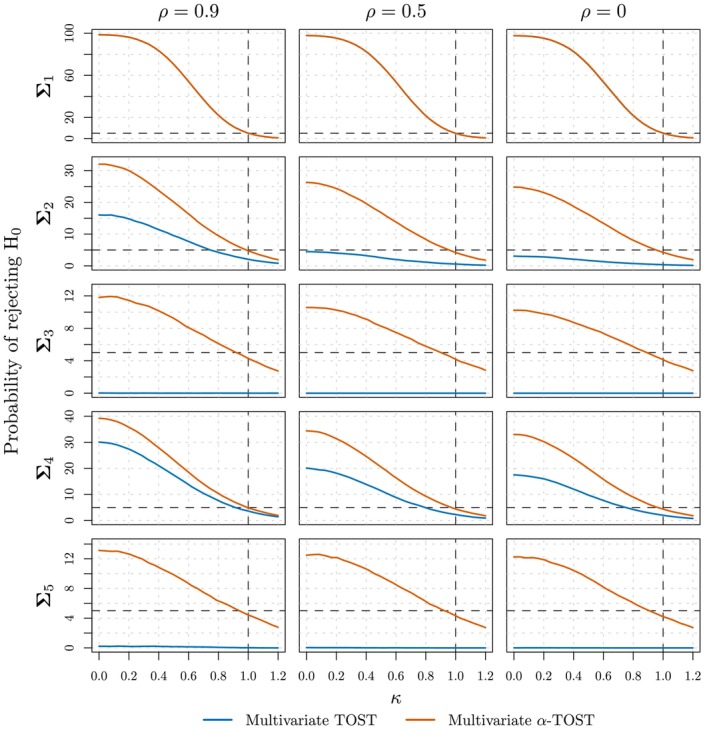 Figure 24
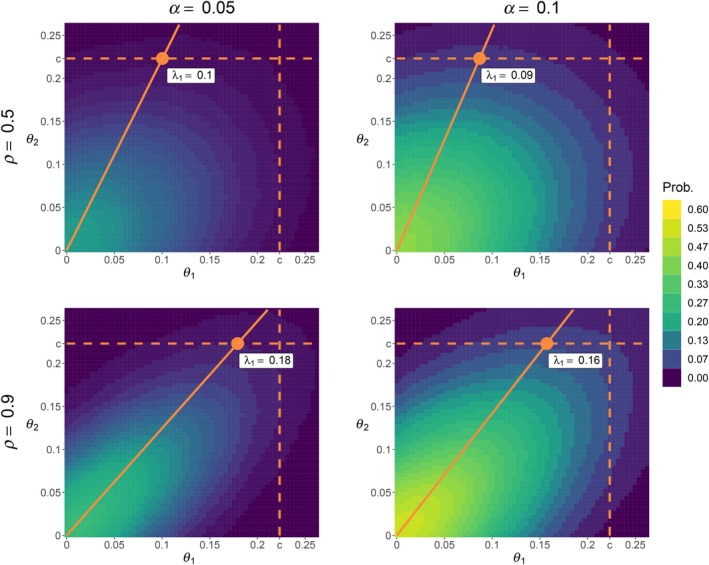 Figure 25
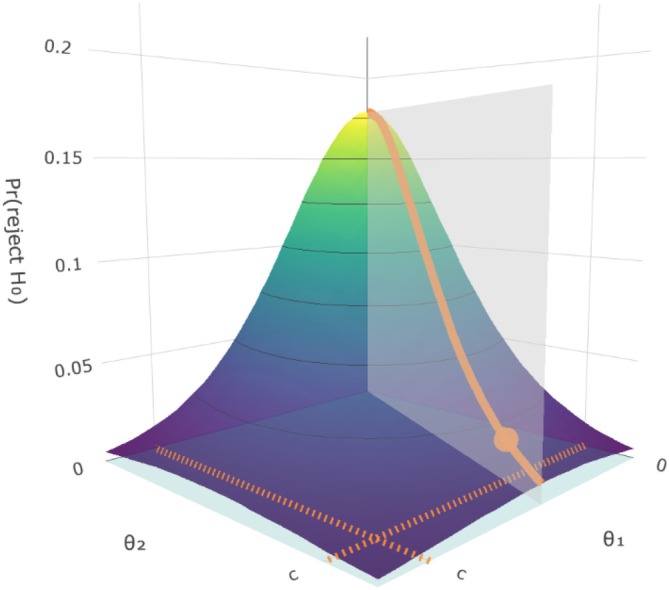 Figure 26
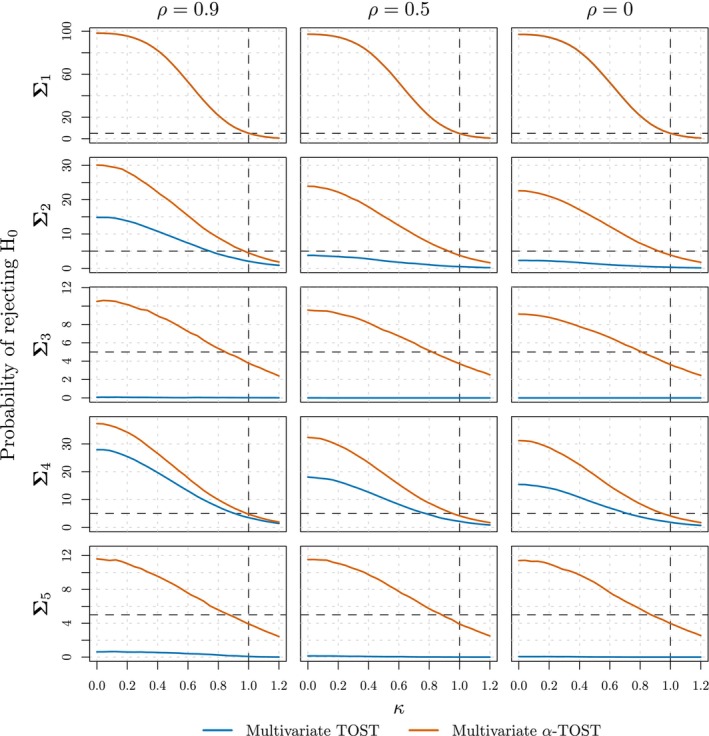 Figure 27
Peer Reviews
No public reviews on file for this paper yet. If you reviewed it on a platform where reviews are public (OpenReview, ICLR, NeurIPS, ICML), you can paste yours below so the community can read it here.
Videos
No videos yet. Explain this paper in a talk, walkthrough, or lecture? Add one.
Taxonomy
TopicsStatistical Methods in Clinical Trials · Optimal Experimental Design Methods · Computational Drug Discovery Methods