Strong correlation of gene counts and differentially expressed genes between a 3′ RNA-Seq and an RNA hybridization platform in transcriptome analyses from canine archival tissues
Alexander F. H. Haake, Alina K. Loriani Fard, Vladimir M. Jovanovic, Sandro Andreotti, Achim D. Gruber

TL;DR
This study compares two RNA analysis methods for archival canine tissues and finds strong agreement in gene counts but moderate overlap in differentially expressed genes.
Contribution
The study provides a direct comparison of 3′ RNA-Seq and RNA hybridization for FFPE tissues, highlighting their strengths and limitations.
Findings
3′ RNA-Seq and RNA hybridization showed strong overall gene count correlations (Pearson/Spearman 0.66–0.87).
Expression directions correlated very strongly (0.88–0.91), but DEG overlap was moderate (Jaccard index 0.53).
Both methods are suitable for FFPE tissues, with gene-wise correlations influenced by expression strength.
Abstract
Analyses of nucleic acids from archival tissues offer invaluable prospects for numerous fields of veterinary medicine, such as the study of differential gene expression in rare or historic diseases. The establishment of modern methodologies, however, raises questions regarding the comparability and reproducibility of data obtained from unlike tools. 3′ RNA-Seq and direct RNA hybridization are such conceptually different approaches for high-throughput transcriptome analysis. Since both are applicable to short, partially degraded mRNA fragments, they in principle allow investigations of formalin-fixed, paraffin-embedded (FFPE) tissues that are abundantly available in pathology archives. Here, we compared the two methods in several relevant details using the RNA from the same set of 35 FFPE canine tumors as input, including sample- and gene-wise count levels, gene expression strengths and…
Genes, proteins, chemicals, diseases, species, mutations and cell lines named across the full text — each resolved to its canonical identifier and authoritative record.
Click any figure to enlarge with its caption.
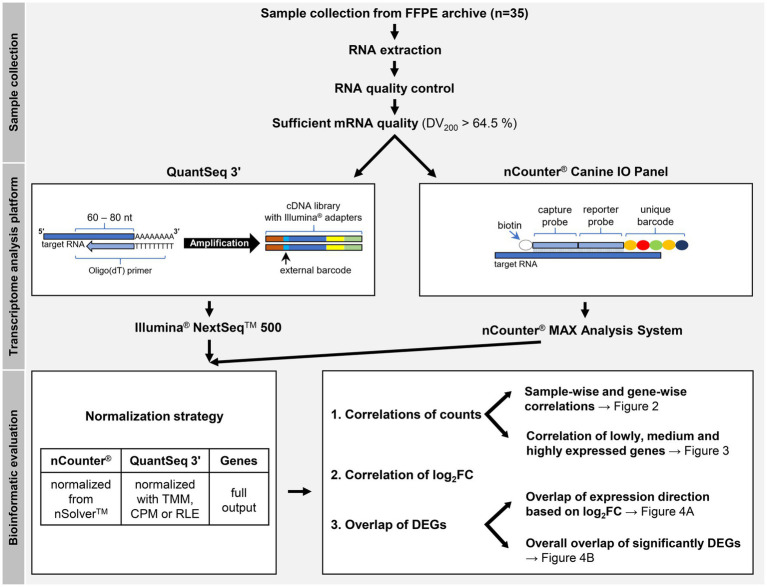 Figure 1
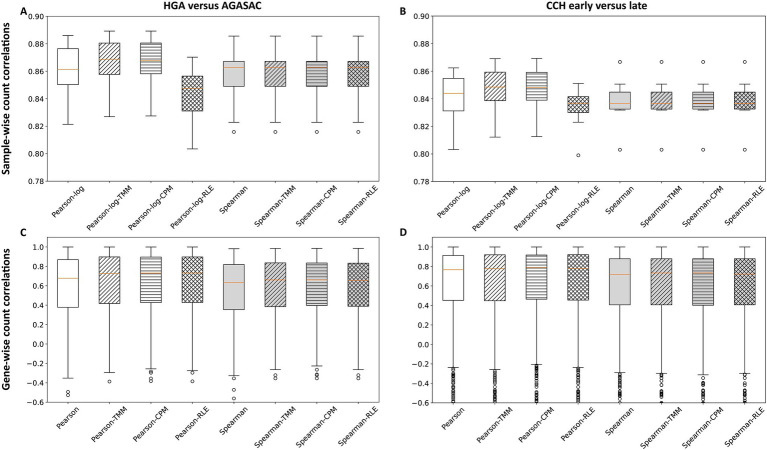 Figure 2
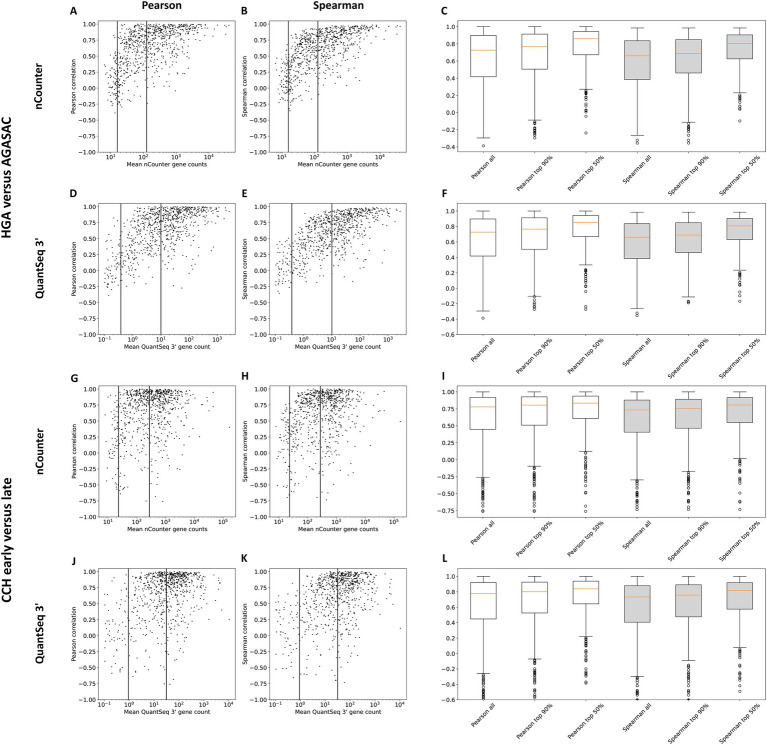 Figure 3
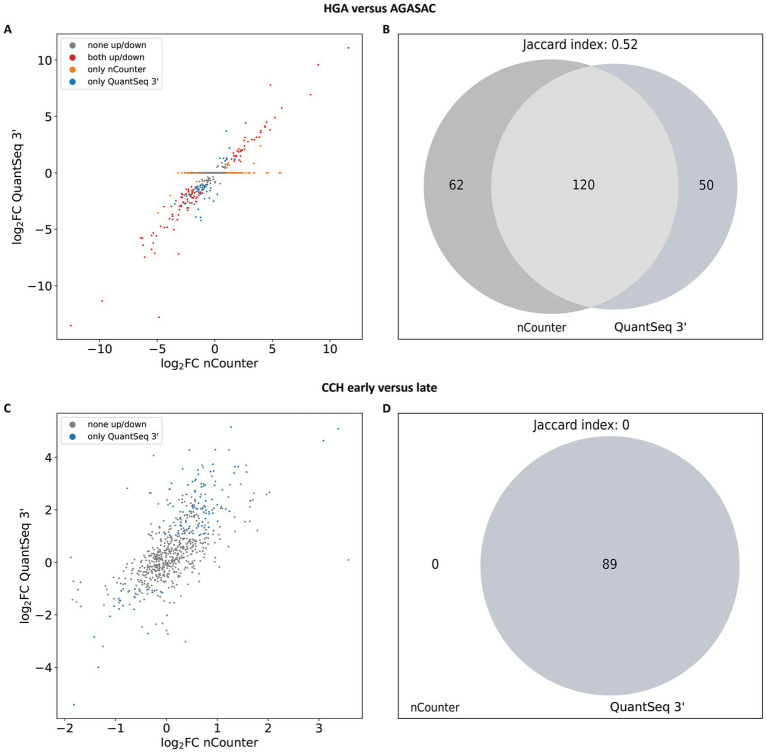 Figure 4
Peer Reviews
No public reviews on file for this paper yet. If you reviewed it on a platform where reviews are public (OpenReview, ICLR, NeurIPS, ICML), you can paste yours below so the community can read it here.
Videos
No videos yet. Explain this paper in a talk, walkthrough, or lecture? Add one.
Taxonomy
TopicsMolecular Biology Techniques and Applications · Cancer-related molecular mechanisms research · RNA Research and Splicing