Efficacy of meglumine antimoniate treatment on boxer Leishmania infantum skin lesions: case report
Cristina Carresi, Clara Francesca Ferrucci, Cyndi Mangano, Anna Rita Coppoletta, Antonio Cardamone, Vincenzo Musolino, Micaela Gliozzi, Vincenzo Mollace, Domenico Britti

TL;DR
A Boxer dog with Leishmania skin lesions showed complete healing after being treated with meglumine antimoniate injections.
Contribution
Demonstrates the efficacy of localized meglumine antimoniate treatment for canine cutaneous leishmaniasis.
Findings
Subcutaneous Glucantime® injections led to complete healing of Leishmania skin lesions in a dog.
Standard treatments like miltefosine and allopurinol failed to resolve the lesions in this case.
Localized treatment with meglumine antimoniate proved crucial for managing the canine leishmaniasis.
Abstract
This clinical report describes the beneficial effects of local subcutaneous injections of meglumine antimoniate (Glucantime®) on Leishmania cutaneous lesions in a dog from Calabria, a region of Southern Italy. Leishmaniasis is an endemic zoonotic disease in the European Union, particularly in Mediterranean countries, as well as in parts of north and east Africa, India, China, and Central and South America, caused by protozoa of the genus Leishmania spp., which infect several reservoirs, including humans and domestic animals. In southern Europe, the main etiological agent is Leishmania infantum, transmitted by sandflies of the subfamily Phlebotominae, which is the most common cause of cutaneous leishmaniasis (CL) in these regions, where dogs are considered the primary domestic reservoir of the parasite. A 7-year-old male non-sterilized Boxer named Ettore underwent pre-vaccination blood…
Genes, proteins, chemicals, diseases, species, mutations and cell lines named across the full text — each resolved to its canonical identifier and authoritative record.
Click any figure to enlarge with its caption.
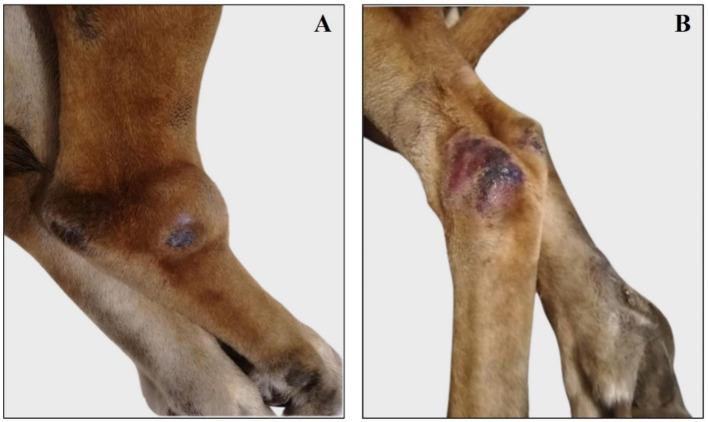 Figure 1
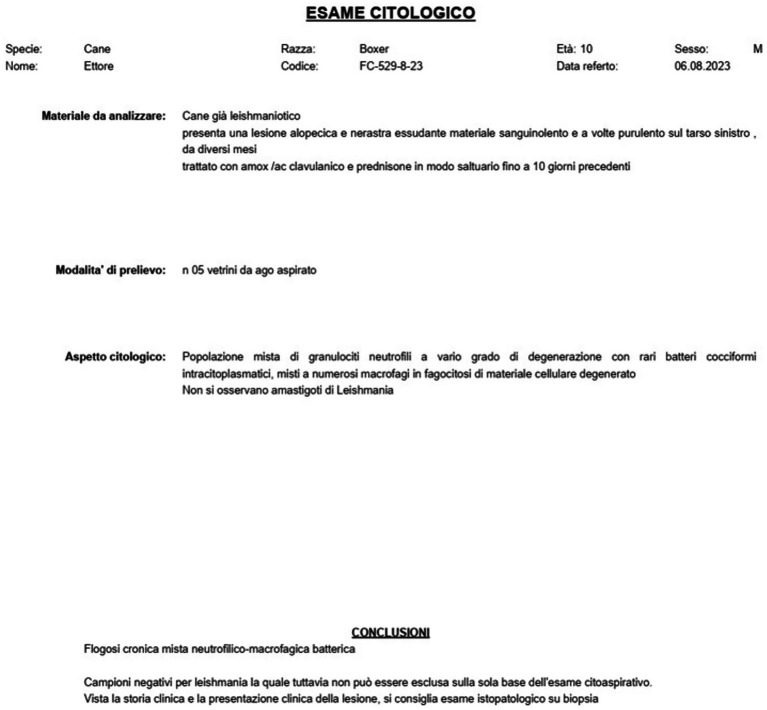 Figure 2
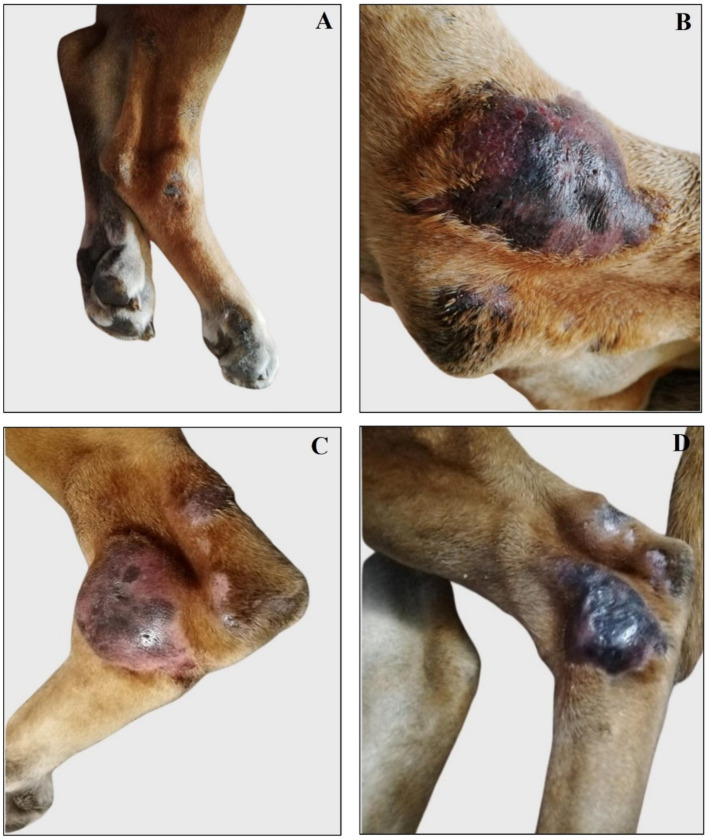 Figure 3
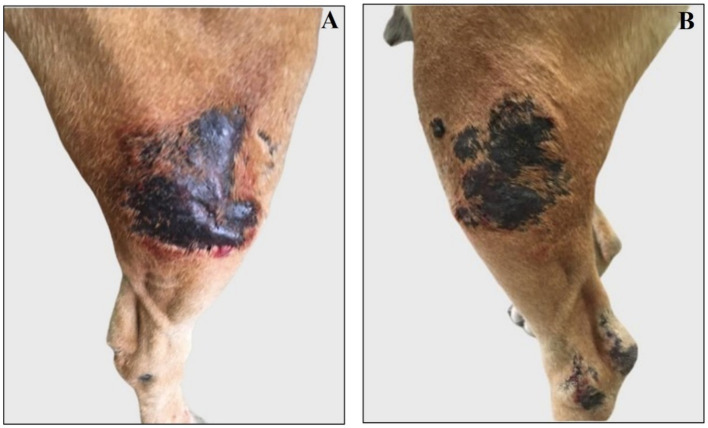 Figure 4
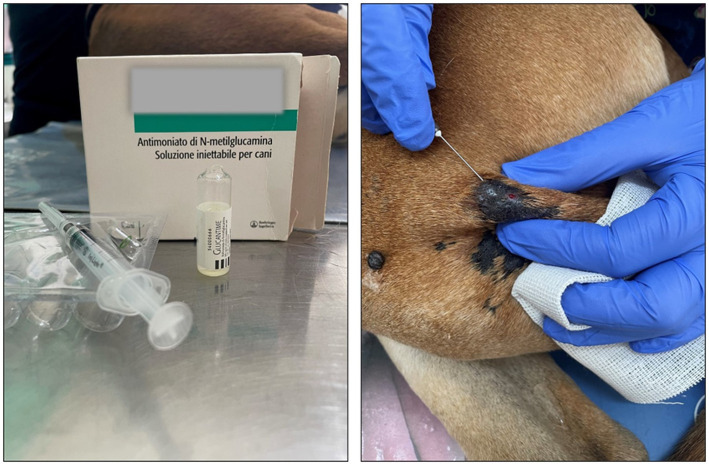 Figure 5
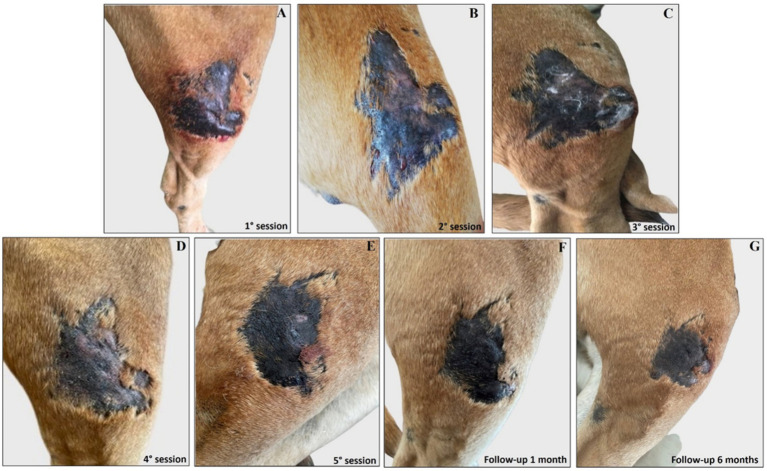 Figure 6
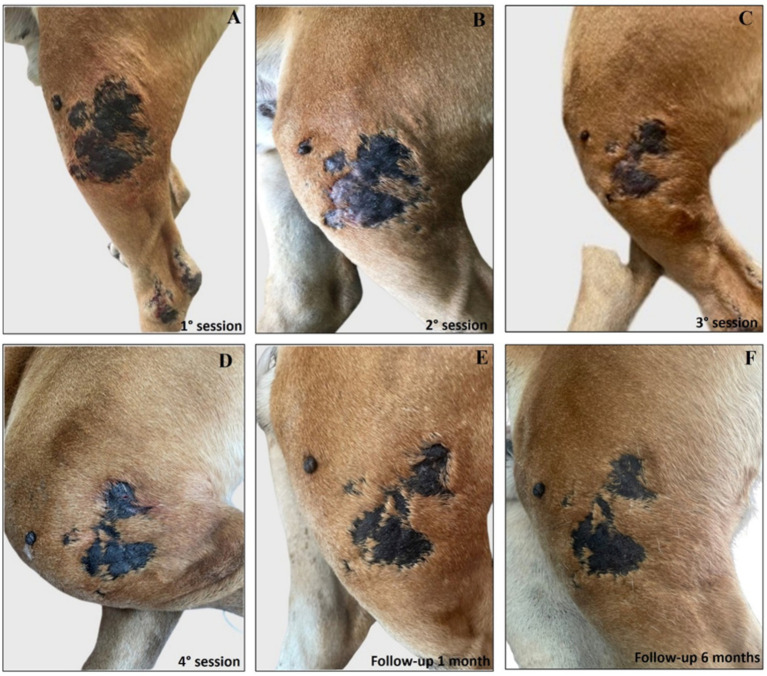 Figure 7
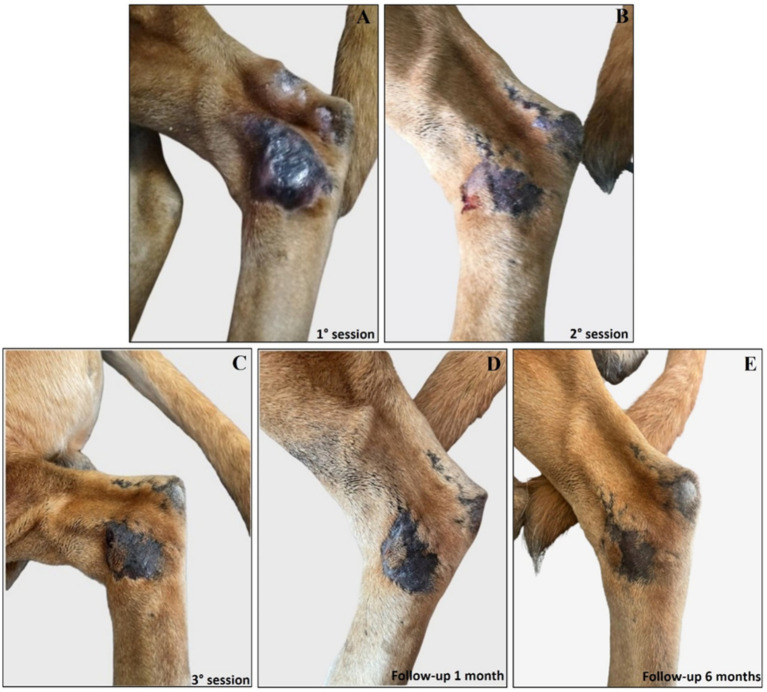 Figure 8
Peer Reviews
No public reviews on file for this paper yet. If you reviewed it on a platform where reviews are public (OpenReview, ICLR, NeurIPS, ICML), you can paste yours below so the community can read it here.
Videos
No videos yet. Explain this paper in a talk, walkthrough, or lecture? Add one.
Taxonomy
TopicsResearch on Leishmaniasis Studies · Trypanosoma species research and implications