Rationale and design of the GLADE study: a randomized, multicenter, double-blind, placebo-controlled trial evaluating the safety and efficacy of gestrinone subdermal bioabsorbable pellet in endometriosis-related pelvic pain
André Malavasi, Camilla Moreira Ribeiro, Leandro Barile Agati, Agnaldo Silva Filho, Charles Berger, Eduardo Schor, Ana Comin, Eduardo José Bezerra Neto, Taís Helena de Oliveira, Polyana Raposo Caldas, Francisco Lopes, Nathalia Westphalen, Francisleny Vieira

TL;DR
This study tests a new treatment for endometriosis-related pelvic pain using gestrinone pellets to see if it's safe and effective.
Contribution
The first multicenter randomized trial to evaluate subdermal gestrinone pellets for endometriosis-related pelvic pain.
Findings
The trial will assess safety through serious adverse events over six months.
Pharmacokinetics and quality of life outcomes will be evaluated alongside pain intensity.
Remote data collection via an app will track bleeding patterns and medication use.
Abstract
Pelvic pain secondary to endometriosis is a disabling condition. There are multiple treatments available, with variable endpoints. No prospective controlled studies were carried out evaluating subdermal pellets of gestrinone in this population. One hundred participants with documented deep infiltrative endometriosis who underwent surgery without satisfactory response will be randomly assigned (1:1) to either gestrinone 85 mg subdermal bioabsorbable pellets or placebo. Both arms will receive levonorgestrel-releasing intrauterine system (LNG-IUS 12). The treatment duration will be 6 months, with baseline, 3 months and 6 months clinical visits. The primary endpoint is a combination of serious adverse events (SAEs) accumulated within 6 months of insertion of the gestrinone or placebo pellet and collected through spontaneous reports and clinical findings. They include death, threat or risk…
Genes, proteins, chemicals, diseases, species, mutations and cell lines named across the full text — each resolved to its canonical identifier and authoritative record.
Click any figure to enlarge with its caption.
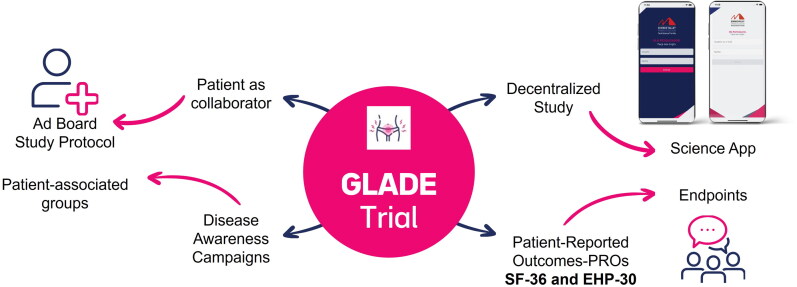 Figure 1
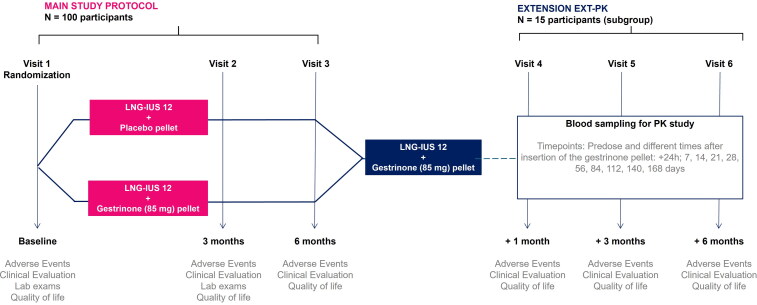 Figure 2
Peer Reviews
No public reviews on file for this paper yet. If you reviewed it on a platform where reviews are public (OpenReview, ICLR, NeurIPS, ICML), you can paste yours below so the community can read it here.
Videos
No videos yet. Explain this paper in a talk, walkthrough, or lecture? Add one.
Taxonomy
TopicsEndometriosis Research and Treatment · Uterine Myomas and Treatments · Intestinal and Peritoneal Adhesions