Perioperative hemodynamic parameters monitored by three noninvasive technologies in children with congenital heart disease: A prospective study
Xiaoyu Xiong, Feng Xu, Wei Qiu, Shaojun Li, Chengjun Liu

TL;DR
This study compares three noninvasive methods for monitoring heart function in children with heart defects during surgery, finding that some parameters are better at predicting complications.
Contribution
The study identifies specific noninvasive hemodynamic parameters that accurately predict adverse events in children with congenital heart disease.
Findings
VISmea, uCImea, and eCImea showed the highest accuracy in predicting adverse events.
LVEF in TTE could not predict adverse events and did not fully reflect cardiovascular function.
Parameters from EC and VIS correlated with longer ICU stays and mechanical ventilation duration.
Abstract
This study aims to compare the efficiencies of three noninvasive technologies in monitoring the perioperative hemodynamics of children with congenital heart disease (CHD) including ventricular septal defects with or without atrial septal defects. Three noninvasive technologies included transthoracic echocardiography (TTE), electrical cardiometry (EC), and vasoactive inotropic score (VIS). Parameters included left ventricular ejection fraction (LVEF) and cardiac index (cardiac index monitored by ultrasound, uCI) in TTE, cardiac index (cardiac index monitored by electrical cardiometry, eCI) and systemic vascular resistance index (SVRI) in EC, and VIS. Seventy‐four children were eligible. Three types of adverse events (AEs) related to disease activity and prognosis were observed, including cardio‐pulmonary resuscitation in five cases (5/74, 6.76%), hypoxic‐ischemic brain damage in four…
Genes, proteins, chemicals, diseases, species, mutations and cell lines named across the full text — each resolved to its canonical identifier and authoritative record.
Click any figure to enlarge with its caption.
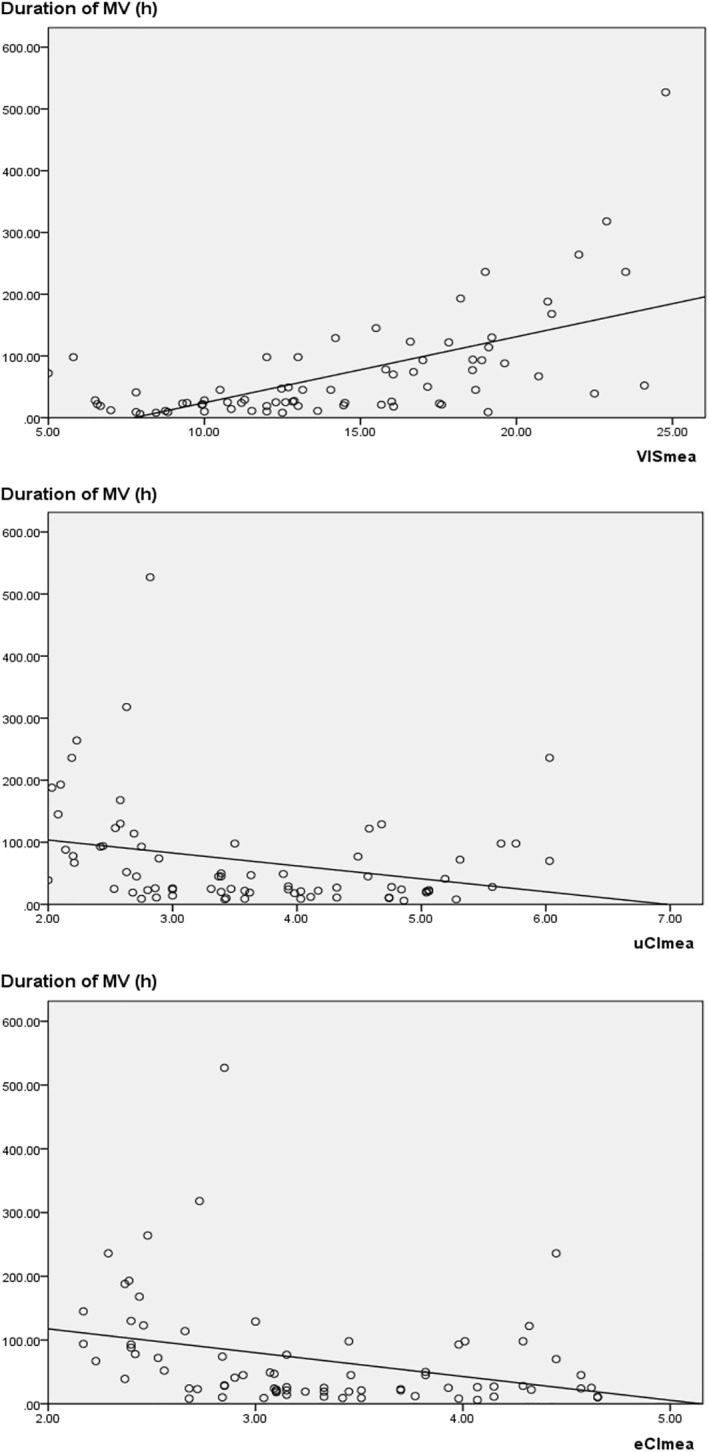 Figure 1
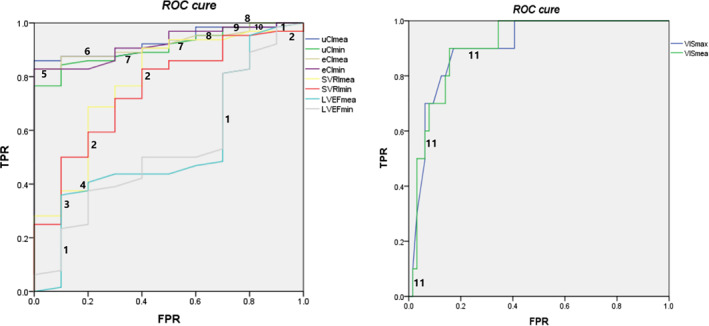 Figure 2
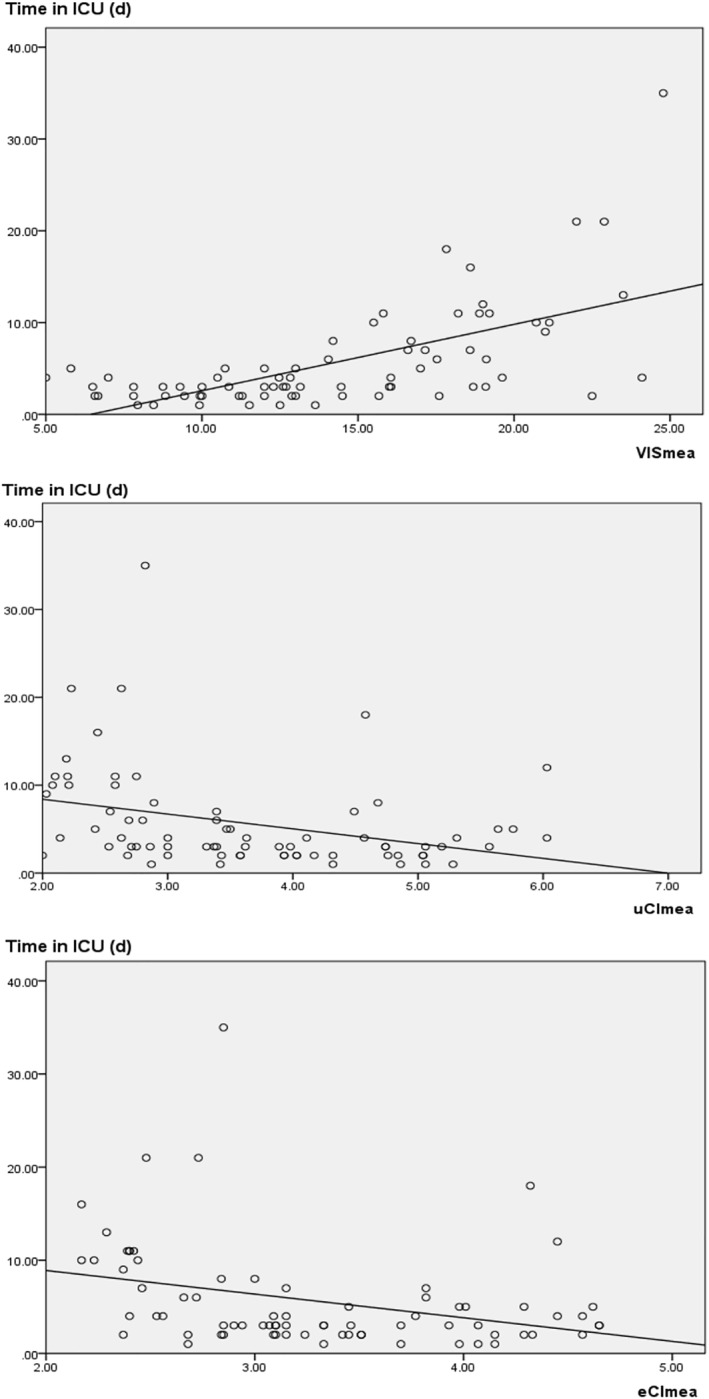 Figure 3
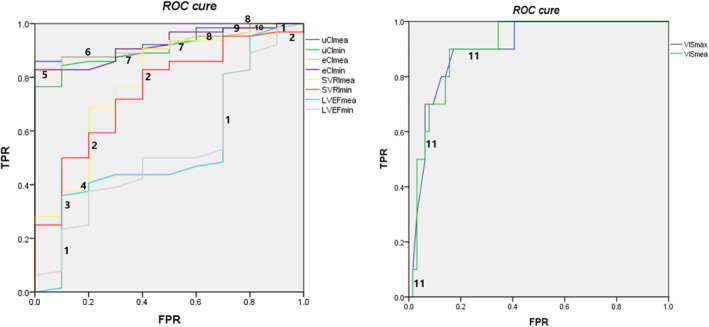 Figure 4
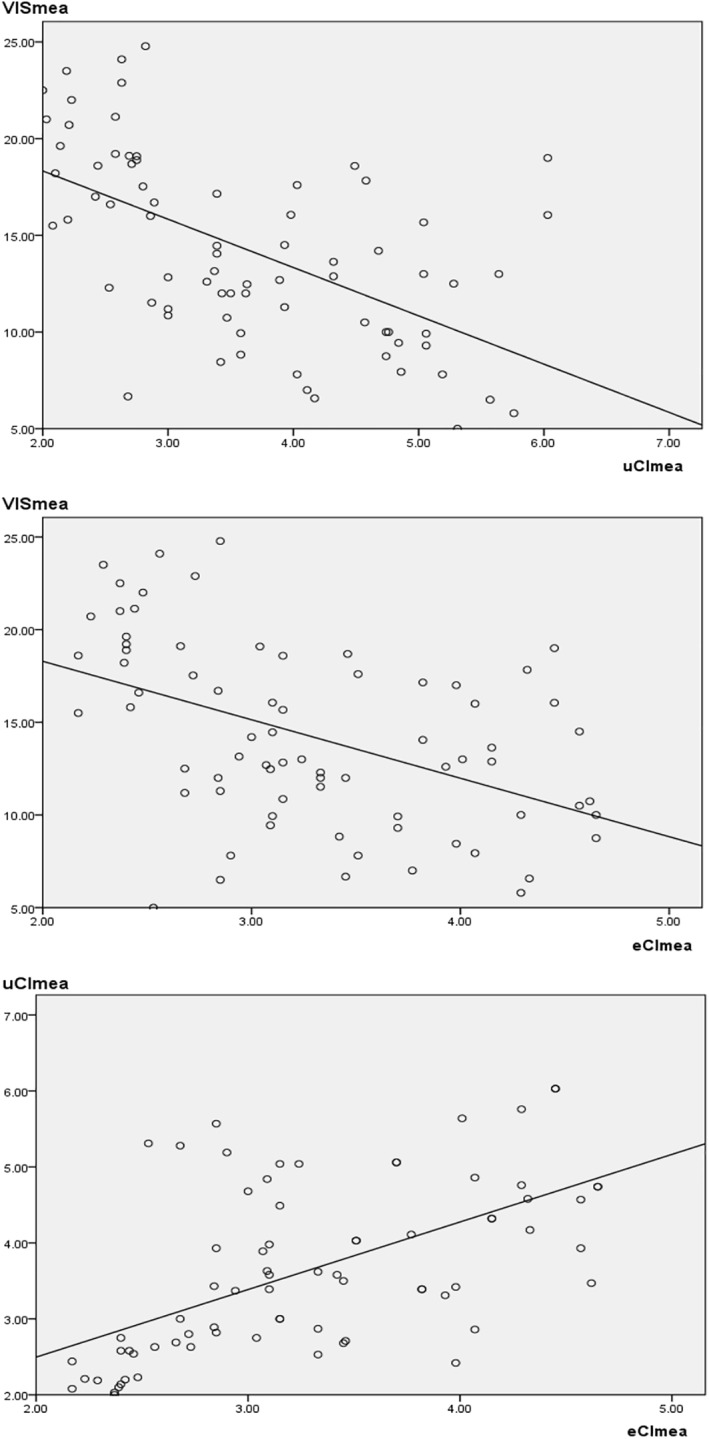 Figure 5
Peer Reviews
No public reviews on file for this paper yet. If you reviewed it on a platform where reviews are public (OpenReview, ICLR, NeurIPS, ICML), you can paste yours below so the community can read it here.
Videos
No videos yet. Explain this paper in a talk, walkthrough, or lecture? Add one.
Taxonomy
TopicsHemodynamic Monitoring and Therapy · Cardiac, Anesthesia and Surgical Outcomes · Ultrasound in Clinical Applications