Skin autofluorescence is associated with blood glucose levels, especially in children with type 1 diabetes
Tinghan Deng, Jingping Wu, Hongbin Cheng

TL;DR
The study finds that skin autofluorescence is linked to blood glucose levels in children with type 1 diabetes, suggesting it could be a non-invasive tool for monitoring the disease.
Contribution
The study introduces skin autofluorescence as a potential non-invasive marker for type 1 diabetes in children.
Findings
Skin autofluorescence levels are significantly higher in children with type 1 diabetes compared to non-diabetic peers.
A positive correlation exists between elevated skin autofluorescence and type 1 diabetes in children.
Skin autofluorescence may serve as a non-invasive indicator for diabetes and its complications.
Abstract
This study examines the correlation between skin autofluorescence (SAF) and blood glucose levels, emphasizing the accumulation of advanced glycation end-products (AGEs). We hypothesize that SAF levels are closely linked to type 1 diabetes complications in children. The aim is to evaluate SAF’s relationship with type 1 diabetes progression in children and its potential as a non-invasive tool for disease detection and monitoring complications. The research was registered with PROSPERO (CRD42021284774). We conducted a meta-analysis by extracting studies from databases including PubMed, MEDLINE, EMBASE, Cochrane, Science Direct, Scopus, and Web of Science. A random effects model was used to assess if SAF measurement could serve as a non-invasive marker for type 1 diabetes and its complications. SAF values were compared between children with type 1 diabetes and controls, calculating the…
Genes, proteins, chemicals, diseases, species, mutations and cell lines named across the full text — each resolved to its canonical identifier and authoritative record.
Click any figure to enlarge with its caption.
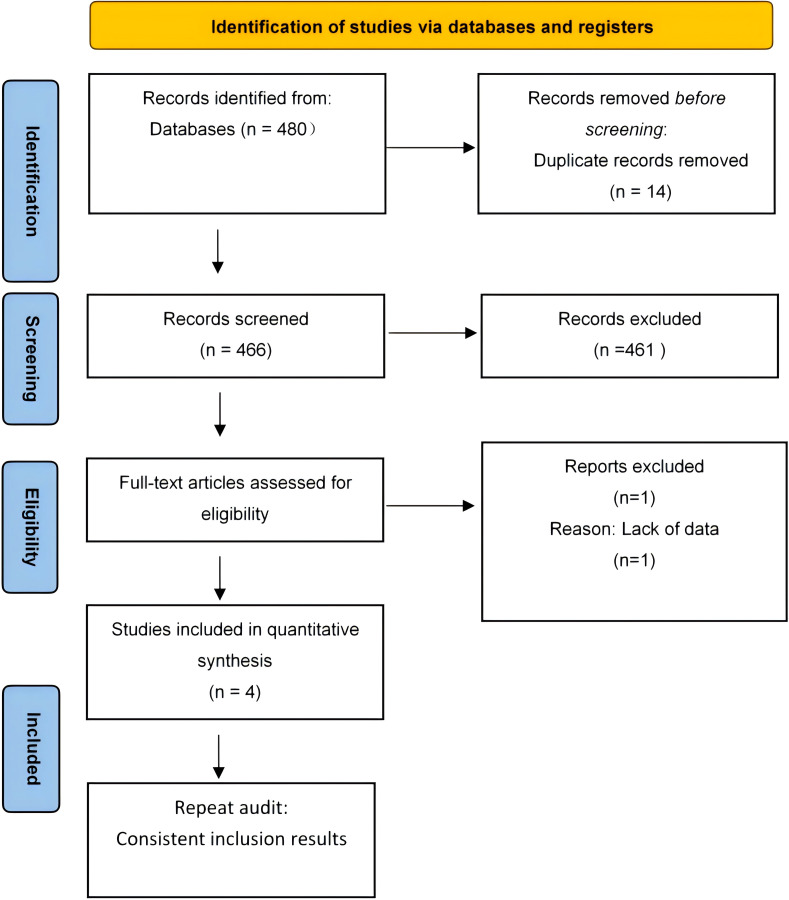 Figure 1
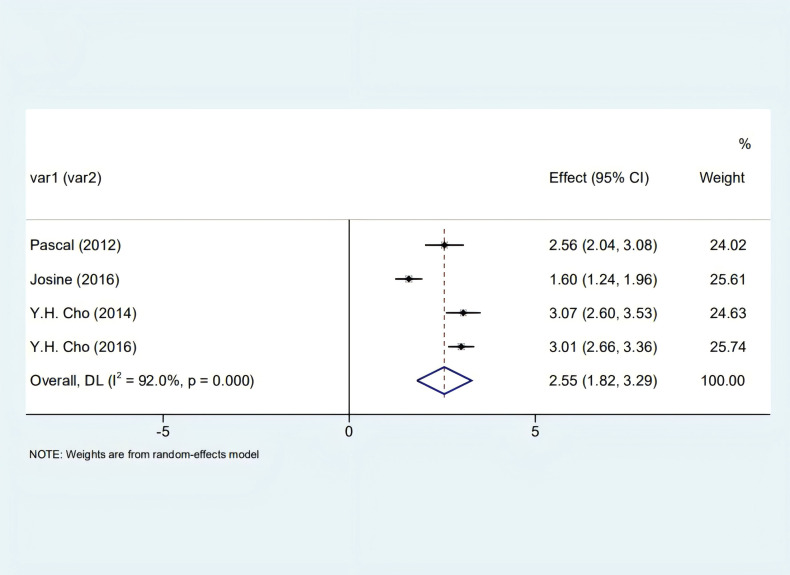 Figure 2
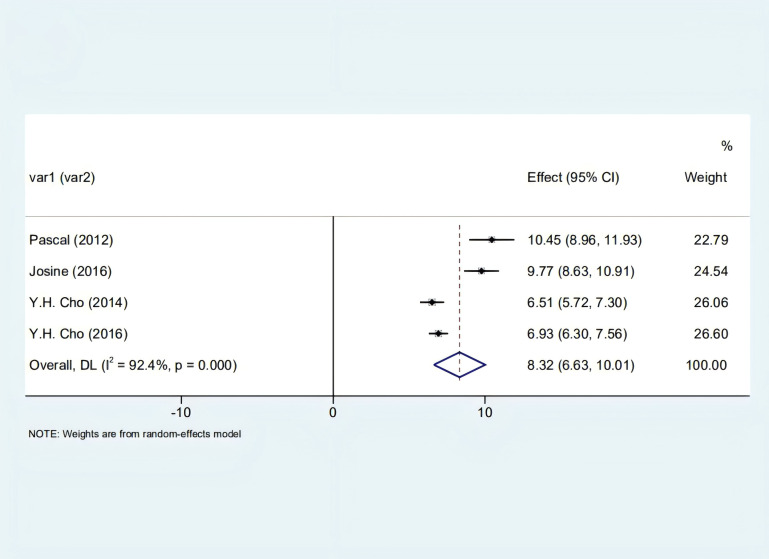 Figure 3
 Figure 4
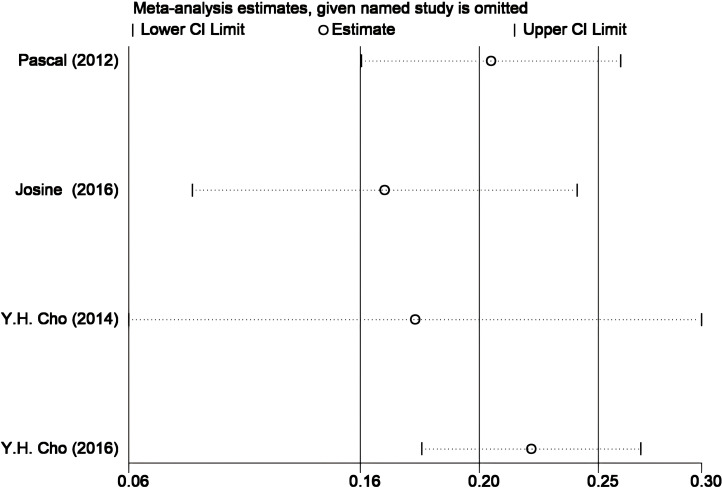 Figure 5
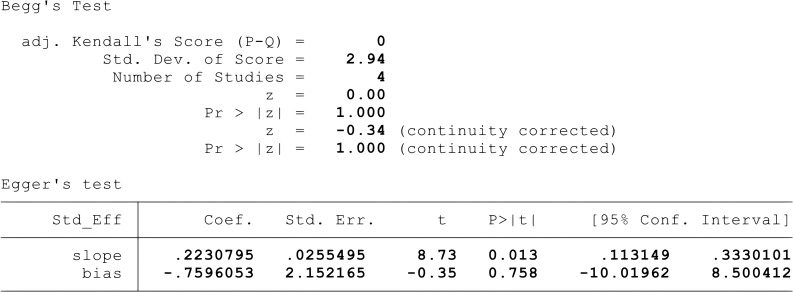 Figure 6
Peer Reviews
No public reviews on file for this paper yet. If you reviewed it on a platform where reviews are public (OpenReview, ICLR, NeurIPS, ICML), you can paste yours below so the community can read it here.
Videos
No videos yet. Explain this paper in a talk, walkthrough, or lecture? Add one.
Taxonomy
TopicsDiabetes and associated disorders · Diabetes Management and Research · Pancreatic function and diabetes