Early thrombus detection in ECMO with optimized impedance measurements: A simulative study
Filip Slapal, Diogo F. Silva, Steffen Leonhardt, Marian Walter

TL;DR
This study proposes a new method using bioimpedance and machine learning to detect blood clots in oxygenators during ECMO treatment, improving early detection accuracy.
Contribution
A novel computational bioimpedance approach with neural network optimization for early thrombus detection in ECMO oxygenators.
Findings
Optimized electrode configurations significantly improved detection accuracy in simulations.
A neural network achieved over 94% F1-score in distinguishing normal and thrombus-affected conditions.
The method preserves oxygenator functionality while enabling automated thrombus detection.
Abstract
Extracorporeal oxygenation supports patients with severe cardiac or respiratory failure, with the oxygenator providing critical gas exchange. Thrombus formation in the oxygenator can impair efficiency and increase risks such as hemolysis and embolism, but existing detection methods are limited in accuracy and timeliness. This study introduces a computational bioimpedance approach for early thrombus detection that integrates advanced modeling and machine learning techniques while preserving the oxygenator’s functionality. We developed a finite element model of an oxygenator to simulate bioimpedance measurements using varied electrode configurations. Neural networks optimized electrode placement and injection-measurement patterns, enhancing sensitivity to conductivity changes. A second neural network was trained on simulated data to distinguish between normal and thrombus-affected…
Genes, proteins, chemicals, diseases, species, mutations and cell lines named across the full text — each resolved to its canonical identifier and authoritative record.
Click any figure to enlarge with its caption.
 Figure 1
 Figure 2
 Figure 3
 Figure 4
 Figure 5
 Figure 6
 Figure 7
 Figure 8
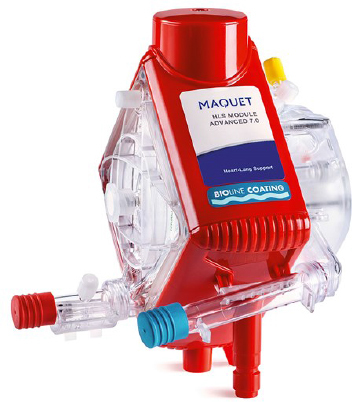 Figure 1
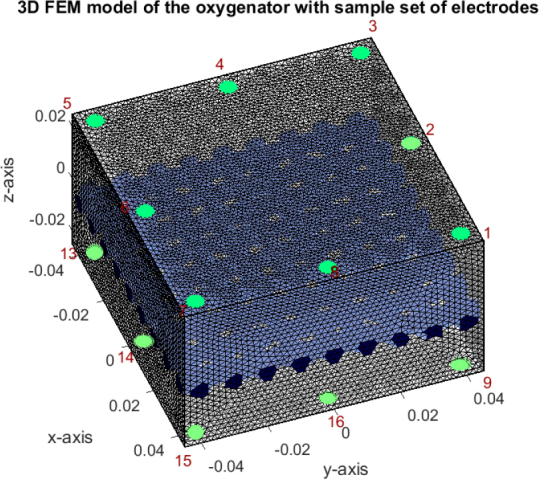 Figure 2
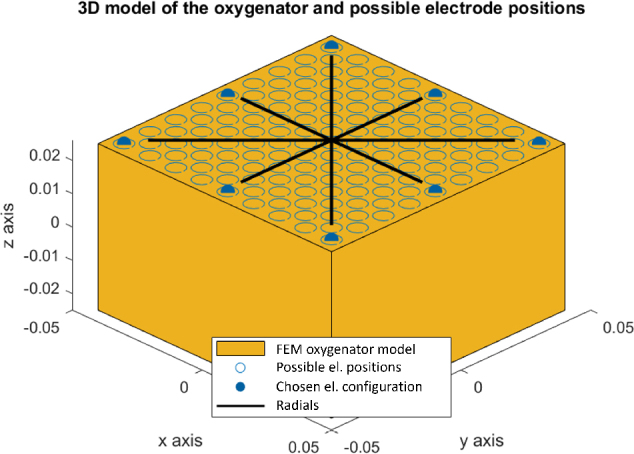 Figure 3
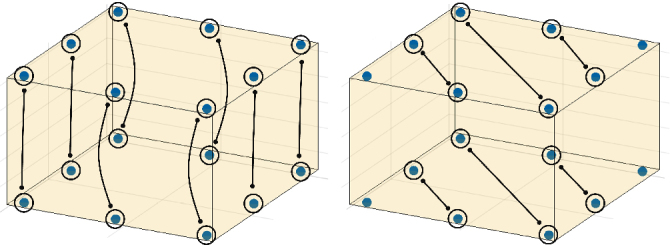 Figure 4
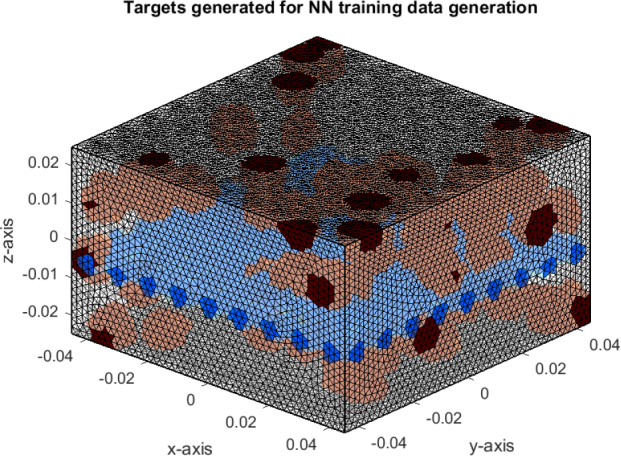 Figure 5
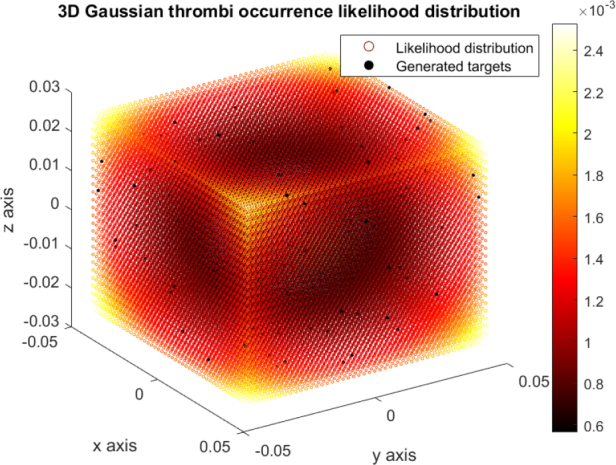 Figure 6
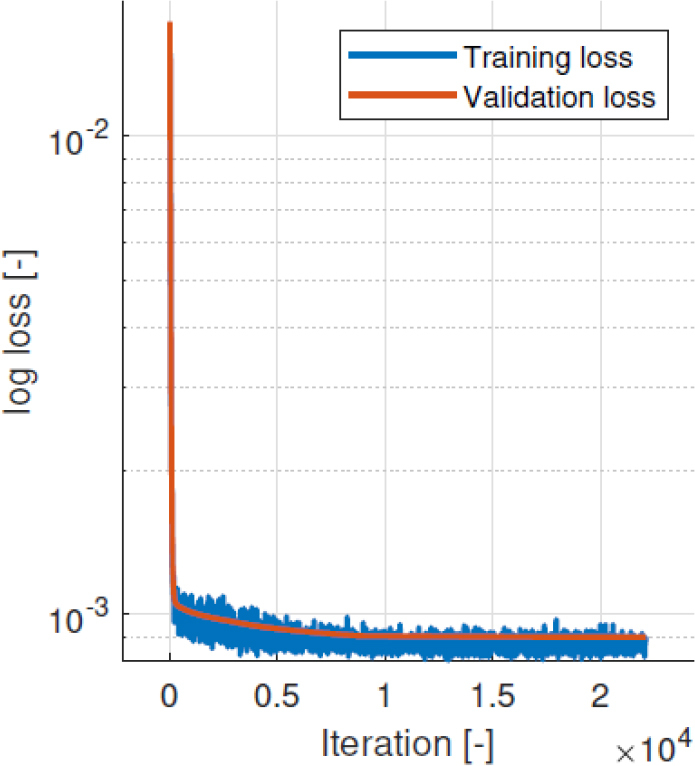 Figure 7
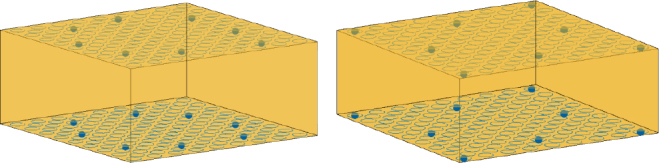 Figure 8
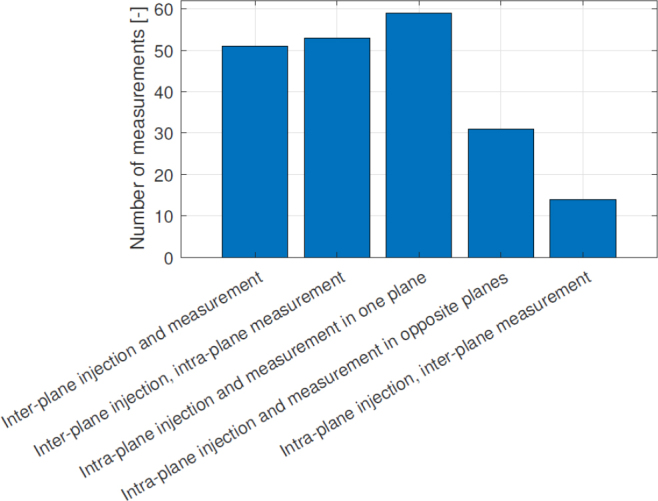 Figure 9
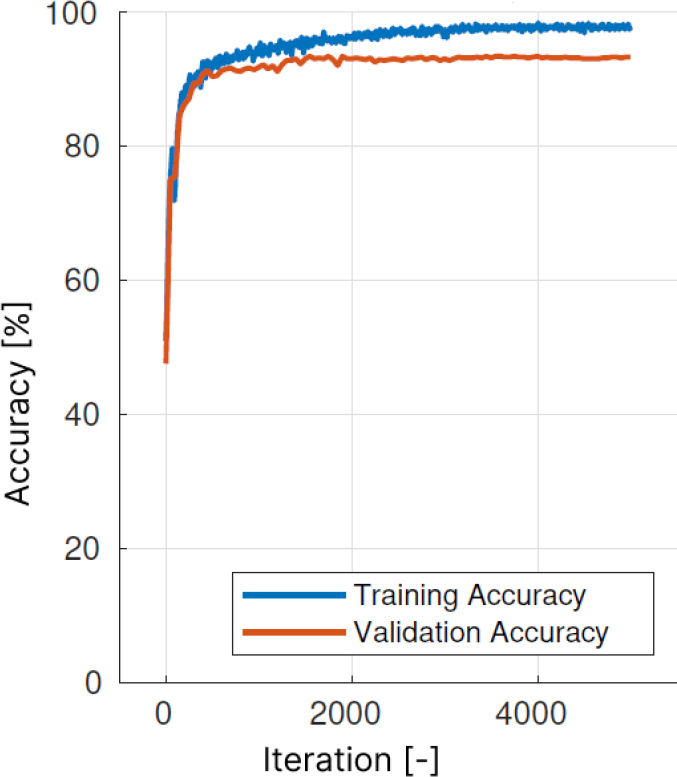 Figure 10
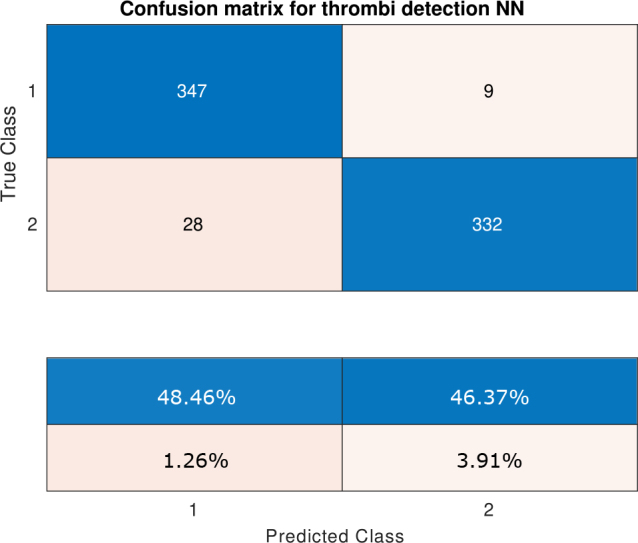 Figure 11
 Figure 20
 Figure 21
 Figure 22
 Figure 23
 Figure 24
 Figure 25
 Figure 26
 Figure 27
Peer Reviews
No public reviews on file for this paper yet. If you reviewed it on a platform where reviews are public (OpenReview, ICLR, NeurIPS, ICML), you can paste yours below so the community can read it here.
Videos
No videos yet. Explain this paper in a talk, walkthrough, or lecture? Add one.
Taxonomy
TopicsElectrical and Bioimpedance Tomography · Mechanical Circulatory Support Devices · Hemodynamic Monitoring and Therapy