Stakeholder perspectives on digital wellbeing in Saudi Arabia: a cross-sectional survey
Saud Abdulaziz Alomairah, Michelle Colder Carras, Dahlia Aljuboori, Juliann Saquib, Nazmus Saquib, Mayank Date, Kyeongwon Kim, Faisal Aldayel, Michelle R. Kaufman, Laura K. Clary, Vincent G. van der Rijst, Anouk Tuijnman, Antonius J. van Rooij, Nahlah Alsogaih

TL;DR
This study explores stakeholder views on digital wellbeing in Saudi Arabia, focusing on youth and suggesting education and regulation as key strategies.
Contribution
The study provides new insights into stakeholder perspectives for culturally tailored digital wellbeing interventions in Saudi Arabia.
Findings
Most participants reported extensive screen time, with over half using digital media four or more hours daily on weekdays and weekends.
Educational programs for parents, school initiatives, and regulatory apps received strong support as effective intervention strategies.
Children and adolescents were identified as key target groups for digital wellbeing interventions.
Abstract
In Saudi Arabia, the rapid growth of digital media and smartphone use has raised concerns about problematic usage and its impacts on well-being, especially among young people. Research on stakeholder perspectives regarding intervention strategies remains limited. This study aimed to gather insights from societal stakeholders, including youth, parents, policymakers, industry leaders, clinicians, educators, and digital media users, to inform culturally tailored interventions for digital well-being in Saudi Arabia. A purposeful non-random sample of 92 participants representing different stakeholder groups was recruited to complete an online survey, answering questions about their experiences and perspectives on digital media use. Primary stakeholder group was assigned based on participant self-selection. We analyzed distributions of categorical variables related to media use time,…
Genes, proteins, chemicals, diseases, species, mutations and cell lines named across the full text — each resolved to its canonical identifier and authoritative record.
Click any figure to enlarge with its caption.
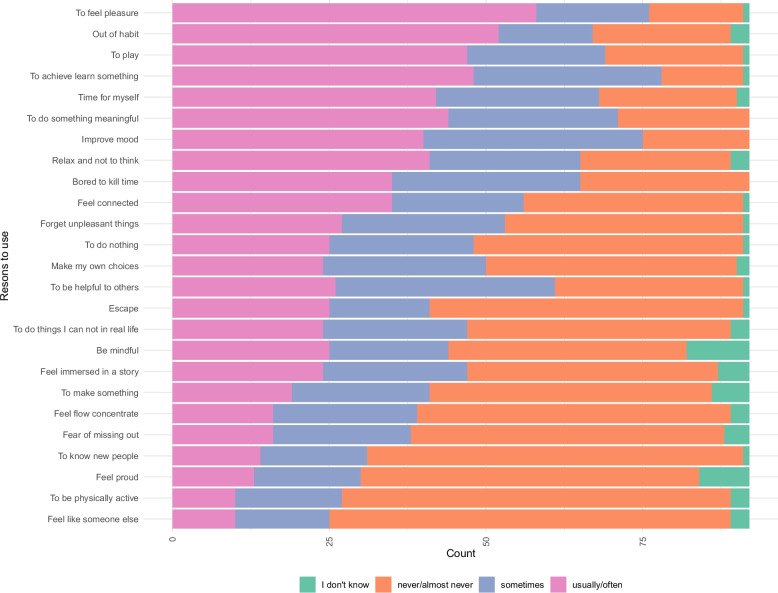 Figure 1
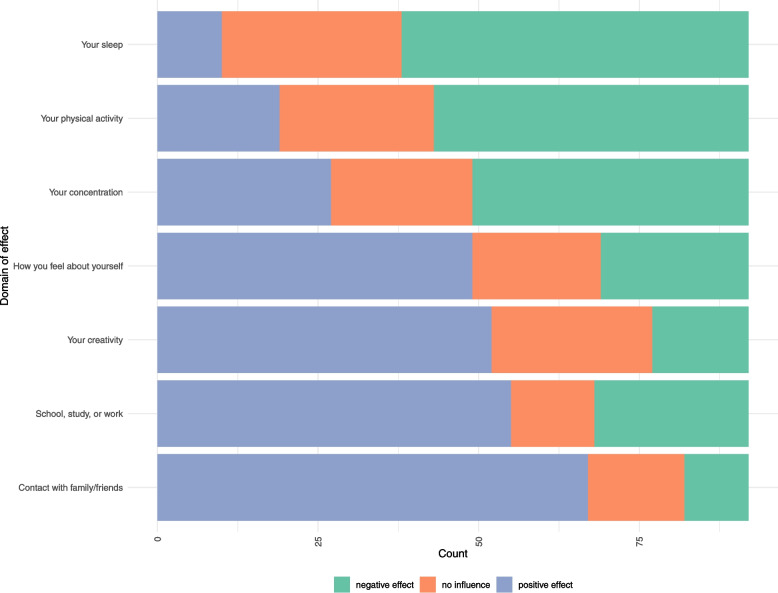 Figure 2
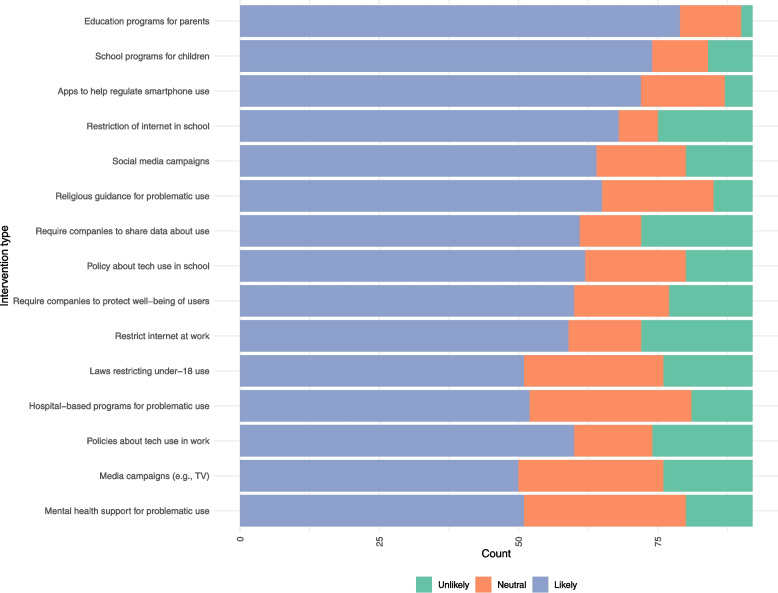 Figure 3
Peer Reviews
No public reviews on file for this paper yet. If you reviewed it on a platform where reviews are public (OpenReview, ICLR, NeurIPS, ICML), you can paste yours below so the community can read it here.
Videos
No videos yet. Explain this paper in a talk, walkthrough, or lecture? Add one.
Taxonomy
TopicsImpact of Technology on Adolescents · Child Development and Digital Technology · Social Media and Politics