Prophage-mediated endolysis of Latilactobacillus Sakei TMW 1.1290 induced by exogenous stress arising from food technologies
T Bardischewski, S Vallo, R Nitzsche, P Chanos, T Sieksmeyer, C Stühmeier-Niehe, K Aganovic, C Hertel

TL;DR
This study explores how stress from food technologies can trigger bacterial cell lysis in L. sakei, potentially improving fermented food quality.
Contribution
The study identifies UV light and oxidative stress chemicals as inducers of prophage-mediated cell lysis in L. sakei TMW 1.1290.
Findings
UV light caused transient cell lysis and increased amidase gene expression 2102-fold.
Oxidative stress chemicals like H₂O₂ and menadione activated prophage but inhibited bacterial growth.
Food technologies like PEF and HHP did not induce prophage-mediated lysis under sublethal conditions.
Abstract
Intracellular enzymes released during bacterial cell lysis contribute to the development of flavor and texture in fermented foods through the hydrolysis of proteins and fats. In fermented meat products this takes place only late in the fermentation process which limits its effect. Therefore, time-controlled cell lysis constitutes a potentially valuable tool for enhancing sensory characteristics of the final product. This study investigated the prophage-induced, time-delayed bacterial cell lysis in L. sakei TMW 1.1290 by using different stress conditions, including those generated by food technologies, like pulsed electric fields (PEF) and high hydrostatic pressure (HHP). UV light induced transient cell lysis, confirmed by a 2102-fold increase of expression of the prophage amidase gene, as determined by Reverse Transcription quantitative Polymerase Chain Reaction (RT-qPCR). The effect…
Genes, proteins, chemicals, diseases, species, mutations and cell lines named across the full text — each resolved to its canonical identifier and authoritative record.
Click any figure to enlarge with its caption.
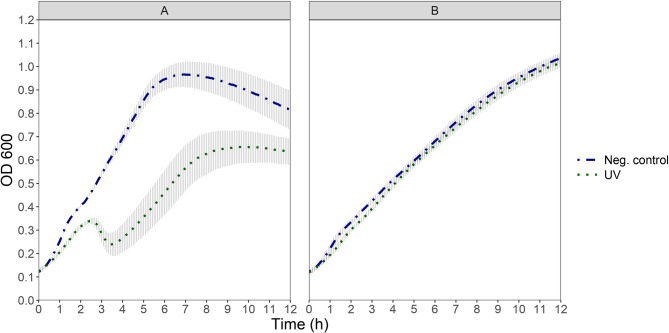 Figure 1
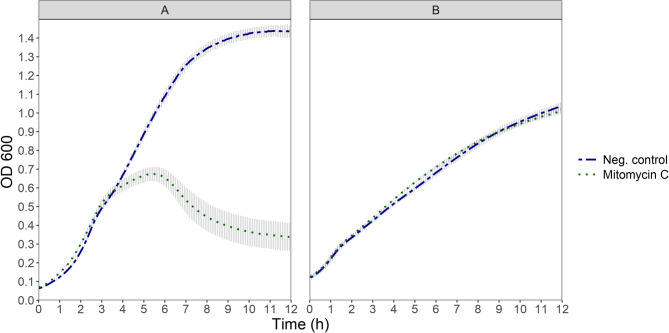 Figure 2
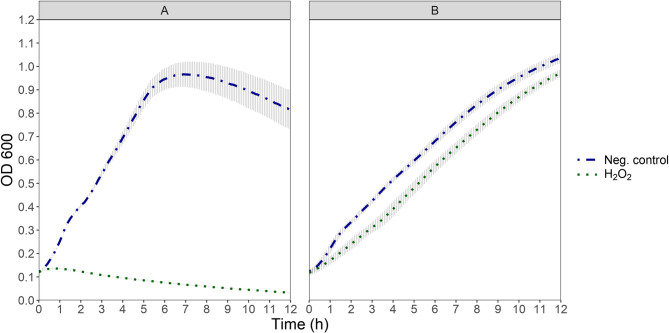 Figure 3
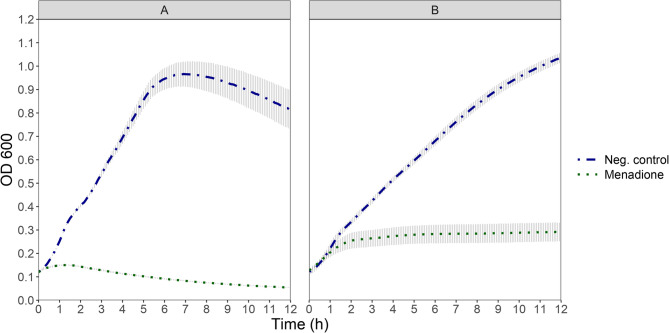 Figure 4
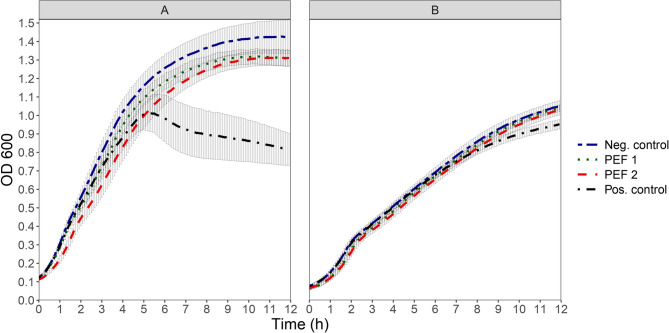 Figure 5
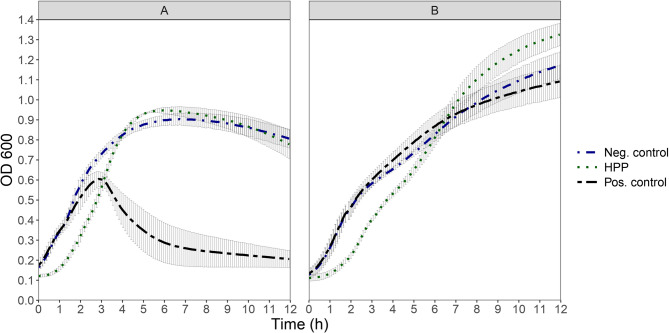 Figure 6
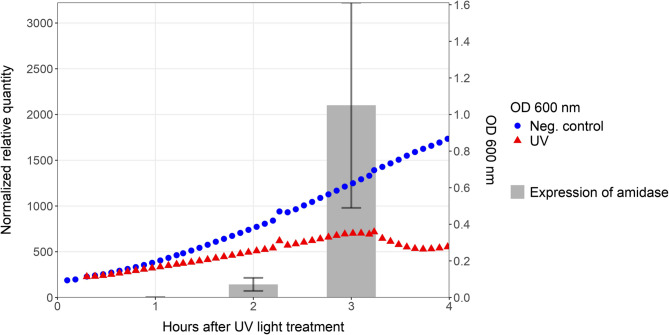 Figure 7
Peer Reviews
No public reviews on file for this paper yet. If you reviewed it on a platform where reviews are public (OpenReview, ICLR, NeurIPS, ICML), you can paste yours below so the community can read it here.
Videos
No videos yet. Explain this paper in a talk, walkthrough, or lecture? Add one.
Taxonomy
TopicsProbiotics and Fermented Foods · Microbial Inactivation Methods · Bacteriophages and microbial interactions