Simulation of realistic patella fractures: an investigation into the mechanism and potential benefit for surgical training
Sebastian Wegmann, Jannik Leyendecker, Tim Leschinger, Maximilian Weber, Lars-Peter Mueller, Andreas Harbrecht

TL;DR
This study shows how realistic patella fractures can be created on cadavers for surgical training, improving surgeon skills and understanding of rare fracture types.
Contribution
A novel method for inducing realistic patella fractures in cadavers for surgical training is presented and validated.
Findings
All seven cadaveric specimens were successfully fractured using a custom drop-test bench.
High intra-rater and inter-rater reliability was achieved in fracture classification using AO and Speck and Regazzoni systems.
Realistic fracture models are shown to be valuable for surgical training due to the rarity of patella fractures in clinical practice.
Abstract
Patella fractures account for about 1% of all bone fractures, predominantly affecting males at a 2:1 ratio and exhibiting distinctive age-related patterns. In younger individuals, these injuries typically result from high-velocity impacts, while in the elderly, they usually arise from lower-energy impacts. Consequently, the types of fractures differ; horizontal fractures are more common in younger individuals, whereas comminuted fractures are more prevalent in older adults. Owing to the knee’s biomechanics, surgical intervention is often necessary. Preserving the articular surface is crucial to prevent retropatellar osteoarthritis, making thorough planning of surgical treatment essential. How can the osteosynthesis of this fracture entity be simulated as realistically as possible? This study focused on the feasibility of inducing realistic patella fractures with an intact soft tissue…
Genes, proteins, chemicals, diseases, species, mutations and cell lines named across the full text — each resolved to its canonical identifier and authoritative record.
Click any figure to enlarge with its caption.
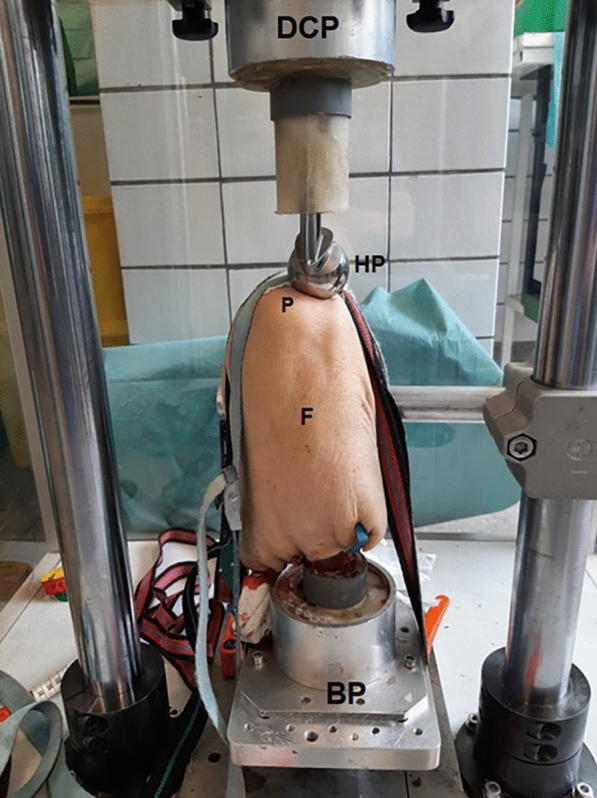 Figure 1
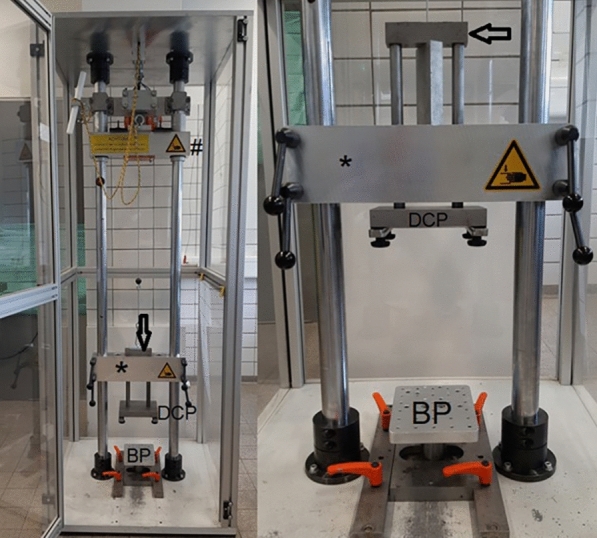 Figure 2
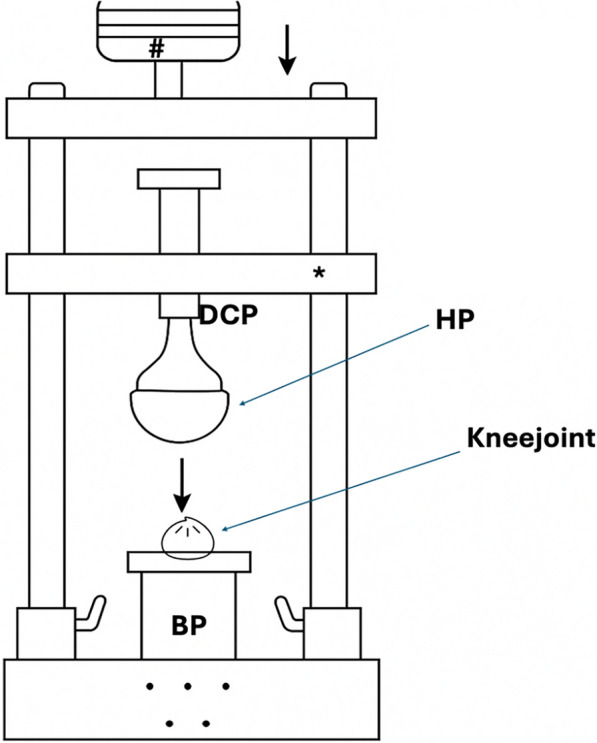 Figure 3
Peer Reviews
No public reviews on file for this paper yet. If you reviewed it on a platform where reviews are public (OpenReview, ICLR, NeurIPS, ICML), you can paste yours below so the community can read it here.
Videos
No videos yet. Explain this paper in a talk, walkthrough, or lecture? Add one.
Taxonomy
TopicsBone fractures and treatments · Lower Extremity Biomechanics and Pathologies · Pelvic and Acetabular Injuries