Elucidation of Exercise Conditions That Promote Motor Learning in Children With Autism Spectrum Disorder Who Have Motor Coordination Disorders: A Study Using Constant and Variable Practice
Soma Tsujishita, Daiki Nakashima, Kazunori Akizuki, Kosuke Takeuchi

TL;DR
This study finds that constant practice improves motor learning in children with autism and coordination disorders more than variable practice.
Contribution
The study identifies that constant practice is more effective than variable practice for motor learning in children with ASD and motor impairments.
Findings
Constant practice showed stronger correlations between practice improvements and overall performance changes (p = 0.004, r = 0.666).
Prosocial behavior was positively associated with performance improvements in the constant practice group (p = 0.018, r = 0.564).
Variable practice resulted in reduced pre- to post-test scores (p = 0.047).
Abstract
Background and aim Children with autism spectrum disorder (ASD) may experience coordination disorders, but the effects of different training conditions on motor learning in these children remain unclear. This study examined how constant versus variable practice impacts motor performance and learning in children with ASD and motor impairments. Methods Thirty-four children attending child development and daycare centers participated. Assessments included fine motor skills (Purdue Pegboard), gross motor skills (target-target task), visuospatial working memory (Corsi block tapping task), and the developmental disability questionnaire (Strengths and Difficulties Questionnaire). The primary outcome was the change in target-task performance before, during, and after practice, analyzed using repeated measures two-way ANOVA and Pearson’s correlation. Results No significant differences were…
Genes, proteins, chemicals, diseases, species, mutations and cell lines named across the full text — each resolved to its canonical identifier and authoritative record.
Click any figure to enlarge with its caption.
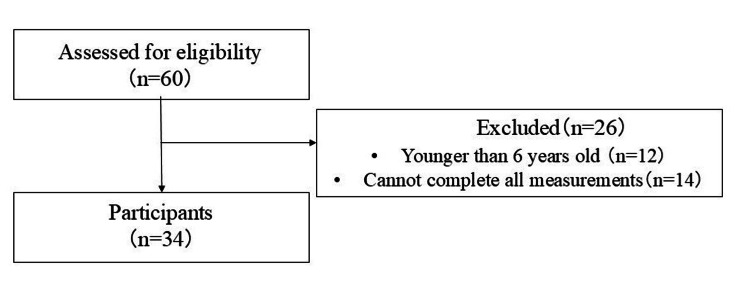 Figure 1
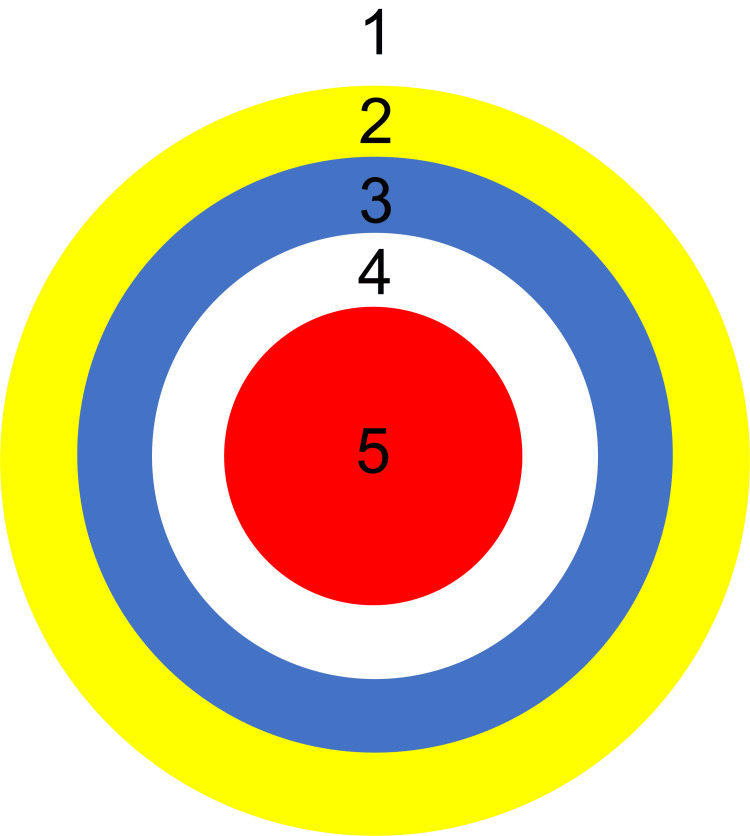 Figure 2
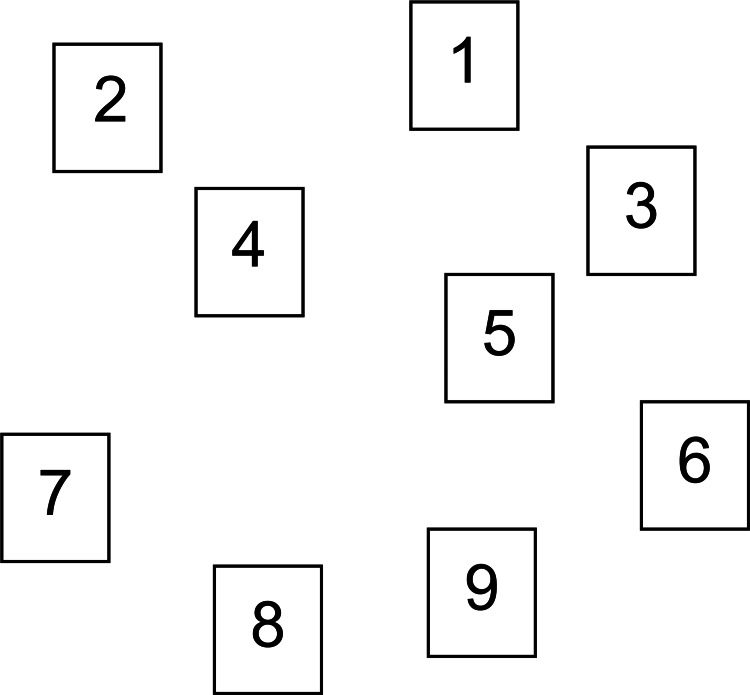 Figure 3
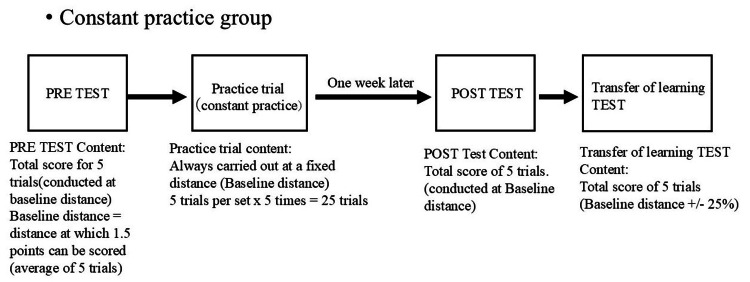 Figure 4
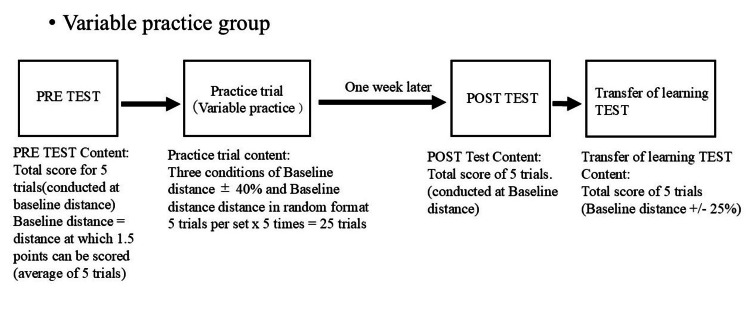 Figure 5
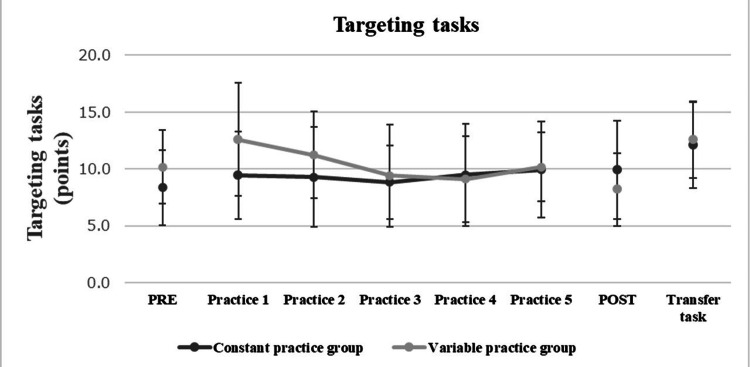 Figure 6
Peer Reviews
No public reviews on file for this paper yet. If you reviewed it on a platform where reviews are public (OpenReview, ICLR, NeurIPS, ICML), you can paste yours below so the community can read it here.
Videos
No videos yet. Explain this paper in a talk, walkthrough, or lecture? Add one.
Taxonomy
TopicsChildren's Physical and Motor Development · Autism Spectrum Disorder Research · Cognitive and developmental aspects of mathematical skills