Structure-Guided Design of a KMT9 Inhibitor Prodrug with Cellular Activity
Sheng Wang, Nicolas P. F. Barthes, Sylvia Urban, Viktor I. Hazai, Sebastian O. Klein, Tabea Pappert, Paul Kümmel, Nicolas Heller, Johannes Bacher, Maximilian Staudt, Jan Ruprecht, Ling Peng, Manuela Sum, Christopher Berlin, Daad Sarraf, Pierre Regenass, Robin Warstat

TL;DR
Researchers designed a prodrug that effectively inhibits KMT9, a protein linked to cancer, showing promise for cancer therapy.
Contribution
A prodrug was developed to overcome poor cellular activity of KMT9 inhibitors, demonstrating effective cancer cell inhibition.
Findings
Branched cofactor analogues with methionine side chains are potent KMT9 inhibitors.
Prodrug 8 shows cellular activity and blocks colon cancer cell proliferation.
Structure-guided design improved potency and selectivity of KMT9 inhibitors.
Abstract
Lysine methyltransferase 9 (KMT9), an obligate heterodimer (KMT9α/KMT9β), belongs to the few described Rossmann-fold histone lysine methyltransferases and monomethylates histone H4 at lysine 12 (H4K12me1). KMT9 depletion or inhibition impairs the proliferation of tumors, including prostate, lung, colon, and bladder cancer cells, underscoring its therapeutic potential. Here, we show the development of branched cofactor analogues with a methionine side chain as highly potent KMT9 inhibitors. Through structure-guided design, a basic nitrogen and 4-chlorophenoxy-2-fluorobenzene in the substrate branch contribute most to the high potency and selectivity. Due to the zwitterionic methionine side chain, the inhibitors did not show cellular activity. Importantly, an ethyl ester prodrug 8 exhibits cellular target engagement and effectively blocks the proliferation of colon cancer cell lines,…
Genes, proteins, chemicals, diseases, species, mutations and cell lines named across the full text — each resolved to its canonical identifier and authoritative record.
Click any figure to enlarge with its caption.
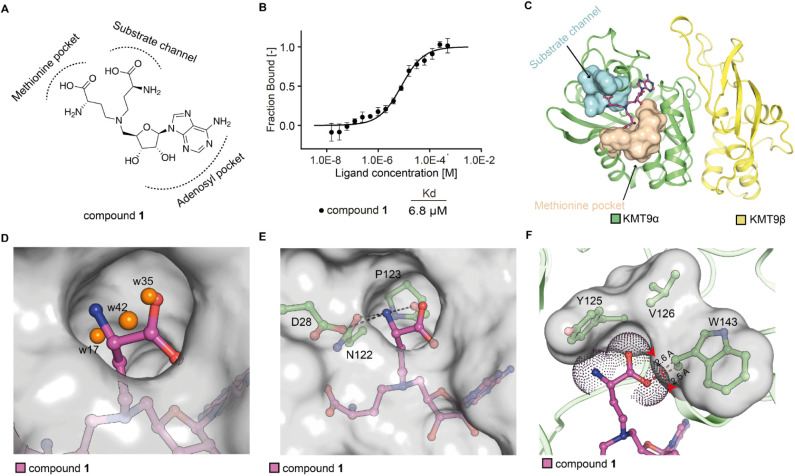 Figure 1
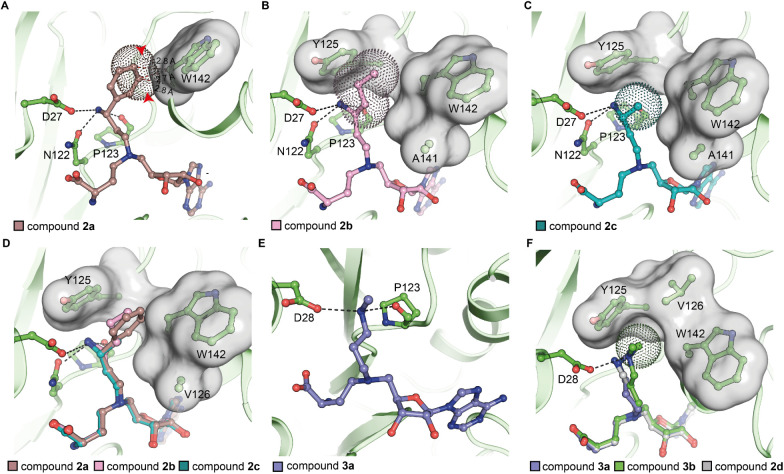 Figure 2
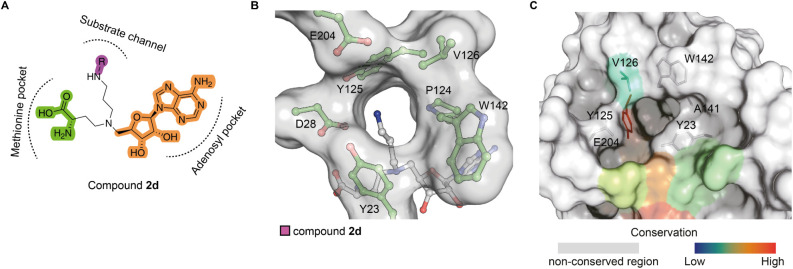 Figure 3
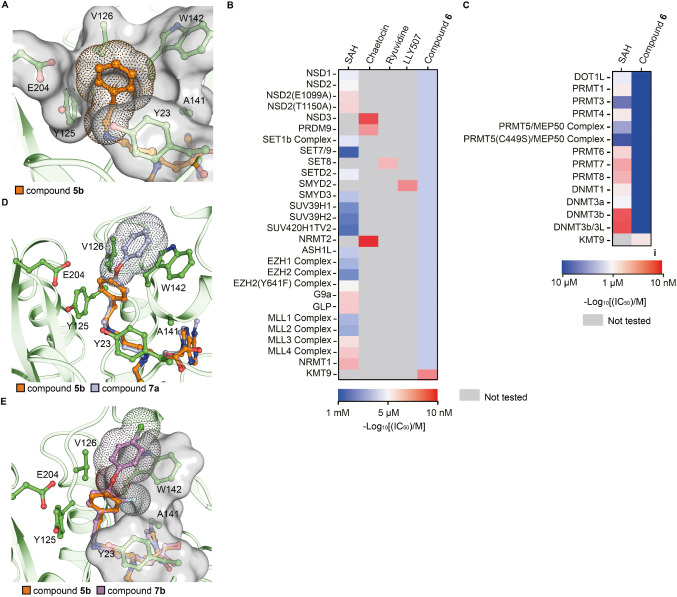 Figure 4
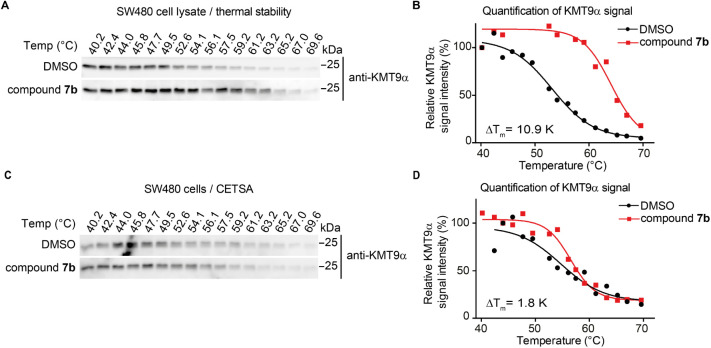 Figure 5
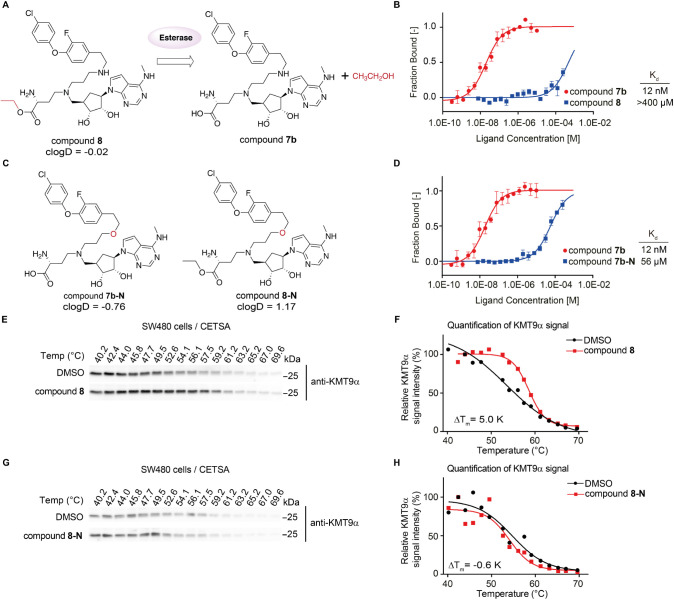 Figure 6
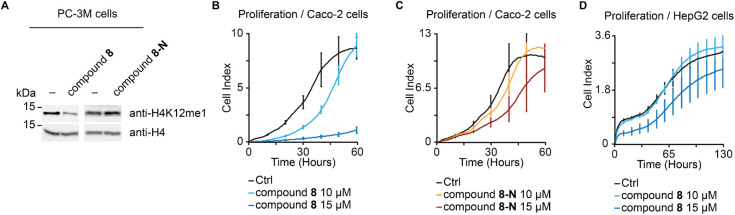 Figure 7
 Figure 8
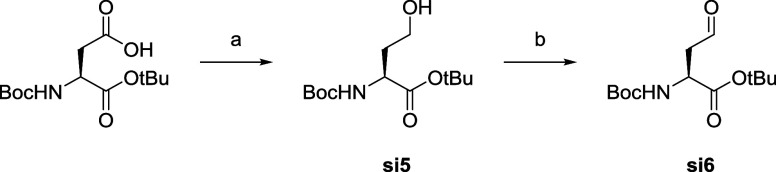 Figure 9
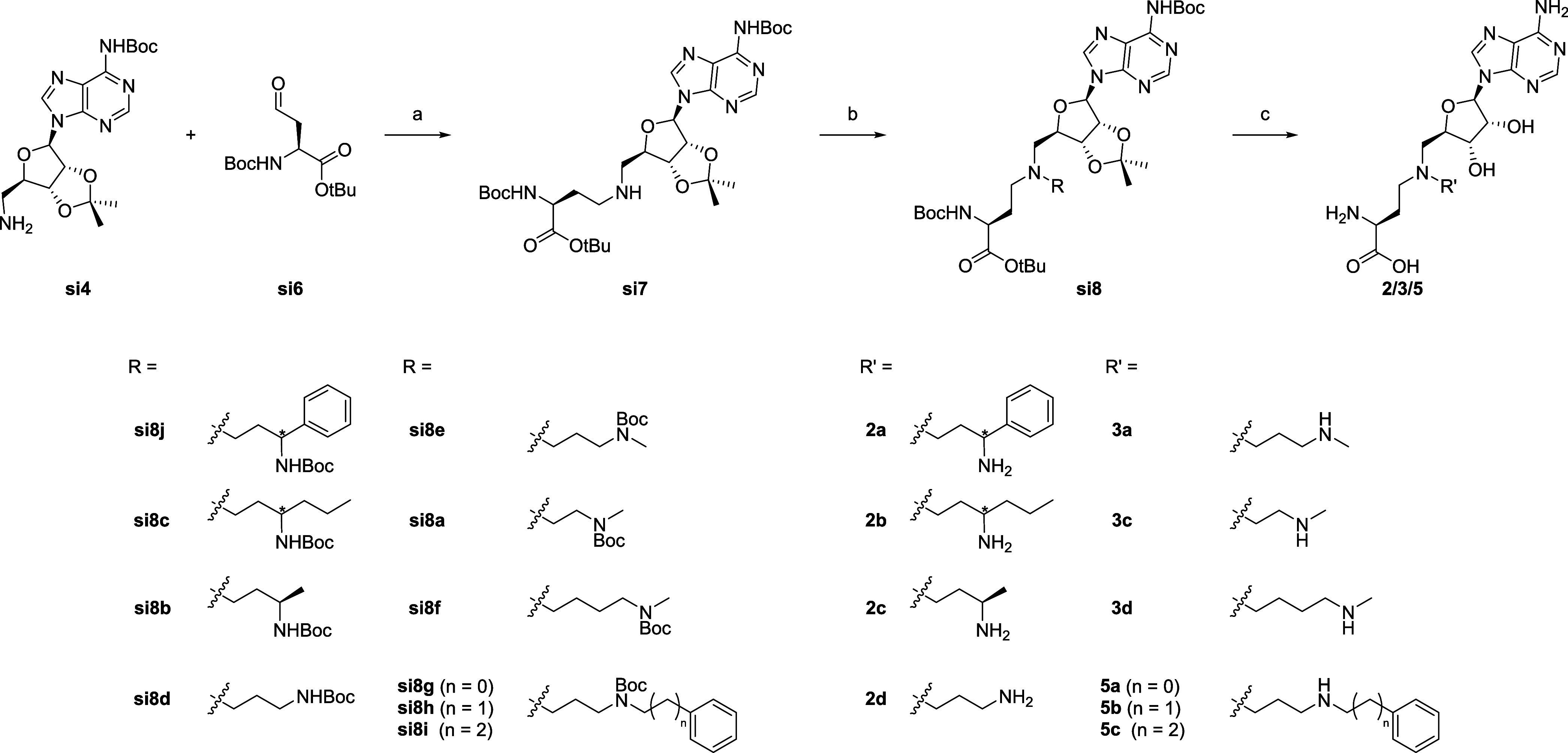 Figure 10
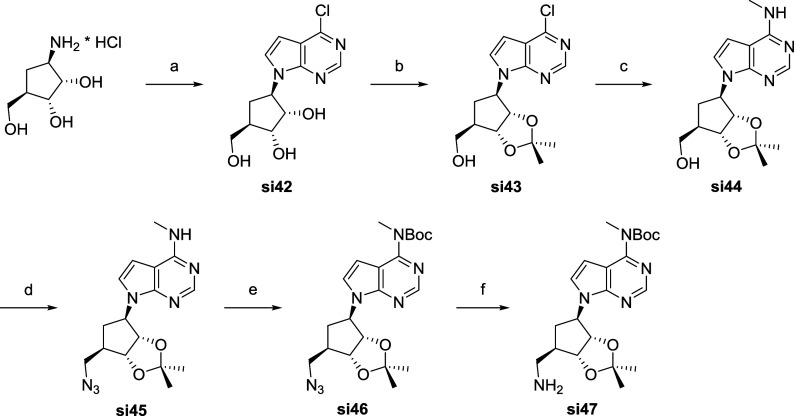 Figure 11
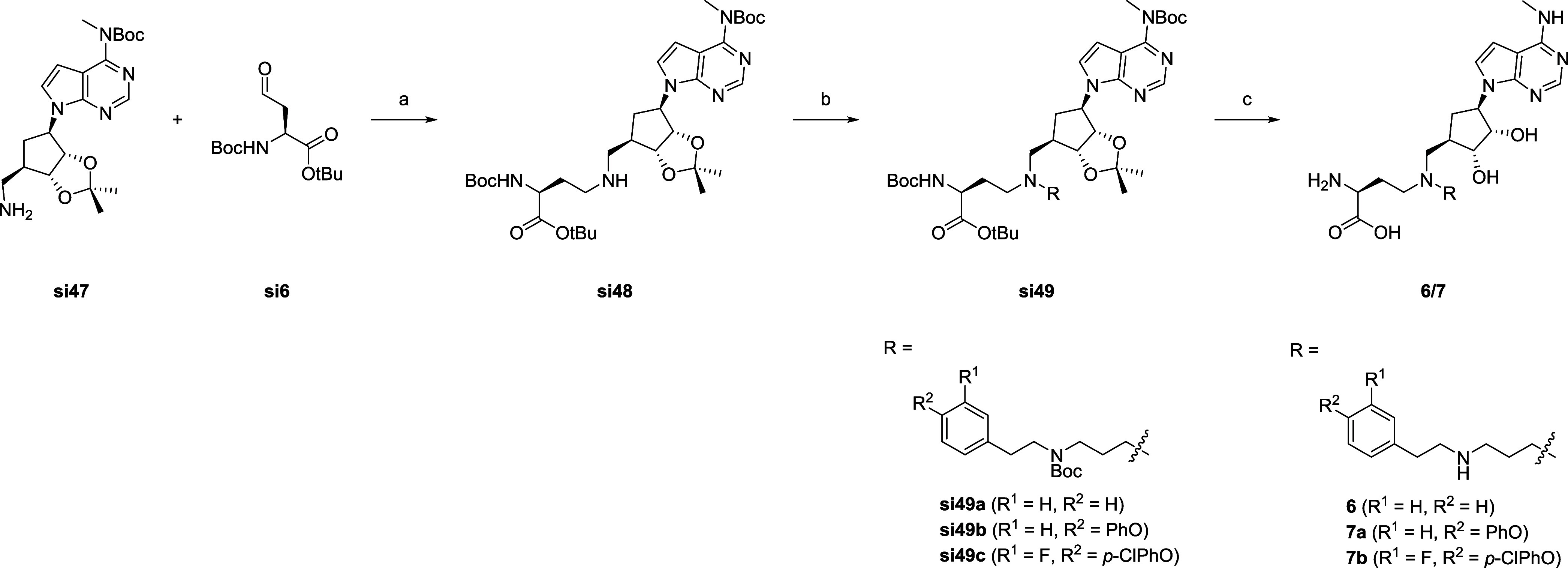 Figure 12
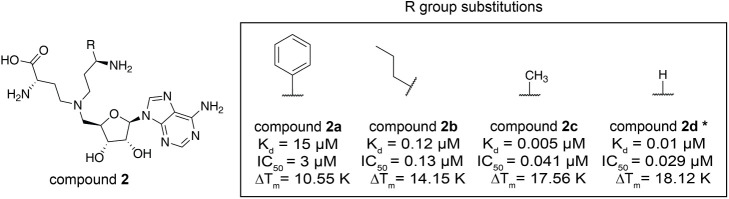 Figure 13
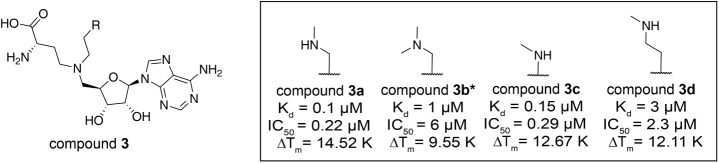 Figure 14
 Figure 15
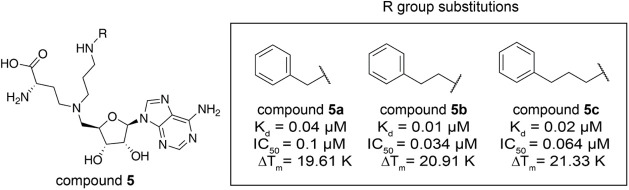 Figure 16
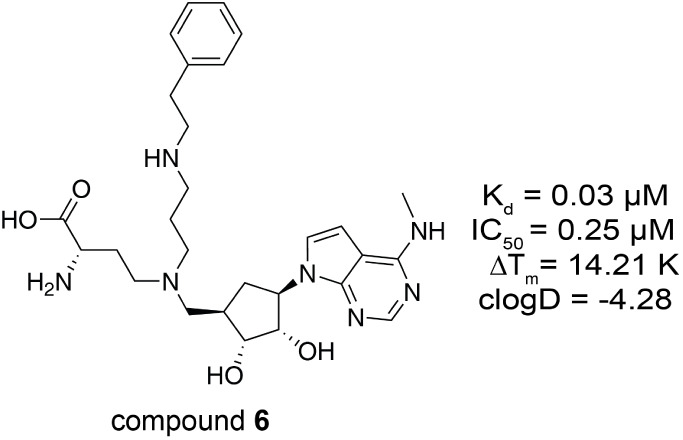 Figure 17
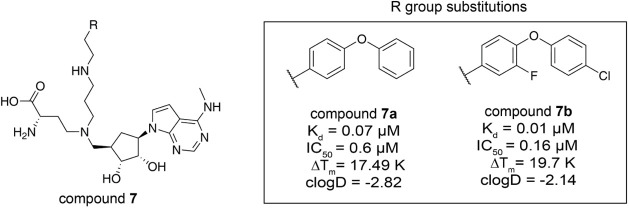 Figure 18
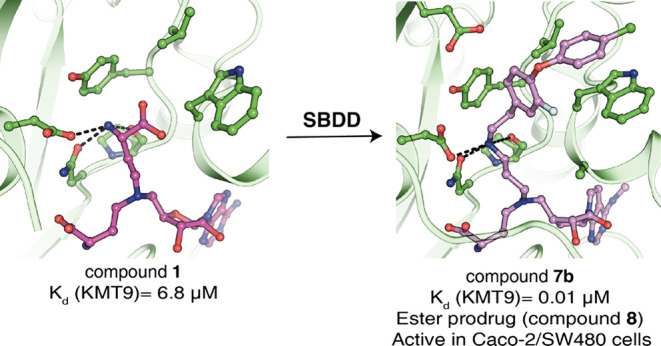 Figure 19
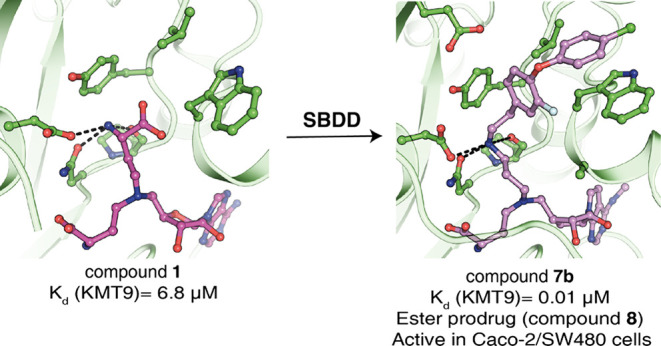 Figure 20
 Figure 21
Peer Reviews
No public reviews on file for this paper yet. If you reviewed it on a platform where reviews are public (OpenReview, ICLR, NeurIPS, ICML), you can paste yours below so the community can read it here.
Videos
No videos yet. Explain this paper in a talk, walkthrough, or lecture? Add one.
Taxonomy
TopicsCancer-related gene regulation · Epigenetics and DNA Methylation · Chromatin Remodeling and Cancer