Insulin and Human Serum Albumin Interactions with Core–Shell Fe3O4@SiO2 Nanoparticles Functionalized with Carboranes
Katarzyna Ludzik, Monika Marcinkowska, Barbara Klajnert-Maculewicz, Liangliang Huang, Monika Jazdzewska, Ilya V. Korolkov, Artem L. Kozlovskiy, Maxim V. Zdorovets, Natalia Jasiak

TL;DR
This study explores how specific nanoparticles interact with human serum albumin and insulin, causing structural changes that could impact their function in medical applications.
Contribution
The novelty lies in analyzing the enthalpy–entropy-driven interactions of functionalized Fe3O4@SiO2 nanoparticles with two specific proteins using multiple experimental techniques.
Findings
Human serum albumin (HSA) undergoes significant structural changes when interacting with nanoparticles, reducing its α-helix content from 87.59% to 40.9%.
Insulin shows weaker interaction with nanoparticles compared to HSA, with only a 15% decrease in α-structure content.
Nanoparticle exposure alters the microenvironment around tryptophan residues, increasing hydrophobicity for both proteins.
Abstract
In a biological medium, nanoparticles (NPs) can spontaneously interact with proteins, adsorb onto their surface, and cause conformational and orientation changes of the proteins. As a result, the protein function is influenced in a complex manner. Therefore, a detailed understanding of the nature and specificity of protein–nanoparticle interactions is crucial for the application of functional NPs in medicine. In the presented work, we studied the interactions of GMA-treated SiO2 NPs with the Fe3O4 core and attached carborane compounds (Fe3O4/TEOS/TMSPM/GMA/Carborane), designed for boron neutron capture therapy, with human serum albumin (HSA) and insulin. We combined different techniques: spectrofluorometry, circular dichroism spectroscopy, and isothermal titration calorimetry to address this issue. The results show that the adsorption of protein onto the NP surface is…
Genes, proteins, chemicals, diseases, species, mutations and cell lines named across the full text — each resolved to its canonical identifier and authoritative record.
Click any figure to enlarge with its caption.
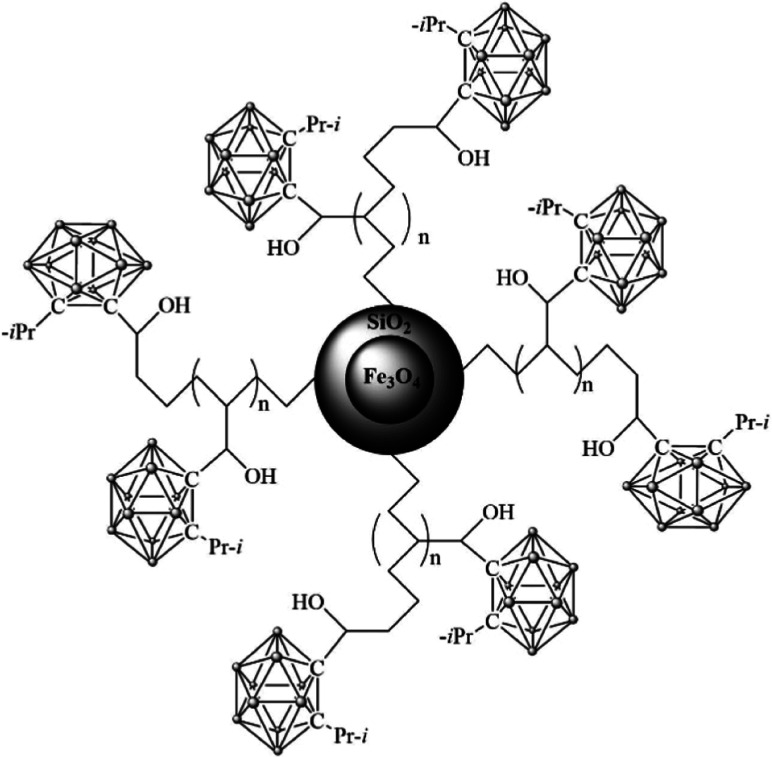 Figure 1
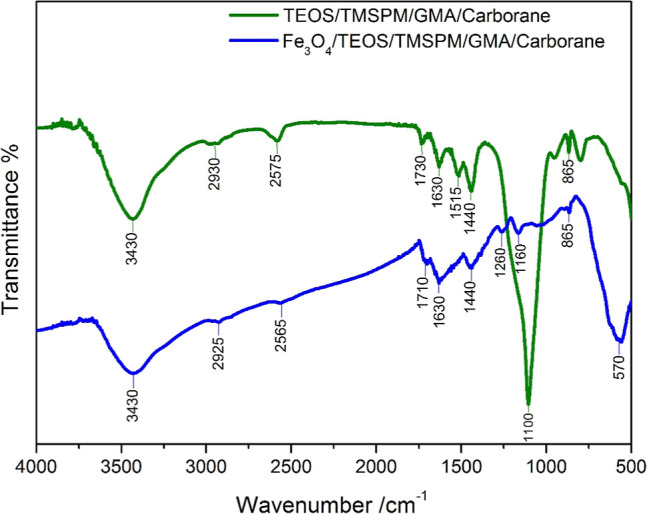 Figure 2
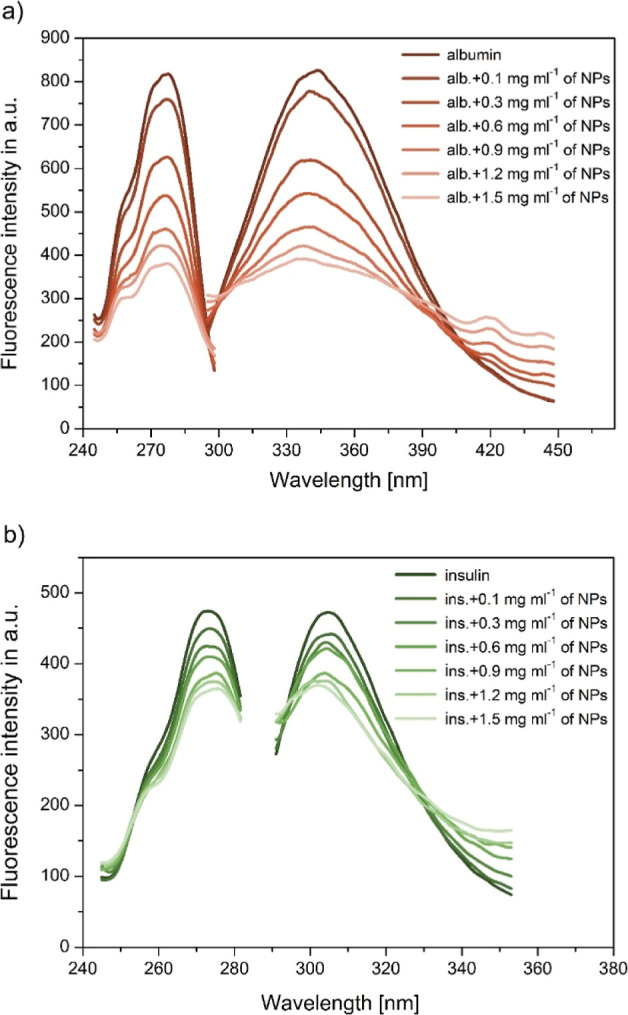 Figure 3
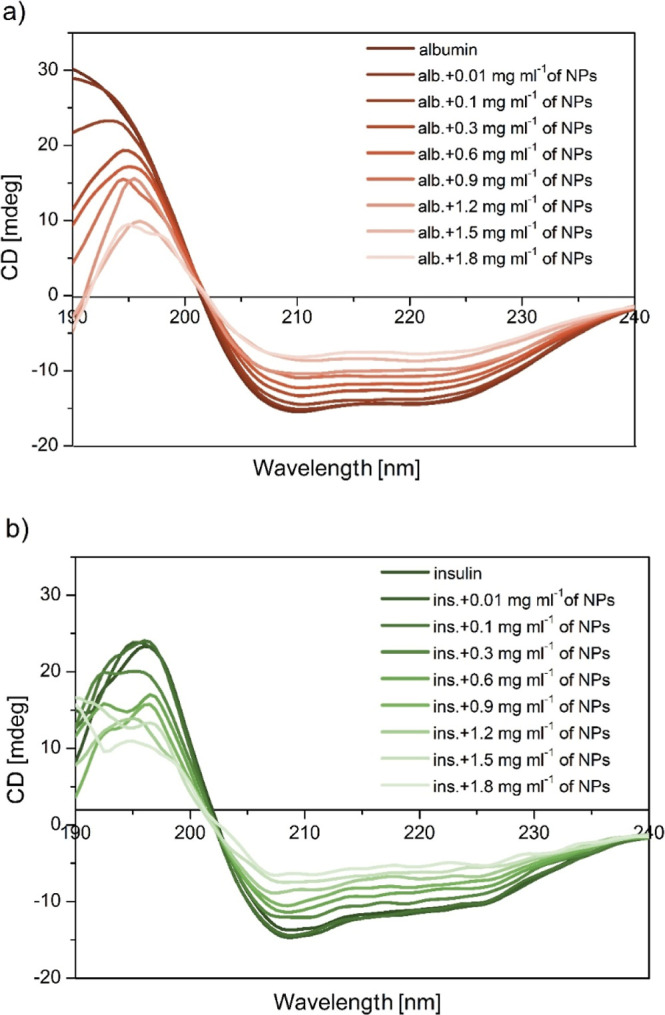 Figure 4
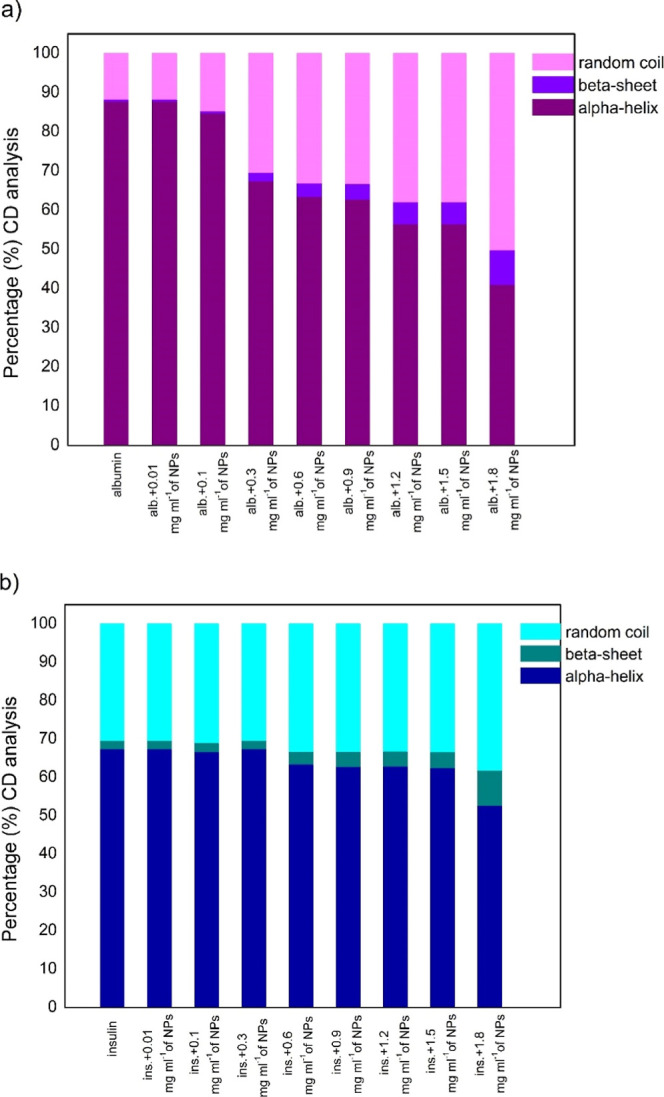 Figure 5
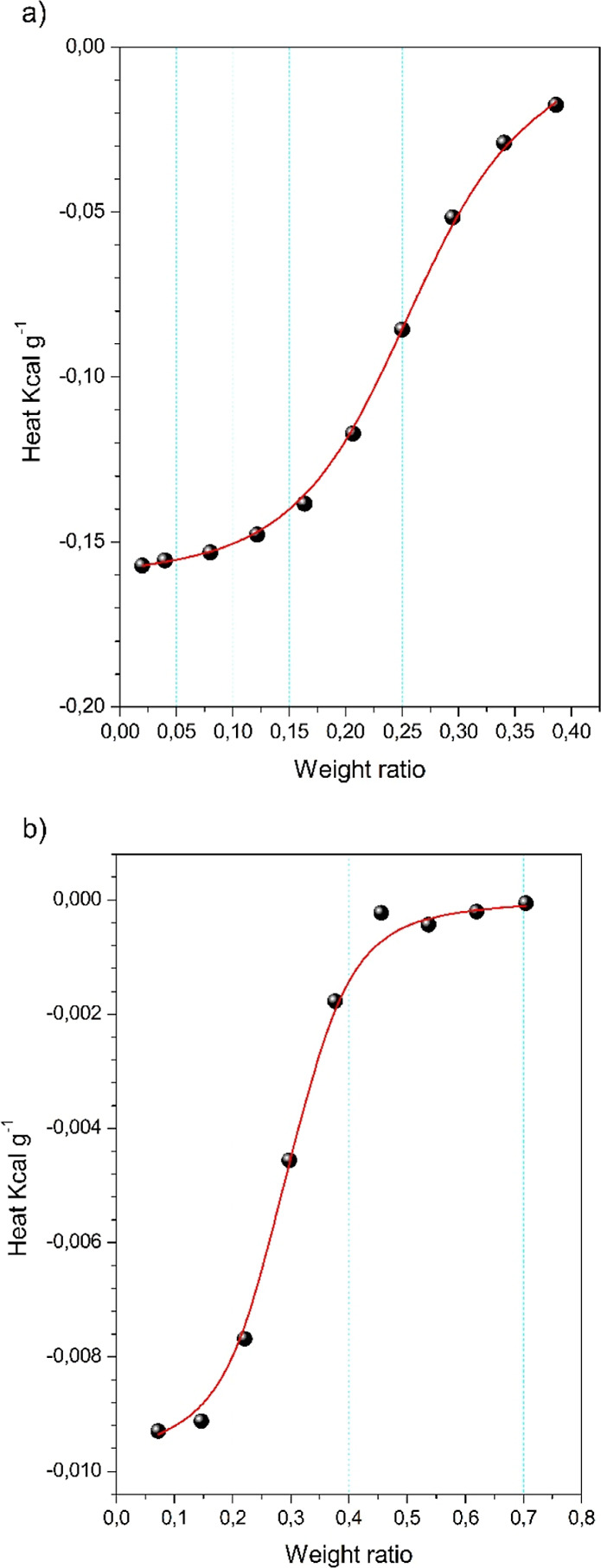 Figure 6
 Figure 7
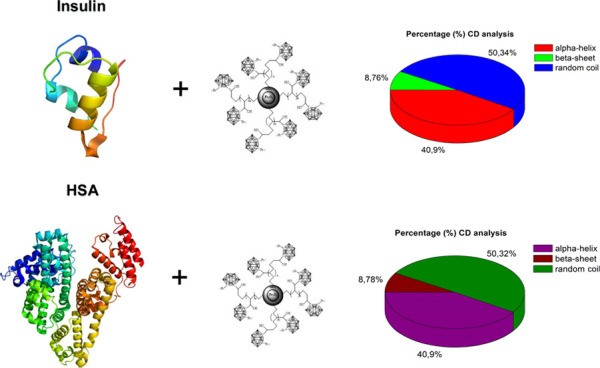 Figure 8
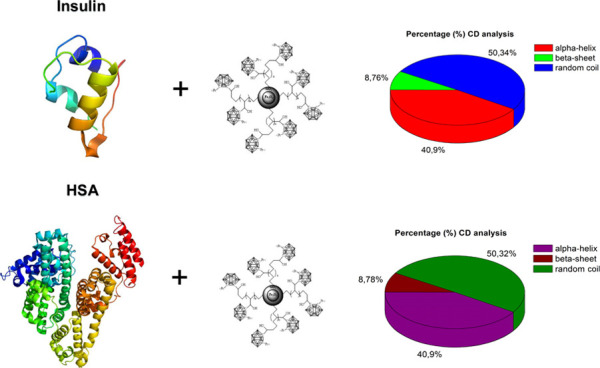 Figure 9
Peer Reviews
No public reviews on file for this paper yet. If you reviewed it on a platform where reviews are public (OpenReview, ICLR, NeurIPS, ICML), you can paste yours below so the community can read it here.
Videos
No videos yet. Explain this paper in a talk, walkthrough, or lecture? Add one.
Taxonomy
TopicsNanoparticle-Based Drug Delivery · Boron Compounds in Chemistry · Graphene and Nanomaterials Applications