Generation of Novel Fuels Optimized for High-Knock Resistance with a Long Short-Term Memory Model
Sergey Anufriev, Paul Hellier, Nicos Ladommatos

TL;DR
Researchers used a machine learning model to design new fuel molecules that resist engine knocking, incorporating known chemical features and novel structures.
Contribution
A novel approach combining LSTM and hill-climb optimization to generate high-knock-resistant fuel molecules with practical synthesis potential.
Findings
Generated molecules exhibit features like branching and aromaticity linked to knock resistance.
Unconventional structures, including ether-linked oxygenates, were discovered.
The method starts with predefined fragments to improve synthesis feasibility and resource use.
Abstract
The chemical structure of fuels significantly influences the properties of ignition and energy release during combustion, making the exploration of molecular structure–property relationships a key focus for the research and development of new sustainable fuels. Given the vast combinatorial possibilities of potential fuel candidates, prioritization is essential. This study explored the use of generative modeling to propose novel molecular structures for future fuels. Specifically, the long short-term memory (LSTM) autoregressive model was fine-tuned using a hill-climb optimization algorithm to generate structures optimized for high-knock resistance. The generated compounds, unseen during training, were evaluated for their physical properties and research octane number (RON). The generated molecules contained features commonly associated with knock resistance, such as branching and…
Genes, proteins, chemicals, diseases, species, mutations and cell lines named across the full text — each resolved to its canonical identifier and authoritative record.
Click any figure to enlarge with its caption.
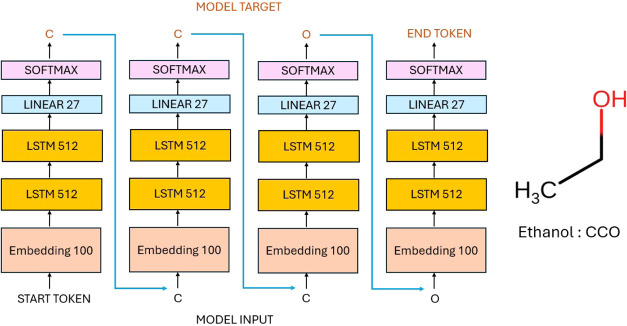 Figure 1
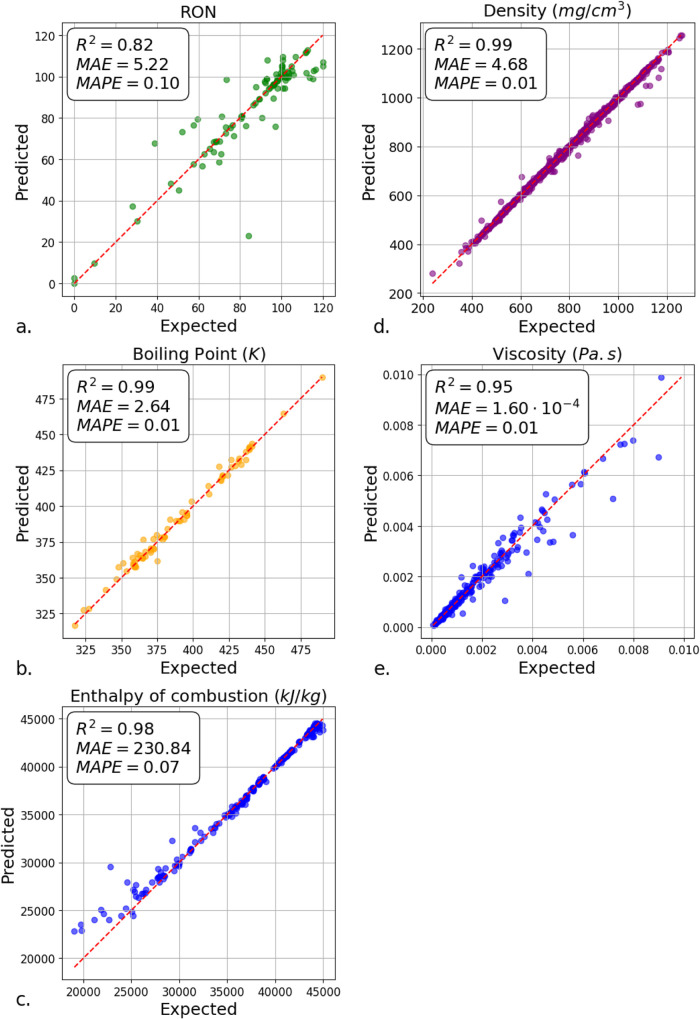 Figure 2
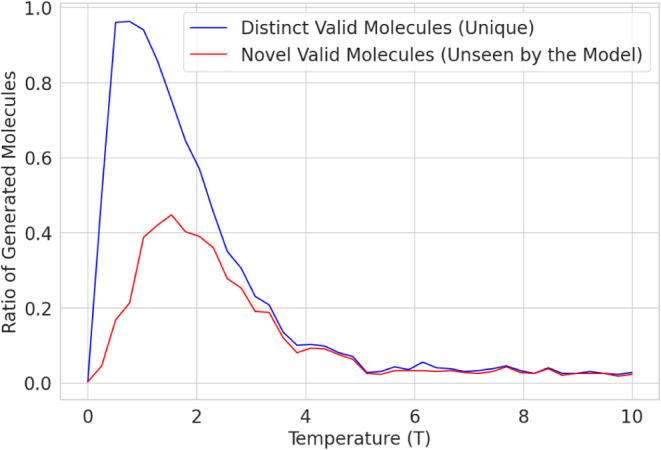 Figure 3
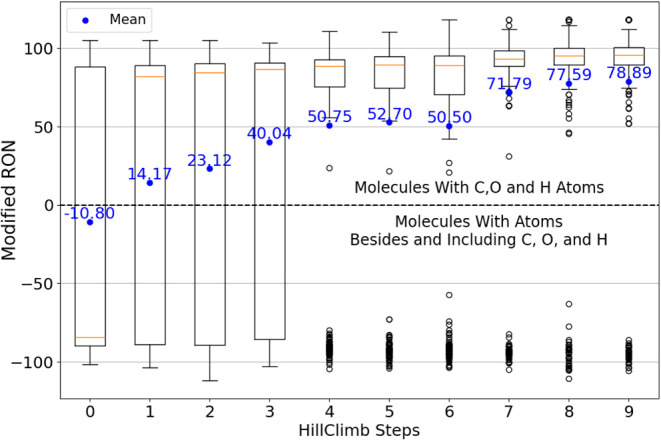 Figure 4
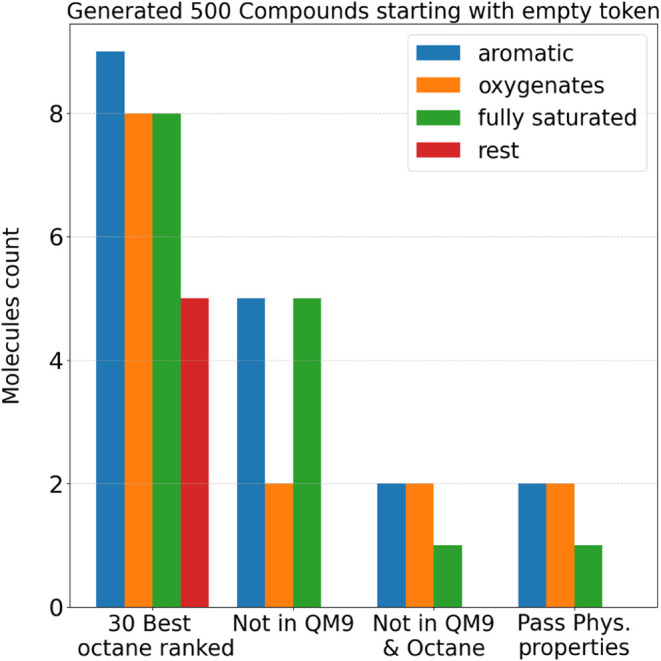 Figure 5
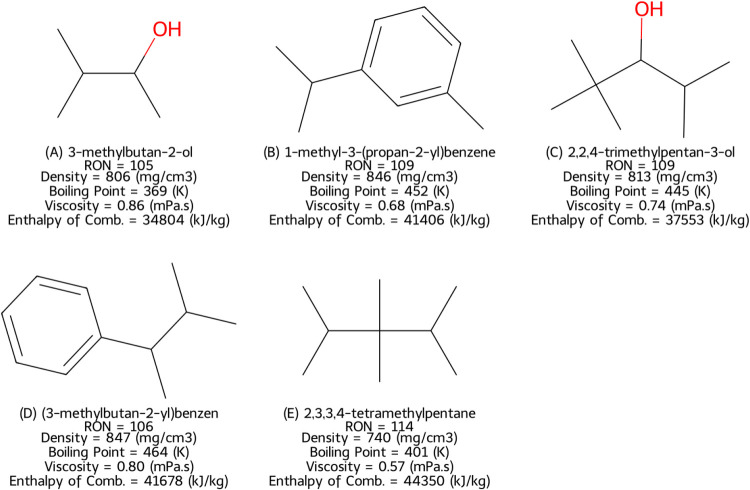 Figure 6
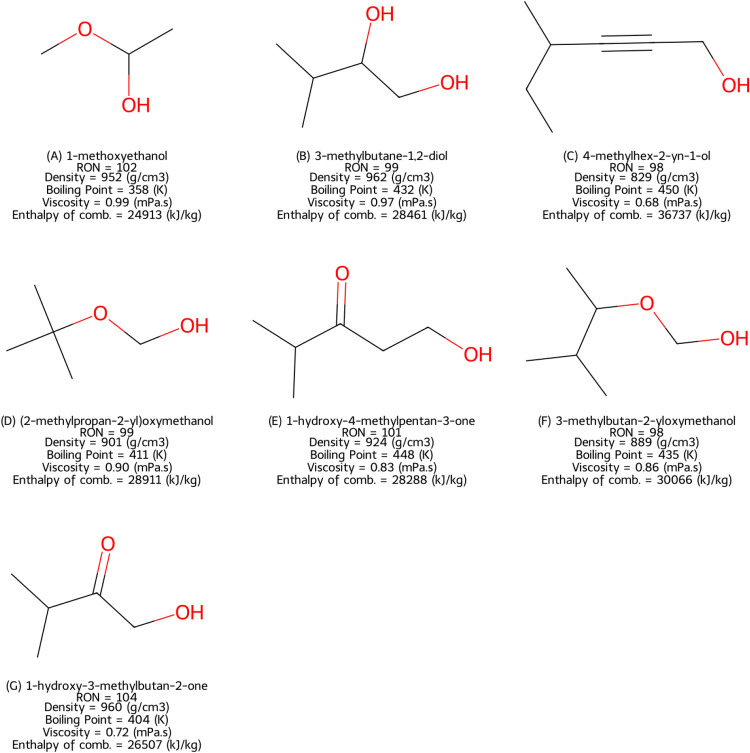 Figure 7
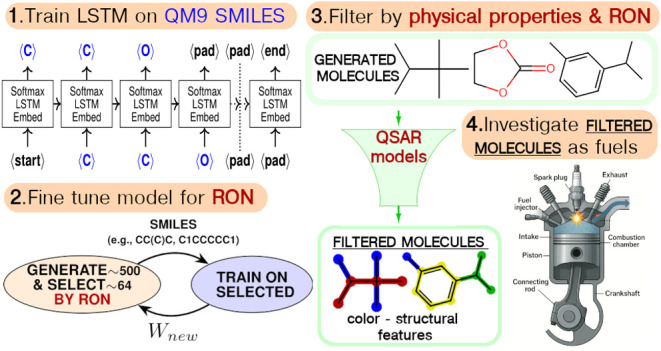 Figure 8
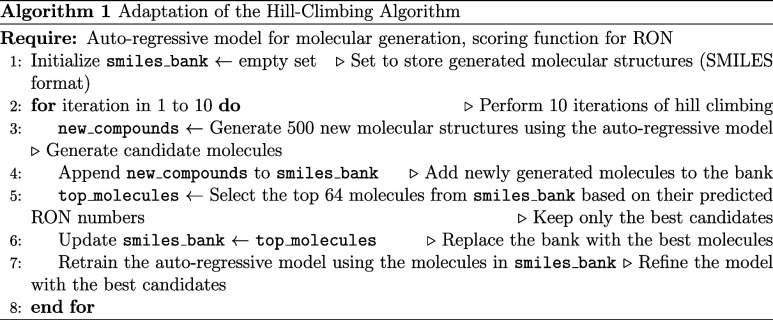 Figure 9
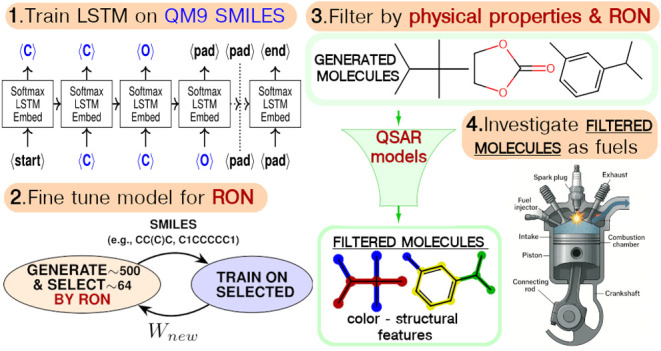 Figure 10
 Figure 11
 Figure 12
 Figure 13
 Figure 14
 Figure 15
Peer Reviews
No public reviews on file for this paper yet. If you reviewed it on a platform where reviews are public (OpenReview, ICLR, NeurIPS, ICML), you can paste yours below so the community can read it here.
Videos
No videos yet. Explain this paper in a talk, walkthrough, or lecture? Add one.
Taxonomy
TopicsMachine Learning in Materials Science · Nuclear Materials and Properties · Petroleum Processing and Analysis