Computational Guide to Optimize Electric Conductance in MoS2 Films
Alireza Ghasemifard, Agnieszka B. Kuc, Thomas Heine

TL;DR
This paper uses simulations to study how the structure of MoS2 films affects their electric conductance, helping optimize their use in nanoelectronics.
Contribution
The study introduces a computational method to optimize MoS2 film conductance by analyzing edge states and flake overlaps.
Findings
Edge states in MoS2 flakes behave like doped semiconductors, enabling control over charge carrier type.
Overlapping flakes reduce conductance, with a 6.5 nm overlap maximizing interflake conductance.
Flake geometry and chemical environment significantly impact conductance, with triangular flakes showing up to 58% reduction.
Abstract
Molybdenum disulfide (MoS2) is a high-potential material for nanoelectronic applications, especially when thinned to a few layers. Liquid-phase exfoliation enables large-scale fabrication of thin films comprising single- and few-layer flakes of MoS2 or other transition-metal dichalcogenides (TMDCs), exhibiting variations in the flake size, geometry, edge terminations, and overlapping areas. Electronic conductivity of such films is thus determined by two contributions: the intraflake conductivity, reflecting the value of each single layer, and charge transport across these overlapping flakes. Employing first-principles simulations, we investigate the influence of various edge terminations and the overlap between flakes on the charge transport in MoS2 film models. We identify characteristic electronic edge states originating from the edge atoms and their chemical environment, which…
Genes, proteins, chemicals, diseases, species, mutations and cell lines named across the full text — each resolved to its canonical identifier and authoritative record.
Click any figure to enlarge with its caption.
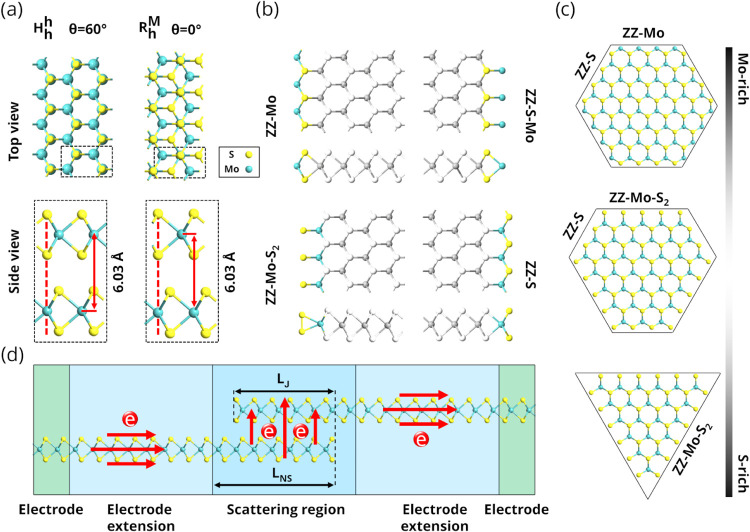 Figure 1
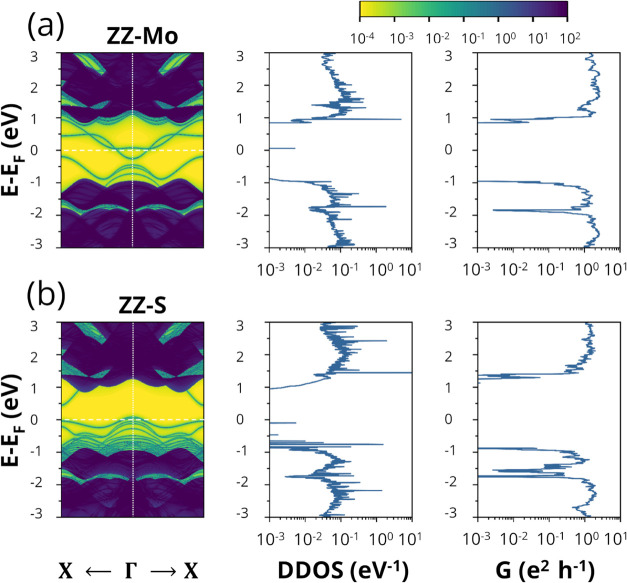 Figure 2
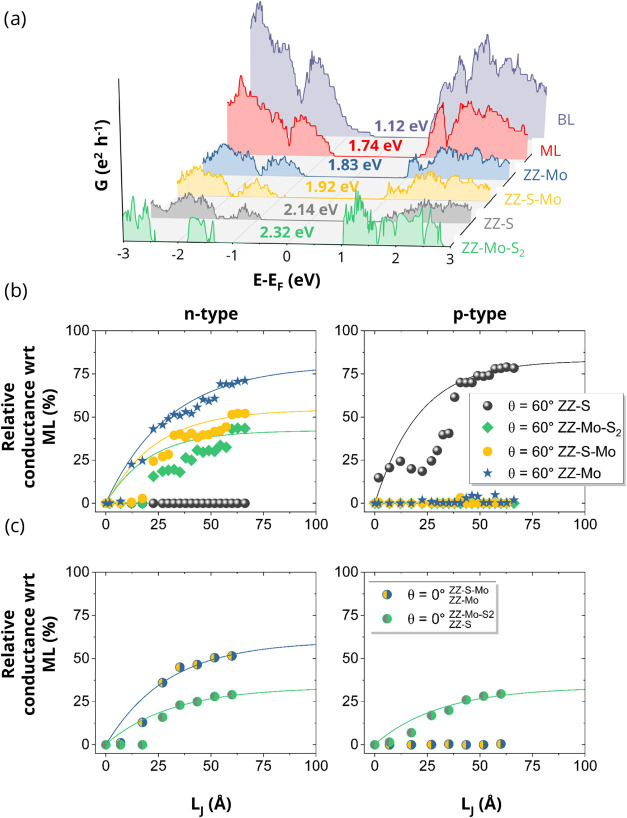 Figure 3
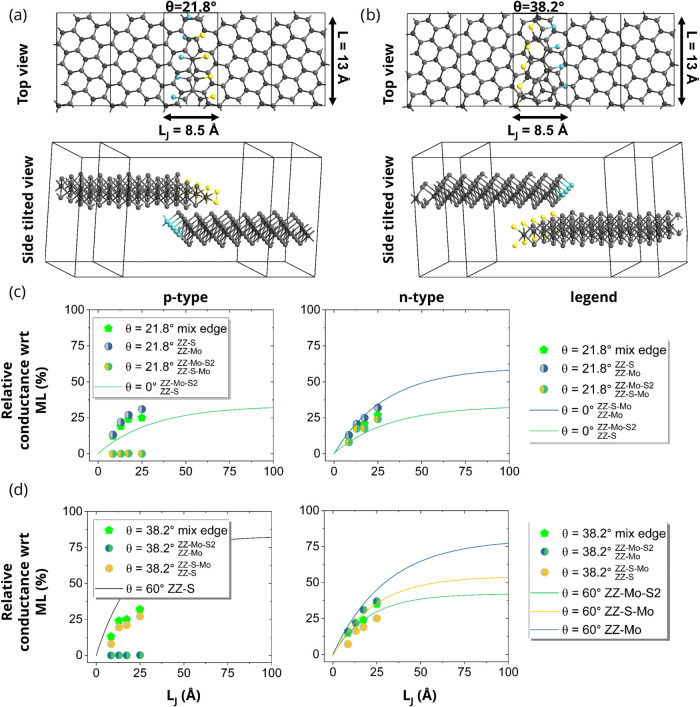 Figure 4
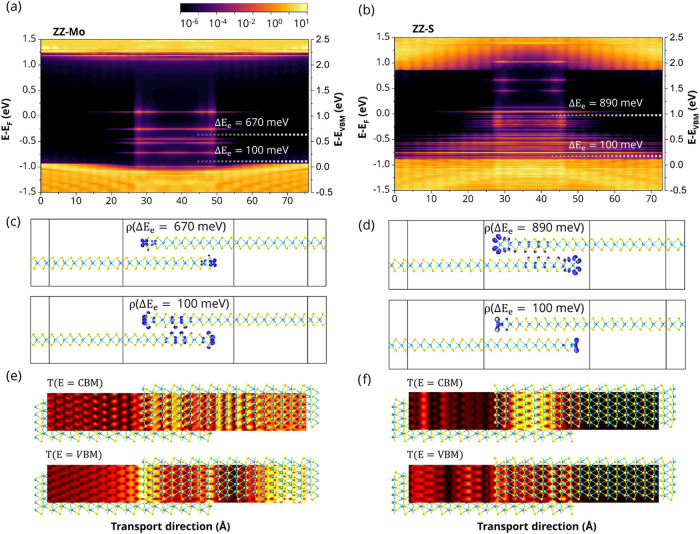 Figure 5
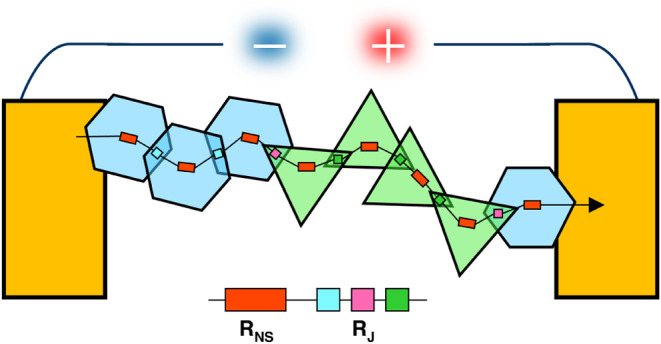 Figure 6
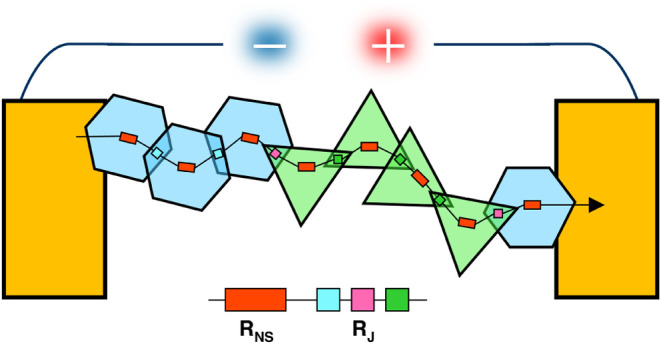 Figure 7
 Figure 8
 Figure 9
 Figure 10
 Figure 11
 Figure 12
 Figure 13
Peer Reviews
No public reviews on file for this paper yet. If you reviewed it on a platform where reviews are public (OpenReview, ICLR, NeurIPS, ICML), you can paste yours below so the community can read it here.
Videos
No videos yet. Explain this paper in a talk, walkthrough, or lecture? Add one.
Taxonomy
Topics2D Materials and Applications · MXene and MAX Phase Materials · Machine Learning in Materials Science