CD8+ T cells promote tubule-interstitial damage in malaria-induced acute kidney injury
Douglas Esteves Teixeira, Sarah Aparecida dos Santos Alves, Alessandro Sá Pinheiro, Leandro Souza Silva, Rodrigo Pacheco Silva-Aguiar, Diogo Barros Peruchetti, Tatiana Almeida Pádua, Mariana Conceição Souza, Celso Caruso-Neves, Ana Acacia Sá Pinheiro

TL;DR
This study shows that CD8+ T cells contribute to kidney damage in malaria patients, offering new insights into the disease's progression and potential treatments.
Contribution
The study identifies CD8+ T cells as key drivers of tubule-interstitial injury in malaria-induced kidney damage.
Findings
Transferring T cells from infected mice to healthy ones caused kidney tubule damage without affecting glomerular function.
Depleting CD8+ T cells in infected mice protected against tubular injury but not glomerular damage.
FTY720 treatment reduced markers of tubular injury without affecting glomerular markers.
Abstract
Malaria acute kidney injury (MAKI) is associated with severe malaria and correlates with poor prognosis and death of patients infected with Plasmodium falciparum. The pathogenesis of MAKI is not completely understood but some hypotheses are well recognized. Host–parasite interactions lead to mechanical obstruction, disorders in the renal microcirculation, and immune-mediated glomerular injury. We investigated the influence of CD8⁺ T cells in the pathogenesis of malaria-induced renal disease. To assess the role of T lymphocytes in MAKI pathogenesis, we used adoptive transfer; antibody-driven CD8+ T cells depletion and treatment with FYT720. The transference of total T cells isolated from malaria-infected donor mice into naive recipient animals reproduced kidney tubule-interstitial damage without affecting glomerular function. It was associated with increased accumulation of CD8+ T…
Genes, proteins, chemicals, diseases, species, mutations and cell lines named across the full text — each resolved to its canonical identifier and authoritative record.
Click any figure to enlarge with its caption.
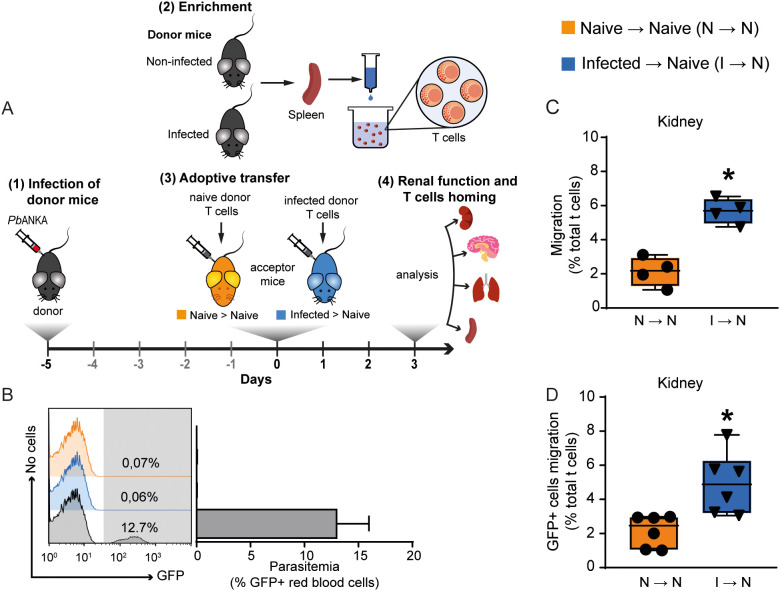 Figure 1
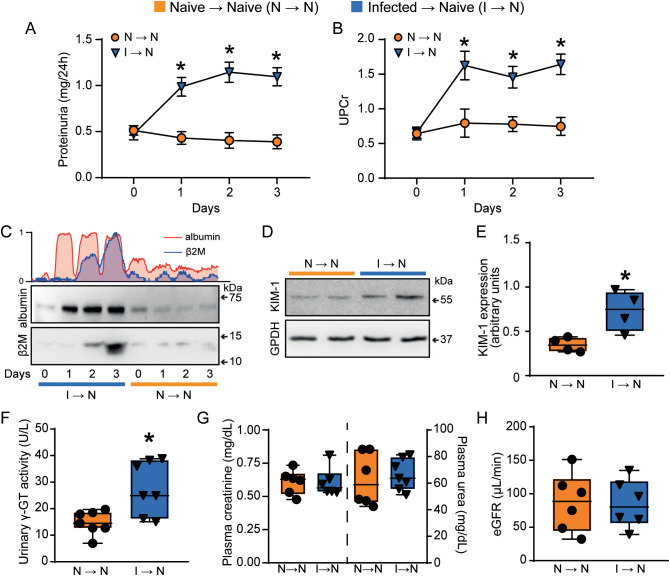 Figure 2
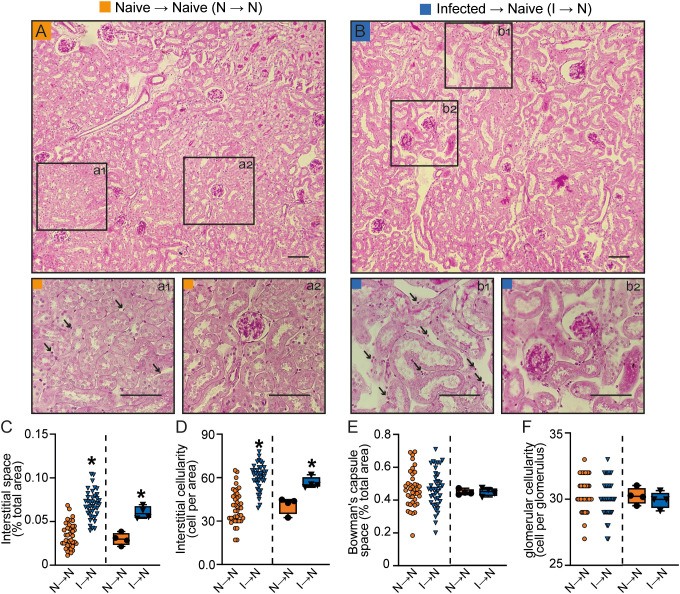 Figure 3
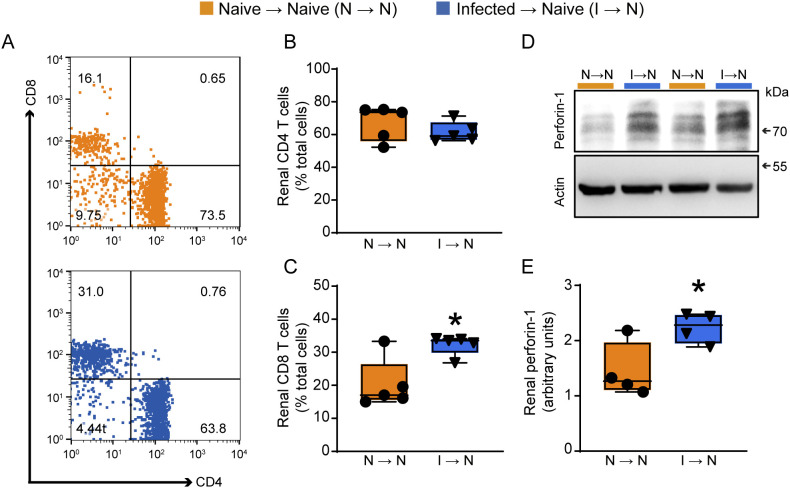 Figure 4
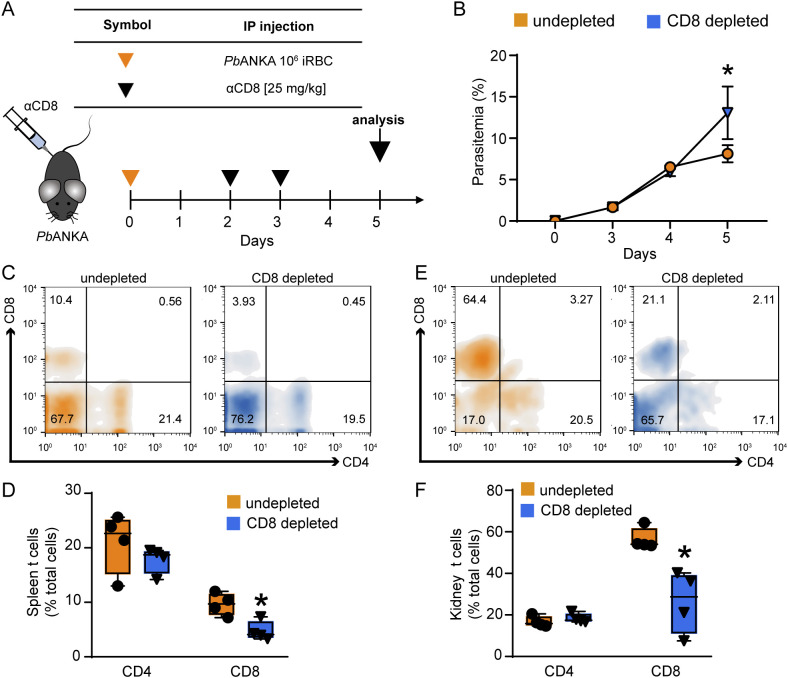 Figure 5
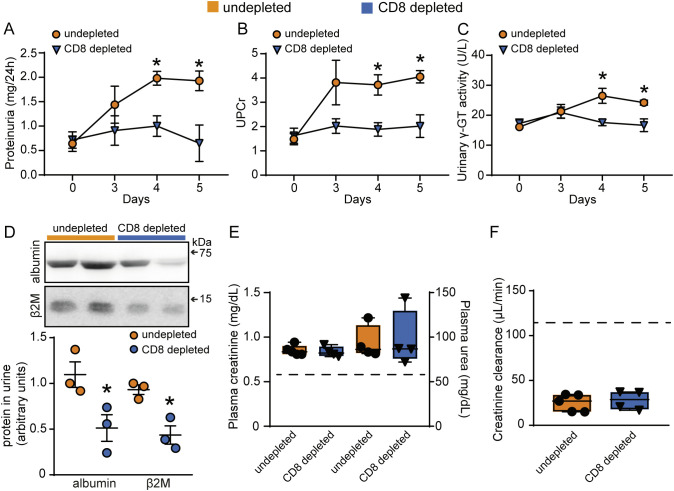 Figure 6
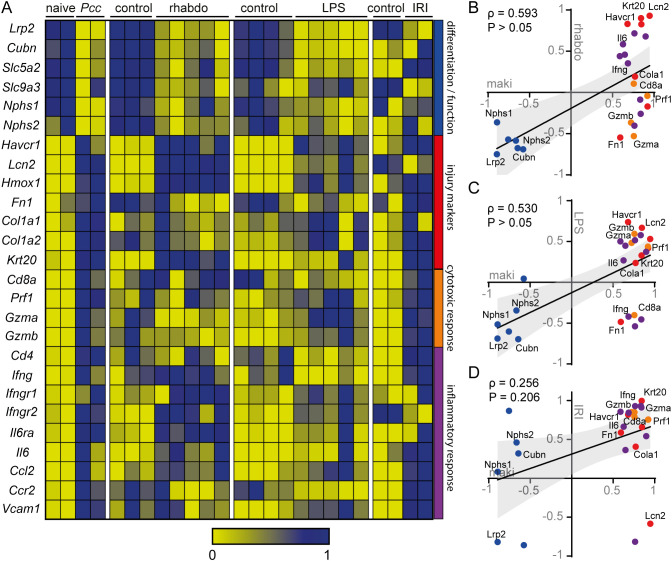 Figure 7
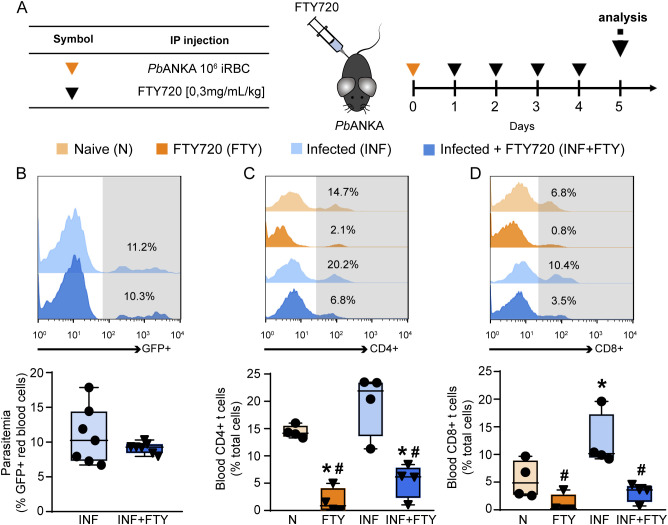 Figure 8
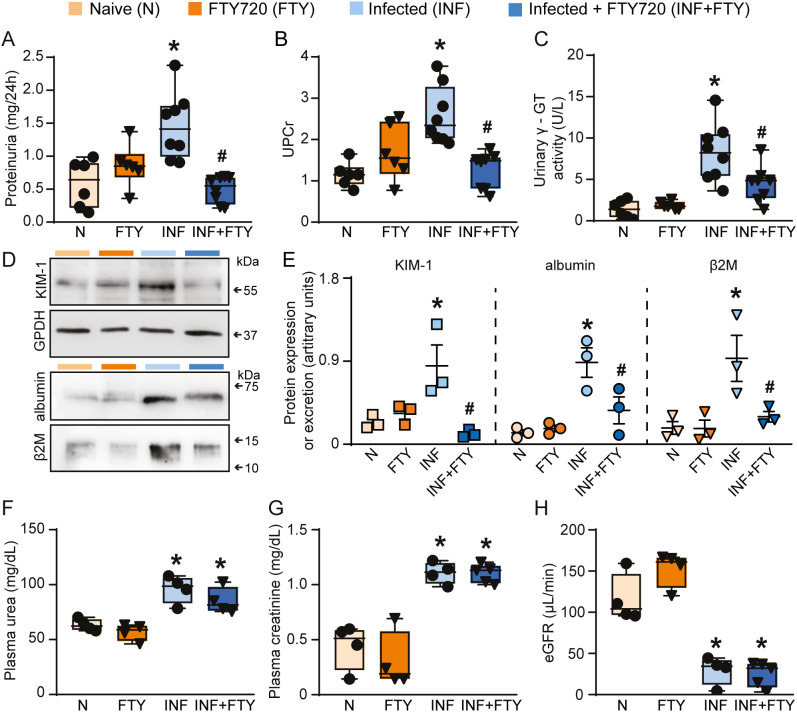 Figure 9
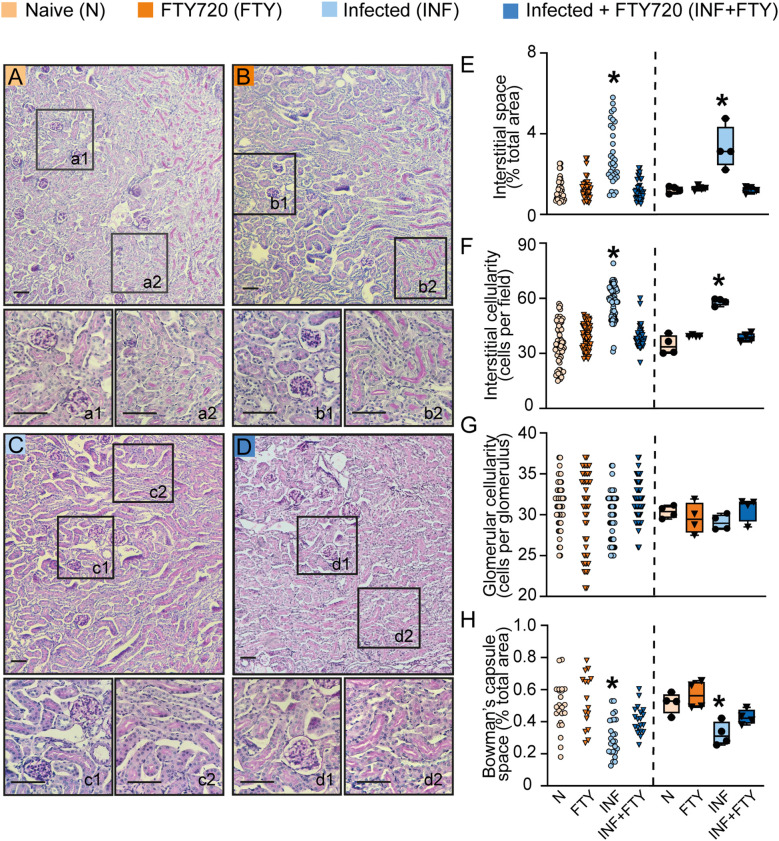 Figure 10
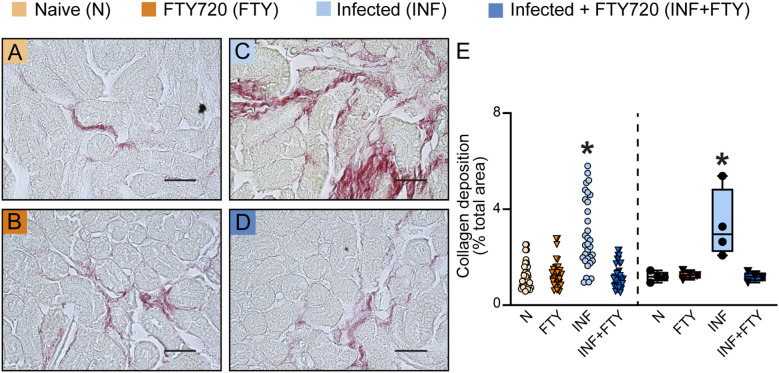 Figure 11
Peer Reviews
No public reviews on file for this paper yet. If you reviewed it on a platform where reviews are public (OpenReview, ICLR, NeurIPS, ICML), you can paste yours below so the community can read it here.
Videos
No videos yet. Explain this paper in a talk, walkthrough, or lecture? Add one.
Taxonomy
TopicsMalaria Research and Control · Mosquito-borne diseases and control · Complement system in diseases