Label‐Free Proteomic Profiling of the dvls2 (CL2006) Caenorhabditis elegans Alzheimer's Disease (AD) Model Reveals Conserved Molecular Signatures Shared With the Human AD Brain
Iverson Conrado Bezerra, Emily Raphaely Souza dos Santos, Katarine G. Aurista do Nascimento, Artur José da Silva, Josivan Barbosa de Farias, Maria Luiza de Lima Vitorino, Roberto Afonso da Silva, José Luiz de Lima Filho, Priscila Gubert

TL;DR
This study uses a worm model of Alzheimer's to find shared protein changes with human AD, identifying eEF-2 as a key player.
Contribution
First proteomic characterization of the dvls2 (CL2006) C. elegans AD model with cross-species comparison to human AD data.
Findings
543 differentially regulated proteins were identified in the dvls2 (CL2006) strain.
eEF-2 was identified as a conserved key regulator in both human AD and the C. elegans model.
Shared molecular signatures include altered metabolism and protein homeostasis.
Abstract
Alzheimer's disease (AD) is the most common form of dementia, posing significant challenges to cognitive, emotional, social, and financial well‐being. The biochemical and molecular pathways associated with AD are complex, making it difficult to study and simulate in patients or through in vitro research. Thus, animal models play a crucial role in investigating the development and progression of AD. One widely used model in neuroscience studies is the free‐living nematode Caenorhabditis elegans ( C. elegans ). The development of transgenic animals has allowed for the construction of the dvls2 (CL2006) C. elegans strain, which constitutively expresses the amyloid beta (Aβ) peptide. This study conducted a proteomic analysis on the dvls2 (CL2006) strain. Also, a cross‐species comparative analysis was performed using microarray data from AD patients to identify genes with ontology in the…
Genes, proteins, chemicals, diseases, species, mutations and cell lines named across the full text — each resolved to its canonical identifier and authoritative record.
Click any figure to enlarge with its caption.
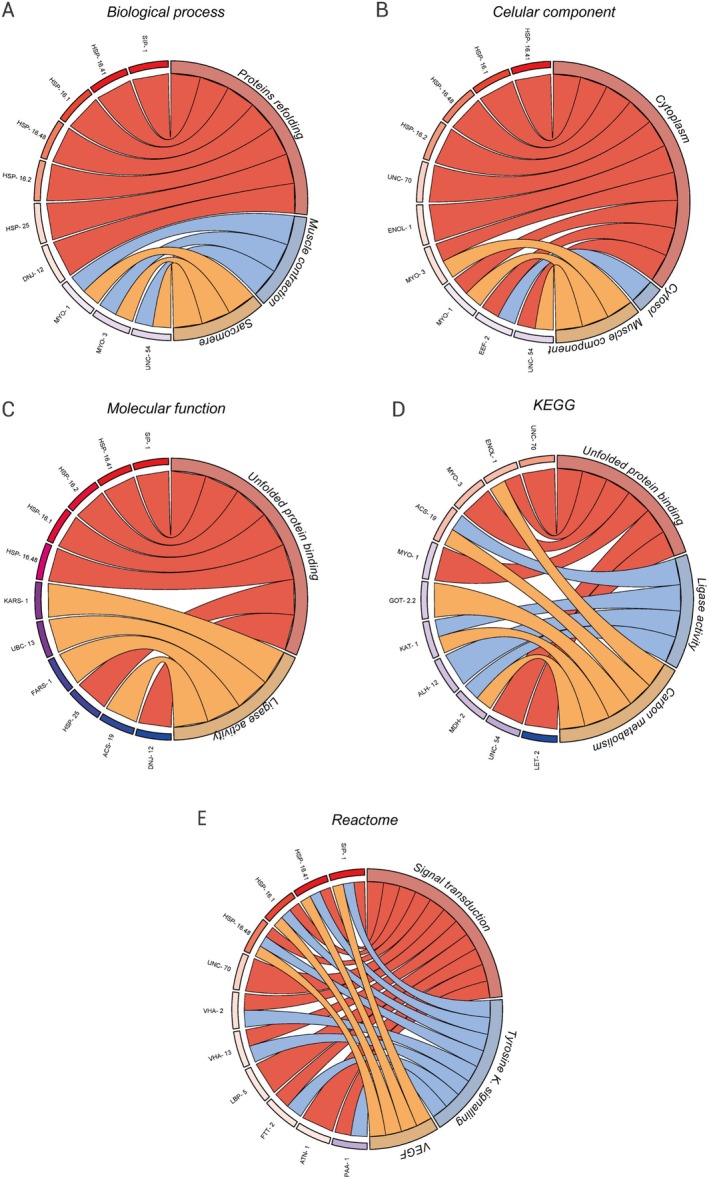 Figure 1
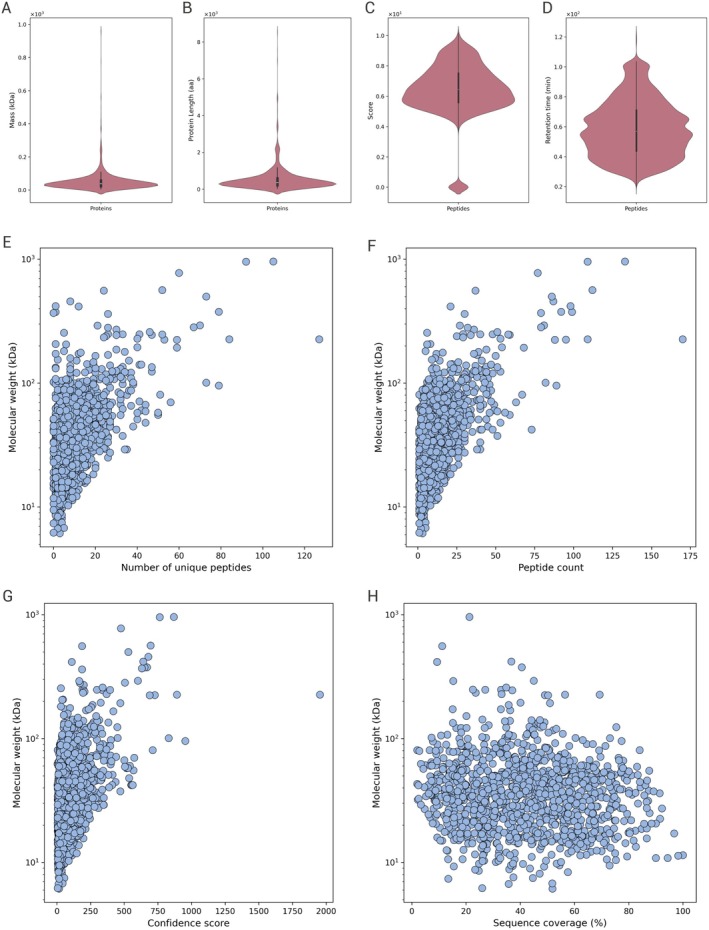 Figure 2
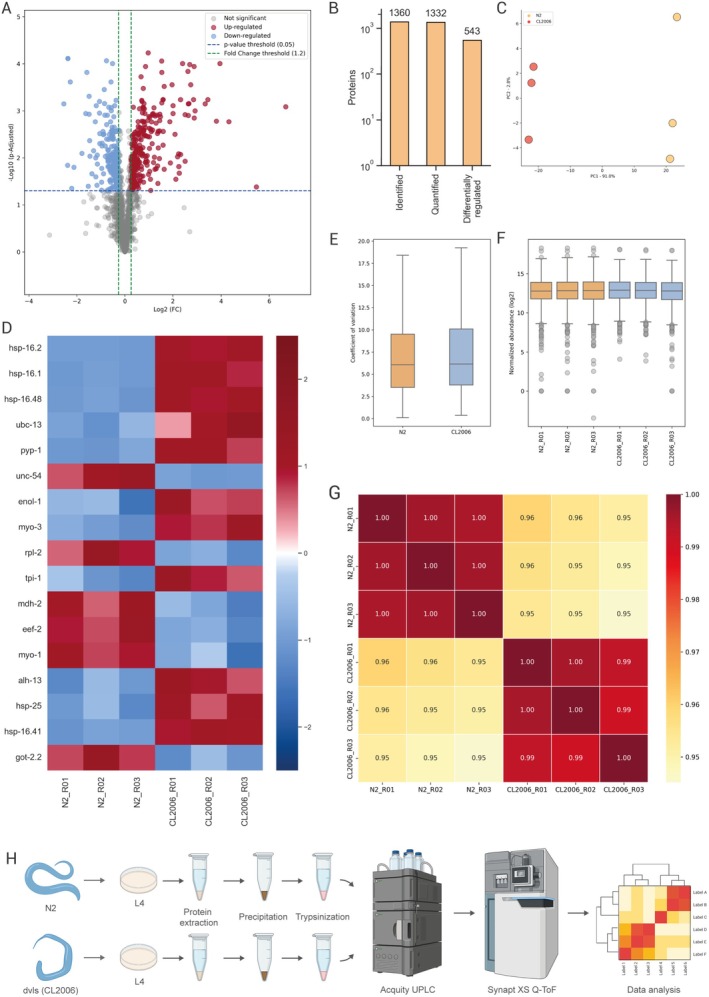 Figure 3
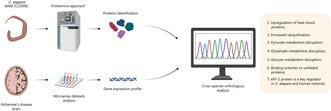 Figure 4
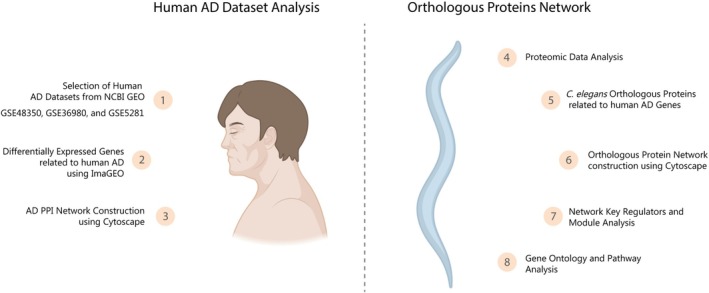 Figure 5
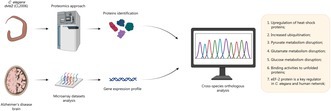 Figure 6
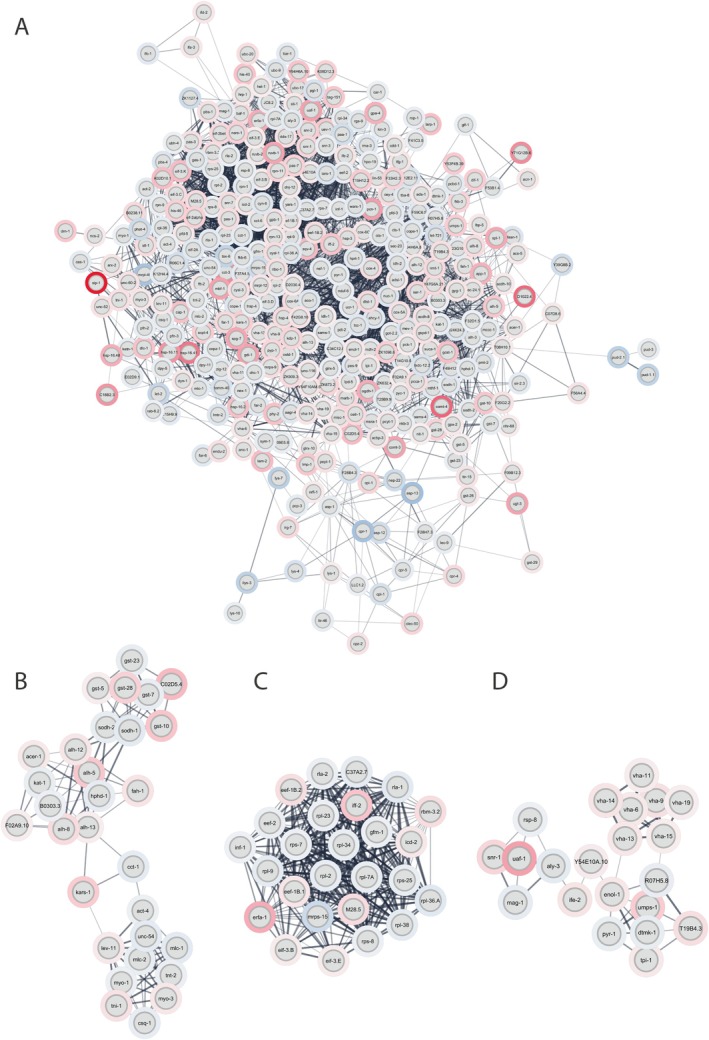 Figure 7
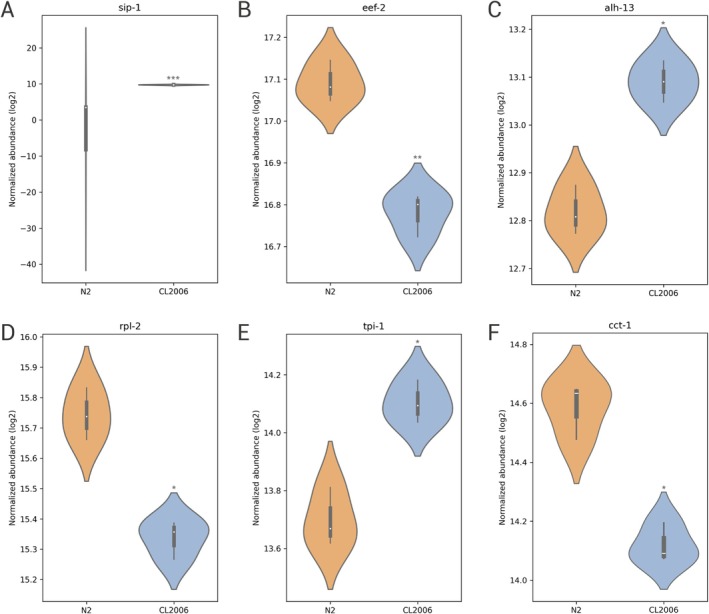 Figure 8
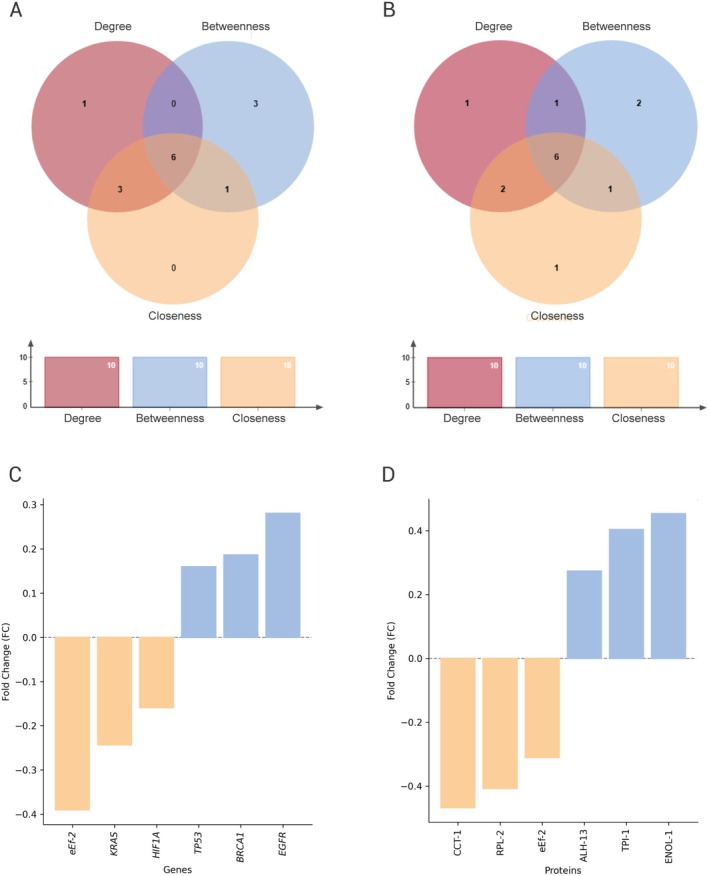 Figure 9
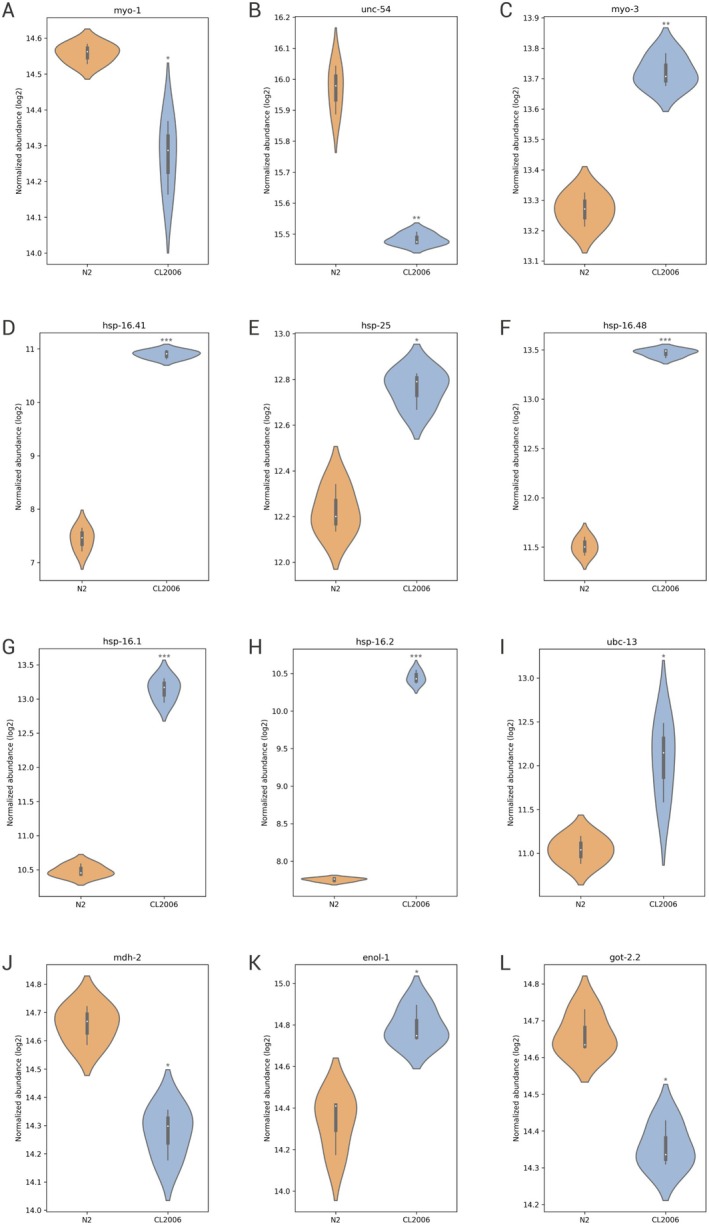 Figure 10
Peer Reviews
No public reviews on file for this paper yet. If you reviewed it on a platform where reviews are public (OpenReview, ICLR, NeurIPS, ICML), you can paste yours below so the community can read it here.
Videos
No videos yet. Explain this paper in a talk, walkthrough, or lecture? Add one.
Taxonomy
TopicsGenetics, Aging, and Longevity in Model Organisms · Alzheimer's disease research and treatments · Biochemical Acid Research Studies