Mazabraud Syndrome: A Case Report With 23 Years of Follow-Up
Fotios A Tilkidis, Dimitrios I Gelalis, Ioannis K Koumoulidis, Daphne J Theodorou, Stavroula J Theodorou, Ioannis S Gkiatas, Dimitrios V Kosmas, Emilios E Pakos, Ioannis D Gelalis

TL;DR
A woman with fibrous dysplasia developed multiple intramuscular myxomas over 23 years, highlighting the need for long-term monitoring in Mazabraud syndrome.
Contribution
This case report provides a long-term follow-up of Mazabraud syndrome emphasizing the importance of monitoring for lesion progression.
Findings
The patient developed multiple intramuscular myxomas over two decades following a diagnosis of polyostotic fibrous dysplasia.
Conservative management and radiologic imaging were used to monitor disease progression without surgical excision.
The case highlights the necessity of long-term follow-up to detect potential malignant transformation of lesions.
Abstract
Mazabraud syndrome is a rare condition characterized by the coexistence of fibrous dysplasia (FD) and intramuscular myxomas. A 46-year-old woman, initially diagnosed with polyostotic FD at the age of 23, developed a palpable mass on her left arm 15 years later, which proved to be an intramuscular myxoma. A diagnosis of Mazabraud syndrome was made. Over the following two decades, she developed additional intramuscular myxomas. The patient denied surgical excision of the soft tissue lesions and was managed conservatively for symptomatic FD. Radiologic imaging, including MRI and ultrasound, played a crucial role in the diagnosis and the assessment of disease progression. Although both FD and myxomas are benign musculoskeletal abnormalities, close follow-up of the patients is essential to monitor changes in the number, distribution, and extent of lesions that may occasionally undergo…
Genes, proteins, chemicals, diseases, species, mutations and cell lines named across the full text — each resolved to its canonical identifier and authoritative record.
Click any figure to enlarge with its caption.
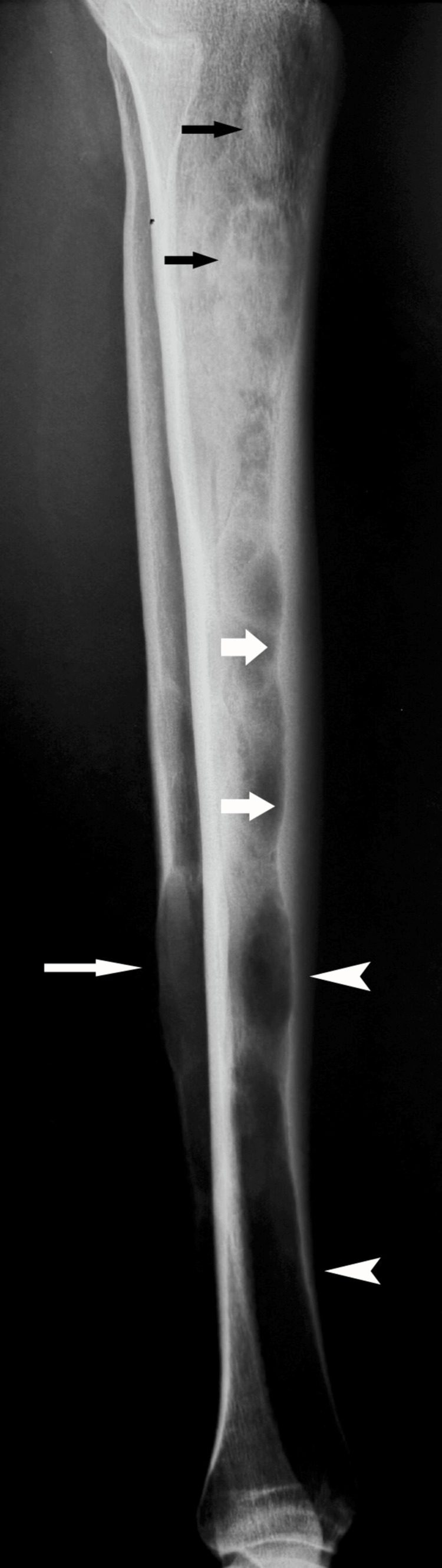 Figure 1
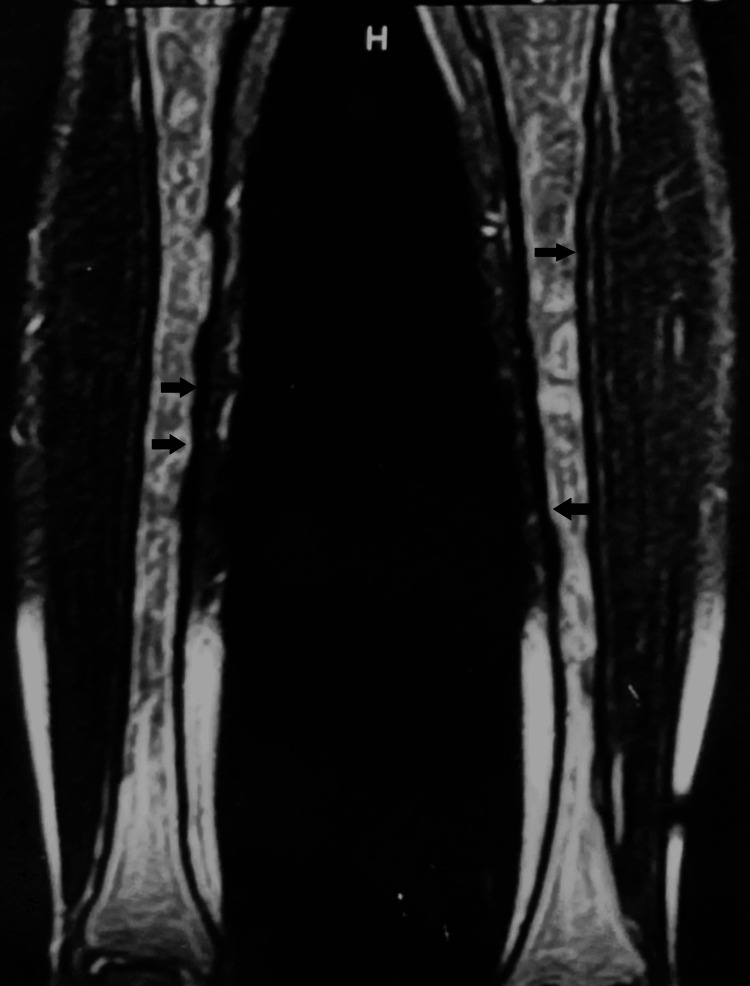 Figure 2
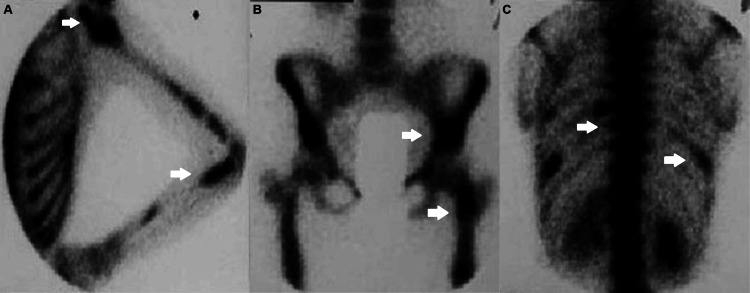 Figure 3
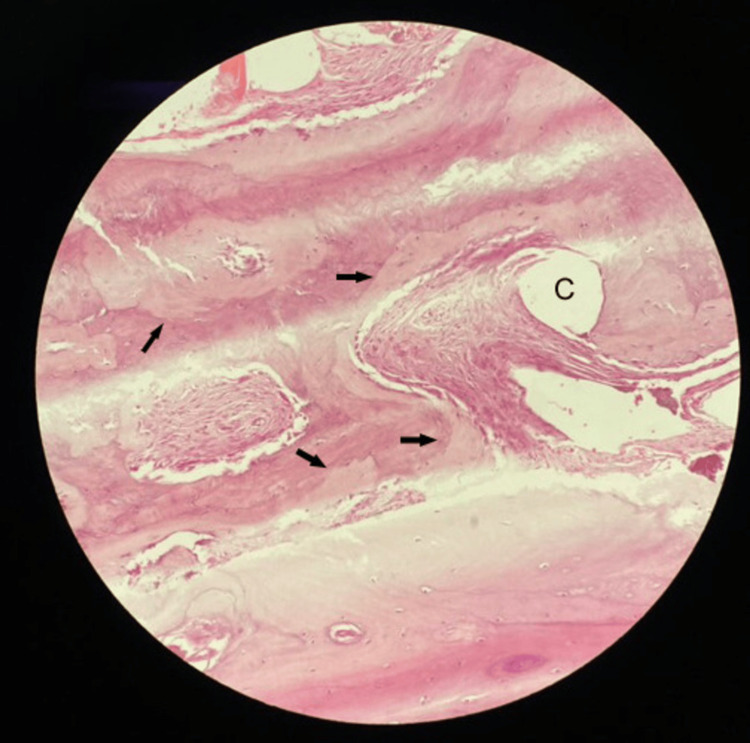 Figure 4
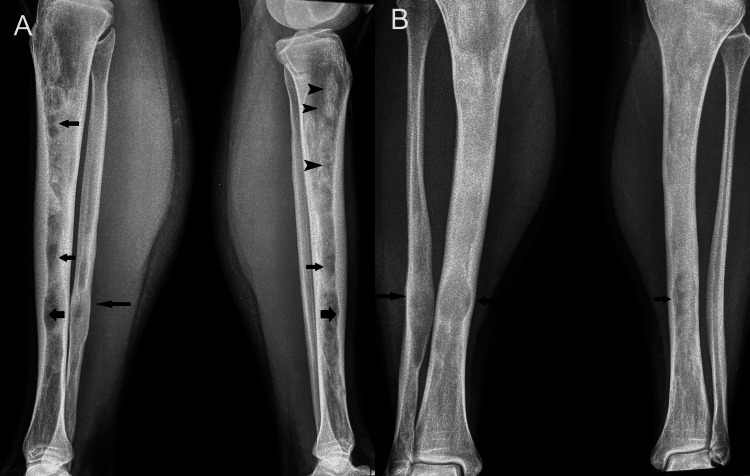 Figure 5
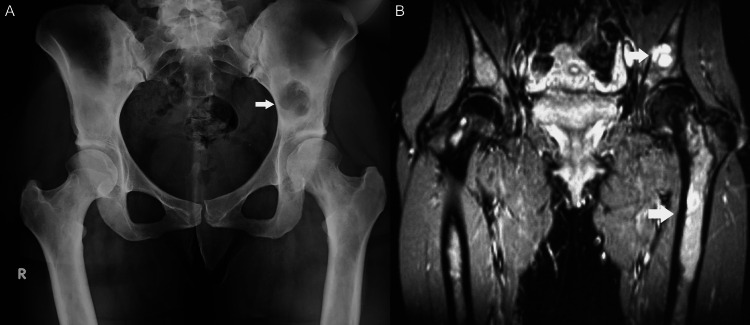 Figure 6
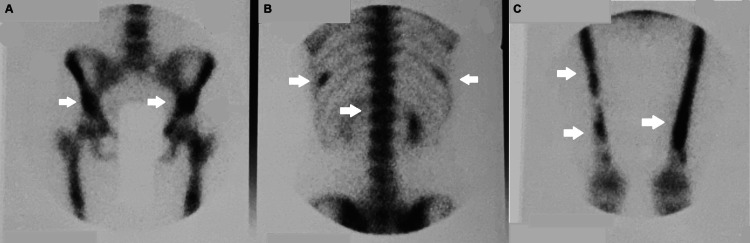 Figure 7
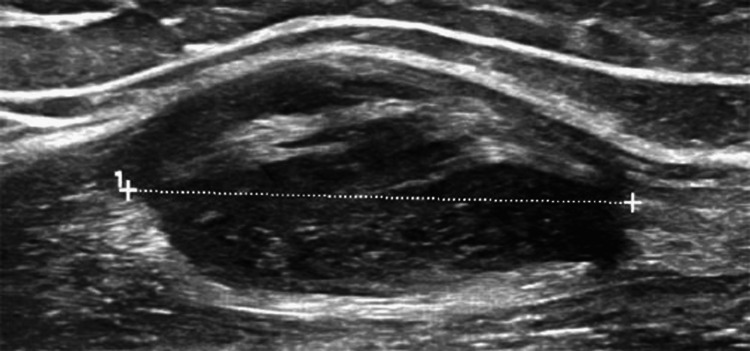 Figure 8
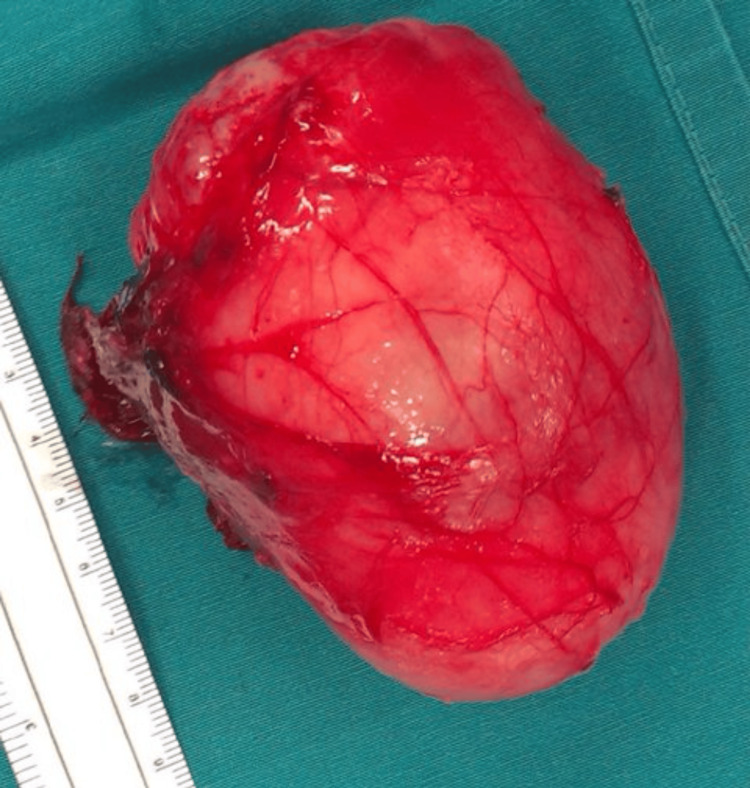 Figure 9
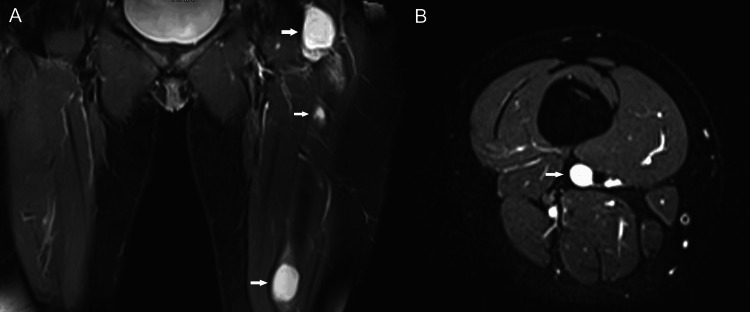 Figure 10
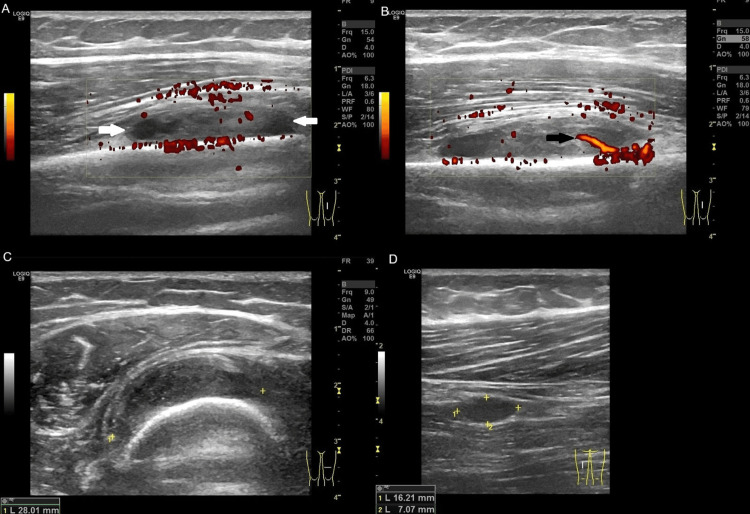 Figure 11
Peer Reviews
No public reviews on file for this paper yet. If you reviewed it on a platform where reviews are public (OpenReview, ICLR, NeurIPS, ICML), you can paste yours below so the community can read it here.
Videos
No videos yet. Explain this paper in a talk, walkthrough, or lecture? Add one.
Taxonomy
TopicsBone Tumor Diagnosis and Treatments · Neurofibromatosis and Schwannoma Cases · Multiple Myeloma Research and Treatments