Prioritizing disease-associated missense variants with chemoproteomic-detected amino acids
Maria F. Palafox, Lisa Boatner, Blake R. Wilde, Heather Christofk, Keriann M. Backus, Valerie A. Arboleda

TL;DR
This study shows that chemoproteomic data can help identify disease-related protein variants, improving variant interpretation and drug development.
Contribution
The study introduces the use of chemoproteomic amino acid reactivity to prioritize disease-associated missense variants.
Findings
Genes with chemoproteomic-detected amino acids are enriched for monogenic-disease phenotypes.
CpDAAs are enriched near known pathogenic variants in 1D and 3D protein structures.
Regions around CpDAAs in FH are enriched for VUSs and pathogenic variants, validated by altered oligomerization.
Abstract
Missense variants are the most common type of protein-altering genetic variation. Due to their wide-ranging potential functional consequences, missense variants are challenging to interpret and, as a result, are often classified as unknown pathogenicity or as variants of uncertain significance (VUSs). Genomic-based predictive tools have made significant inroads into the challenge of accurately pinpointing functional missense variants by providing genome-wide assessments of deleteriousness or potential pathogenicity. Complementary to these tools, here we provide an initial study into the utility of harnessing protein-based measures of amino acid reactivity to delineate functionally significant missense variants. These reactivity measurements, which are generated using mass spectrometry-based chemoproteomic methods, have already proved capable of pinpointing functional sites on proteins,…
Genes, proteins, chemicals, diseases, species, mutations and cell lines named across the full text — each resolved to its canonical identifier and authoritative record.
Click any figure to enlarge with its caption.
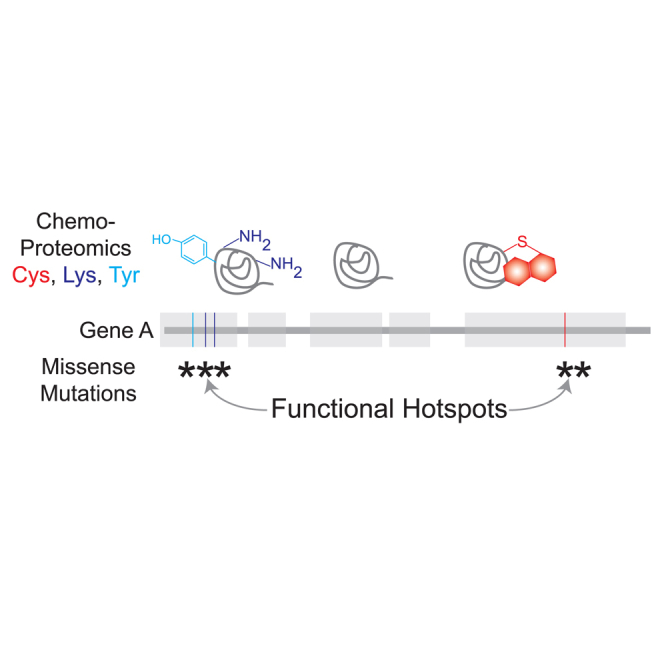 Figure 1
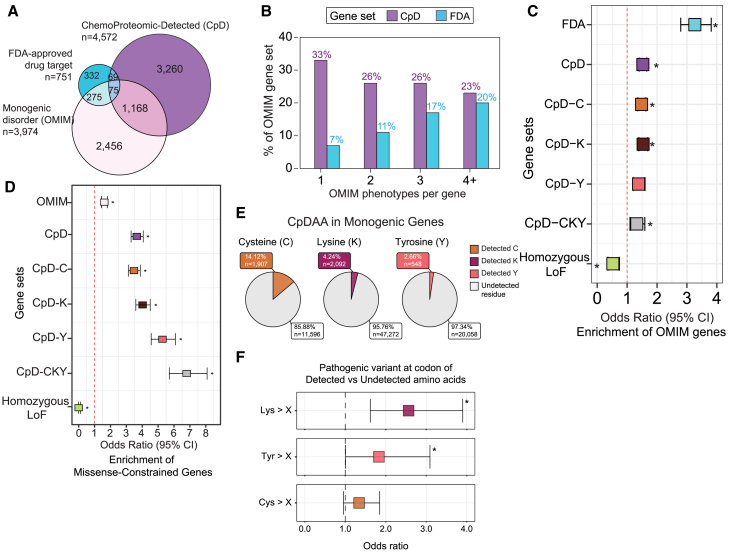 Figure 2
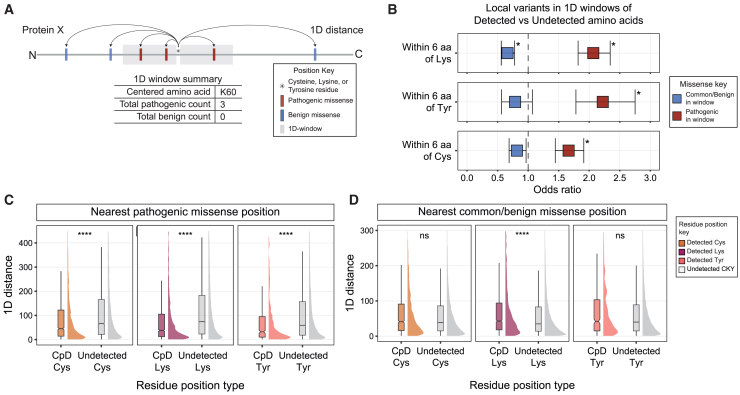 Figure 3
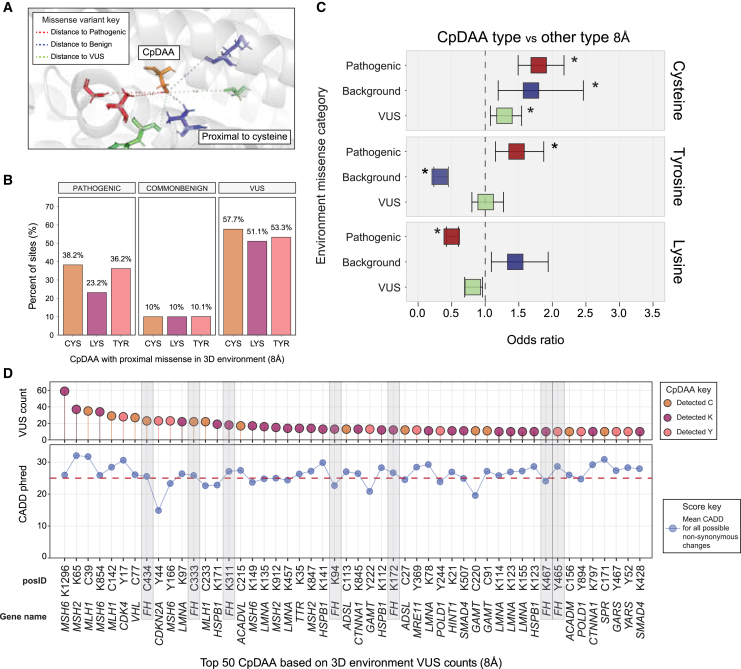 Figure 4
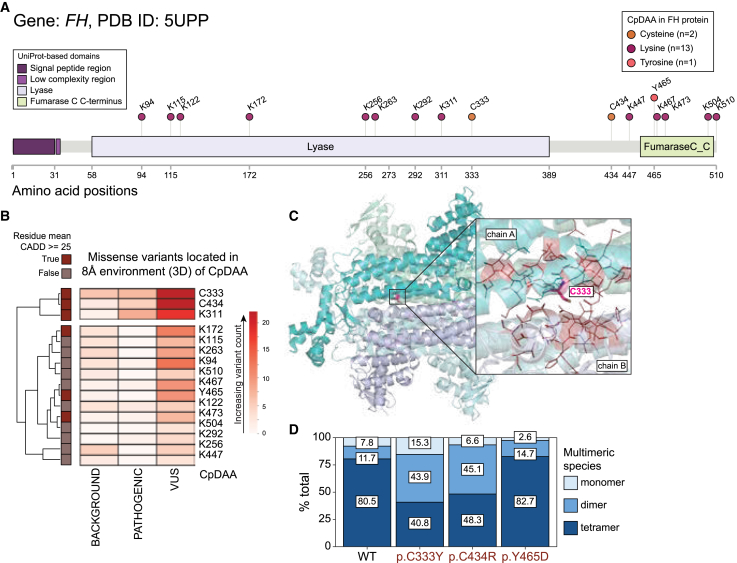 Figure 5
Peer Reviews
No public reviews on file for this paper yet. If you reviewed it on a platform where reviews are public (OpenReview, ICLR, NeurIPS, ICML), you can paste yours below so the community can read it here.
Videos
No videos yet. Explain this paper in a talk, walkthrough, or lecture? Add one.
Taxonomy
TopicsGenomics and Rare Diseases · RNA and protein synthesis mechanisms · Cancer Genomics and Diagnostics