Novel stereo DIC characterisation of microneedle and hypodermic needle insertion
Megan McNamee, Thomas Pritchard, Jacob Mitchell, Chris Bolton, Kerry Roberts, Owen Guy, Huma Ashraf, Hari Arora

TL;DR
This study compares the strain on skin from microneedles and hypodermic needles, finding microneedles cause significantly less strain.
Contribution
A novel digital image correlation setup was used to quantify strain differences during insertion of microneedles and hypodermic needles.
Findings
Hollow silicon microneedle arrays exert 75% less maximum normal strain than 25-gauge hypodermic needles.
Strain quantification was discretized per individual needle, aiding future device design.
Microneedles are shown to be a gentler alternative for transdermal applications.
Abstract
Microneedles are minimally invasive devices, designed for pain-free drug delivery. Until now, the degree of strain exerted on the skin during microneedle insertion, in comparison to gold standard hypodermic needles, has not been quantified. This paper presents experimental results from a novel digital image correlation setup to quantify maximum normal strain exerted on a skin-mimicking membrane by hollow silicon microneedles and 25-gauge stainless steel hypodermic needles through contact, deformation, rupture, and device insertion. Findings here have shown 1 × 5 hollow silicon microneedle arrays exert significantly lower maximum normal strain compared to 25-gauge hypodermic needles. There is an average of 75% decrease in the maximum normal strain experienced by the membrane when using microneedle devices in comparison to that of the 25-gauge hypodermic needles. This quantification of…
Genes, proteins, chemicals, diseases, species, mutations and cell lines named across the full text — each resolved to its canonical identifier and authoritative record.
Click any figure to enlarge with its caption.
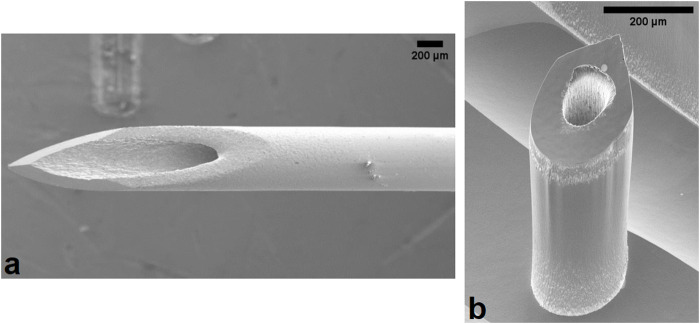 Figure 1
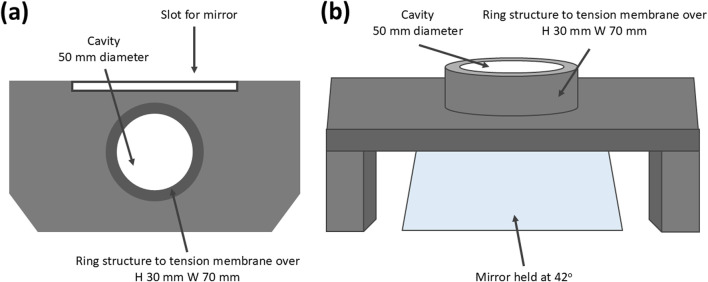 Figure 2
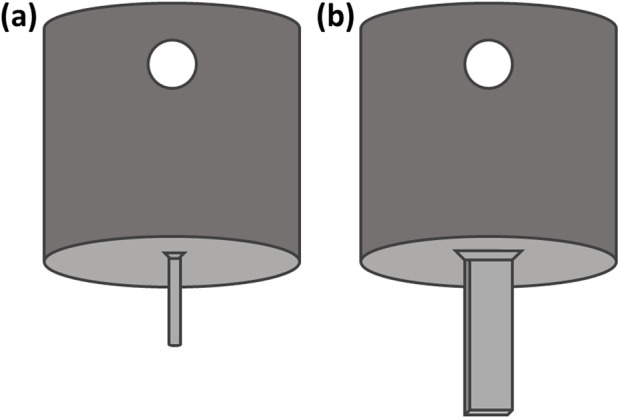 Figure 3
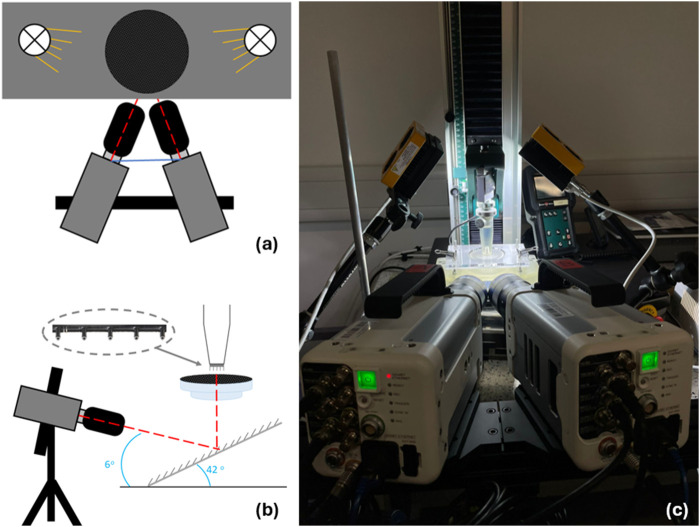 Figure 4
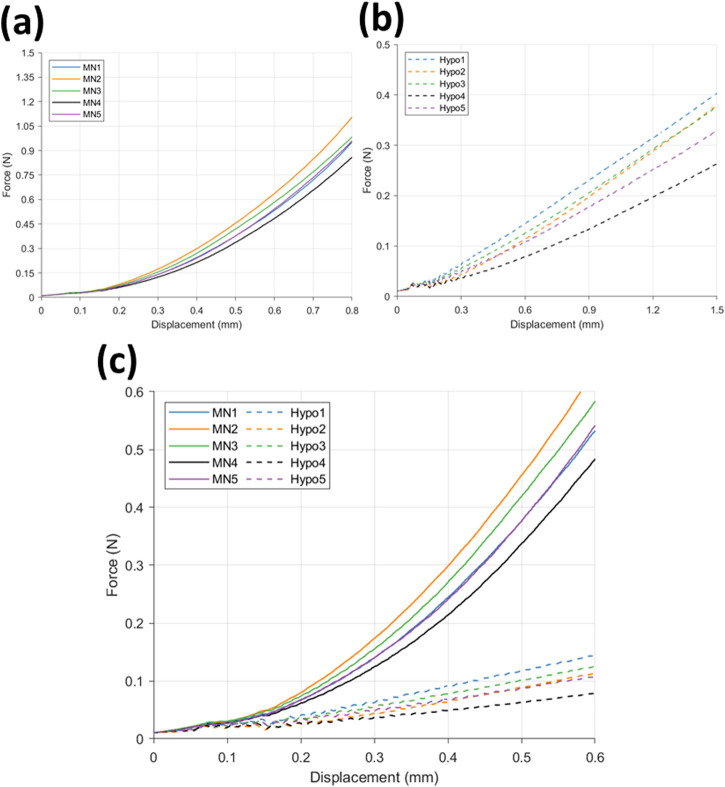 Figure 5
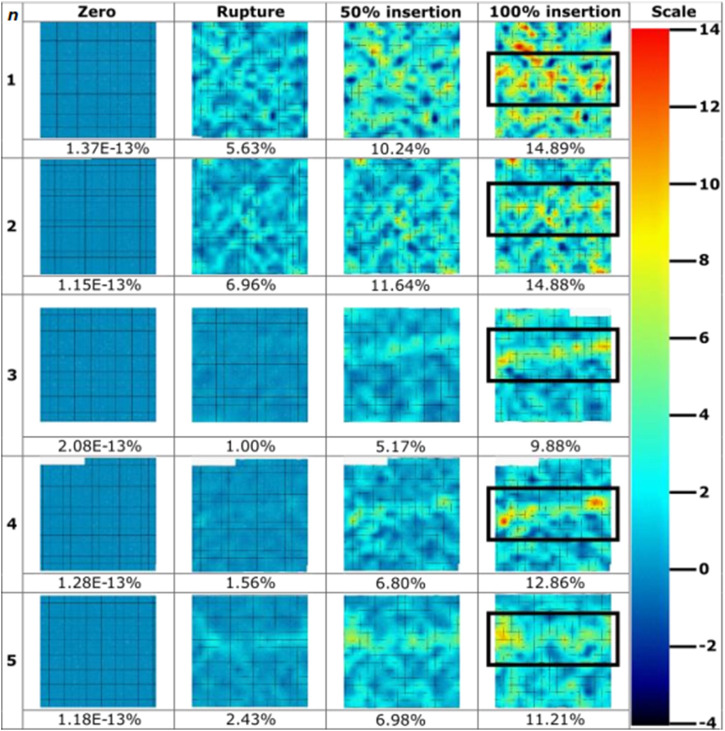 Figure 6
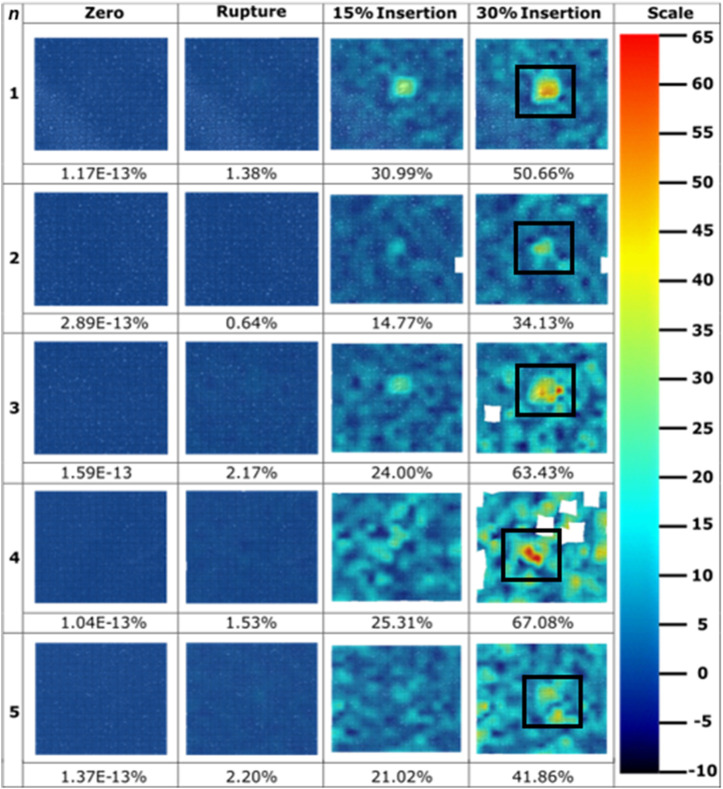 Figure 7
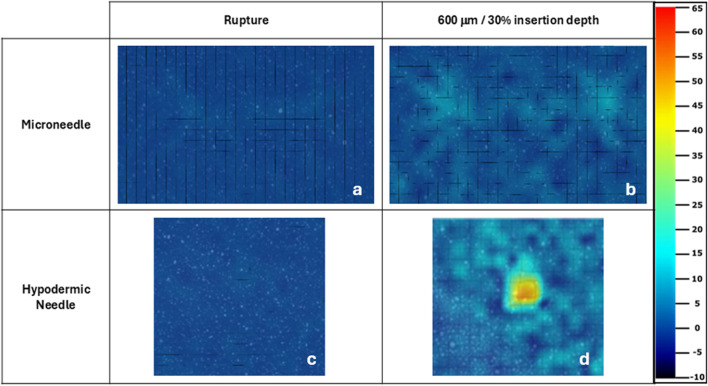 Figure 8
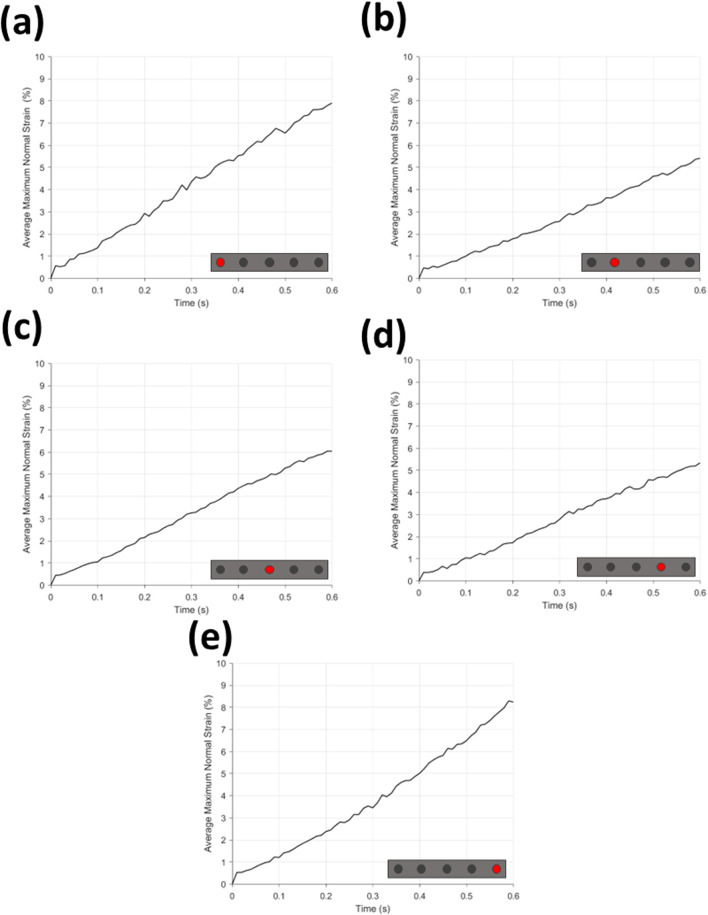 Figure 9
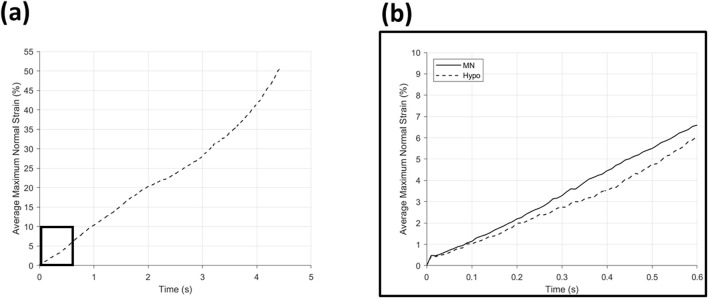 Figure 10
Peer Reviews
No public reviews on file for this paper yet. If you reviewed it on a platform where reviews are public (OpenReview, ICLR, NeurIPS, ICML), you can paste yours below so the community can read it here.
Videos
No videos yet. Explain this paper in a talk, walkthrough, or lecture? Add one.
Taxonomy
TopicsAdvancements in Transdermal Drug Delivery · Optical Coherence Tomography Applications · 3D Printing in Biomedical Research