Effects of screw-pressing temperature on the functional properties and structural characteristics of apricot (Prunus armeniaca L.) kernel protein isolates
Li Zhang, Hongyu Wu, Mengshi Wang, Xianjin Zhou, Bayinkexike, Ruiguo Cui, Lijun Song, Fengjuan Liu

TL;DR
This study shows how increasing screw-pressing temperature improves the functional and antioxidant properties of apricot kernel protein isolates.
Contribution
The study reveals how thermal processing affects the structural and functional properties of apricot kernel proteins.
Findings
Higher temperatures increased polyphenol, flavonoid content, and antioxidant activity of apricot kernel protein isolates.
High-temperature pressing enhanced surface hydrophobicity and emulsification properties of the isolates.
Thermal treatment altered protein structure, increasing α-helix content and decreasing β-sheet content.
Abstract
This study aimed to investigate the effect of screw-pressing temperature on the quality of apricot kernel protein isolates (API). The API values at different screw-pressing temperatures (40–200°C) were obtained, and the functional and structural properties of different API samples were comparatively studied. The results revealed that the total polyphenol content (TPC), total flavonoid content (TFC), and antioxidant activities (DPPH and FRAP assays) increased significantly with increasing temperature. High-temperature pressing also increased the surface hydrophobicity and emulsification of API. SDS-PAGE confirmed the preservation of the primary structure of API, with molecular weights ranging from 13 to 20 kDa and 36–56 kDa. Circular dichroism (CD) spectroscopy analysis revealed that the α-helix content increased (by 4–8%) and the β-sheet content decreased (by 2–5%) when the samples were…
Genes, proteins, chemicals, diseases, species, mutations and cell lines named across the full text — each resolved to its canonical identifier and authoritative record.
Click any figure to enlarge with its caption.
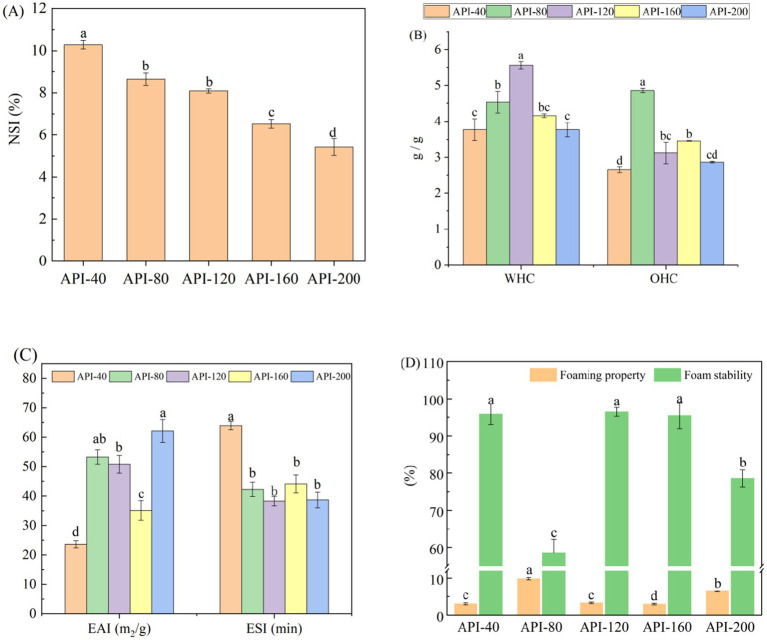 Figure 1
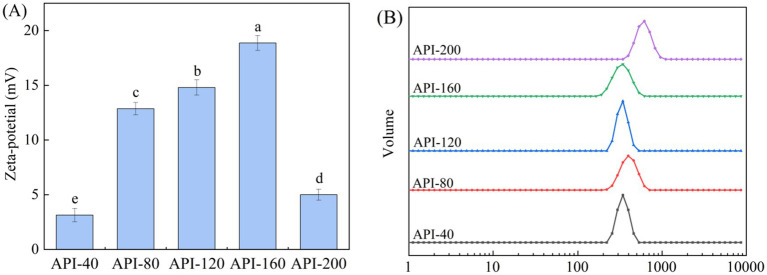 Figure 2
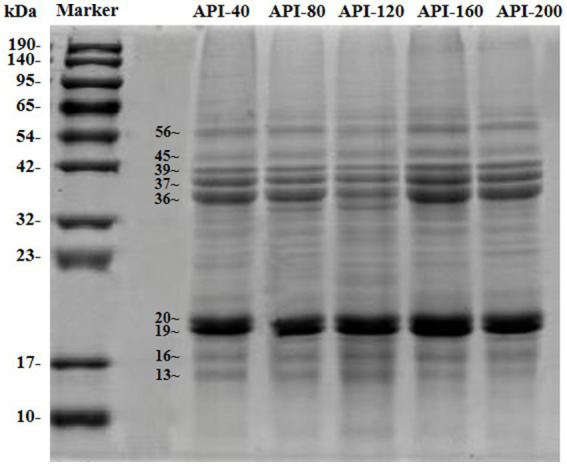 Figure 3
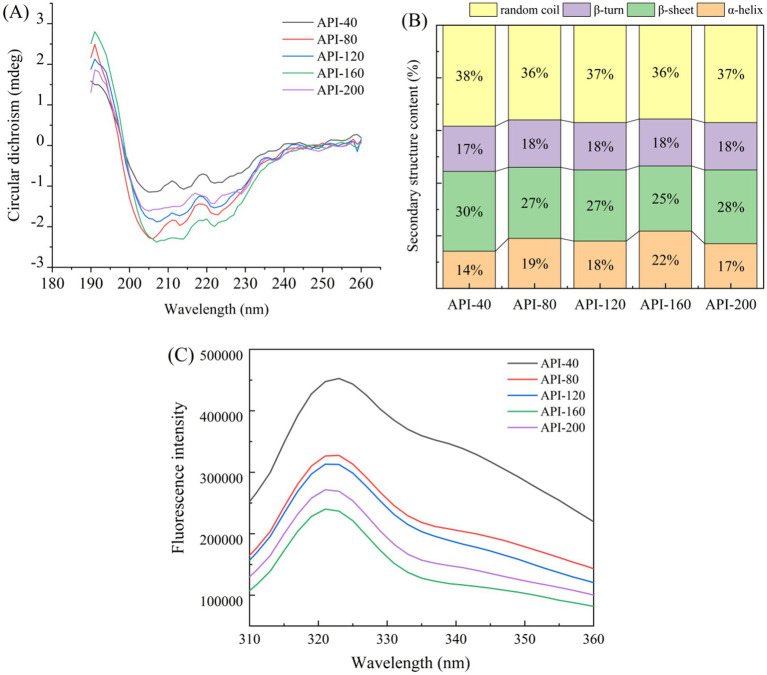 Figure 4
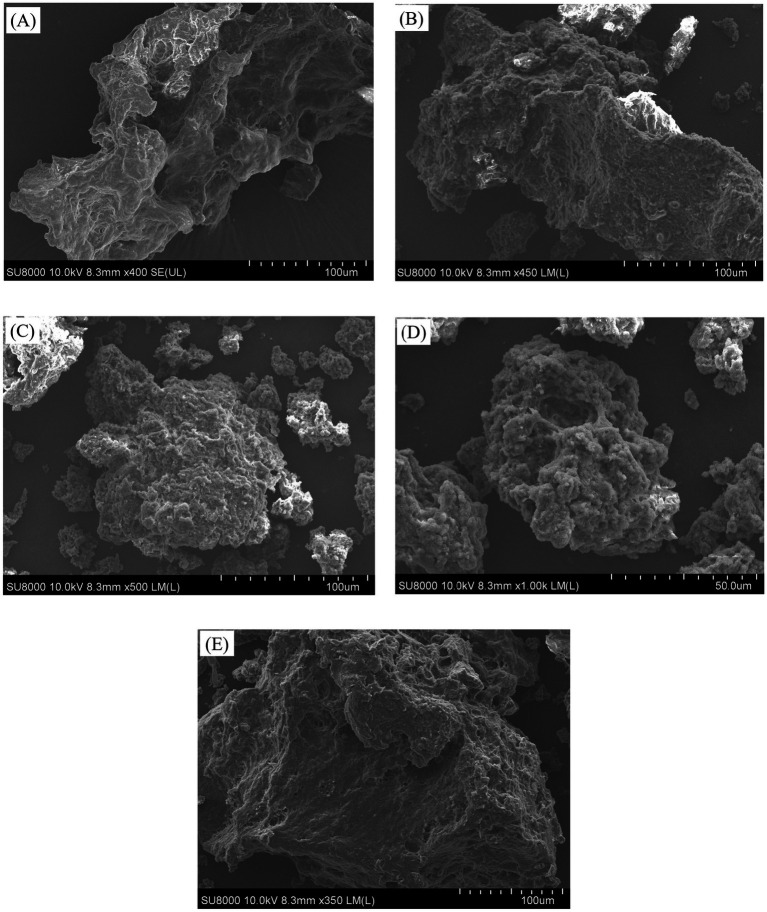 Figure 5
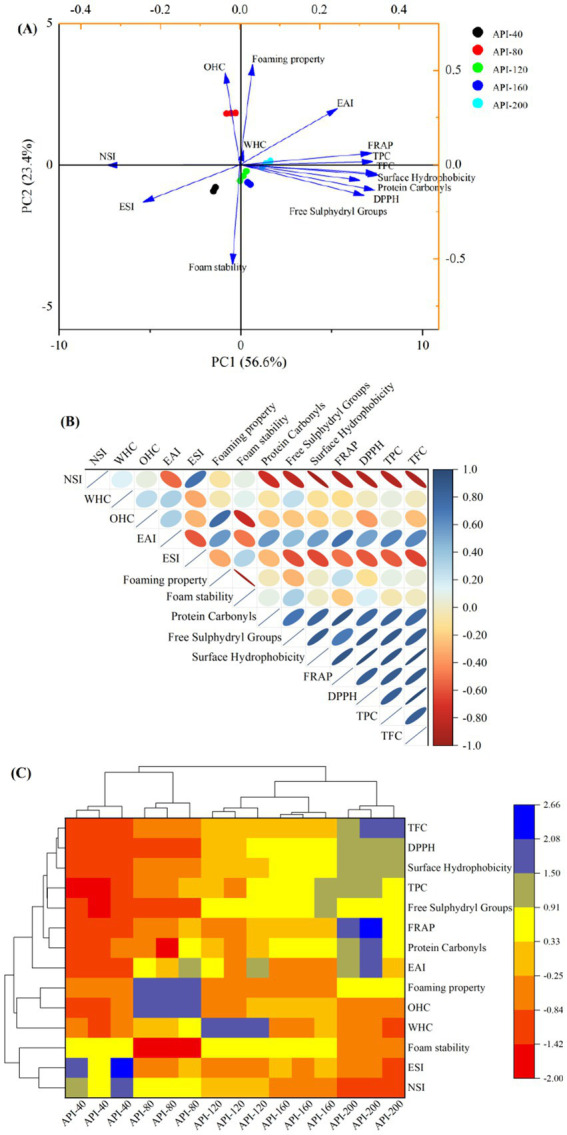 Figure 6
 Figure 7
 Figure 8
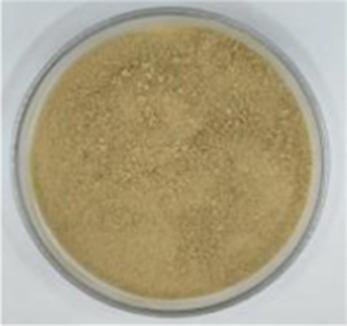 Figure 9
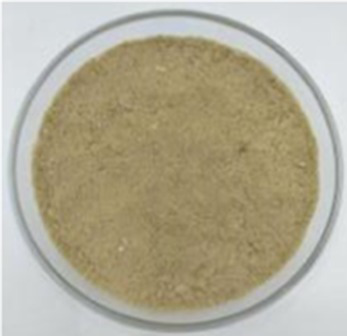 Figure 10
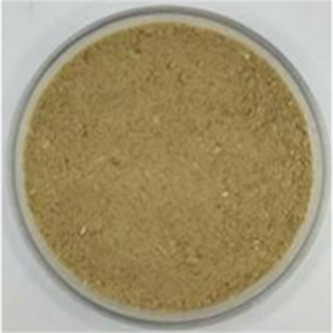 Figure 11
Peer Reviews
No public reviews on file for this paper yet. If you reviewed it on a platform where reviews are public (OpenReview, ICLR, NeurIPS, ICML), you can paste yours below so the community can read it here.
Videos
No videos yet. Explain this paper in a talk, walkthrough, or lecture? Add one.
Taxonomy
TopicsCassava research and cyanide · Phytase and its Applications · Proteins in Food Systems