Investigating STLV-1 infection in African green monkeys: a model for understanding HTLV-1 pathogenesis
Víctor Â. Folgosi, Liliane A. Carneiro, Sabri S. Sanabani, Felipe B. Freitas, Mayara N. S. da Silva, Amanda L. Silva, Gerlane N. Noronha, Ariela S. Farias, Hebert F. Culler, Carlos F. Apoliano, Luciano Lopes, Juliana Pereira, Luís Alberto P. C. Lage, Igor B. Costa

TL;DR
Researchers studied STLV-1 in African green monkeys to better understand how a related virus, HTLV-1, causes disease in humans.
Contribution
The study identifies genetic and clinical parallels between STLV-1 in monkeys and HTLV-1 in humans, supporting the use of green monkeys as a model.
Findings
STLV-1 was detected in 13.4% of the studied African green monkeys.
Phylogenetic analysis linked STLV-1 strains to baboon strains and human HTLV-1 isolates, suggesting shared evolutionary history.
Clinical signs in infected monkeys mirrored those in HTLV-1-infected humans, including lymphoproliferative disorders.
Abstract
Simian T-cell leukemia virus type 1 (STLV-1) and human T-lymphotropic virus type 1 (HTLV-1) are homologous viruses with high genetic identity. STLV-1 infections in non-human primates serve as valuable models to study HTLV-1 pathogenesis. This study investigated STLV-1 infection in captive green monkeys (Chlorocebus aethiops) in Brazil. Blood samples from 52 animals were collected and analyzed for viral presence, genetic characterization, and pathological manifestations. STLV-1 infection was detected in seven animals, corresponding to a seroprevalence of 13.4%. Phylogenetic analysis showed that the STLV-1 strains identified are more closely related to baboon STLV-1 strains and human African HTLV-1 isolates than to other STLV-1 variants, suggesting a shared evolutionary history and possible cross-species transmission. Clinically and hematologically, STLV-1 infection in C. aethiops…
Genes, proteins, chemicals, diseases, species, mutations and cell lines named across the full text — each resolved to its canonical identifier and authoritative record.
Click any figure to enlarge with its caption.
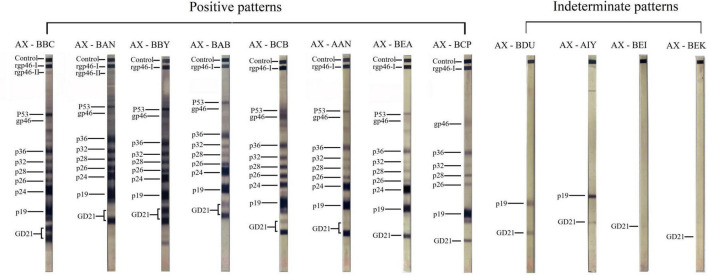 Figure 1
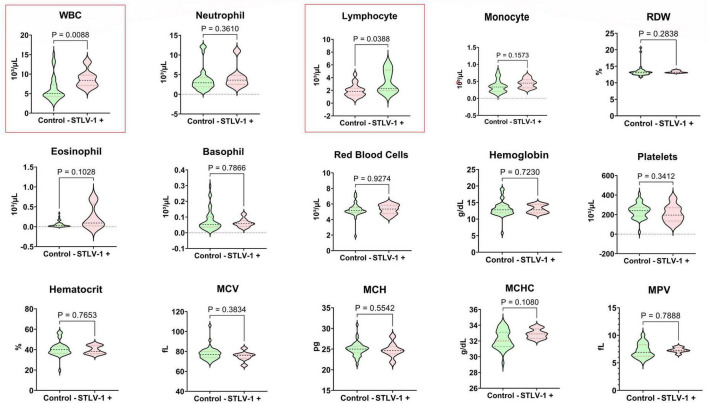 Figure 2
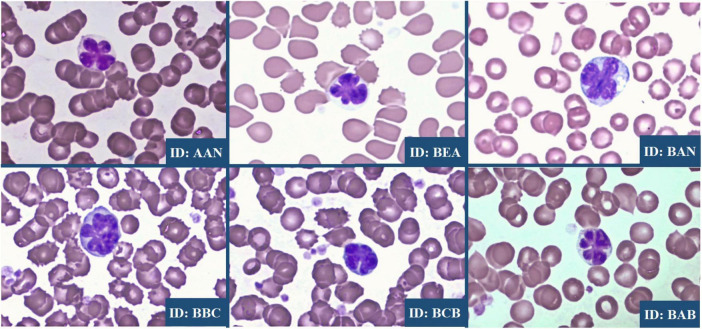 Figure 3
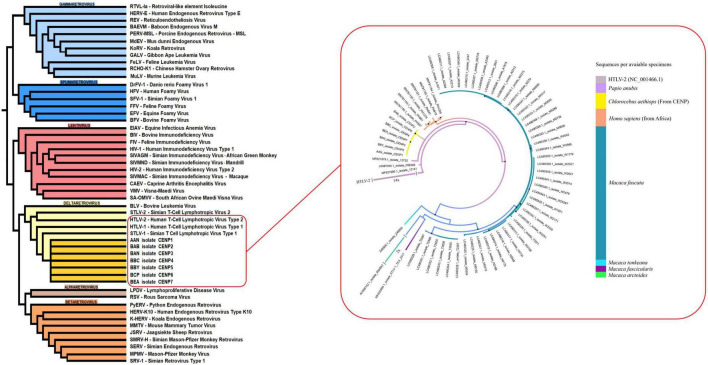 Figure 4
Peer Reviews
No public reviews on file for this paper yet. If you reviewed it on a platform where reviews are public (OpenReview, ICLR, NeurIPS, ICML), you can paste yours below so the community can read it here.
Videos
No videos yet. Explain this paper in a talk, walkthrough, or lecture? Add one.
Taxonomy
TopicsT-cell and Retrovirus Studies · Animal Disease Management and Epidemiology · Vector-Borne Animal Diseases