Bioinformatics-based analysis of nicotinamide adenine dinucleotide metabolism-related genes to predict immune status and prognosis for head and neck squamous cell carcinoma patients
Zhenjie Guan, Xinyu Gu, Lian Zheng

TL;DR
This study identifies genes related to NAD+ metabolism that predict immune status and survival outcomes in head and neck cancer patients.
Contribution
A novel risk model based on NAD+ metabolism-related genes is developed to predict prognosis and immune infiltration in HNSCC.
Findings
Six genes (ICOS, PSME1, SERPINA1, SH3KBP1, SP100, ZAP70) were identified as key prognostic markers in HNSCC.
High-risk patients showed higher mutation rates in FAT1, TP53, and TTN genes and greater immune cell infiltration.
Downregulated PSME1 reduced cancer cell migration and invasion in laboratory tests.
Abstract
Patients suffering from head and neck squamous cell carcinoma (HNSCC) have a high recurrence rate and poor prognosis. Nicotinamide adenine dinucleotide (NAD+) is crucial in the progression of the tumor. Currently, the specific role of NAD+ in HNSCC remains elusive. First, weighted gene co-expression network analysis (WGCNA) was utilized to screen gene modules linked to NAD+ metabolism-related genes (NMRGs), and the expression profiles obtained were taken as intersections with differentially expressed genes (DEGs) between HNSCC and control samples. The genes were further compressed and risk modeled using LASSO and stepwise regression analyses. Then the gene mutation landscapes of different risk subgroups of HNSCC were analyzed using MuTect 2 software. Differences in biological function and immune infiltration analyses between different subgroups were explored. In addition, scratch and…
Genes, proteins, chemicals, diseases, species, mutations and cell lines named across the full text — each resolved to its canonical identifier and authoritative record.
Click any figure to enlarge with its caption.
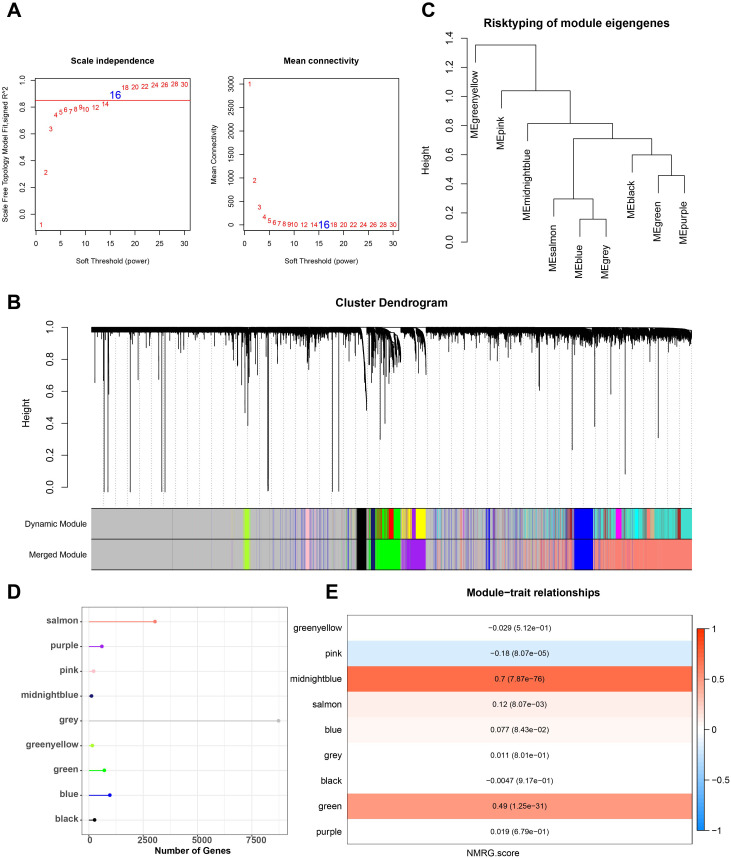 Figure 1
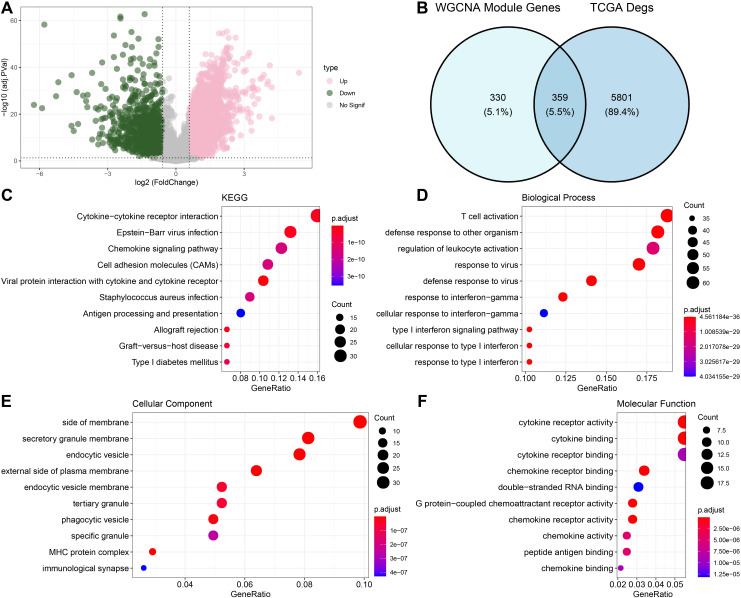 Figure 2
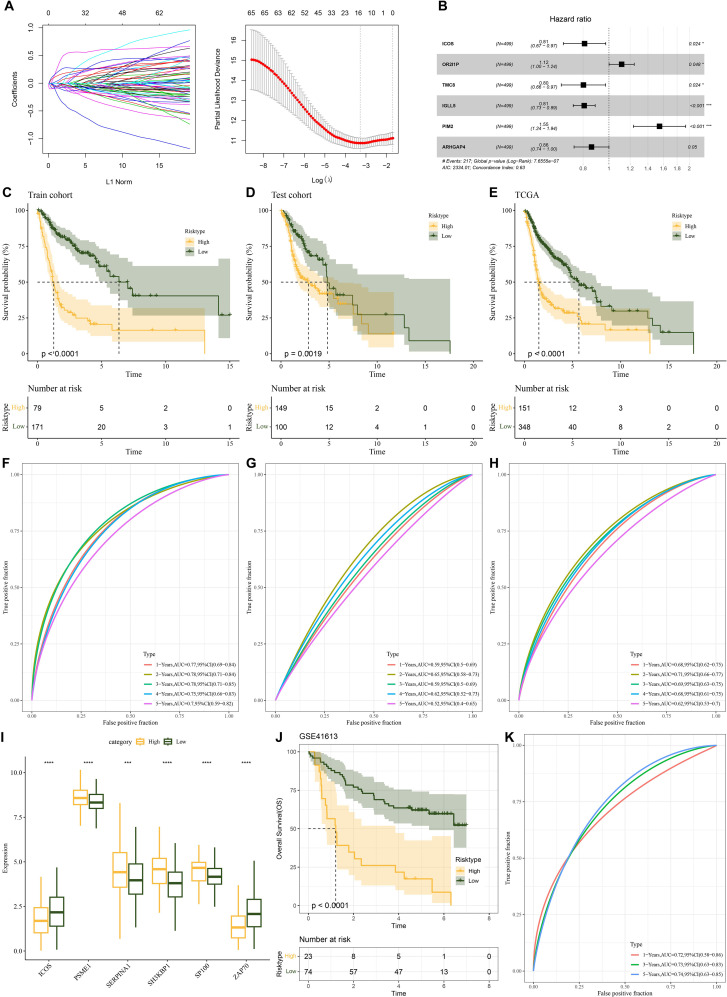 Figure 3
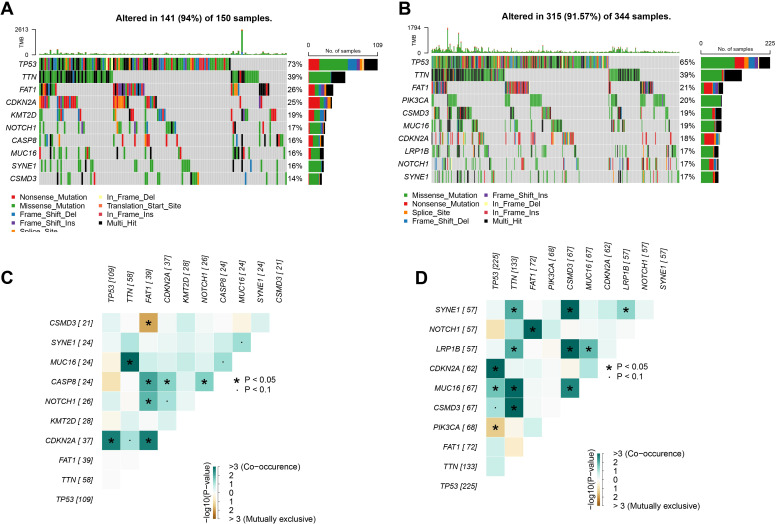 Figure 4
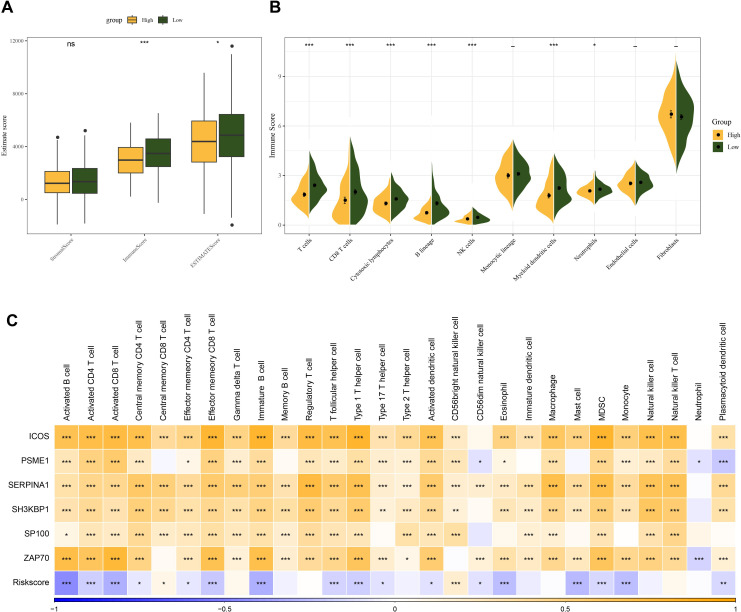 Figure 5
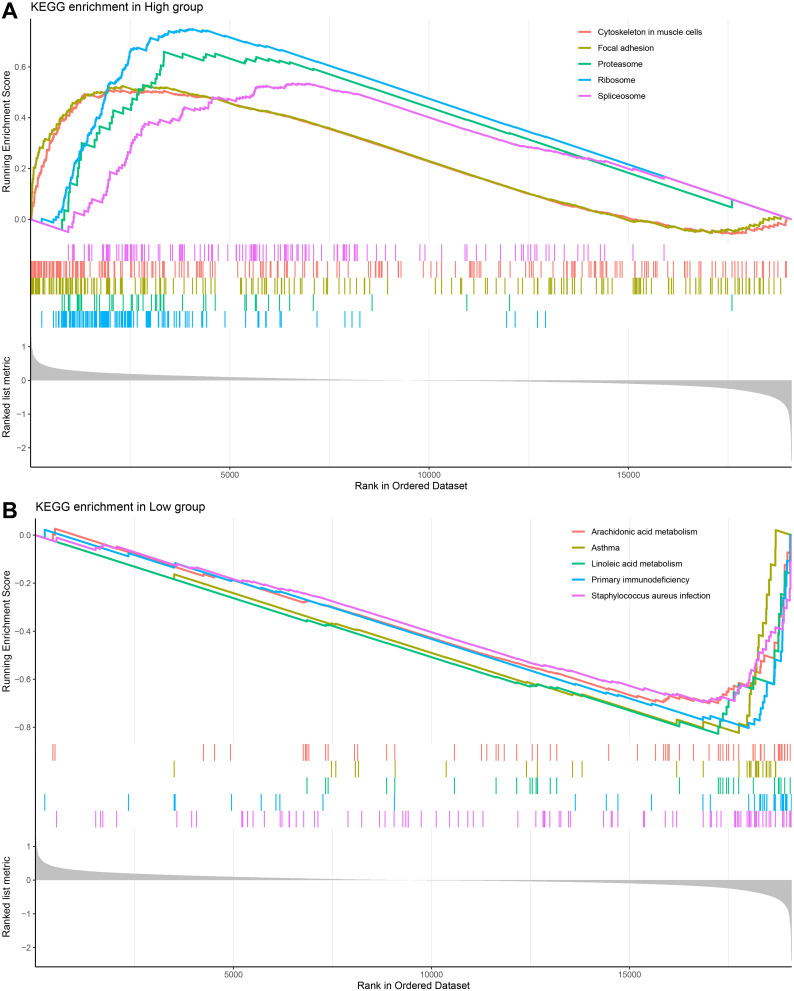 Figure 6
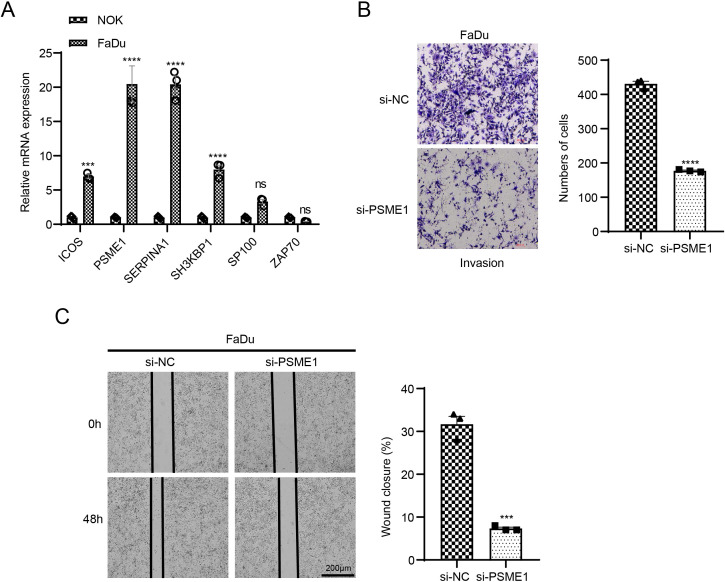 Figure 7
Peer Reviews
No public reviews on file for this paper yet. If you reviewed it on a platform where reviews are public (OpenReview, ICLR, NeurIPS, ICML), you can paste yours below so the community can read it here.
Videos
No videos yet. Explain this paper in a talk, walkthrough, or lecture? Add one.
Taxonomy
TopicsRNA modifications and cancer · Cancer-related molecular mechanisms research · Cancer Immunotherapy and Biomarkers