An advancement in developmental and reproductive toxicity (DART) risk assessment: evaluation of a bioactivity and exposure-based NAM toolbox
Iris Mueller, Ashraf Abdelkhaliq, Paul Carmichael, Matthew Dent, Marleen Feliksik, Luke Flatt, Jade Houghton, José M. Horcas Nieto, Amer Jamalpoor, Predrag Kukic, Sophie Malcomber, Beate Nicol, Gopal Pawar, Claire Peart, Katarzyna Przybylak, Magdalena Sawicka, Katy Wilson

TL;DR
This study shows a new animal-free method can accurately assess chemical risks to reproduction and development.
Contribution
A non-animal testing toolbox was expanded and validated for DART risk assessment using existing data.
Findings
The NAM toolbox identified 17 out of 18 high-risk DART scenarios using existing data.
Variability from pregnancy is within normal toxicokinetic ranges in most cases.
Protective safety decisions for DART can be made without animal testing.
Abstract
Traditional chemical safety assessment involves identifying the lowest level of a chemical that impacts endpoints measured in standardized animal studies to establish human exposure limits. In vitro assays have shown promise in providing points of departure that can be protective of human health when combined with exposure predictions into a bioactivity:exposure ratio (BER). Using a combination of broad screening tools and DART-targeted assays, we previously demonstrated high biological coverage of this NAM toolbox against a list of DART-relevant genes and pathways. To fully transition to an animal-free paradigm, it is crucial to establish confidence that these in vitro assays sufficiently represent the DART toxicity mechanisms, ensuring a level of protection that is safe for non-pregnant adults, pregnant women, and fetal populations. In this proof-of-concept study, we have extended the…
Genes, proteins, chemicals, diseases, species, mutations and cell lines named across the full text — each resolved to its canonical identifier and authoritative record.
Click any figure to enlarge with its caption.
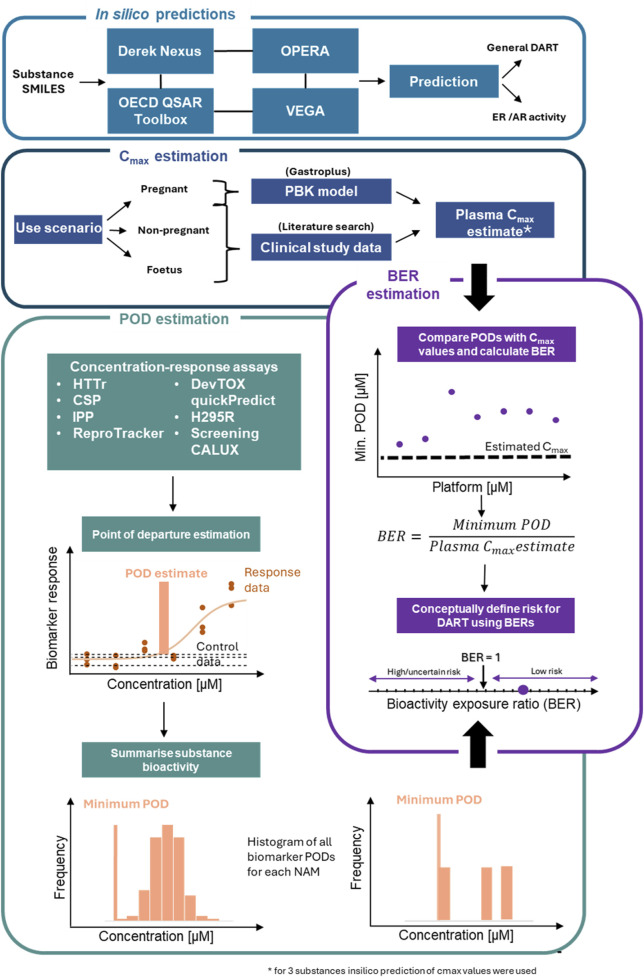 Figure 1
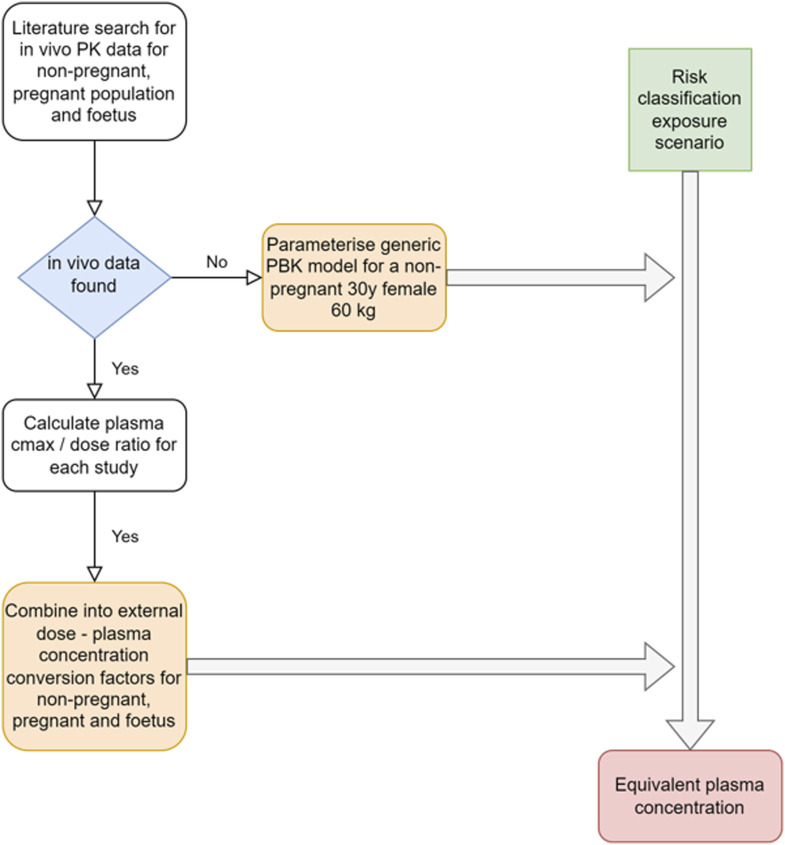 Figure 2
 Figure 3
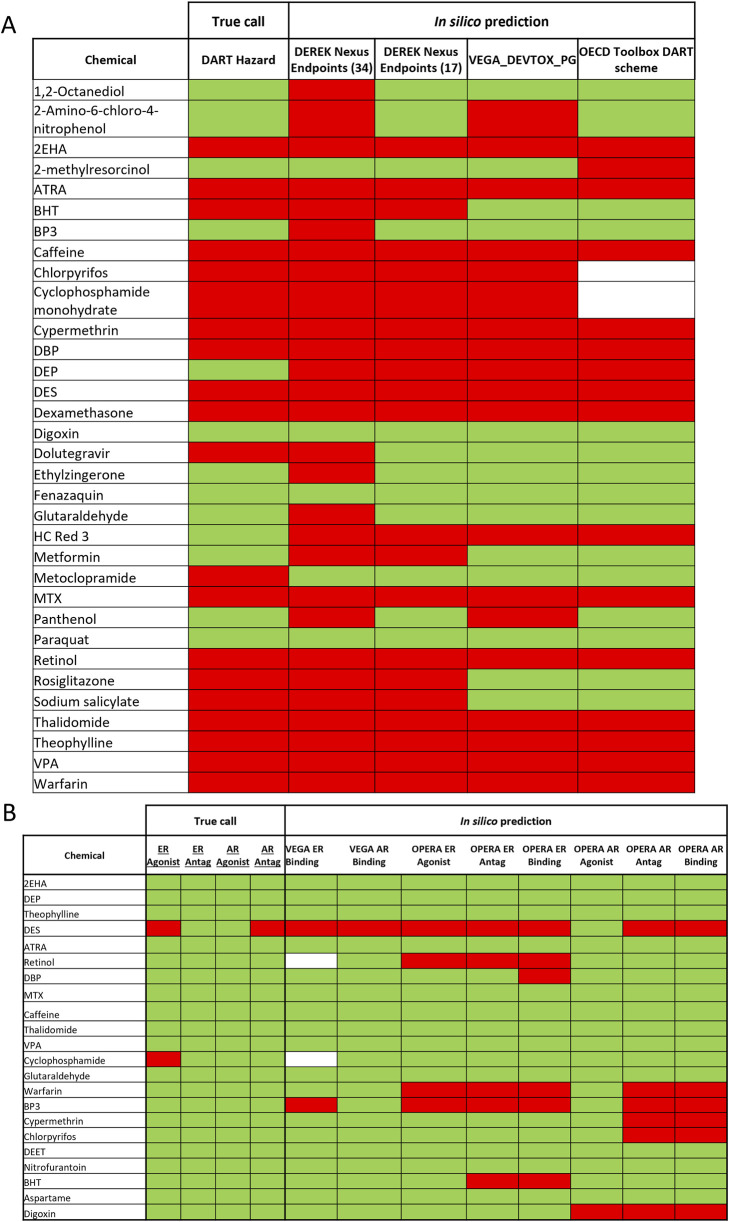 Figure 4
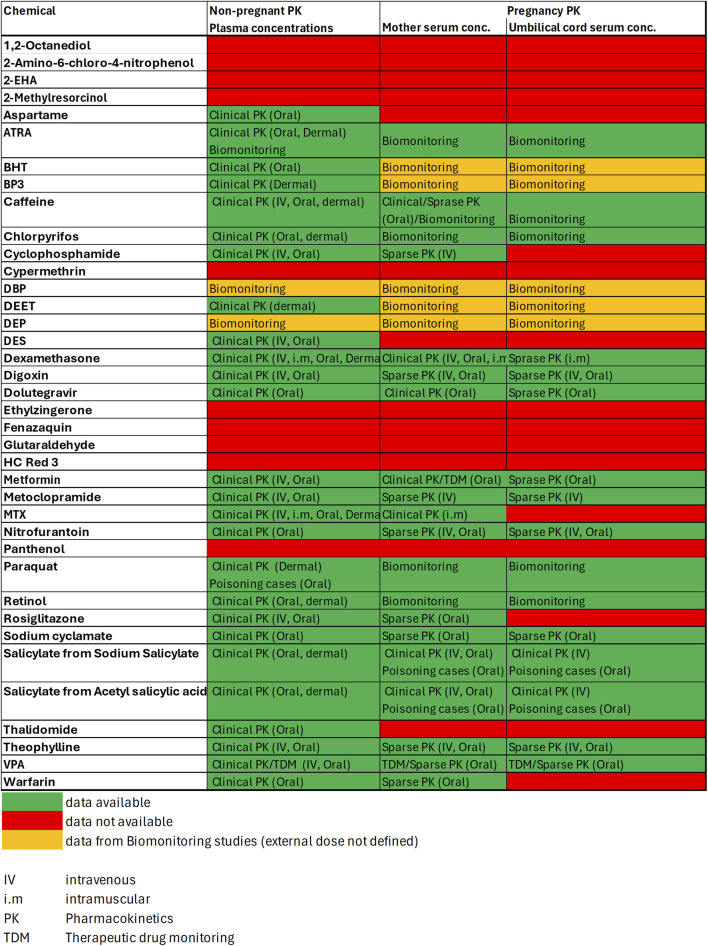 Figure 5
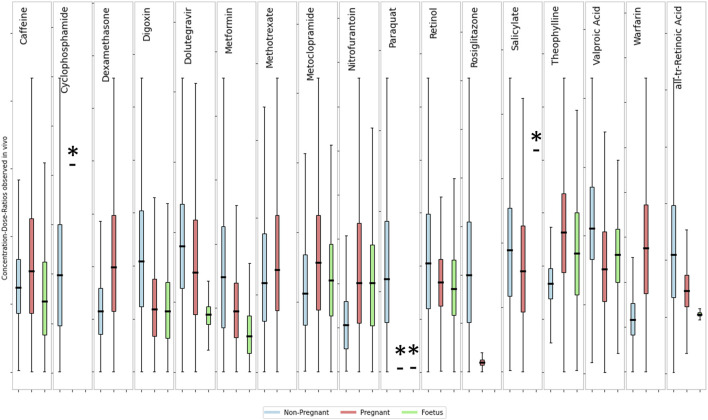 Figure 6
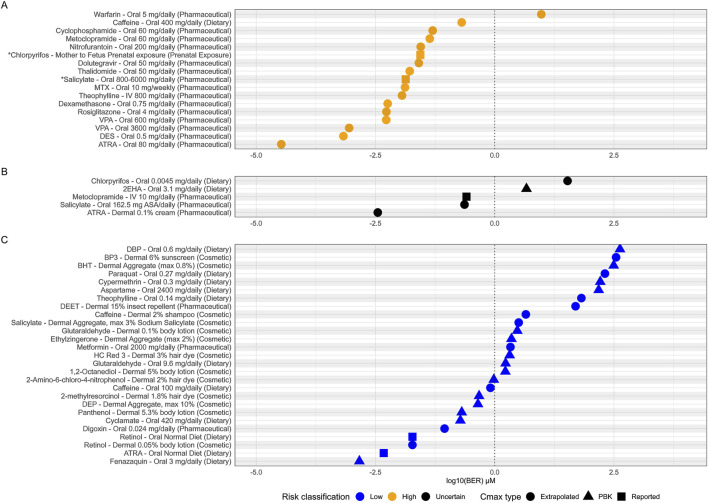 Figure 7
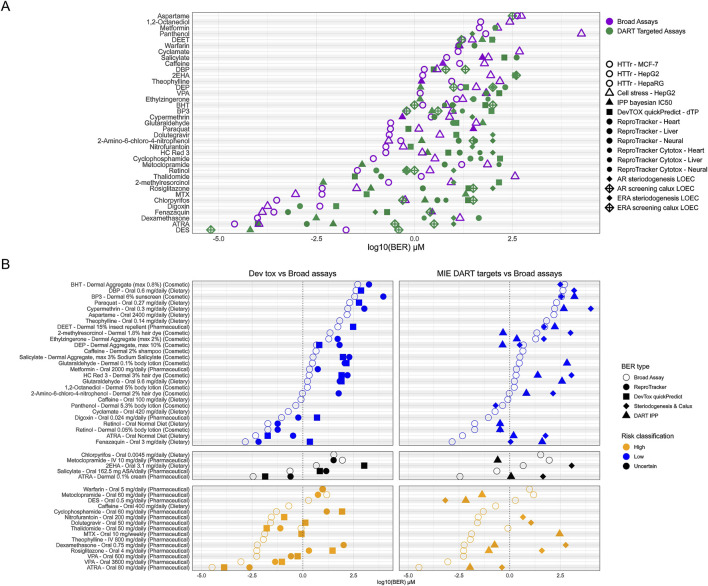 Figure 8
Peer Reviews
No public reviews on file for this paper yet. If you reviewed it on a platform where reviews are public (OpenReview, ICLR, NeurIPS, ICML), you can paste yours below so the community can read it here.
Videos
No videos yet. Explain this paper in a talk, walkthrough, or lecture? Add one.
Taxonomy
TopicsEffects and risks of endocrine disrupting chemicals · Carcinogens and Genotoxicity Assessment · Toxic Organic Pollutants Impact