Tranexamic acid impairs plasmin generation on human mesenchymal stem cells and derived membrane microvesicles, halting pericellular proteolysis
Ramy Abou Rjeily, Christina Mrad, Fatiha Z. El-Ghazouani, Florence Toti, Audrey Cras, Eduardo Angles-Cano

TL;DR
Tranexamic acid stops plasmin formation on stem cells, which could help treat diseases involving abnormal bleeding or tissue damage.
Contribution
First demonstration that tranexamic acid inhibits plasmin generation on mesenchymal stem cells by blocking plasminogen binding.
Findings
Vesiculation is an early response to plasmin formation on MSCs, followed by cell retraction and detachment.
Tranexamic acid effectively inhibits plasmin generation by competitively blocking plasminogen binding.
MSC-driven plasmin formation may contribute to pathological conditions like hemorrhage and cancer.
Abstract
Mesenchymal stem cells (MSCs) participate in the dynamic remodeling of the extracellular matrix during wound healing, natural bleeding processes or cancer progression. Pericellular proteolysis is a key mechanism mediating the aforementioned processes. This study primarily aimed to define mechanistic pathways of plasmin formation and its consequences on MSC phenotype and functioning. We have also investigated the regulatory mechanisms mediated by PAI-1 and the ability of MSCs to shed microvesicles bearing the proteolytic machinery. Human MSCs were derived from bone marrow or umbilical cord donors. Cells thus obtained were seeded in multi-well plates and treated with different concentrations of plasminogen and pro-urokinase in the presence or absence of variable amounts of tranexamic acid. We measured MVs formation and phenotypical changes occurring on MSCs. The amount of plasmin formed…
Genes, proteins, chemicals, diseases, species, mutations and cell lines named across the full text — each resolved to its canonical identifier and authoritative record.
Click any figure to enlarge with its caption.
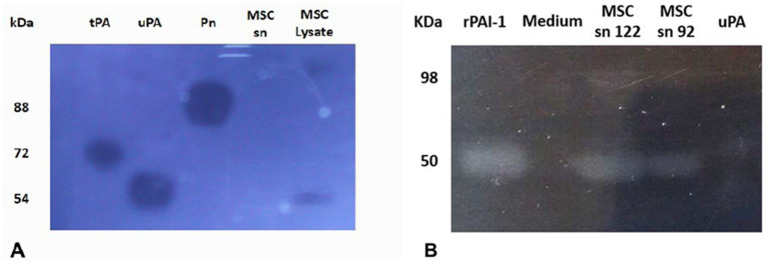 Figure 1
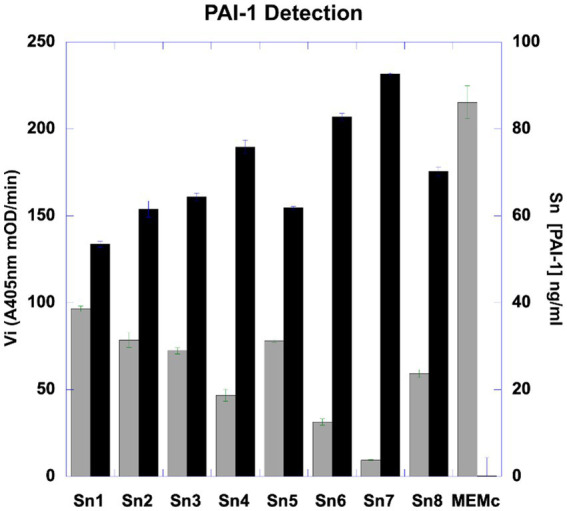 Figure 2
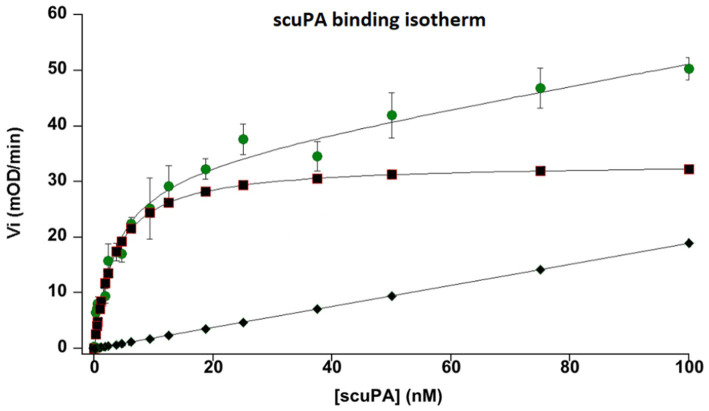 Figure 3
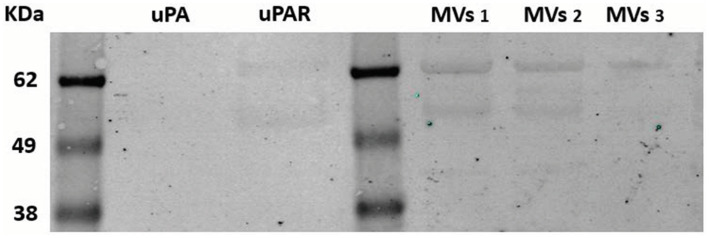 Figure 4
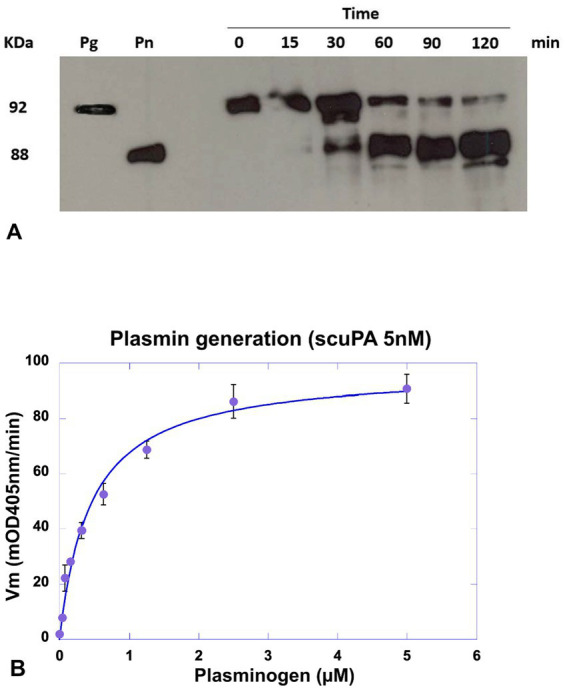 Figure 5
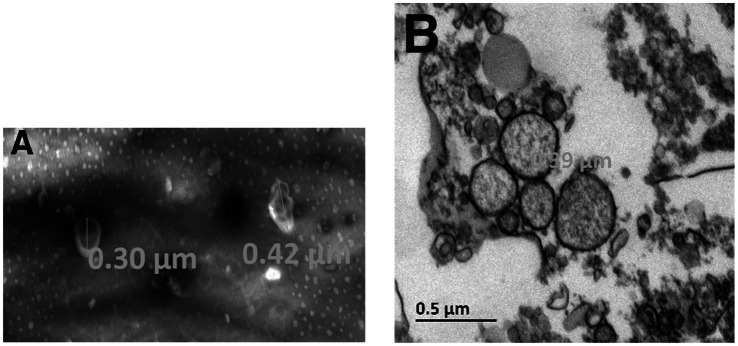 Figure 6
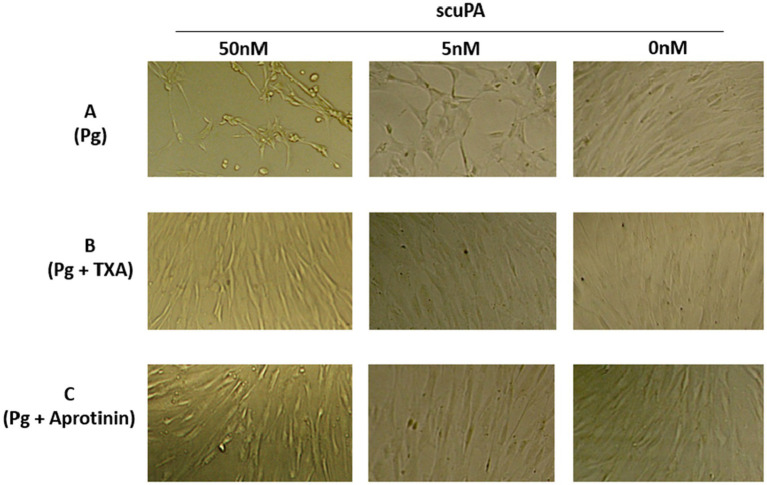 Figure 7
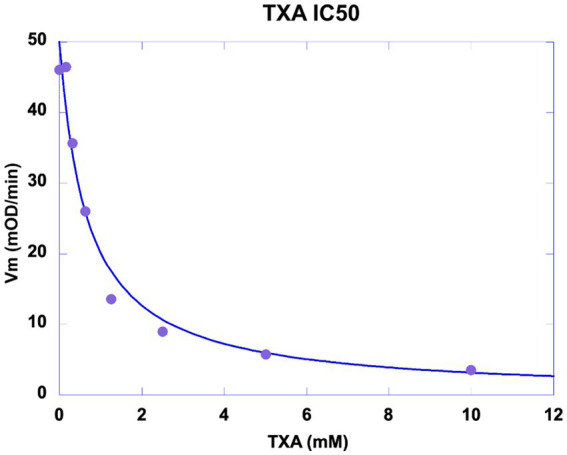 Figure 8
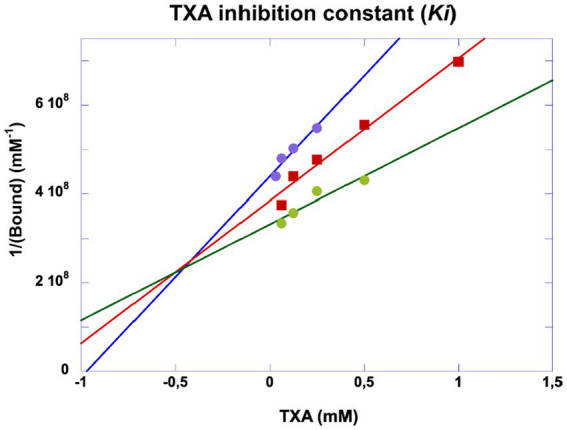 Figure 9
Peer Reviews
No public reviews on file for this paper yet. If you reviewed it on a platform where reviews are public (OpenReview, ICLR, NeurIPS, ICML), you can paste yours below so the community can read it here.
Videos
No videos yet. Explain this paper in a talk, walkthrough, or lecture? Add one.
Taxonomy
TopicsExtracellular vesicles in disease · Mesenchymal stem cell research · Protease and Inhibitor Mechanisms