Development and characterisation of improved unifocal primary mouse lung cancer models with metastatic potential
Ana‐Rita Pedrosa, Alejandro Castillo‐Kauil, Yuliia Kravchuk, Louise Reynolds, Bruce Williams, David Moore, Cameron Lang, Srinivas Allanki, Eleni Maniati, Alexandros Hardas, Jozafina Haj, Rebecca Drake, Julie Cleaver, Julie Foster, Jana Kim, Ester Stern, Jane Sosabowski

TL;DR
This study introduces a new mouse model for lung cancer that better mimics human disease by creating single tumors in the lung and tracking their spread.
Contribution
A refined surgical method for generating unifocal lung cancer models with traceable metastasis is developed and compared across multiple models.
Findings
Unifocal lung tumors were successfully generated using intralobular injection methods.
The models showed traceable metastasis and immune cell infiltration similar to human lung cancer.
Histopathological features of the models closely resemble those seen in human lung cancer cases.
Abstract
Lung cancer is the leading cause of cancer‐related death globally. To better understand the biology of lung cancer, mouse models have been developed using either tail vein‐injected tumour cell lines or genetically modified mice. The current gold‐standard models typically present with multiple lung foci. However, although these models are widely used, their correlation with human disease are limited, as early‐stage human lung cancer usually presents as a single lesion rather than multiple foci. Additionally, a major challenge of using multifocal lung tumour models is the difficulty in distinguishing primary lung tumours from intrathoracic metastasis and lethal levels of lung congestion before distant metastases develop. Here, we present a refined and detailed surgical method in which murine tumour cells [Lewis lung carcinoma (LLC), alveogenic lung carcinoma (CMT), or Kras/Trp53‐KP mutant…
Genes, proteins, chemicals, diseases, species, mutations and cell lines named across the full text — each resolved to its canonical identifier and authoritative record.
Click any figure to enlarge with its caption.
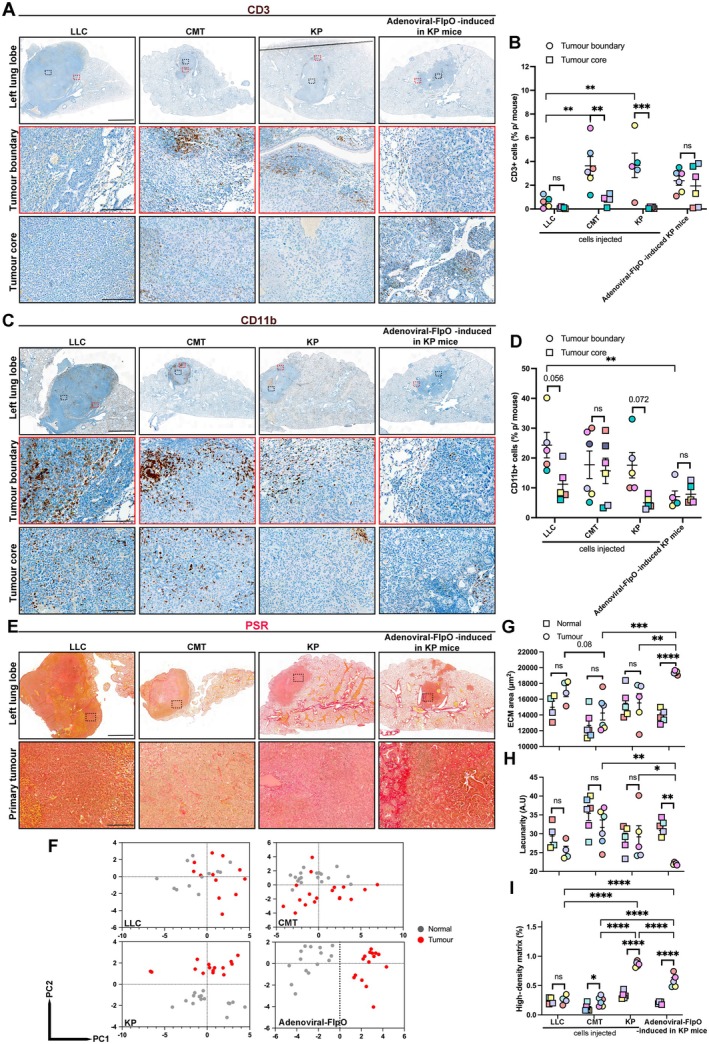 Figure 1
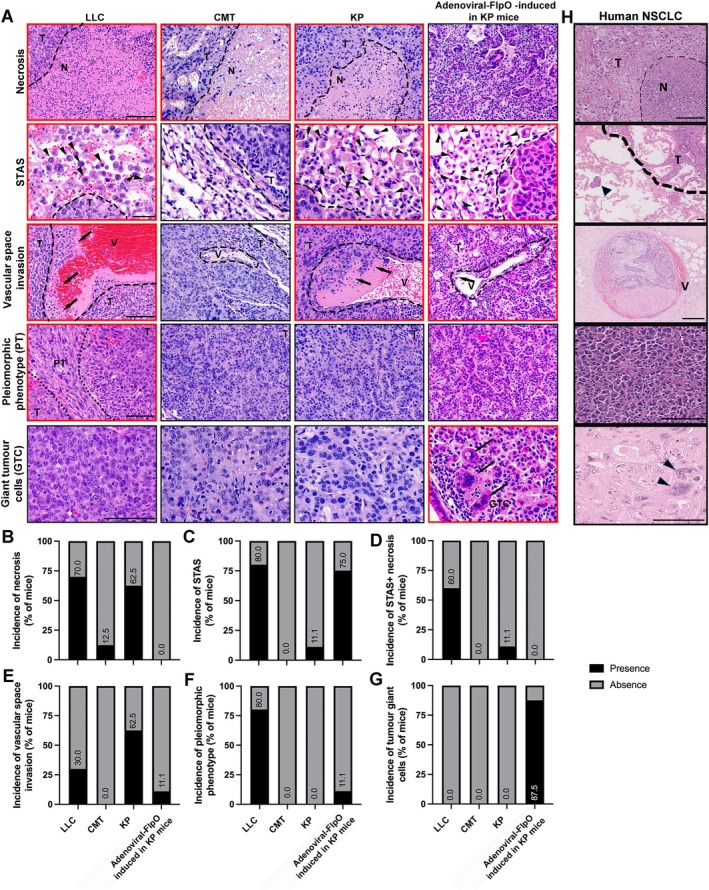 Figure 2
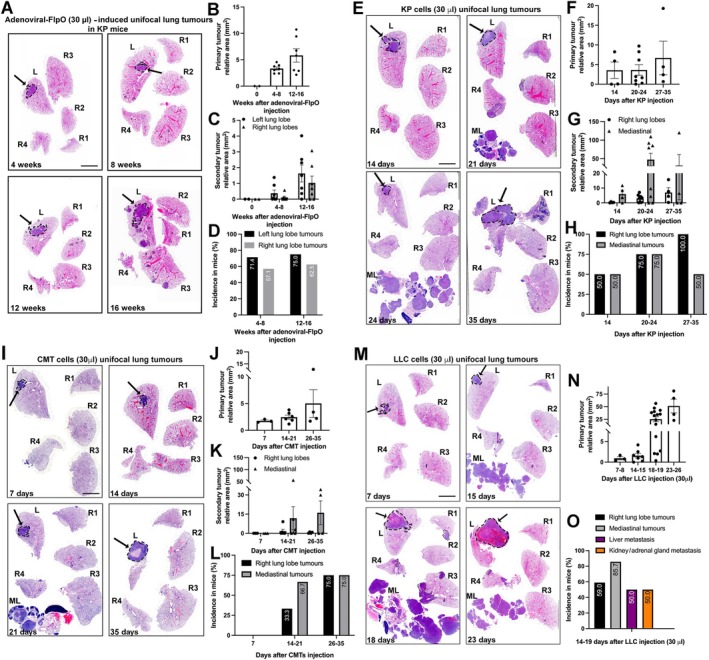 Figure 3
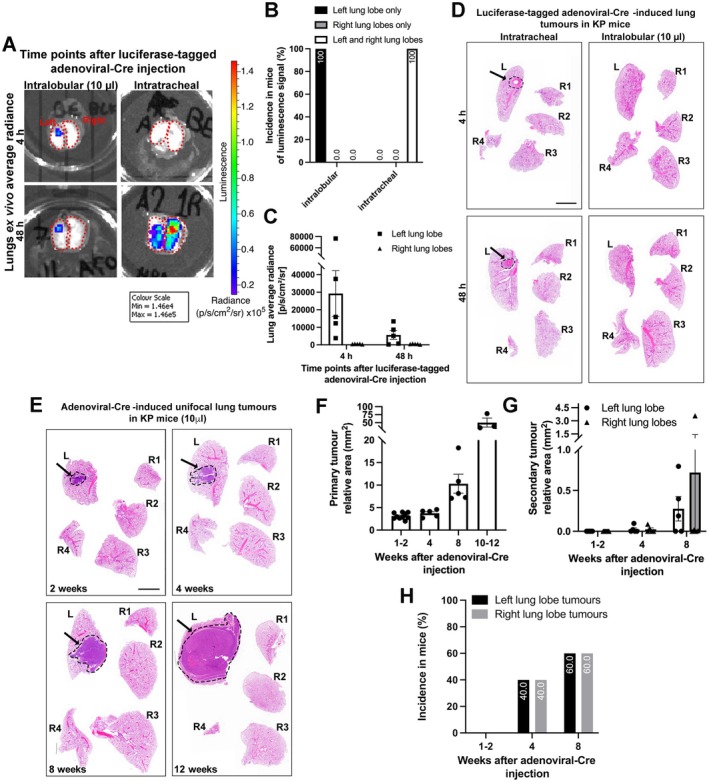 Figure 4
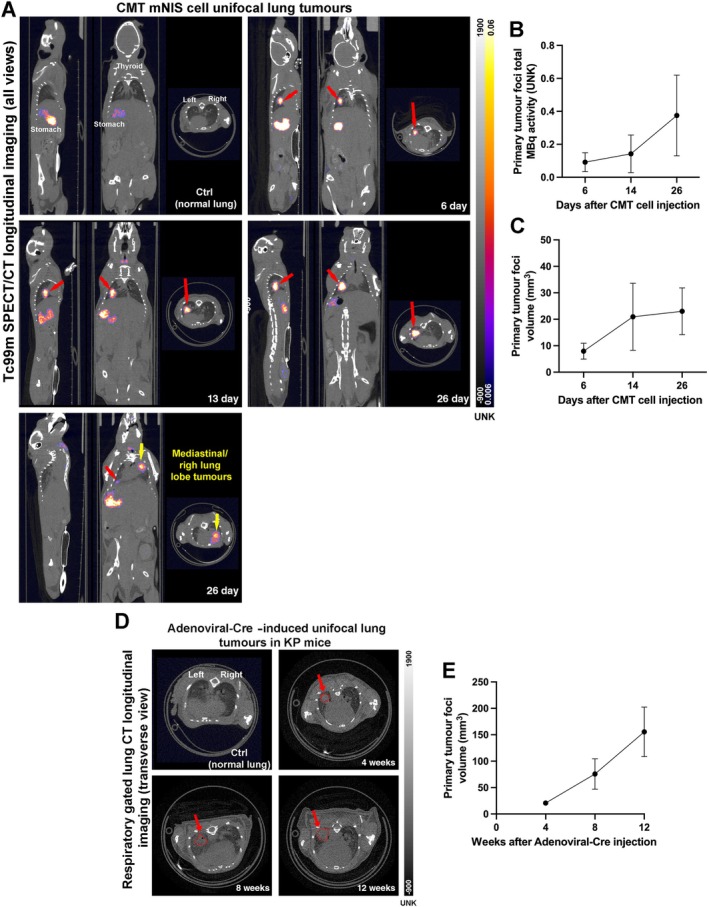 Figure 5
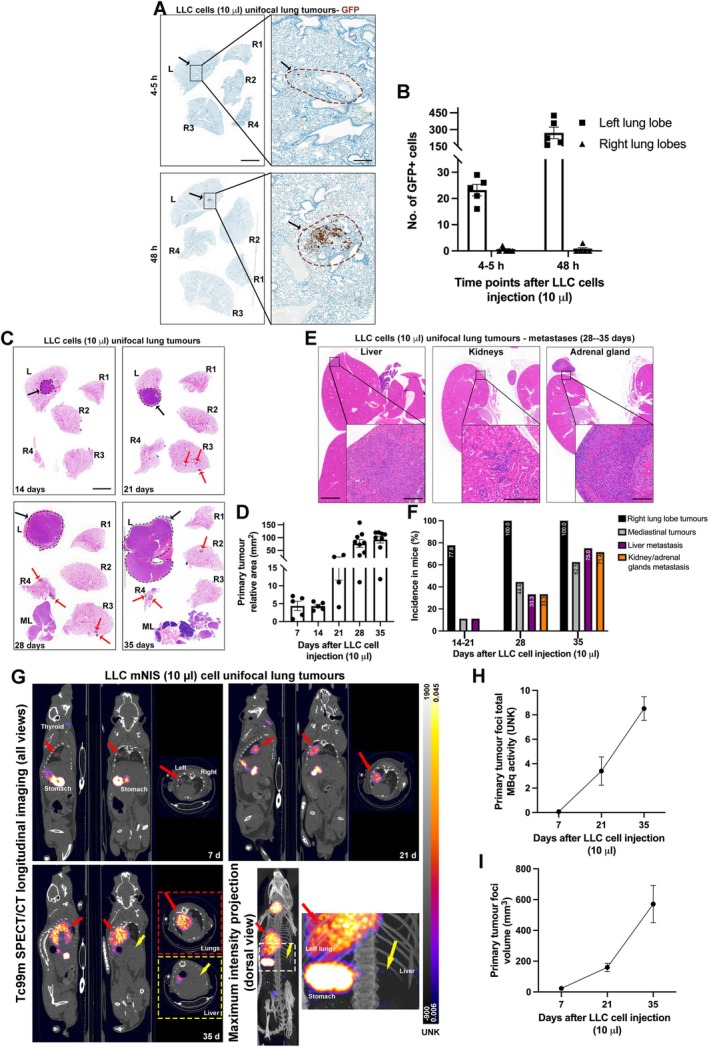 Figure 6
Peer Reviews
No public reviews on file for this paper yet. If you reviewed it on a platform where reviews are public (OpenReview, ICLR, NeurIPS, ICML), you can paste yours below so the community can read it here.
Videos
No videos yet. Explain this paper in a talk, walkthrough, or lecture? Add one.
Taxonomy
TopicsLung Cancer Treatments and Mutations · Lung Cancer Diagnosis and Treatment · Lung Cancer Research Studies