Machine learning modeling and analysis of prognostic hub genes in cervical adenocarcinoma: a multi target therapy for enhancement in immunosurveillance
Madiha Jabeen Abbasi, Rashid Abbasi, ShuPeng Wu, Md Belal Bin Heyat, Ding Xianfeng, Huijie Jia, Aiwen Zheng

TL;DR
This paper uses machine learning to find key genes and drugs for treating endocervical adenocarcinoma, a deadly cervical cancer subtype.
Contribution
The study introduces novel biomarkers and drug targets for endocervical adenocarcinoma using in silico and in vitro approaches.
Findings
11,592 differentially expressed genes were identified, enriched in metabolic and signaling pathways.
Imatinib showed high binding affinity to BIRC5, confirmed by cell viability experiments.
Potential therapeutic targets and biomarkers were proposed for endocervical carcinogenesis.
Abstract
Endocervical adenocarcinoma (ECA) the fatal and intrusive subtype of cervical carcinoma is on rise from the last decade. Its improper detection leads to worst clinical outcomes that urges the discovery of novel biomarkers. Therefore, we proposed insilico and invitro based approches to identify key genes that could be used as potential targeted therapies. RNA-seq and gene expression data was operated via R-programming that identified 11,592 differential expressed genes which are mainly enriched in metabolic pathways, chemical carcinogenesis-receptor activation, amoebias, MAPK and PI3K-AKT signaling pathway. Clustering modules and hub genes were retrieved to design network of immune cells with varying expression using multiple statistical algorithms. The Drugs targeting hub genes were determined from Drug gene interaction database which was further categorized for docking and dynamics…
Genes, proteins, chemicals, diseases, species, mutations and cell lines named across the full text — each resolved to its canonical identifier and authoritative record.
Click any figure to enlarge with its caption.
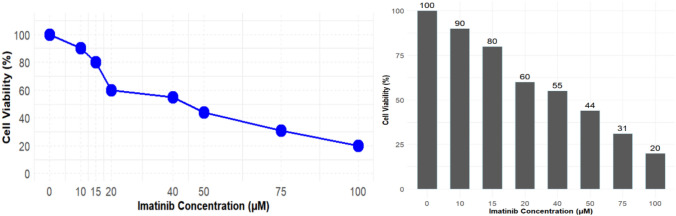 Figure 10
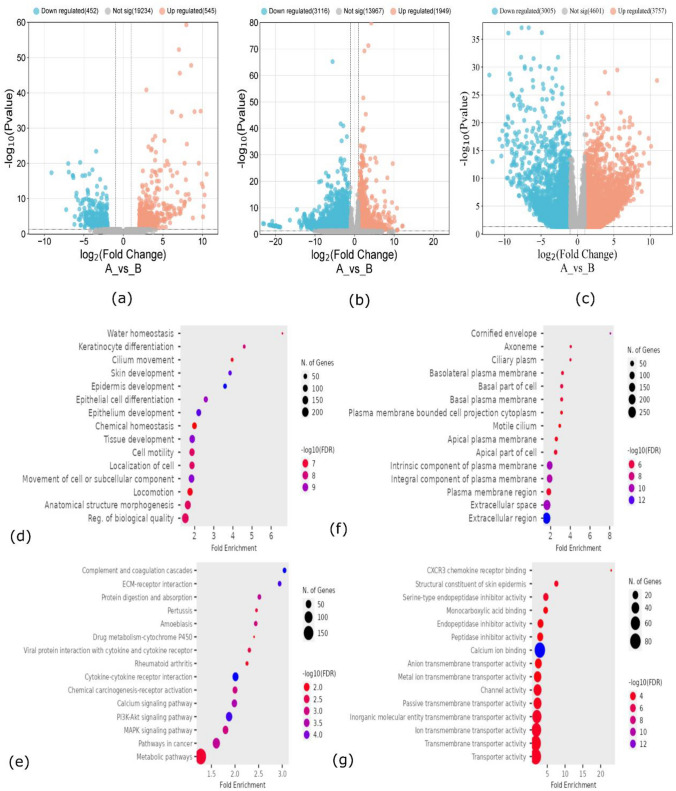 Figure 1
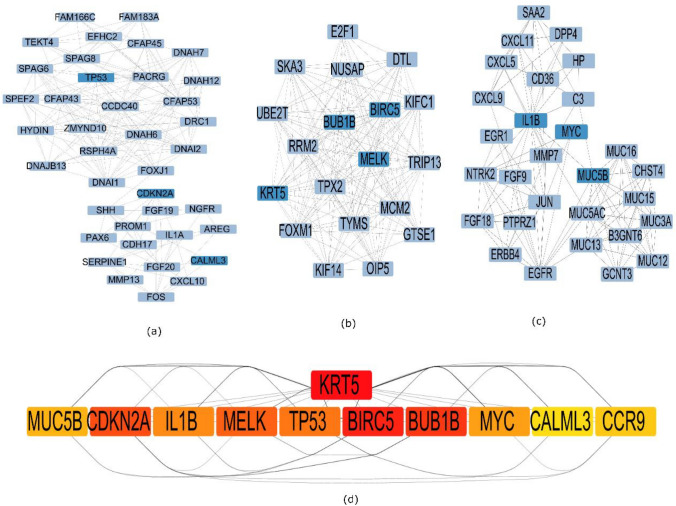 Figure 2
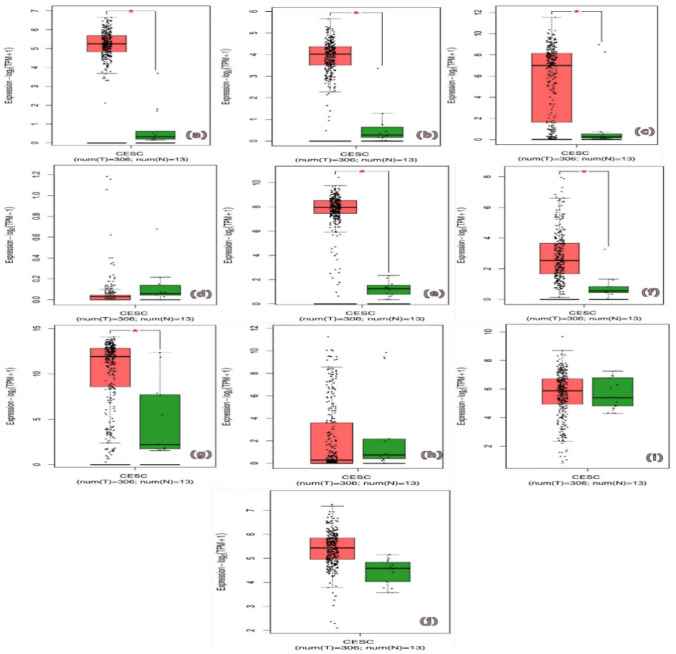 Figure 3
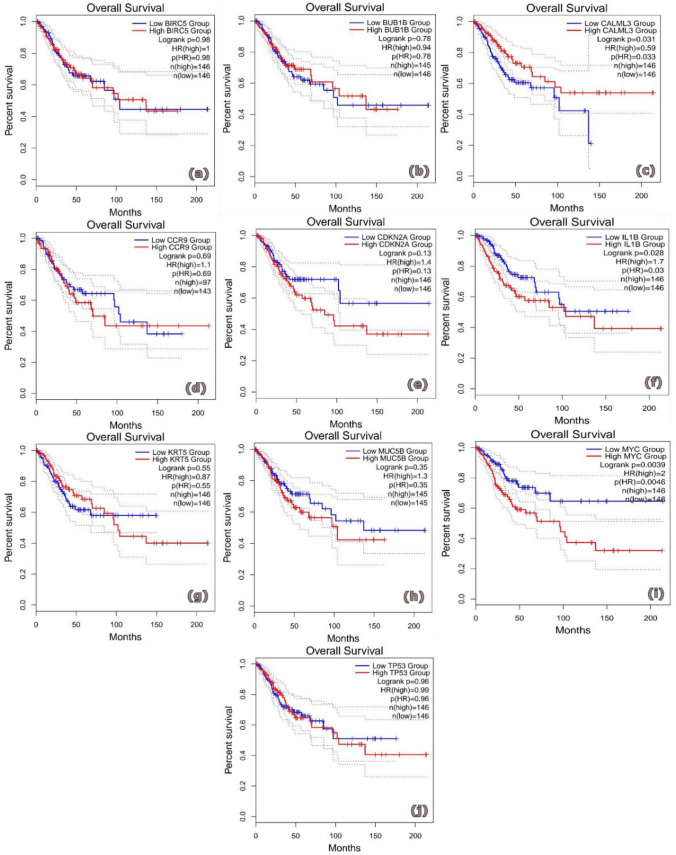 Figure 4
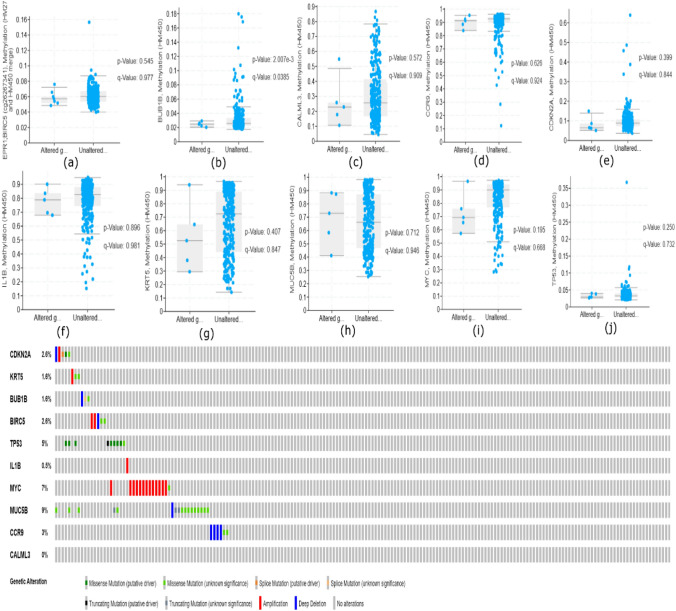 Figure 5
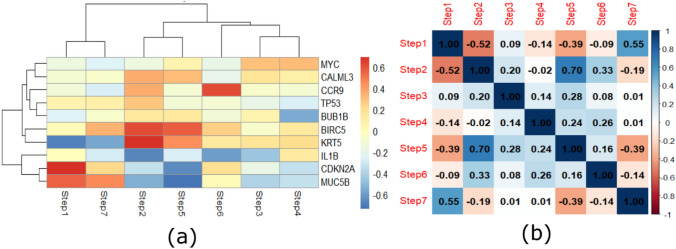 Figure 6
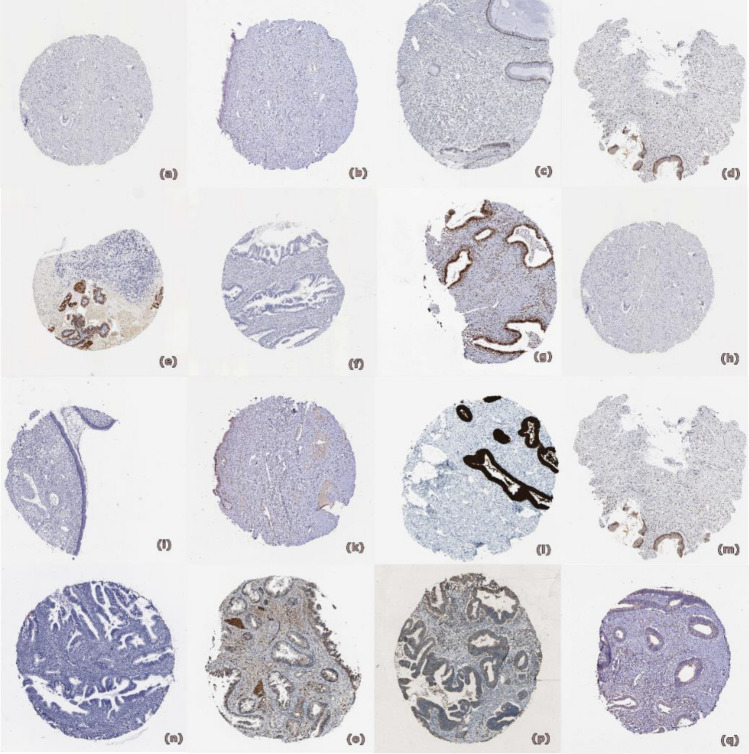 Figure 7
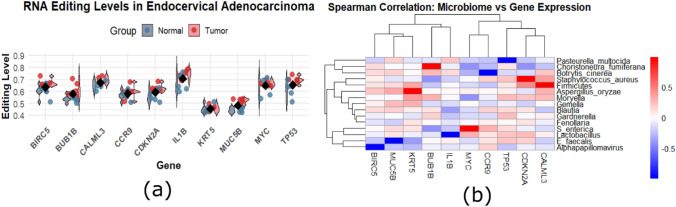 Figure 8
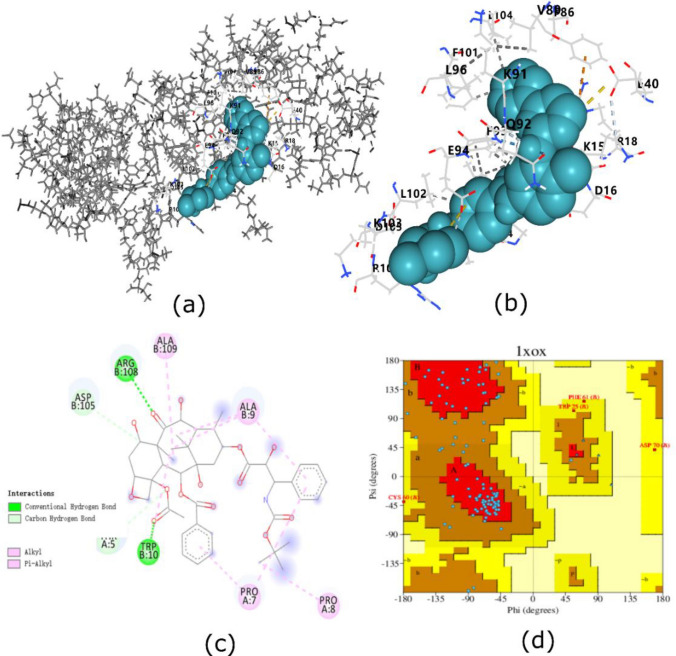 Figure 9
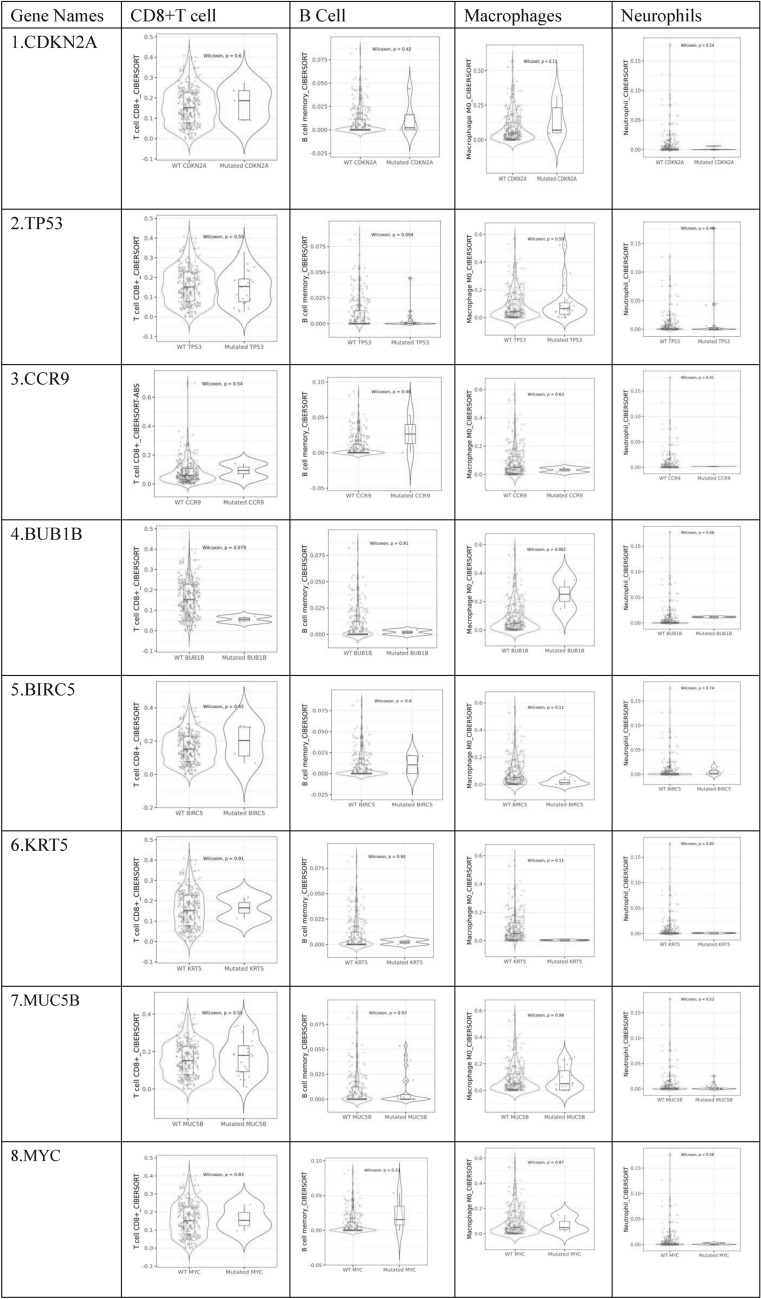 Figure 11
Peer Reviews
No public reviews on file for this paper yet. If you reviewed it on a platform where reviews are public (OpenReview, ICLR, NeurIPS, ICML), you can paste yours below so the community can read it here.
Videos
No videos yet. Explain this paper in a talk, walkthrough, or lecture? Add one.
Taxonomy
TopicsCancer-related molecular mechanisms research · Ferroptosis and cancer prognosis · RNA modifications and cancer