Bibliometric Analysis of the 100 Most-Cited Articles on Endodontic Surgery
Swapna Munaga, Ali Alaqla, Abdulmohsen Alfadley, Khalid Alfouzan, Ikram UI Haq, Rajkiran Chitumalla

TL;DR
This study analyzed the 100 most-cited endodontic surgery papers to identify trends in research, authorship, and influential topics over nearly 50 years.
Contribution
The paper provides a comprehensive bibliometric analysis of the most influential endodontic surgery research from 1976 to 2024.
Findings
Most papers were original research articles, with the United States and the University of Pennsylvania being the top contributors.
Cohort and cross-sectional studies were the most common research designs, and international collaboration was found to be significant.
Key topics included healing, MTA, and periapical surgery, with clinical studies dominating the field.
Abstract
Endodontic surgery (ES) includes numerous methods for treating teeth with a history of failed root canal treatment. This 49-year bibliometric analysis aimed to identify the 100 most-cited papers on ES published during 1976-2024 and examine their bibliometric properties. The top 100 cited publications from the Web of Science (WoS) database on ES were used as the dataset for the bibliometric research. Information regarding the publication year, single or multiple authorship, clinical or non-clinical research, mode of accessibility, level of evidence (LOE), geographic location, institution, authors, and keywords was extracted for each article. The VOSviewer (v.1.6.10; https://www.vosviewer.com) was used for co-author, co-citation, and keyword analysis. SPSS version 27 was used for data analysis. Most papers (n = 88) were original research articles, in contrast to review articles (n = 12).…
Genes, proteins, chemicals, diseases, species, mutations and cell lines named across the full text — each resolved to its canonical identifier and authoritative record.
Click any figure to enlarge with its caption.
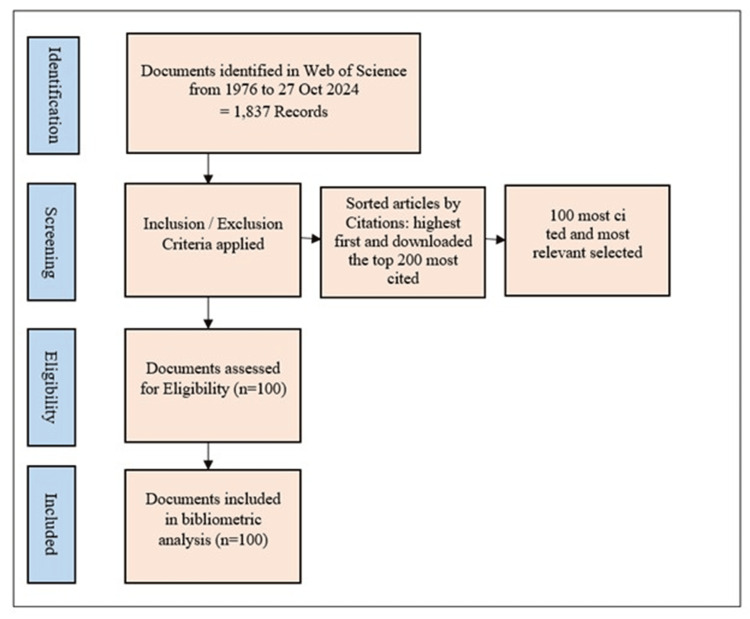 Figure 1
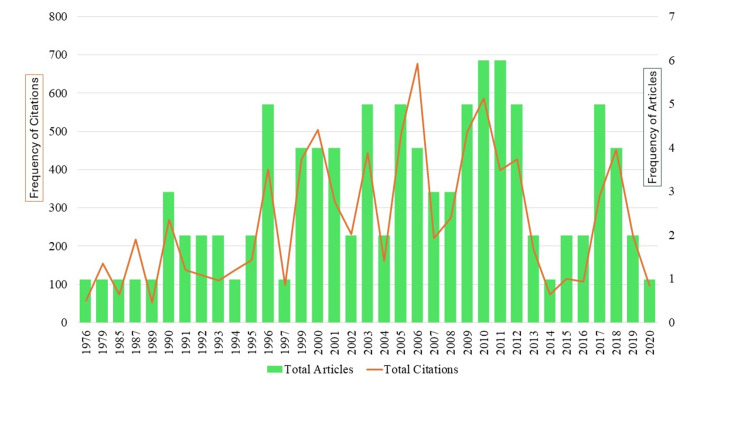 Figure 2
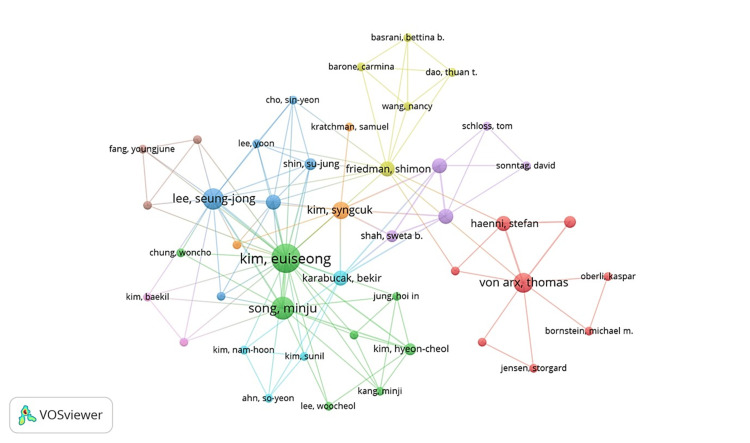 Figure 3
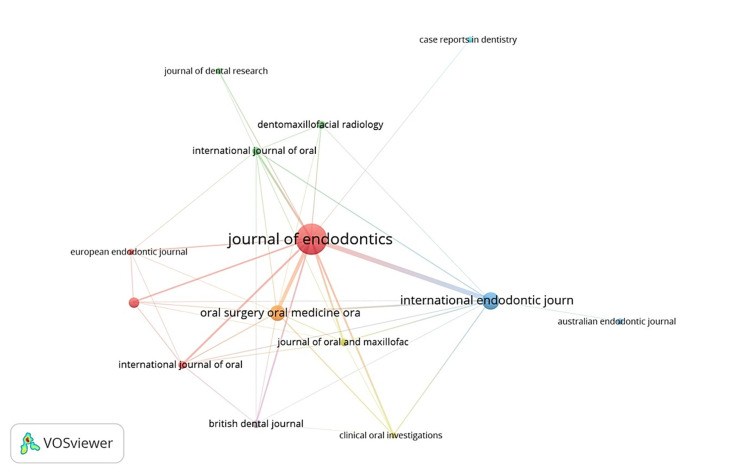 Figure 4
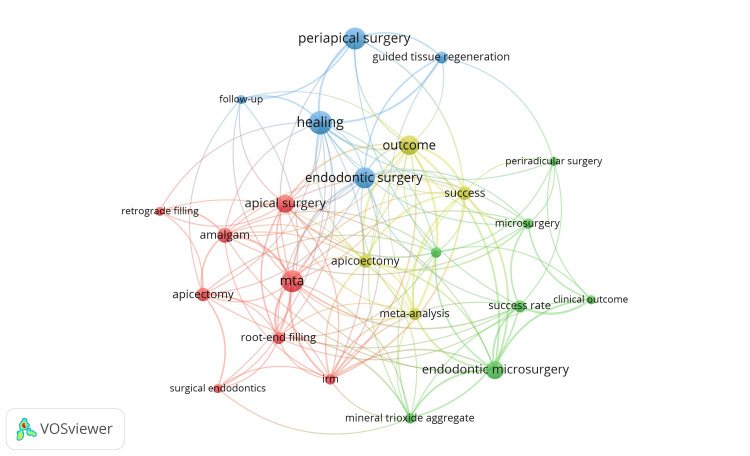 Figure 5
| Variable | Total articles | Total citations | Citation impact | Chi-square test |
| Clinical studies | 64 | 5,230 | 81.72 | 2.2448, p = 0.13 (NS) |
| Non-clinical studies | 36 | 4,021 | 111.69 | |
| Closed access (subscription-based) | 91 | 8,347 | 91.72 | 0.0669, p = 0.79 (NS) |
| Open access | 9 | 904 | 100.44 | |
| Multiple authors | 93 | 8,637 | 92.87 | 0.021, p = 0.88 (NS) |
| Single authors | 7 | 614 | 87.71 |
| LOE | Study design | Article | Citations | Total articles | Total citations | Citation impact |
| LOE I | Meta-analysis | 7 | 793 | 17 | 1,486 | 87.41 |
| RCTs | 9 | 693 | ||||
| Systematic review of RCTs | 1 | 54 | ||||
| LOE II | Clinical trials | 7 | 427 | 30 | 2,739 | 91.30 |
| Prospective cohort | 18 | 1,751 | ||||
| Retrospective cohort | 4 | 345 | ||||
| Systematic review | 1 | 216 | ||||
| LOE III | Case control | 2 | 205 | 2 | 205 | 102.50 |
| LOE IV | Case report | 10 | 791 | 24 | 1,953 | 81.38 |
| Cross-sectional | 14 | 1,162 | ||||
| LOE V | Animal study | 3 | 257 | 27 | 2,868 | 106.22 |
| Laboratory study | 12 | 1,117 | ||||
| Review | 12 | 1,494 |
| Name of the author and affiliation | Total articles | Total citations | Citation impact |
| Euiseong Kim - Yonsei University, South Korea | 11 | 729 | 66.27 |
| Syngcuk Kim - University of Pennsylvania, United States | 9 | 1,455 | 161.67 |
| Minju Song - Yonsei University, South Korea | 7 | 458 | 65.43 |
| Thomas von Arx - University of Bern, Switzerland | 6 | 540 | 90.00 |
| Shimon Friedman - University of Toronto, Canada (4) and Hebrew University of Jerusalem, Israel (2) | 6 | 423 | 70.50 |
| Massimo Del Fabbro - University of Milan, Italy | 5 | 383 | 76.60 |
| Silvio Taschieri - University of Milan, Italy | 5 | 383 | 76.60 |
| Seung-Jong Lee - Yonsei University, South Korea | 5 | 300 | 60.00 |
| Mahmoud Torabinejad - Loma Linda University, United States | 4 | 644 | 161.00 |
| Frank C. Setzer - University of Pennsylvania, United States | 4 | 492 | 123.00 |
| Eyal Rosen - Tel Aviv University, Israel | 4 | 395 | 98.75 |
| Igor Tsesis - Tel Aviv University, Israel | 4 | 395 | 98.75 |
| Simon Storgard Jensen - University of Copenhagen, Denmark | 4 | 372 | 93.00 |
| G. Pecora - University of Pennsylvania, United States | 4 | 316 | 79.00 |
| Country | Total articles | Total citations | Citation impact |
| United States | 37 | 4,038 | 109.14 |
| South Korea | 12 | 835 | 69.58 |
| Italy | 10 | 731 | 73.10 |
| Denmark | 9 | 680 | 75.56 |
| Switzerland | 8 | 755 | 94.38 |
| Israel | 7 | 585 | 83.57 |
| England | 5 | 694 | 138.80 |
| Sweden | 5 | 492 | 98.40 |
| Iran | 4 | 445 | 111.25 |
| Canada | 4 | 285 | 71.25 |
| Germany | 4 | 274 | 68.50 |
| Norway | 3 | 416 | 138.67 |
| Name of institution | Total articles | Total citations | Citation impact |
| University of Pennsylvania, United States | 13 | 1,784 | 137.23 |
| Yonsei University, South Korea | 11 | 729 | 66.27 |
| University of Milan, Italy | 8 | 589 | 73.63 |
| University of Bern, Switzerland | 6 | 540 | 90.00 |
| University of Copenhagen, Denmark | 6 | 487 | 81.17 |
| Loma Linda University, United States | 5 | 696 | 139.20 |
| Aarhus University, Denmark | 4 | 253 | 63.25 |
| Tel Aviv University, Israel | 4 | 395 | 98.75 |
| United States Department of Defense; United States Air Force | 4 | 277 | 69.25 |
| University of Toronto, Canada | 4 | 285 | 71.25 |
| Hebrew University of Jerusalem, Israel | 3 | 190 | 63.33 |
| IRCCS Istituto Ortopedico Galeazzi, Italy | 3 | 173 | 57.67 |
| Texas A&M University System, United States | 3 | 282 | 94.00 |
| Rank | Name of journal | Total articles | Total citations | Citation impact |
| 1 | Journal of Endodontics | 54 | 5,021 | 92.98 |
| 2 | International Endodontic Journal | 14 | 1,402 | 100.14 |
| 3 | Oral Surgery Oral Medicine Oral Pathology Oral Radiology and Endodontology | 13 | 1,098 | 84.46 |
| 4 | Endodontics & Dental Traumatology | 4 | 371 | 92.75 |
| 5 | International Journal of Oral and Maxillofacial Surgery | 2 | 307 | 153.50 |
| 6 | International Journal of Oral Surgery | 2 | 211 | 105.50 |
| 7 | British Dental Journal | 2 | 141 | 70.50 |
| 8 | Journal of Oral and Maxillofacial Surgery | 2 | 129 | 64.50 |
| 9 | Dentomaxillofacial Radiology | 2 | 126 | 63.00 |
| Serial number | Keyword | Occurrences | Total link strength |
| 1 | Healing | 15 | 27 |
| 2 | MTA | 14 | 30 |
| 3 | Periapical surgery | 14 | 13 |
| 4 | Endodontic surgery | 13 | 18 |
| 5 | Outcome | 12 | 34 |
| 6 | Apical surgery | 11 | 18 |
| 7 | Endodontic microsurgery | 11 | 27 |
| 8 | Amalgam | 9 | 18 |
| 9 | Apicectomy | 8 | 13 |
| 10 | Apicoectomy | 8 | 22 |
| 11 | Success | 8 | 25 |
| 12 | Guided tissue regeneration | 7 | 10 |
| 13 | Meta-analysis | 7 | 22 |
| 14 | Root-end filling | 7 | 17 |
| 15 | success rate | 7 | 19 |
| 16 | IRM | 6 | 22 |
| 17 | Microsurgery | 6 | 14 |
| 18 | Mineral trioxide aggregate | 6 | 15 |
| 19 | Prognostic factors | 6 | 13 |
| 20 | Clinical outcome | 5 | 12 |
| 21 | Follow-up | 5 | 9 |
| 22 | Periradicular surgery | 5 | 7 |
| 23 | Retrograde filling | 5 | 6 |
| 24 | Surgical endodontics | 5 | 7 |
| Field of study | Total articles | Total citations | Citation impact |
| Outcomes of endodontic surgery | 31 | 3,112 | 100.39 |
| Root end filling materials | 23 | 2,245 | 97.61 |
| Bone grafts, membranes and guided tissue regeneration | 10 | 805 | 80.50 |
| Others | 8 | 646 | 80.75 |
| Endodontic microsurgery | 7 | 904 | 129.14 |
| Radiography | 6 | 436 | 72.67 |
| Bacterial and histological evaluation | 5 | 362 | 72.40 |
| Postoperative pain | 4 | 349 | 87.25 |
| Guided endodontic surgery | 4 | 285 | 71.25 |
| Intentional replantation | 2 | 107 | 53.50 |
Peer Reviews
No public reviews on file for this paper yet. If you reviewed it on a platform where reviews are public (OpenReview, ICLR, NeurIPS, ICML), you can paste yours below so the community can read it here.
Videos
No videos yet. Explain this paper in a talk, walkthrough, or lecture? Add one.
Taxonomy
TopicsEndodontics and Root Canal Treatments · Dental Education, Practice, Research · Dental Radiography and Imaging
Introduction and background
As an accurate, scientifically grounded supplement to non-surgical root canal treatment, endodontic surgery (ES) has emerged as a viable option [1]. When conventional root canal therapy fails in clinical conditions, non-surgical retreatment is usually the preferred next step. However, complex root canal systems or previous procedural accidents may limit the success of non-surgical retreatment. In these scenarios, the best option for saving the tooth is periradicular surgery [2].
ES includes numerous methods for treating teeth with a history of failed root canal treatment, including retrograde surgery, surgical repair of perforation, resections of crown and root, and intentional reimplantation. Microsurgical endodontics is an advancement over traditional apicoectomy procedures by the integration of high magnification, ultrasonic root-end preparation, and root-end filling with biocompatible materials [1].
Bibliometric analysis is an effective technique for delineating the intellectual framework of a specific academic discipline. This is a retrospective approach employed to assess and analyze the scientific influence of research within a certain domain [3]. Academic institutions, dental researchers, professional bodies, and funding agencies generally perform bibliometric assessments to develop policies and implement necessary actions [4].
Based on the citation metrics, the bibliometric analysis generates a dataset of the most-cited articles in a certain field of knowledge, allowing researchers to better understand research trends [5]. The publications that are frequently cited by peer researchers in their scholarly work are considered to be among the most cited [6]. Citations have the potential to be used as indicators of a publication’s influence in the context of the constantly growing body of scientific literature [7].
The level of evidence (LOE) rating system is used to assess the methodological quality of the research [8]. Higher levels of evidence generally represent a more rigorous methodology that yields reliable and reproducible results [9]. The Oxford Center for Evidence-based Medicine LOE is a prominent ranking system that has been widely used and adapted by numerous journals and researchers [10].
Numerous studies have examined trends in endodontic research through bibliometric analyses, assessing the most-cited articles in regenerative endodontics, management of fractured instruments, and scientometrics of endodontic journals [11-13]. Despite the large amount of scientific material published on surgical endodontics, there have been no bibliometric studies in this field of dentistry. Hence, this study aimed to identify the 100 most-cited articles on ES and analyze the productive years, type of research, LOE, keywords, top cited authors, institutions, geographic location and field of study.
Review
Methodology
Search Strategy
The study utilized the quantitative bibliometric approach to the data set obtained from the Expanded Science Citation Index database retrieved on October 27, 2024, via the Web of Science (WoS) Core Collection. The phrases utilized for the search strategy were “endodontic surgery” OR “surgical endodontics” OR “periradicular surgery” OR “endodontic microsurgery” OR “microsurgical endodontics” OR “endodontic retrograde surgery” OR “periapical surgery” OR “apicoectomy” OR “retrofilling” OR “micro endodontic surgery” OR “endodontic surgical management” OR “retrograde endodontic treatment” OR “surgical perforation repair” OR “surgical crown root resection.”
Inclusion and Exclusion Criteria
A WOS search was conducted for publications from 1976 to October 27, 2024. This resulted in 1,837 records. The analysis included only articles and review documents. Documents that were not directly related to ES and meeting abstracts, editorials, letters, and book chapters were excluded. The identified records were sorted by citation count in descending order, and the top 200 most-cited articles were downloaded in the first phase. Two reviewers, AA and SK, independently evaluated the results and selected the top 100 cited articles. Any differences that arose during the screening of the titles were resolved through discussion. The methodology is shown in Figure 1.
Flowchart illustrating the screening process of articles.WOS: Web of Science database
Bibliometric Indicators
The 100 most-cited articles were examined, and the following information was extracted: publication year, single or multiple authorship, clinical or non-clinical research, mode of accessibility, LOE, keywords, top-cited authors, institutions, geographic location, and field of study. The study fields included were outcomes of ES, root-end filling materials, bone grafts, membranes and guided tissue regeneration, endodontic microsurgery, imaging, bacterial and histological evaluation, postoperative pain, guided ES intentional replantation, and others. Studies that did not fit in the above fields were grouped under others.
Statistical Analysis
Data analysis was performed using Microsoft Excel version 16 (Microsoft Corp., Redmond, WA, USA). Descriptive statistics, including frequency and percentage, were calculated for all collected variables and displayed as tables and figures. SPSS version 27 (IBM Corp., Armonk, NY, USA) was utilized to evaluate data for single or multiple authorship, clinical or non-clinical research, and mode of accessibility. A p-value less than 0.05 was deemed indicative of statistical significance. Co-author, co-citation, and keyword analyses were conducted using VOS viewer software version 1.6.20.
Ethical Considerations
The King Abdullah International Medical Research Center’s Institutional Review Board authorized the research (reference number: NRR24/062/12). As it was a retrospective examination of open data, ethical approval was not necessary.
Results
Distribution of 100 Most-Cited Articles and Citation Metrics by Year
The 100 most-cited publications on ES were published between 1976 and 2020. Not a single article from 2021 made it into the top 100 cited articles. Figure 2 illustrates the annual distribution of publications and citations. For the first 20 years (1976-1995), productivity was low (n = 17), with the first notable increase in 1996, as documented by five studies. A total of 69 papers were published in the following two decades (2001-2020). The most cited articles have received 9,251 citations, averaging 92.51 citations per article. A discernible trend of rising citations is evident, especially post-1990s, culminating in a peak of 677 citations in 2006.
Annual distribution of top-cited publications and citations.
Distribution of Most-Cited Articles Based on Clinical Significance, Accessibility Mode, and Authorship Pattern
The examination of clinical and non-clinical research studies revealed that clinical studies had a markedly greater number of highly cited publications (n = 64) in contrast to non-clinical studies (n = 36). Nonetheless, non-clinical studies exhibited a greater citation impact. The chi-square analysis found no significant statistical correlation between study type (clinical/non-clinical) and citation count (p = 0.13) (Table 1).
Closed-access articles significantly outnumbered open-access ones, with counts of 91 and 9, respectively. On average, citations to open-access papers were somewhat higher than those to closed-access ones. The open-access publications received an average of 100.44 citations each, while the closed-access articles averaged 91.72 citations each. There was no statistically significant difference in articles and citations between closed and open-access publications according to the chi-square analysis (p = 0.79) (Table 1).
In total, 93 articles were authored by multiple authors and garnered 8,637 citations. On average, each publication in this category was cited 93 times. Only seven papers were authored by a single author, yet these works garnered 614 citations, averaging 88 citations per article. Collaborative research articles authored by multiple contributors achieved enhanced citation effect due to their increased visibility within the academic community. The chi-square test revealed no statistically significant relationship between authorship pattern (multiple/single author) and citation count (p = 0.88) (Table 1).
Distribution of the Most-Cited Articles Based on Study Design and LOE
The analysis of publication types reveals that most papers (n = 88) were original research articles, in contrast to review articles (n = 12). Table 2 shows articles distributed by research design and LOE (taken from the modified Oxford Level of Evidence Scale).
According to the LOE, LOE II consisted of over 25% of the articles (n = 29), followed by LOE V (n = 27), LOE IV (n = 24), and LOE I (n = 18). LOE III contained the fewest articles (n = 2). Cohort (22%), cross-sectional (14%), and laboratory studies and reviews (12% each) were the most common research types. Together, meta-analyses (MAs), systematic reviews (SRs), and randomized controlled trials (RCTs) constituted 17% of the research.
LOE II exhibited the maximum number of publications, and cohort studies were chosen as the preferred study design. The most impactful research pertained to LOE V and LOE III, which had high citation impacts of 106.22 and 102.50, respectively.
Author-Wise Distribution of the Most-Cited Articles
In total, 269 authors contributed to the 100 most-cited articles. Of the authors, 85% (n = 229) had written a single paper. Overall, 15 authors contributed to two articles, and 11 authors contributed to three articles. More than three articles were written by 14 authors (Table 3). Most papers were authored by Yonsei University’s Euiseong Kim (n = 11), followed by Syngcuk Kim from the University of Pennsylvania (n = 9) and Minju Song from Yonsei University (n = 7).
The articles authored by Syngcuk Kim from the University of Pennsylvania received the highest citation impact of 161.67, closely followed by Mahmoud Torabinejad from Loma Linda University with a citation impact of 161.00. Shimon Friedman contributed six articles, four under the affiliation of Canada and two under Israel.
“Modern endodontic surgery concepts and practice: a review,” authored by Kim S, gained the highest citations in ES, followed by “Mineral trioxide aggregate and other bioactive endodontic cements: an updated overview - part II: other clinical applications and complications,” authored by Torabinejad M.
Country and Institution-Wise Distribution of the Most-Cited Articles
In total, 12 countries’ authors contributed to more than two articles (Table 4). Eight different countries contributed to one article, while five countries contributed to two articles. Over one-third of articles are from the United States (n = 37). South Korea and Italy rank second and third, with 12 and 10 articles, respectively. The citation impact of England (138.80 citations per article) was the highest, followed by Norway (138.67), the United States (109.14), and Iran (111.25).
A total of 79 institutions were identified. In total, 13 institutes published more than two articles (Table 5). The University of Pennsylvania ranked first with 13 papers, followed by Yonsei University and the University of Milan with 11 and 8 articles, respectively. Loma Linda University (139.20) and the University of Pennsylvania (137.23) exhibited the highest citation impact per article, signifying a substantial influence of their research in the field. This might have resulted from pioneering or highly specialized research.
Co-Authorship Analysis
In co-authorship networks, nodes represent authors or organizations, which are connected when they share the authorship of a paper. Figure 3 shows the VOSviewer author co-authorship network in the field of ES. The analysis included authors with at least one publication and no minimum requirement for citations. In total, the map highlights 44 authors grouped into nine clusters. Among them, Euiseong Kim from Yonsei University in South Korea stands out as the most collaborative, with 11 papers to his name. His main collaborators include Minju Song (total link strength; TLS = 22), also from Yonsei University, and Hyeon-Cheol Kim (TLS = 8) from Pusan National University. The next most collaborative authors were Seung-jong Lee (TLS = 25) and Minju Song (TLS = 22).
Co-authorship network of publications.The size of the nodes is proportional to the number of publications by the author represented by the node, and the thickness of the edges between nodes reflects the strength of the collaboration between the authors.
Predominantly Utilized Publishing Sources
The 100 most-cited articles appeared in 14 distinct journal publications, with the majority (n = 95) appearing in the top nine journals, as shown in Table 6. According to the data, the Journal of Endodontics published more than half (n = 54) of the articles. The International Endodontic Journal produced a moderate number of papers (n = 13), yet these articles had a rather high citation impact (107.85).
Figure 4 highlights the VOSviewer co-citation network of the 14 journals that met the citation threshold, forming seven clusters. The Journal of Endodontics topped the list with a TLS of 356, followed by the International Endodontic Journal (TLS = 176) and Oral Surgery Oral Medicine Oral Pathology Oral Radiology and Endodontics Journal (TLS = 142). This highlights local-global collaboration and cross-disciplinary research trends.
Journal co-citation network of the journals with the highest number of publications on endodontic surgery.The size of the nodes is proportional to the number of times the journal has been cited, and the thickness of the edges is proportional to the strength of the co-citation relationship between the journals.
Keyword Analysis
The study employed VOSviewer software to analyze the co-occurrence network of keywords. A total of 238 keywords were identified, with 24 keywords meeting the criteria of appearing at least five times in the dataset. Table 7 presents the top 24 keywords along with their frequencies and TLS. The “occurrences” column indicates how often each keyword appears in the articles, while the TLS measures the frequency and intensity of connections between that keyword and others in the dataset.
These 24 keywords were grouped into four distinct clusters (Figure 5). Cluster 1 includes eight keywords: amalgam, apical surgery, apicectomy, IRM, MTA, retrograde filling, root-end filling, and surgical endodontics. Cluster 2 contains seven keywords: clinical outcome, endodontic microsurgery, microsurgery, mineral trioxide aggregate, periradicular surgery, prognostic factors, and success rate. Cluster 3 consists of five keywords: endodontic surgery, follow-up, guided tissue regeneration, healing, and periapical surgery. Lastly, Cluster 4 comprises four keywords: apicoectomy, meta-analysis, outcome, and success. These clusters highlight the main research areas within ES, showcasing the evolution of research trends and the prominent themes explored in the most highly cited articles.
Co-occurrence network of authors’ keywords.
Distribution of Most-Cited Articles According to the Field of Study
The most-cited papers were categorized according to their respective fields of study (Table 8). Over 50% of the articles (n = 54) pertained to the field of “outcomes of ES,” followed by “root end filling materials” (n = 23). Articles pertaining to “Endodontic microsurgery” received the highest citation frequency and impact (129.14), followed by “Outcomes of endodontic surgery” (100.39) and “Root end filling materials” (97.61).
Discussion
This study used a thorough retrospective quantitative bibliometric approach to analyze the bibliometric characteristics of the 100 most-cited publications on ES published in the WoS database during a span of 49 years, from 1976 to 2024. An exciting new age in endodontics, specifically ES, began in the 1990s with the invention of mineral trioxide aggregate (MTA), the first bioceramic material [14]. The increase in publications since the early 1990s suggests that ES research is becoming more and more important. This is probably due to factors such as improvements in magnification, the advancement of biomimetic retro filling materials, the introduction of microsurgical tools, the incorporation of ultrasonics, the expansion of research institutions, better funding opportunities, and more collaborative research projects.
In the present study, articles authored by multiple authors were more frequent and received more citations than single-authored articles. Although not statistically significant, collaborative research articles with multiple authors demonstrated an increased citation impact. The presence of additional authors enhances interest and visibility through their personal networks in the academic community, especially when multiple countries are involved [15].
According to the current research, 36 studies were non-clinical, and 64 studies were clinical. However, non-clinical research had a higher influence on citations. This suggests that non-clinical research had a greater impact on academia, even if clinical research was more prevalent. The findings contradict a study that identified the 100 most-cited publications in regenerative periodontal surgery, with 28 articles classified as clinical and 72 as non-clinical studies [16]. ES has received increased clinical attention as it is structured as scientific trials to learn more about disease, potential therapies, and outcomes.
Our LOE analysis showed that most articles were LOE II (n = 29), followed by LOE V (n = 27) and LOE IV (n = 24). LOE-III contained the fewest articles (n = 2), followed by LOE I (n = 18). Cohort (22%), cross-sectional (14%), and laboratory studies and reviews (12%) were the most common research types. This indicates that the majority of the most-cited articles in ES encompassed study designs of both high and low levels of evidence. Similarly, LOE III and I had the least dispersion of papers, according to bibliometric research by Jamjoom et al. [17] on the LOE analysis of the Saudi Dental Journal’s publications from 2012 to 2021. Rajeh and Khayat [9] highlighted that LOE-I research (MAs, SRs, and RCTs) necessitates advanced skills, adequate resources, considerable time dedication, and professional commitment.
Notably, in the current study, the total citations were the greatest for LOE V papers, especially for review articles. Similar findings were reported in a bibliometric study that examined the 100 most-cited papers in regenerative periodontics surgery [16]. The emergence of innovative bioceramic materials has enabled many laboratory investigations, reviews, and observational studies utilizing them as root-end filling materials, thus establishing this as a significant research domain for scholars in our study.
The Journal of Endodontics published more than half of the articles, followed by the International Endodontic Journal. In an analysis on the most-cited publications in endodontic journals, Fardi et al. [11] observed that the Journal of Endodontics published almost half of the papers. This may be attributed to its status as the oldest journal (1975) and its designation as the official journal of the American Association of Endodontists, rendering it a crucial publication for endodontic specialists.
The United States was the leading country in the top 50 endodontic microbiology classics, according to a study by Karobari et al. [18]. Our research also showed that the United States ranks first in terms of total articles. Despite publishing fewer publications, Norway and England have higher citation impacts. Most of their research designs were funded cohort studies, and they focused on the healing and outcomes after endosurgery and novel root end filling materials.
Euiseong Kim from Yonsei University, South Korea was the most prolific contributor with 11 articles. The publications by Syngcuk Kim from the University of Pennsylvania achieved the highest citation impact, followed by Mahmoud Torabinejad from Loma Linda University. S. Kim is a pioneer in microsurgical endodontics. M. Torabinejad’s remarkable research has resulted in the creation of MTA, which transformed ES. A survey identifying the top 100 endodontic publications in terms of citations designated M. Torabinejad as the most prolific author in the field [19].
The utilization of keywords increases the impact of an article [20]. Keyword mapping can be employed to illustrate the expansion of research in ES. According to the co-occurrence network of keywords analysis, the high frequency keywords in the field of ES includes “Healing,” “MTA,” “Periapical surgery,” “Outcome,” “Endodontic microsurgery,” “Amalgam,” “Apicoectomy,” “Success,” “Guided tissue regeneration” and “root end filling.” Our research is the first of its kind to employ keyword analysis in the context of ES.
The study field with the greatest number of cited articles was outcomes of ES, followed by root-end filling materials. Similarly, Ahmad et al. [21] supported these results, and the majority of the top 50 most-cited publications in the International Endodontic Journal were outcome studies. The emergence of innovative bioceramic materials has enabled many laboratory investigations, reviews, and observational studies utilizing them as root-end filling materials, so establishing this as a significant research domain for scholars in our study.
This study possesses multiple substantial implications. It reveals significant trends and collaborative networks that can guide future research directions. The recognition of important authors, institutions, and nations engaged in this field highlights the significance of global cooperation in progressing endodontic surgery.
Limitations
This analysis was confined to documents obtained from the dataset sourced from WoS. Some significant and relevant articles may have been missed. The study’s reliance on specific keywords for identifying scientific literature may have resulted in the exclusion of relevant research that did not utilize such phrases. Future bibliometric analyses could address these limitations by incorporating additional keywords and databases, offering a broader view of research trends.
Despite these limitations, the findings offer essential guidance for future research in ES. The study highlights influential publications and active institutions, providing a foundation for refining national research strategies.
Conclusions
This 49-year bibliometric analysis (1976-2024) is the first of its kind that provides an in-depth description of the 100 most influential articles in ES. This research highlights a global dynamic and expanding scholarly landscape, marked by a surge in the last two decades. Articles authored by multiple authors have gathered the highest citations. LOE II exhibited the greatest number of publications. Cohort and cross-sectional studies were the most common research types. The United States and the University of Pennsylvania were the top producers. The Journal of Endodontics published more than half of the articles. Euiseong Kim from Yonsei University in South Korea and Syngcuk Kim from the University of Pennsylvania in the United States were the most prolific authors. Euiseong Kim also stands out as the most collaborative author. The most frequently occurring keywords in the majority of publications were “Healing,” “MTA,” “Periapical surgery,” “Outcome,” “Endodontic microsurgery,” “Amalgam,” “Apicoectomy,” “Success,” “Guided tissue regeneration,” and “root end filling.” These keywords highlighted the most focused areas in the field of ES.
The reference list from the paper itself. Each links out to its DOI / PubMed record.
- 1Present status and future directions: surgical endodontics Int Endod J Setzer FC Kratchman SI 1020105855 Suppl 420223567005310.1111/iej.13783 · doi ↗ · pubmed ↗
- 2Clinical decision-making regarding endodontic therapy vs extraction and implant-assisted replacement: a systematic review and meta-analysis Gen Dent Sayed ME Jurado CA Tsujimoto A Garcia-Cortes JO 5257692021 https://pubmed.ncbi.nlm.nih.gov/3335095633350956 · pubmed ↗
- 3Scientometric evaluation of endodontic publications by Gulf Cooperation Council region in 21st century Saudi Dent J Alfadley AA Ul Haq I Alfawaz HA Jamleh AO 1071133420223524189910.1016/j.sdentj.2021.12.003PMC 8864376 · doi ↗ · pubmed ↗
- 4Bibliometric analysis of the 100 most-cited Articles on periodontics in the Arab world Cureus Aljabbary RS Ul Haq I Shujaat S 015202310.7759/cureus.45734 PMC 1051380737745745 · doi ↗ · pubmed ↗
- 5The evolution of dental journals from 2003 to 2012: a bibliometric analysis P Lo S One Jayaratne YS Zwahlen RA 010201510.1371/journal.pone.0119503 PMC 436389625781486 · doi ↗ · pubmed ↗
- 6The top 100 most cited articles published in dentistry: 2020 update Healthcare (Basel) Asiri FY Kruger E Tennant M 356920213380101310.3390/healthcare 9030356 PMC 8003932 · doi ↗ · pubmed ↗
- 7Citations, citation indicators, and research quality: an overview of basic concepts and theories SAGE Open Aksnes DW Langfeldt L Wouters P 215824401982957592019
- 8The characteristics and level of evidence of clinical studies published in 5 leading orthodontic journals J Evid Based Dent Pract Chen Y Hua F Mei Y Thiruvenkatachari B Riley P He H 2732821920193173210310.1016/j.jebdp.2019.03.001 · doi ↗ · pubmed ↗