Preparation of Magnetic Carbon Composite from Waste Amine-Oxime Resin and Its Adsorption Properties for Chromium
Haoyu Wang, Xianzhuo Su, Hongdan Yu, Yuhang Yuan, Jing Wu, Wenchao Yang, Chunlin He

TL;DR
This paper describes converting waste resin into a magnetic material that effectively removes chromium from water.
Contribution
The novel contribution is converting waste amidoxime resin into a magnetic carbon composite for efficient Cr(VI) adsorption.
Findings
The magnetic composite achieved a maximum Cr(VI) adsorption capacity of 197.63 mg/g under optimized conditions.
The adsorption process followed pseudo-second-order kinetics and Langmuir isotherm models with high correlation coefficients.
Functional groups like -C=O, C-O, and Fe-O were confirmed to play a key role in Cr(VI) adsorption via FTIR and XPS spectroscopy.
Abstract
A waste amidoxime chelate resin (WAR) was converted into a magnetic composite adsorbent (MCA) via carbonization and magnetization for the effective removal of Cr(VI). Under optimized conditions (pH = 1, 30 °C, 1 h), the adsorbent achieved a maximum Cr(VI) adsorption capacity of 197.63 mg/g. The adsorption process conformed to the pseudo-second-order kinetic model (R2 > 0.98) and Langmuir isotherm model (R2 > 0.99). The materials can be separated by magnetism. The primary mechanism for the adsorption of Cr(VI) involved monolayer chemisorption. FTIR spectroscopy confirmed the dominant role of -C=O, C-O, and Fe-O in the adsorption process. XPS spectroscopy confirmed the dominant role of -C=O and C-O in the adsorption process. The successful conversion of the WAR into an MCA not only mitigates waste accumulation but also provides a cost-effective strategy for heavy metal remediation.
Genes, proteins, chemicals, diseases, species, mutations and cell lines named across the full text — each resolved to its canonical identifier and authoritative record.
Click any figure to enlarge with its caption.
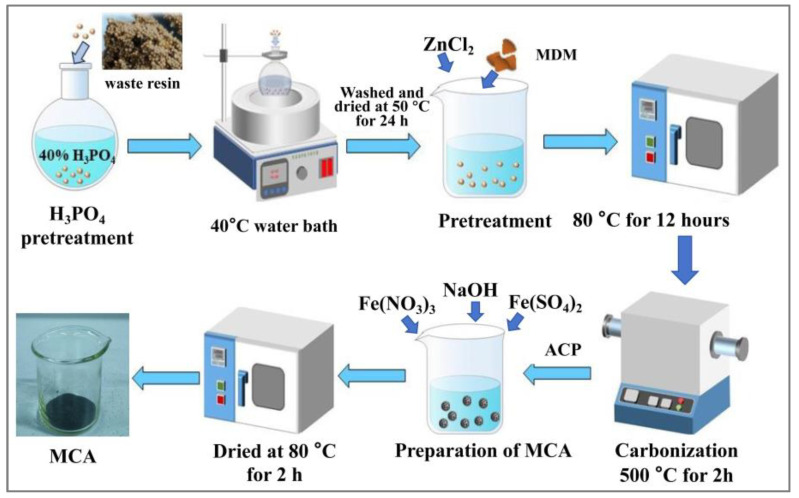 Figure 1
 Figure 2
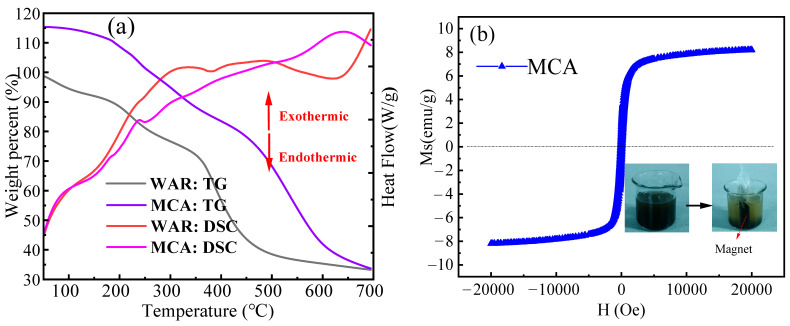 Figure 3
 Figure 4
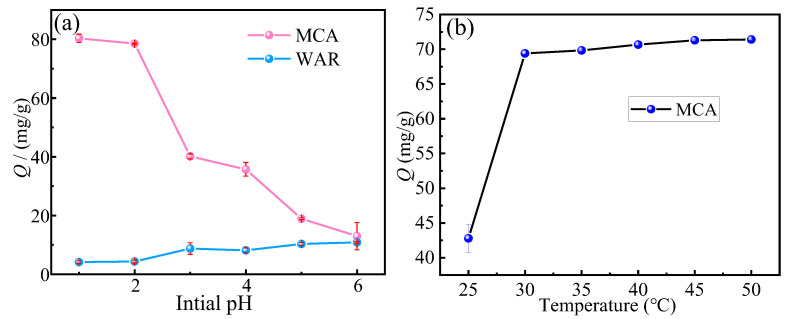 Figure 5
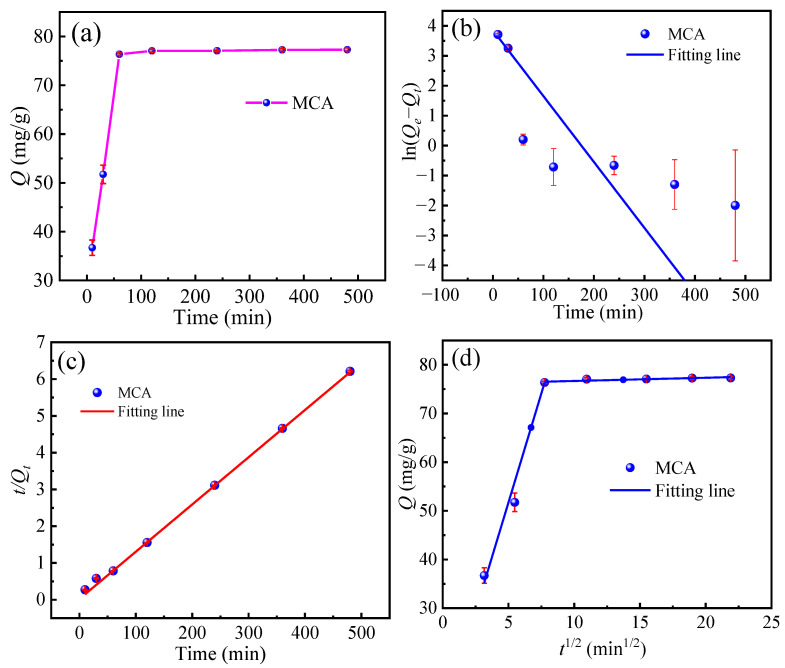 Figure 6
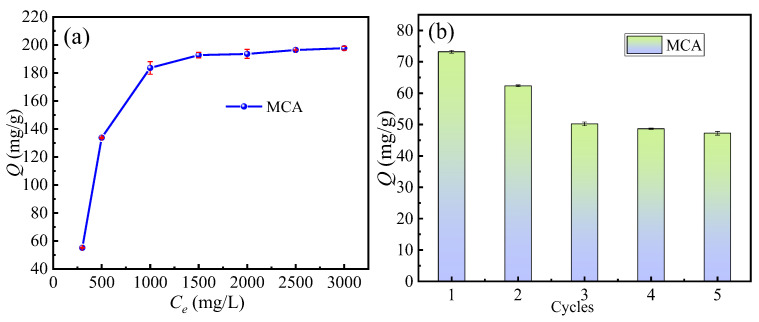 Figure 7
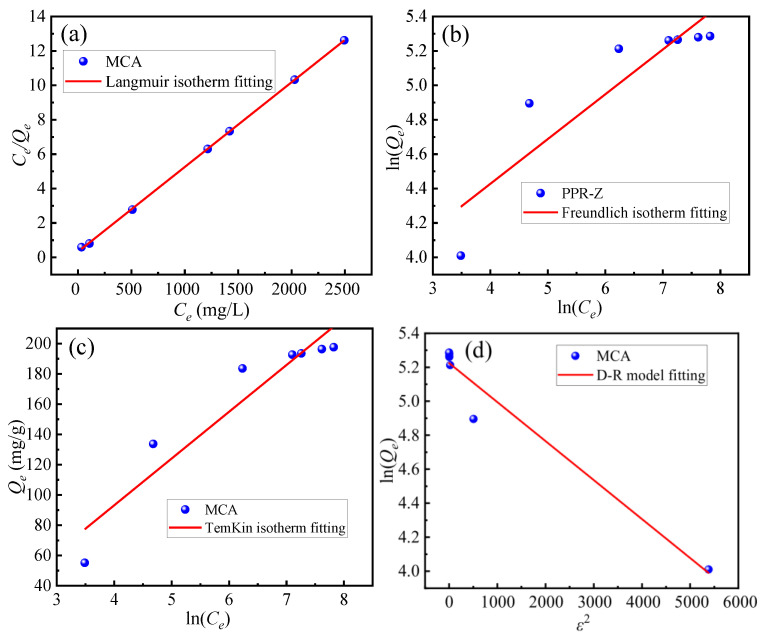 Figure 8
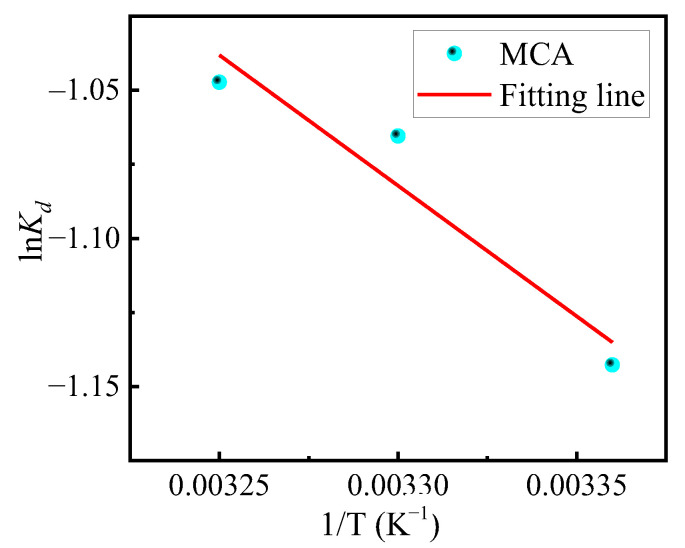 Figure 9
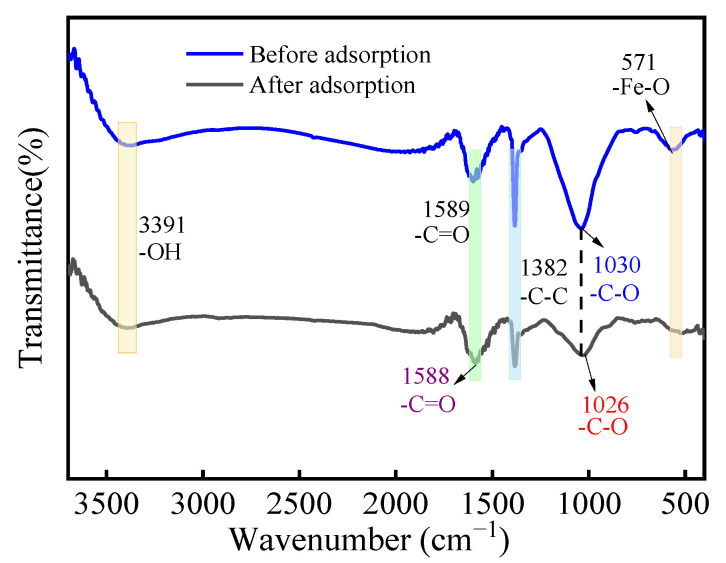 Figure 10
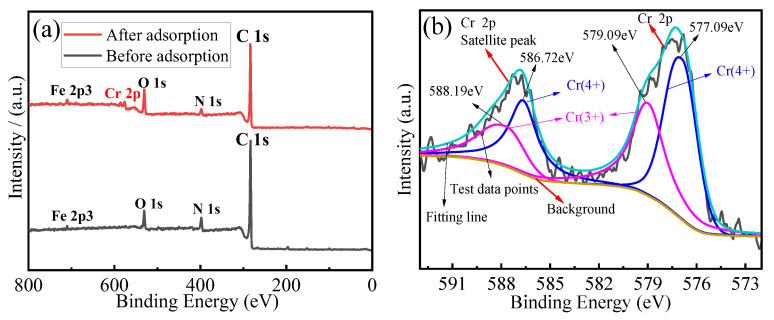 Figure 11
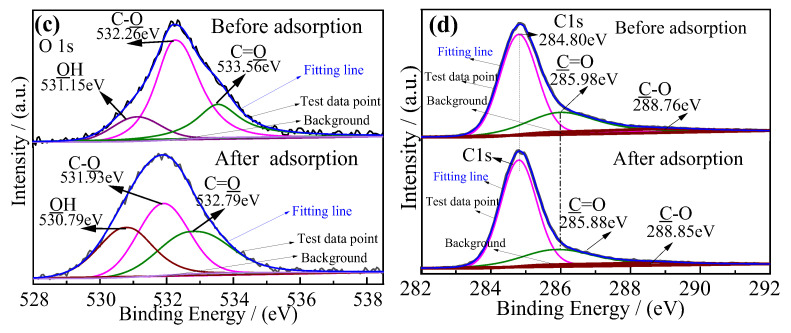 Figure 12
Peer Reviews
No public reviews on file for this paper yet. If you reviewed it on a platform where reviews are public (OpenReview, ICLR, NeurIPS, ICML), you can paste yours below so the community can read it here.
Videos
No videos yet. Explain this paper in a talk, walkthrough, or lecture? Add one.
Taxonomy
TopicsAdsorption and biosorption for pollutant removal · Nanomaterials for catalytic reactions · Environmental remediation with nanomaterials