Eco-Friendly Adhesion of Isosorbide-Based Polycarbonate
Ruiqi Han, Kazuaki Matsumura, Masayuki Yamaguchi

TL;DR
This paper explores an eco-friendly way to improve adhesion of a polycarbonate material using a modified adhesive.
Contribution
A 1 wt.% addition of a vinyl alcohol and butenediol copolymer significantly enhances adhesion to isosorbide-based polycarbonate.
Findings
Adding 1 wt.% of a specific copolymer improves lap-shear strength of isosorbide-based polycarbonate.
The copolymer dissolves in the polycarbonate, leading to transparency and low contact angle.
The method offers an eco-friendly alternative to traditional adhesives by reducing microplastic pollution.
Abstract
We investigated the practical adhesion of a conventional poly(vinyl alcohol) glue with a glassy isosorbide-based polycarbonate (ISB-PC) comprising isosorbide and 1,4-cyclohexanedimethanol. The addition of 1 wt.% of a copolymer of vinyl alcohol and butenediol to the ISB-PC greatly improved its lap-shear strength. This improvement may be attributed to the dissolution of the copolymer chains in the ISB-PC, which had a low water droplet contact angle. Furthermore, the blend was transparent because most of the copolymer chains dissolved in the ISB-PC. Microplastics present a serious environmental issue, even for adhesives. Therefore, the present technique to modify ISB-PC to show good lap-shear strength with a biodegradable glue is attractive.
Genes, proteins, chemicals, diseases, species, mutations and cell lines named across the full text — each resolved to its canonical identifier and authoritative record.
Click any figure to enlarge with its caption.
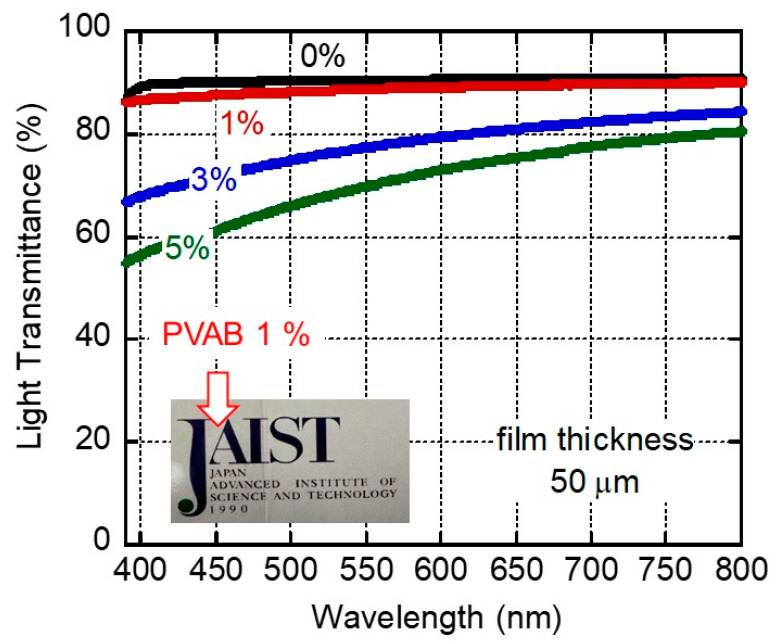 Figure 1
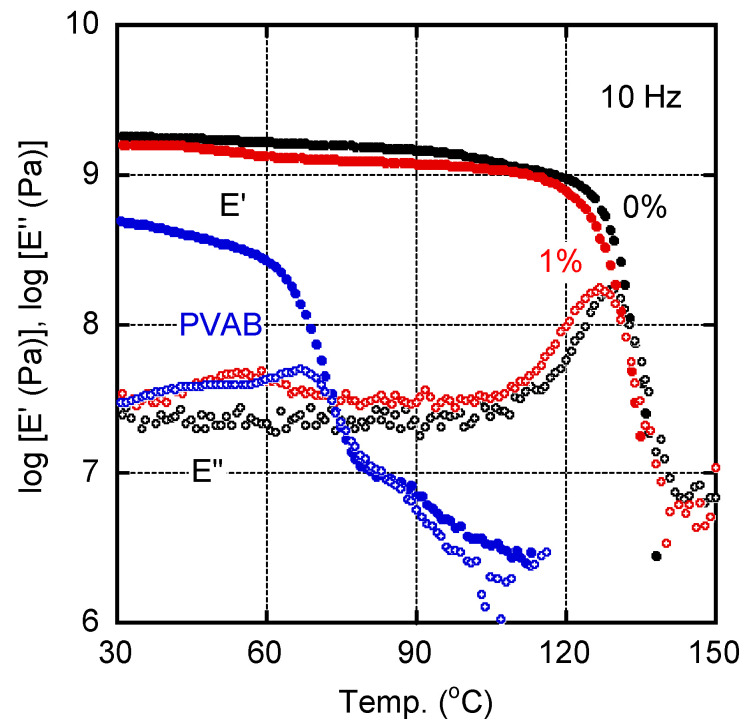 Figure 2
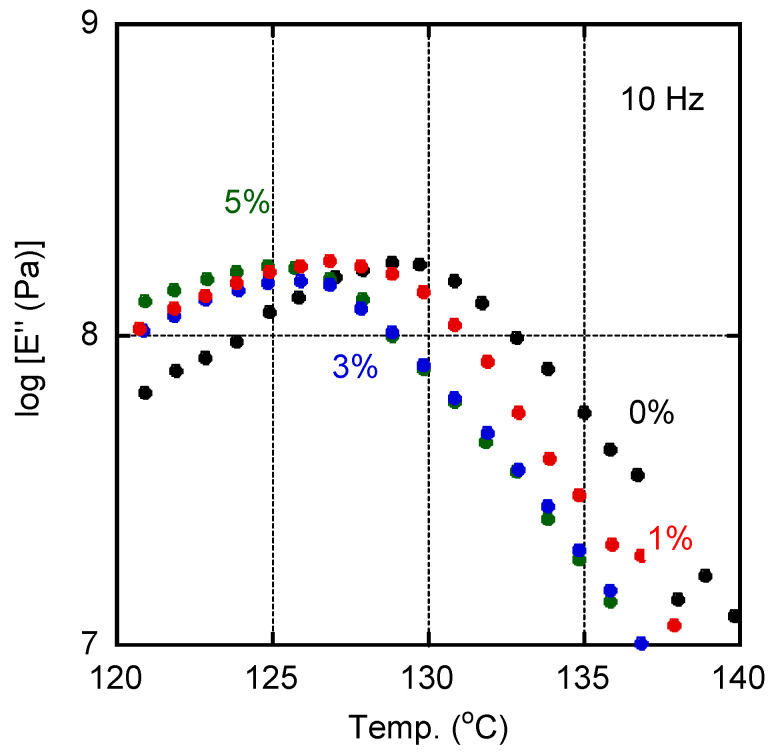 Figure 3
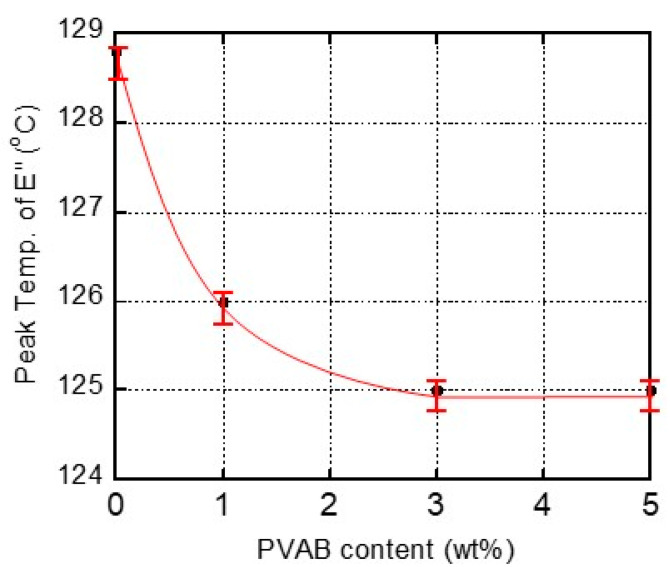 Figure 4
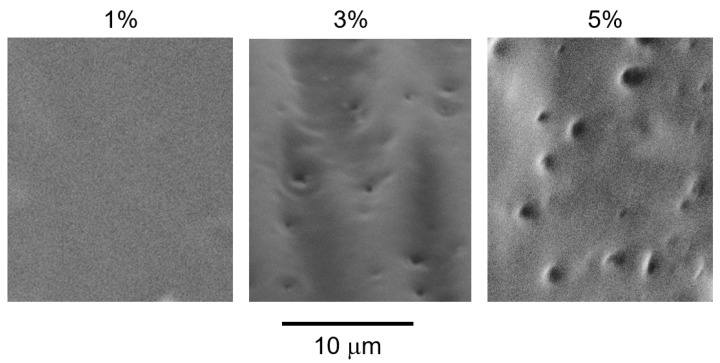 Figure 5
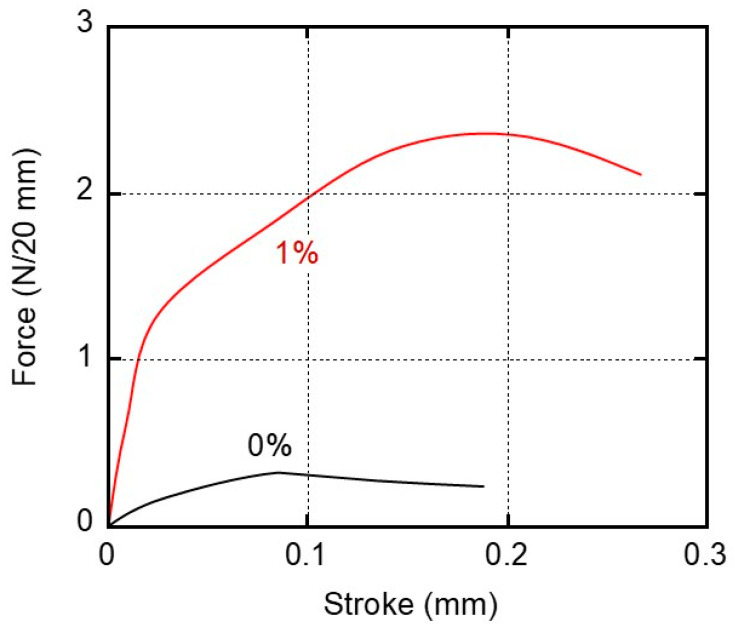 Figure 6
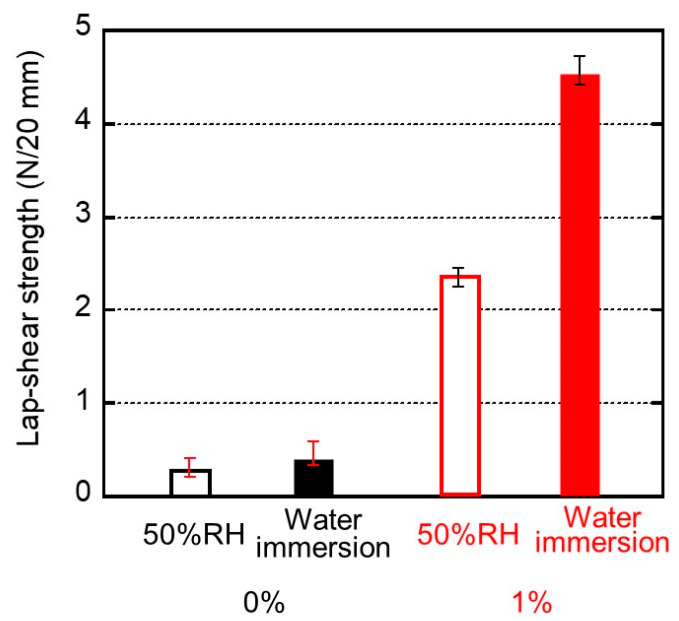 Figure 7
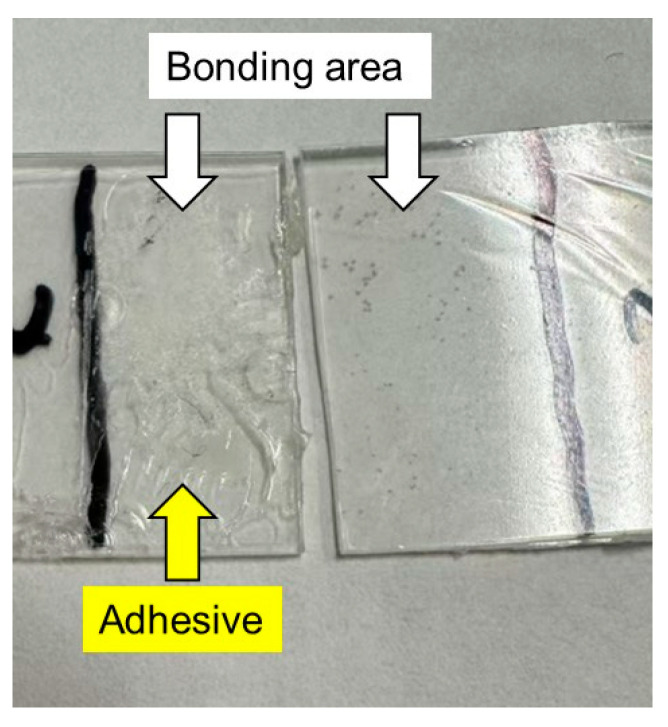 Figure 8
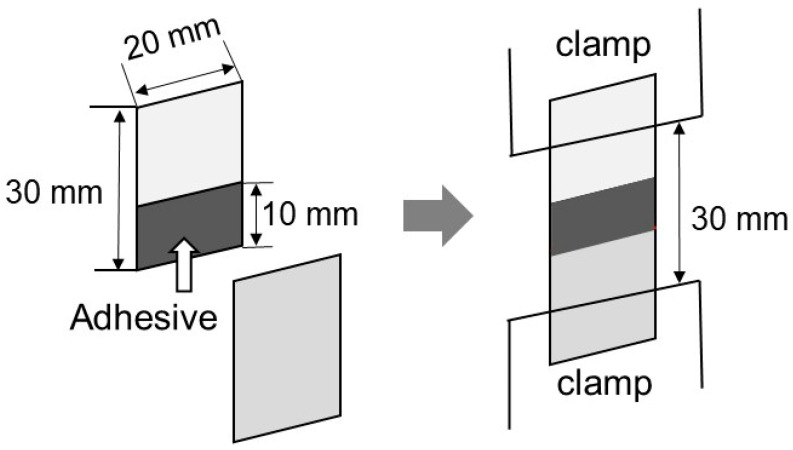 Figure 9
Peer Reviews
No public reviews on file for this paper yet. If you reviewed it on a platform where reviews are public (OpenReview, ICLR, NeurIPS, ICML), you can paste yours below so the community can read it here.
Videos
No videos yet. Explain this paper in a talk, walkthrough, or lecture? Add one.
Taxonomy
Topicsbiodegradable polymer synthesis and properties · Additive Manufacturing and 3D Printing Technologies · Microplastics and Plastic Pollution