Understanding Bio-Orthogonal Strain-Driven Sydnone Cycloadditions: Data-Assisted Profiles and the Search for Linear Relationships
Juan García de la Concepción, Pedro Cintas, Rafael Fernando Martínez

TL;DR
This paper explores how strain-driven cycloadditions work in bioorthogonal chemistry, using data to find patterns and improve understanding of reaction mechanisms.
Contribution
The study reveals linear relationships and deviations in strain-driven cycloadditions using phenylsydnone derivatives and a strained cycloalkyne.
Findings
Linear relationships and deviations were identified in strain-driven cycloadditions involving phenylsydnone derivatives.
Accurate activation barriers and rate constants were predicted, highlighting the role of strain release and electronic effects.
The results suggest mesoionic cycloadditions can serve as probes for delocalization-assisted strain release in organic reactions.
Abstract
In the realm of click-type reactions and their application to bioorthogonal chemistry in living organisms, metal-free [3+2] cycloadditions involving mesoionic rings and strained cycloalkynes have gained increasing attention and potentiality in recent years. While there has been a significant accretion of experimental data, biological assays, and assessments of reaction mechanisms, some pieces of the tale are still missing. For instance, which structural and/or stereoelectronic effects are actually interlocked and which remain unplugged. With the advent of data-driven methods, including machine learning simulations, quantitative estimations of relevant observables and their correlations will explore better the chemical space of these transformations. Here we unveil a series of linear relationships, such as Hammett-type correlations, as well as deviations of linearity, using the case…
Genes, proteins, chemicals, diseases, species, mutations and cell lines named across the full text — each resolved to its canonical identifier and authoritative record.
Click any figure to enlarge with its caption.
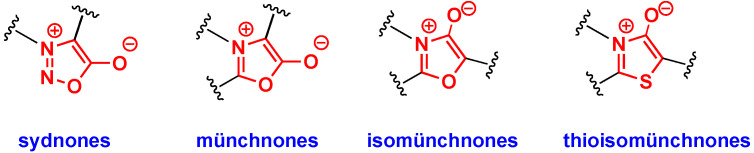 Figure 1
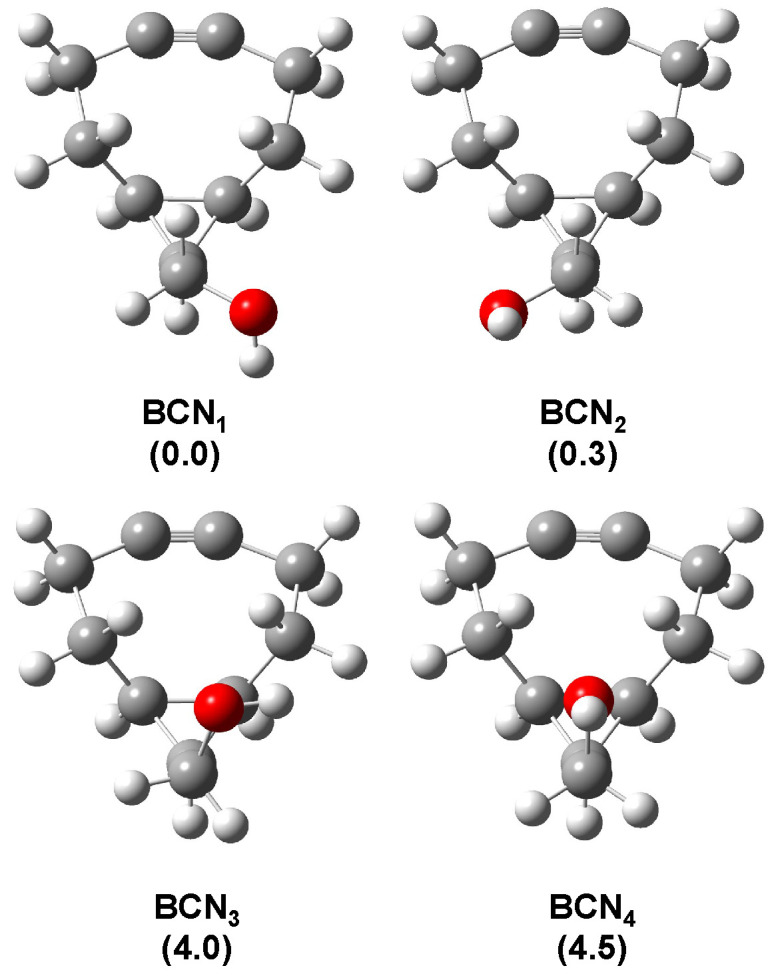 Figure 2
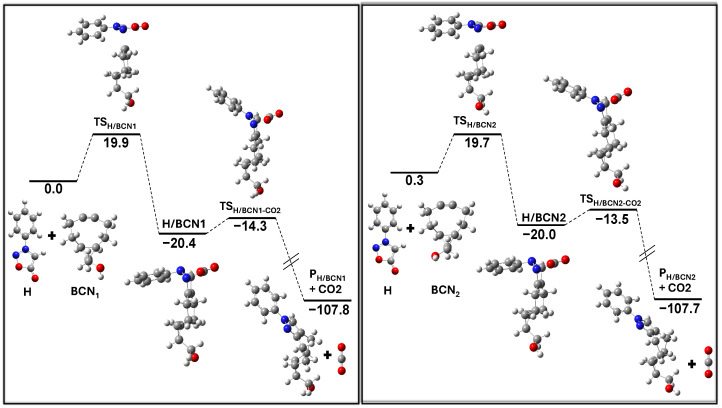 Figure 3
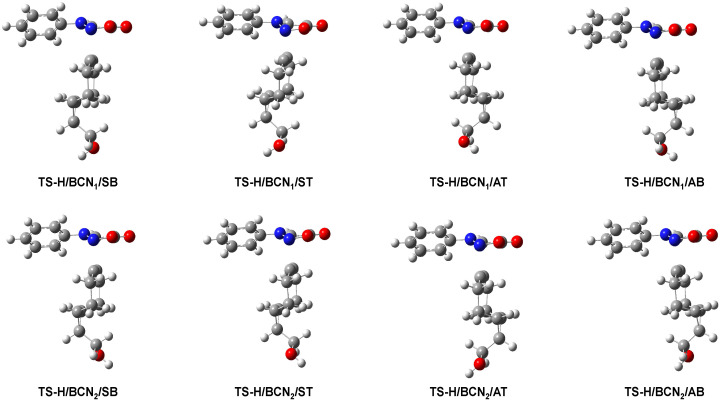 Figure 4
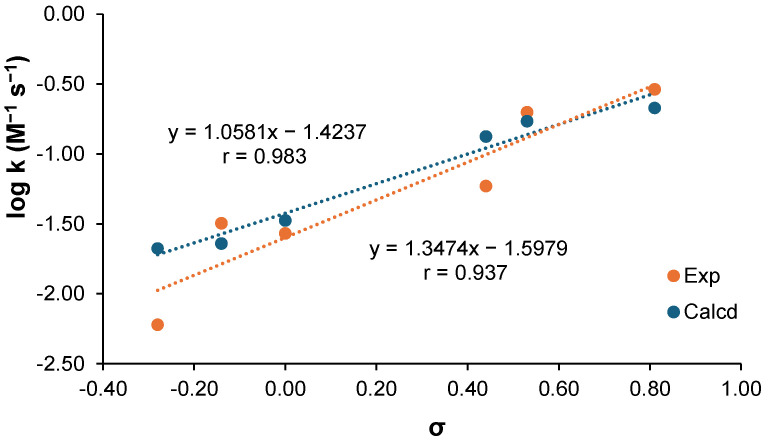 Figure 5
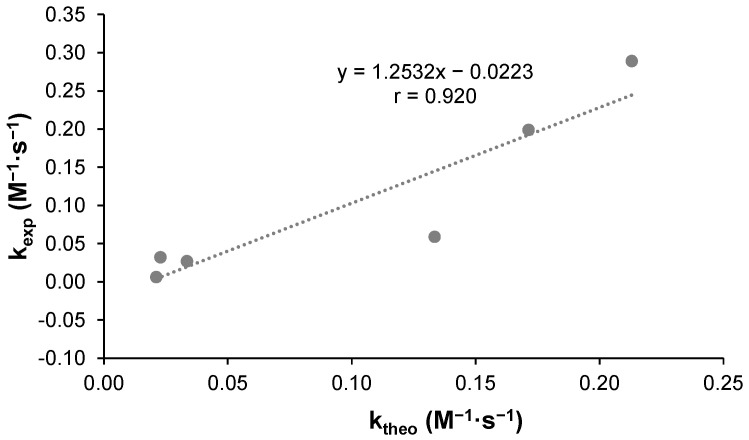 Figure 6
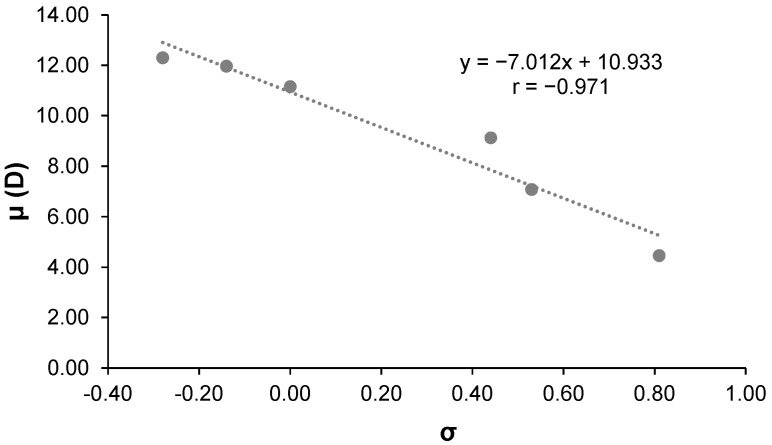 Figure 7
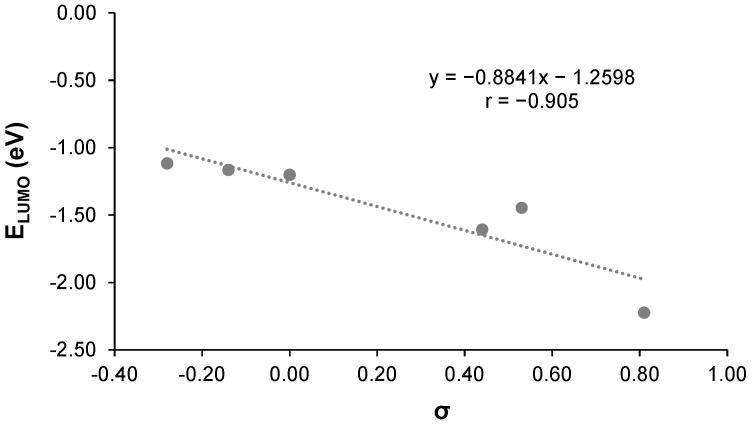 Figure 8
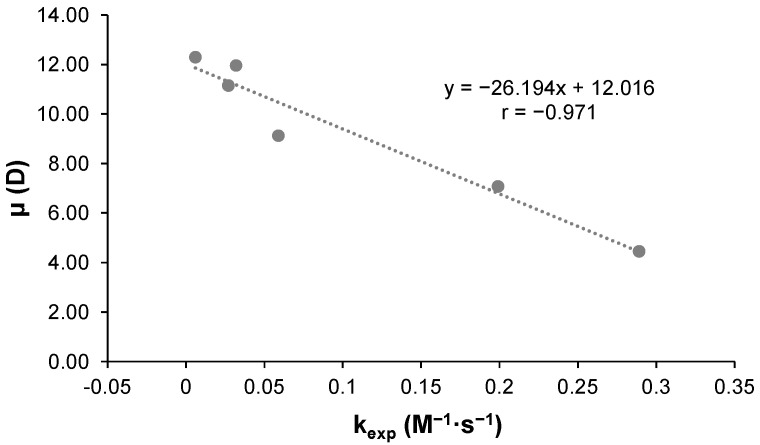 Figure 9
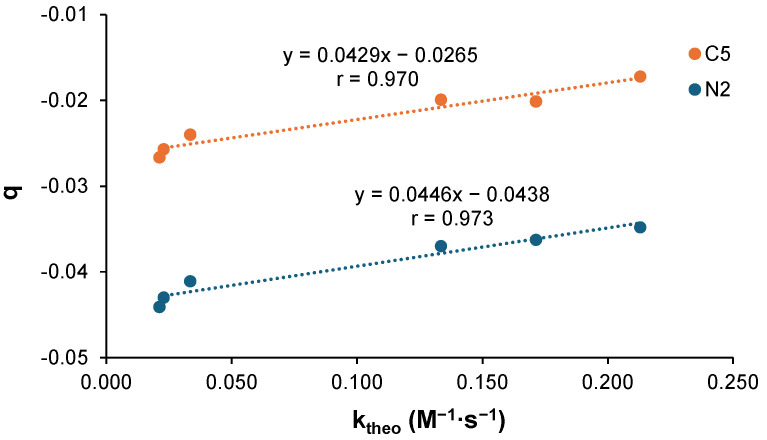 Figure 10
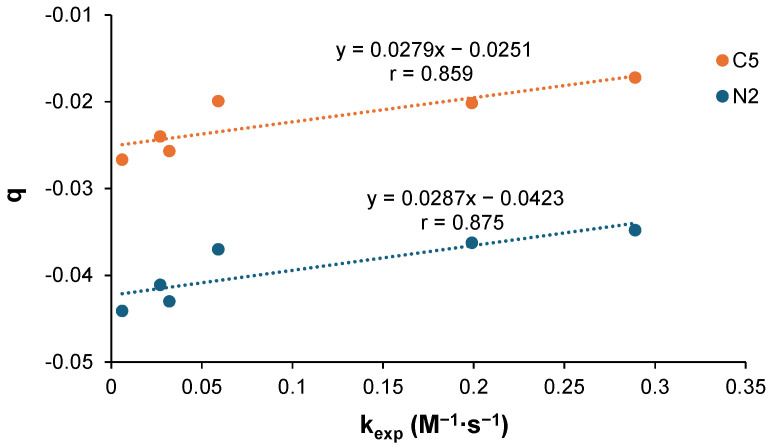 Figure 11
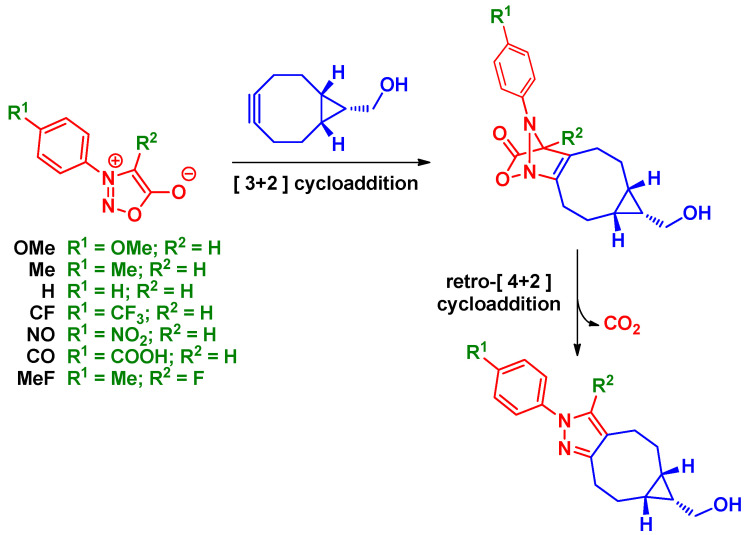 Figure 12
Peer Reviews
No public reviews on file for this paper yet. If you reviewed it on a platform where reviews are public (OpenReview, ICLR, NeurIPS, ICML), you can paste yours below so the community can read it here.
Videos
No videos yet. Explain this paper in a talk, walkthrough, or lecture? Add one.
Taxonomy
TopicsClick Chemistry and Applications · Chemical Synthesis and Analysis · Molecular Junctions and Nanostructures