Prophylactic Intra-Aortic Balloon Pump Implantation Reduces Peri-Interventional Myocardial Injury During High-Risk Percutaneous Coronary Intervention in Patients Presenting with Low Normal Blood Pressure and with Heart Failure
Sascha d’Almeida, Stefanie Andreß, Sebastian Weinig, Benjamin Mayer, Wolfgang Rottbauer, Sinisa Markovic, Dominik Buckert

TL;DR
Prophylactic use of an intra-aortic balloon pump during high-risk heart procedures reduces heart muscle damage and improves survival in patients with low blood pressure and heart failure.
Contribution
The study identifies specific patient conditions where early intra-aortic balloon pump use is most beneficial during high-risk heart interventions.
Findings
Prophylactic IABP reduced peri-interventional myocardial injury as measured by lower hsTnT increase.
Patients with low systolic blood pressure and high NT-proBNP levels benefited more from P-IABP than R-IABP.
Higher peri-interventional hsTnT increase was linked to shorter survival times.
Abstract
Background: Intra-aortic balloon pump (IABP) augments coronary perfusion during high-risk percutaneous coronary interventions (PCI). We sought to identify patients who benefited from prophylactic IABP (P-IABP) compared to rescue-IABP (R-IABP). Methods: All consecutive non-cardiogenic shock patients undergoing high-risk PCI with IABP support at Ulm University Hospital, Germany, between 2012 and 2020 were grouped based on the timing of IABP insertion in the pre-interventional P-IABP or peri-interventional R-IABP group. We compared the primary endpoint peri-interventional high-sensitivity Troponin T (hsTnT) increase, sought baseline characteristics associated with the endpoint in the R-IABP group, and compared their correlation strengths between the groups. Results: Interventional outcomes of 44 patients with P-IABP implantation were compared with those of 15 patients with R-IABP…
Genes, proteins, chemicals, diseases, species, mutations and cell lines named across the full text — each resolved to its canonical identifier and authoritative record.
Click any figure to enlarge with its caption.
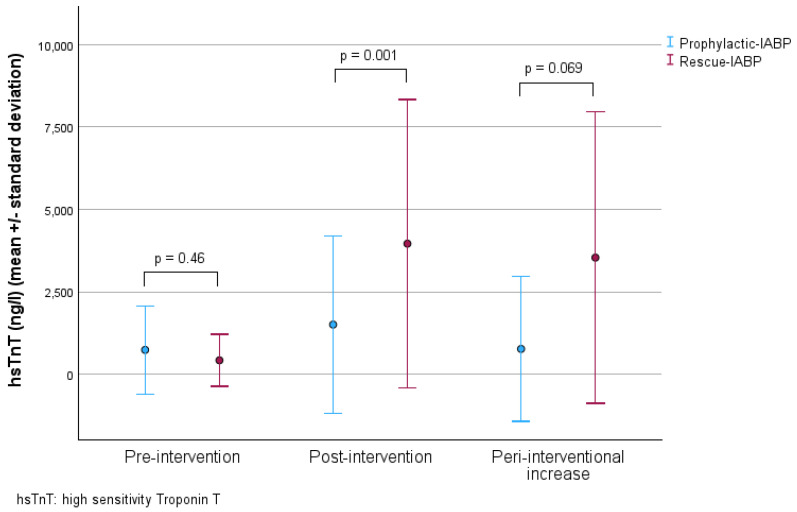 Figure 1
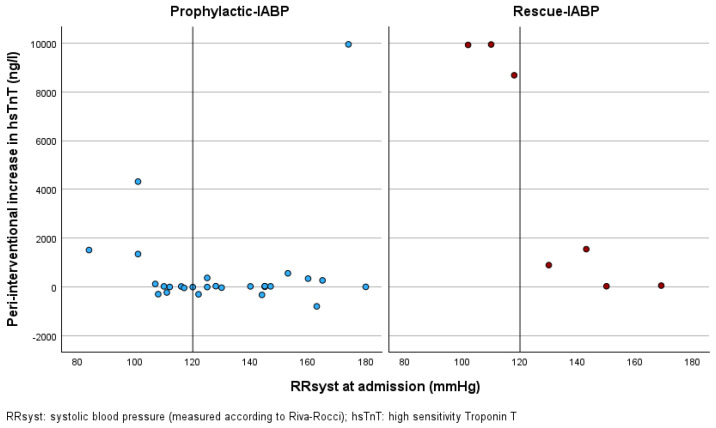 Figure 2
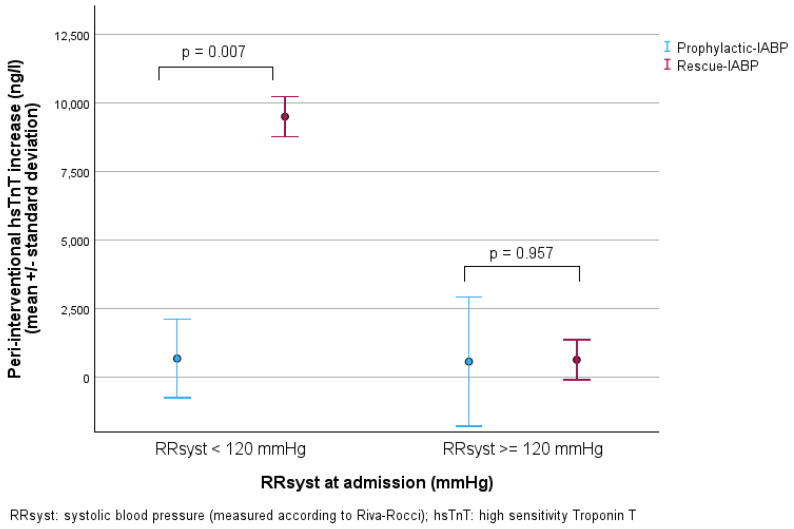 Figure 3
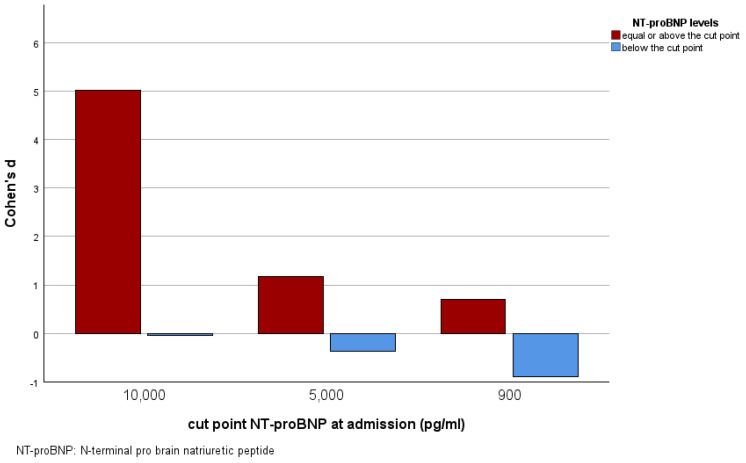 Figure 4
Peer Reviews
No public reviews on file for this paper yet. If you reviewed it on a platform where reviews are public (OpenReview, ICLR, NeurIPS, ICML), you can paste yours below so the community can read it here.
Videos
No videos yet. Explain this paper in a talk, walkthrough, or lecture? Add one.
Taxonomy
TopicsMechanical Circulatory Support Devices · Cardiac Ischemia and Reperfusion · Cardiac Valve Diseases and Treatments