Fractional Coprecipitation of Drugs and Natural Extracts with Zinc Hydroxide
Andrea Franzese, Luca Regazzoni

TL;DR
Zinc hydroxide can selectively remove acidic compounds from mixtures, offering a new method for isolating specific molecules in natural extracts and improving chromatographic analysis.
Contribution
The study identifies that acidic compounds, but not neutral or basic ones, coprecipitate with zinc hydroxide, enabling selective isolation.
Findings
Acidic molecules coprecipitate with zinc hydroxide, while neutral or basic molecules remain unaffected.
Polyphenols from green tea extracts coprecipitated with zinc hydroxide, while caffeine remained in the supernatant.
Coprecipitated compounds can be fully recovered by redissolving the precipitate.
Abstract
Zinc hydroxide has been reported as an effective precipitating reagent for removing proteins in biological samples. This procedure is quite effective for removing interfering proteins before the chromatographic separation of small organic compounds. However, preliminary data suggested that also some small molecules could precipitate together with proteins and zinc hydroxide. Therefore, herein it is reported a study on a panel of drugs having different chemical structures. The results suggest that the common trait of organic molecules coprecipitating with zinc hydroxide is to have acidic groups, while neutral or basic molecules are not affected by zinc hydroxide precipitation. Such observations were consistent with some analyses conducted on hydroalcoholic extracts prepared from natural edible materials such as green tea. In such matrices, a quantitative coprecipitation of polyphenols…
Genes, proteins, chemicals, diseases, species, mutations and cell lines named across the full text — each resolved to its canonical identifier and authoritative record.
Click any figure to enlarge with its caption.
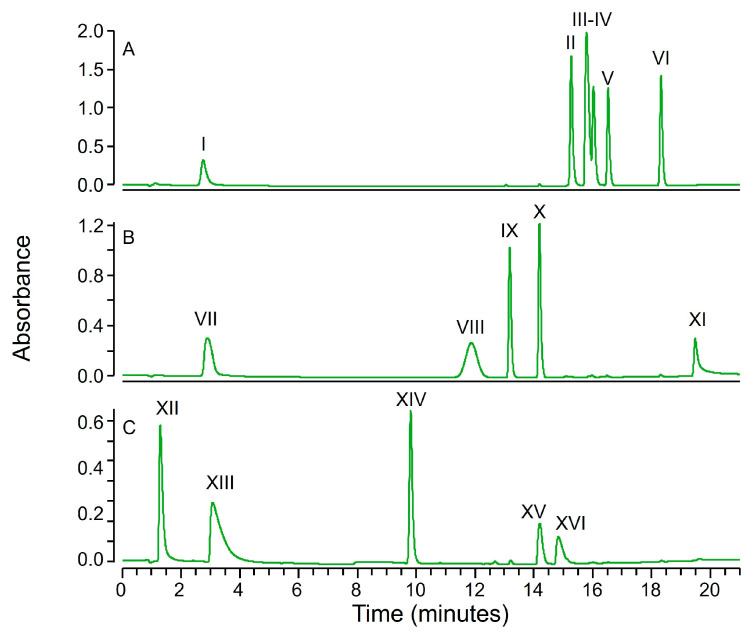 Figure 1
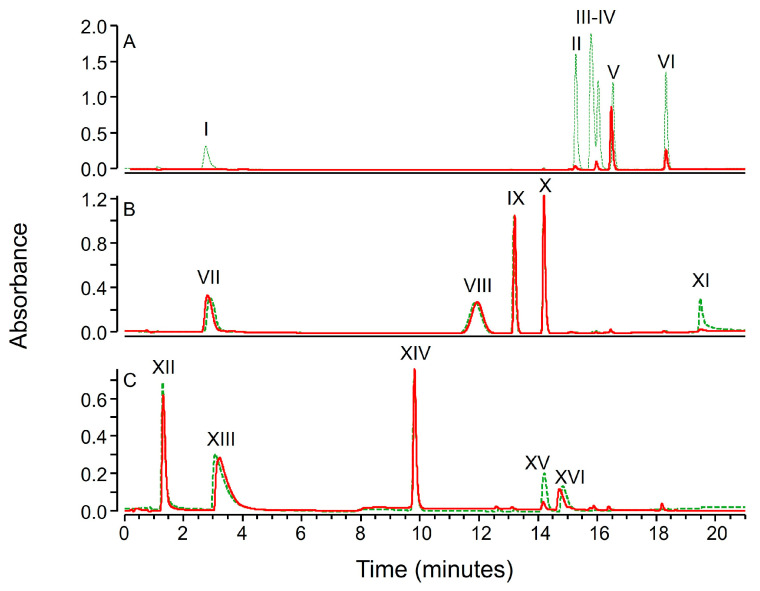 Figure 2
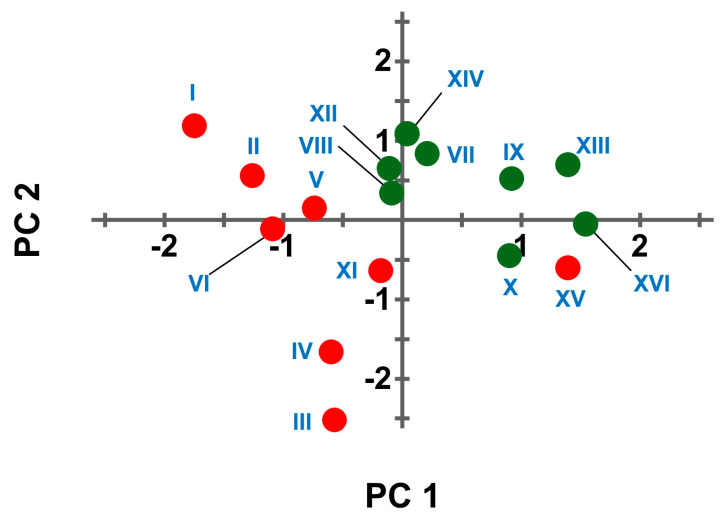 Figure 3
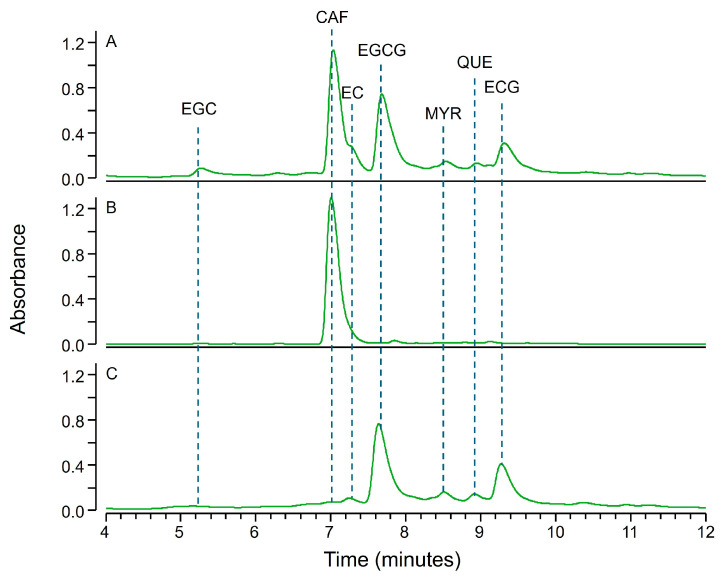 Figure 4
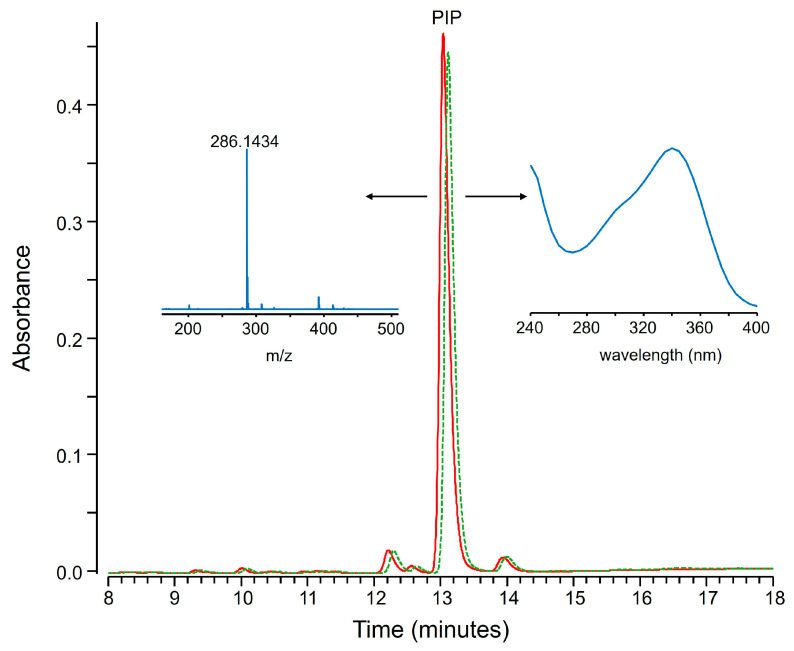 Figure 5
Peer Reviews
No public reviews on file for this paper yet. If you reviewed it on a platform where reviews are public (OpenReview, ICLR, NeurIPS, ICML), you can paste yours below so the community can read it here.
Videos
No videos yet. Explain this paper in a talk, walkthrough, or lecture? Add one.
Taxonomy
TopicsAnalytical Chemistry and Chromatography · Metabolomics and Mass Spectrometry Studies · Analytical chemistry methods development