Copper Slag Cathodes for Eco-Friendly Hydrogen Generation: Corrosion and Electrochemical Insights for Saline Water Splitting
Susana I. Leiva-Guajardo, Manuel Fuentes Maya, Luis Cáceres, Víctor M. Jimenez-Arevalo, Álvaro Soliz, Norman Toro, José Ángel Cobos Murcia, Victor E. Reyes Cruz, Mauricio Morel, Edward Fuentealba, Felipe M. Galleguillos Madrid

TL;DR
This paper explores using copper slag, an industrial waste product, as a low-cost electrocatalyst for hydrogen production in saline water, offering an eco-friendly alternative to traditional methods.
Contribution
The study introduces the direct use of untreated copper slag as a functional electrode for hydrogen evolution in real seawater and geothermal water, avoiding noble metals.
Findings
Copper slag shows high stability and efficient hydrogen evolution reaction (HER) kinetics in seawater.
The mesoporous structure of copper slag facilitates efficient charge transfer in saline environments.
Using copper slag aligns with circular economy principles and reduces reliance on expensive noble metals.
Abstract
The increasing demand for sustainable energy and clean water has prompted the exploration of alternative solutions to reduce reliance on fossil fuels. In this context, hydrogen production through water electrolysis powered by solar energy presents a promising pathway toward a zero-carbon footprint. This study investigates the potential of copper slag, an abundant industrial waste, as a low-cost electrocatalyst for the hydrogen evolution reaction (HER) in contact with saline water such as 0.5 M NaCl and seawater, comparing the electrochemical response when in contact with geothermal water from El Tatio (Atacama Desert). The physicochemical characterisation of copper slag was performed using XRD, Raman, and SEM-EDS to determine its surface properties. Electrochemical evaluations were conducted in 0.5 M NaCl and natural seawater using polarisation techniques to assess the corrosion…
Genes, proteins, chemicals, diseases, species, mutations and cell lines named across the full text — each resolved to its canonical identifier and authoritative record.
Click any figure to enlarge with its caption.
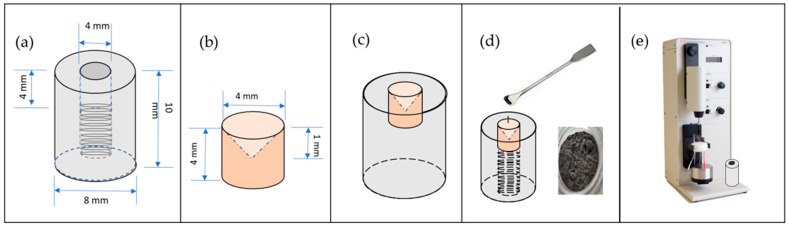 Figure 1
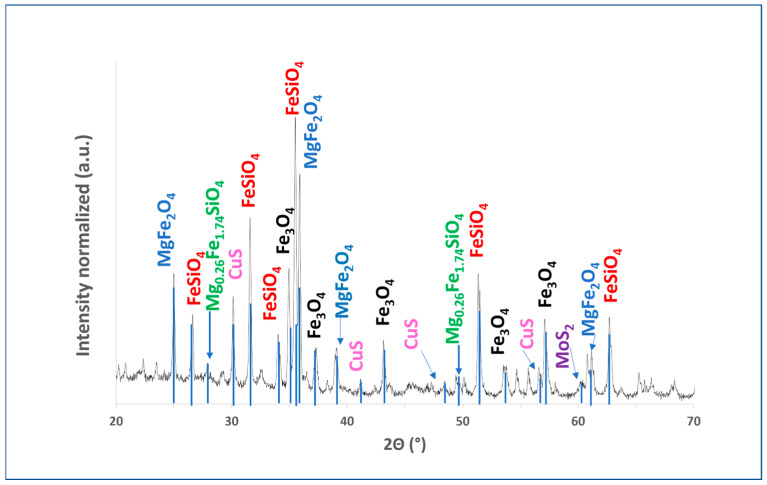 Figure 2
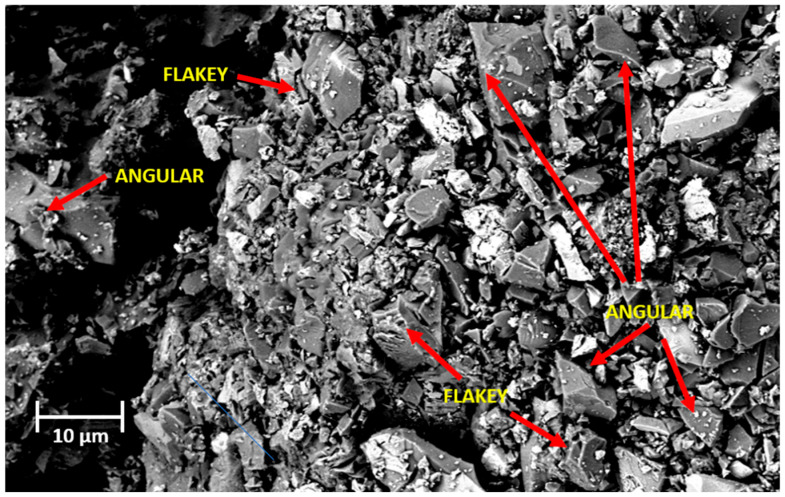 Figure 3
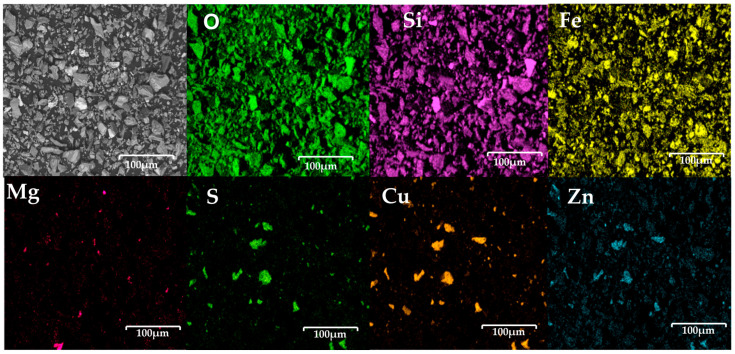 Figure 4
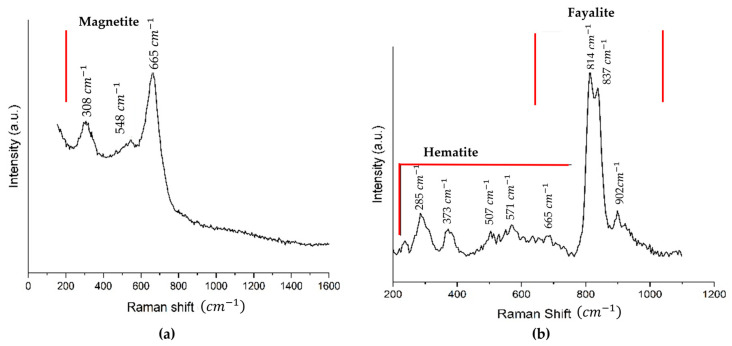 Figure 5
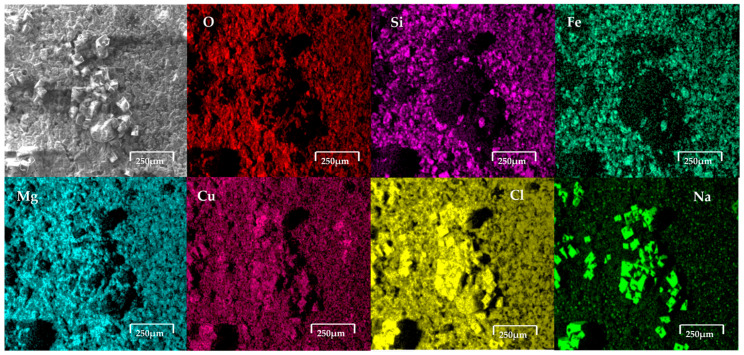 Figure 6
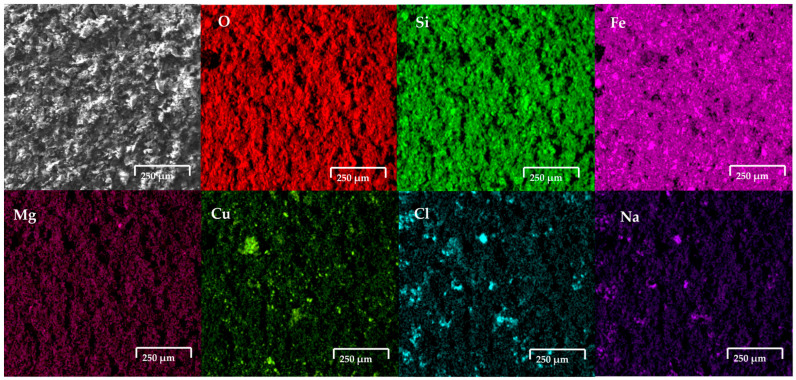 Figure 7
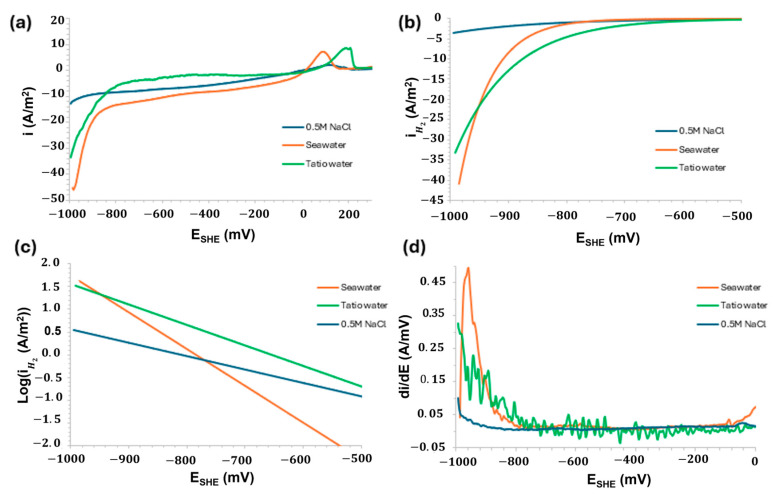 Figure 8
Peer Reviews
No public reviews on file for this paper yet. If you reviewed it on a platform where reviews are public (OpenReview, ICLR, NeurIPS, ICML), you can paste yours below so the community can read it here.
Videos
No videos yet. Explain this paper in a talk, walkthrough, or lecture? Add one.
Taxonomy
TopicsElectrocatalysts for Energy Conversion · Advanced battery technologies research · Membrane-based Ion Separation Techniques