Possibility of Superconductivity of 6Li+ Ions in Solid Electrolytes at Room Temperature Under Coherent Acoustic Phonons
Kyuichi Yasui

TL;DR
The paper explores how lithium ions in solid electrolytes might exhibit superconductivity at room temperature under specific acoustic conditions.
Contribution
It proposes a novel mechanism for room-temperature superconductivity involving 6Li+ ions and coherent acoustic phonons.
Findings
Coherent acoustic phonons may extend the de Broglie wavelength of Li ions beyond their atomic distance.
Quantum effects in Li ions could lead to superconductivity at room temperature.
Lower-frequency coherent phonons are more favorable for this phenomenon.
Abstract
It has been theoretically suggested that the de Broglie wavelength of Li ions could become longer than the Li atomic distance in solid electrolytes under coherent acoustic phonons at room temperature when thermal noise is sufficiently suppressed by them. This suggests that some quantum effect of Li ions (not electrons) could appear under this condition, which could possibly result in the superconductivity of 6Li+ ions (bosons) in solid electrolytes at room temperature. A lower frequency of coherent phonons is better for this possibility. A mechanism for the generation of coherent phonons by repetitive pulsed-laser irradiation or possibly by ultrasound irradiation using a transducer is also discussed.
Genes, proteins, chemicals, diseases, species, mutations and cell lines named across the full text — each resolved to its canonical identifier and authoritative record.
Click any figure to enlarge with its caption.
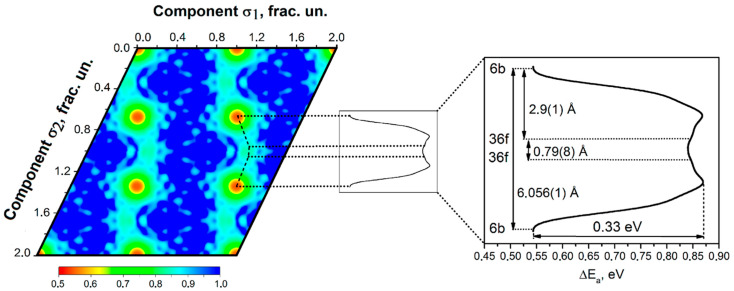 Figure 1
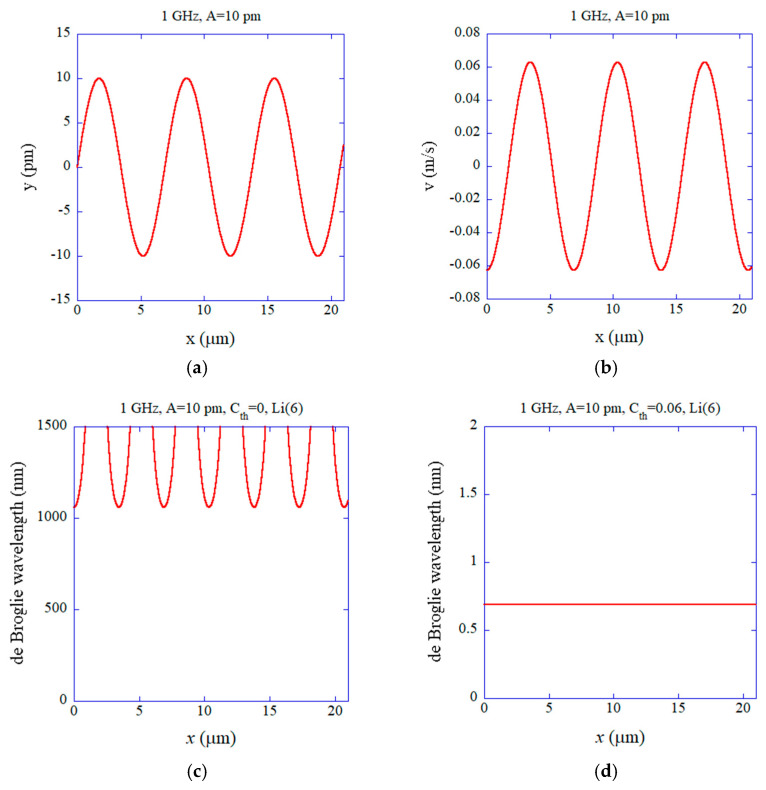 Figure 2
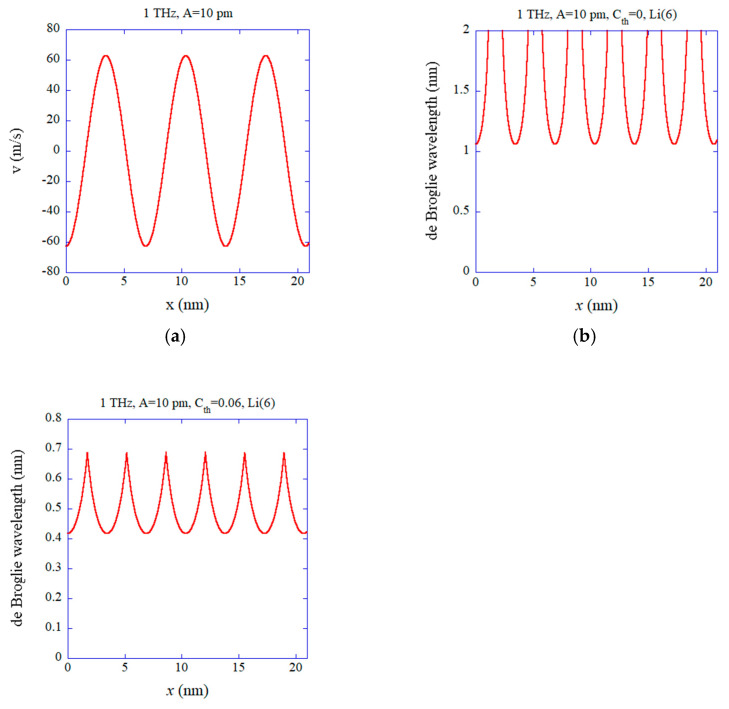 Figure 3
Peer Reviews
No public reviews on file for this paper yet. If you reviewed it on a platform where reviews are public (OpenReview, ICLR, NeurIPS, ICML), you can paste yours below so the community can read it here.
Videos
No videos yet. Explain this paper in a talk, walkthrough, or lecture? Add one.
Taxonomy
TopicsSolid-state spectroscopy and crystallography · Advanced Battery Materials and Technologies · Atomic and Subatomic Physics Research