Bioplastic Production Using Natural Extracts with Cellulose Assisted by Experimental and Computational Screening
Lizbeth Zamora-Mendoza, Jhonny Caicho, José R. Mora, Daniela Negrete-Bolagay, Victor H. Guerrero, Noroska G. S. Mogollón, Melanie Ochoa-Ocampo, Jefferson Pastuña-Fasso, José F. Álvarez Barreto, Sebastián Ponce, Juan Paredes, Henry Erazo, Patricia I. Pontón, Marco León

TL;DR
This paper introduces a new bioplastic production method using plant extract solvents, which are more sustainable and lead to faster biodegradation compared to traditional methods.
Contribution
The novel use of plant extract-based solvents for cellulose dissolution and bioplastic production is introduced, supported by computational screening and experimental validation.
Findings
Bioplastics made with 15 wt.% plant extract degraded faster in water and soil than conventional controls.
SEM analysis confirmed structural differences in bioplastic surfaces influenced by natural solvents.
Higher concentrations of plant extract improved biodegradability and water uptake performance.
Abstract
The increasing demand for sustainable and environmentally friendly materials has prompted intensive research into developing bioplastics as viable alternatives to conventional petroleum-derived plastics. Here, we report a novel approach to bioplastic production by employing plant extract-based solvents to partially dissolve cellulose, a fundamental biopolymer precursor. Using plant-derived solvents addresses concerns surrounding the environmental impact of traditional solvent-based processes, as per the principles of green chemistry. Using computational screening, some natural products were identified from the integrated database resource MEGx. Six natural sources were selected based on their molecular weight, high pKa, and chemical classification. Thin-layer chromatography (TLC) and column chromatography confirmed the presence of molecules in the extracts. Bioplastics were prepared…
Genes, proteins, chemicals, diseases, species, mutations and cell lines named across the full text — each resolved to its canonical identifier and authoritative record.
Click any figure to enlarge with its caption.
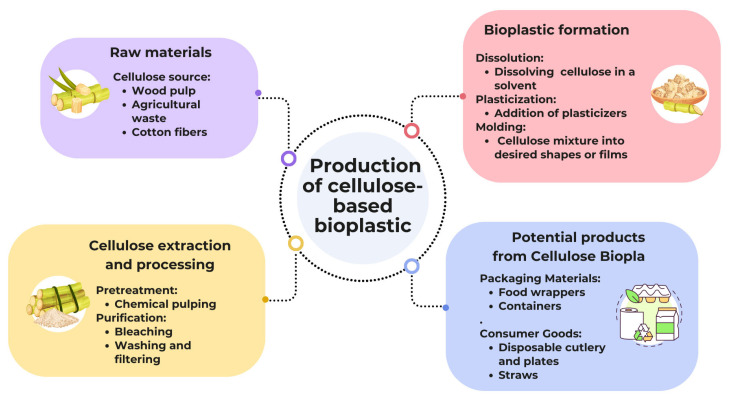 Figure 1
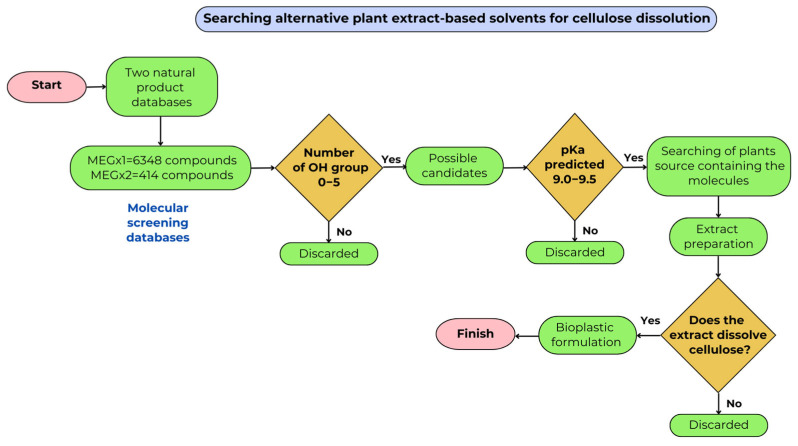 Figure 2
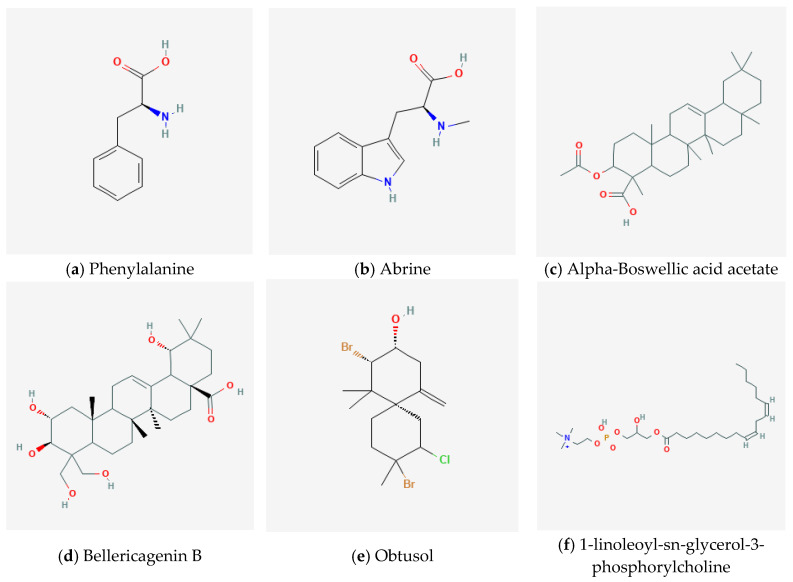 Figure 3
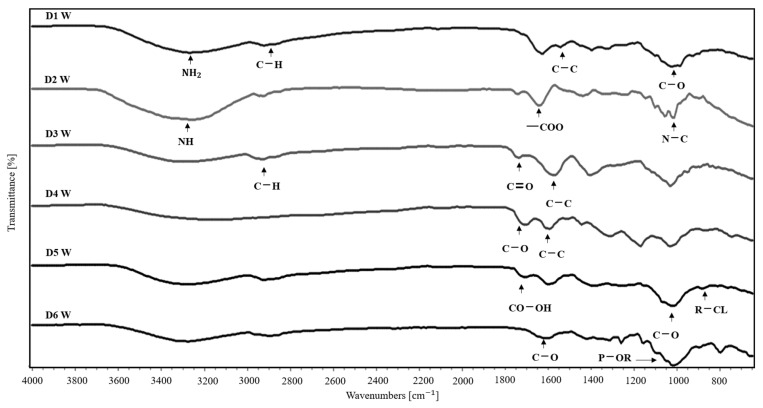 Figure 4
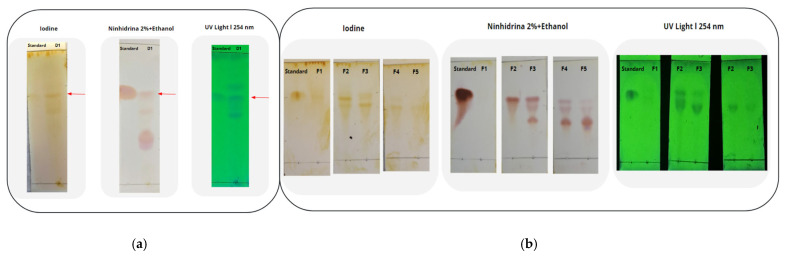 Figure 5
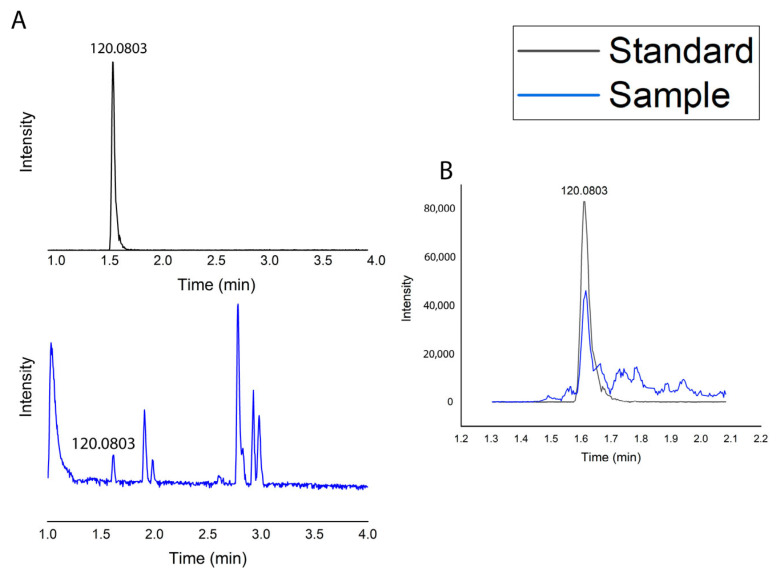 Figure 6
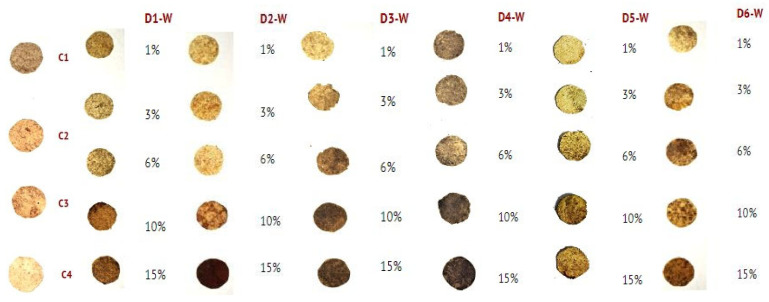 Figure 7
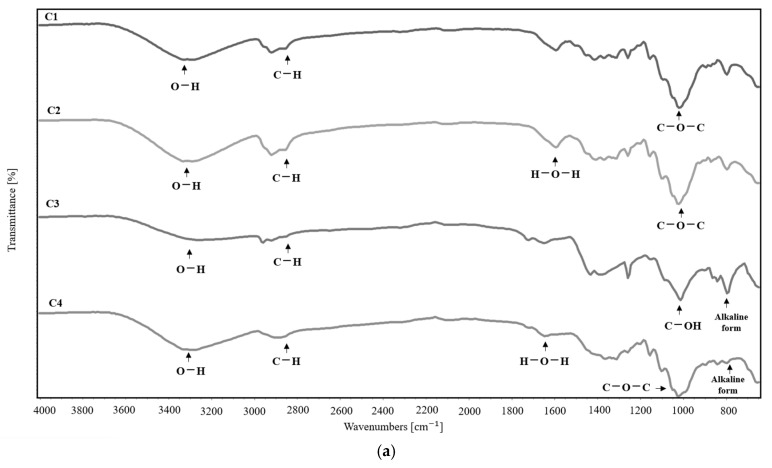 Figure 8
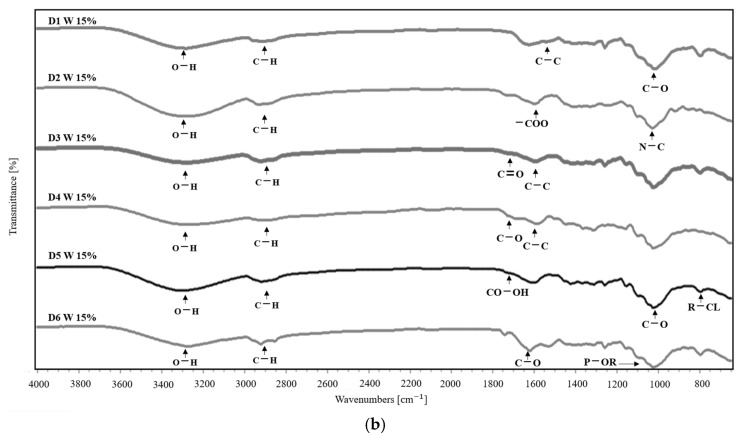 Figure 9
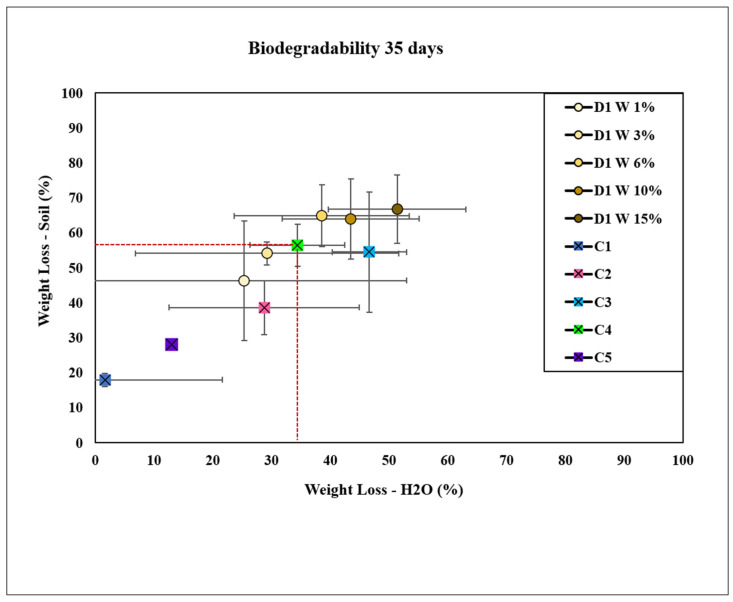 Figure 10
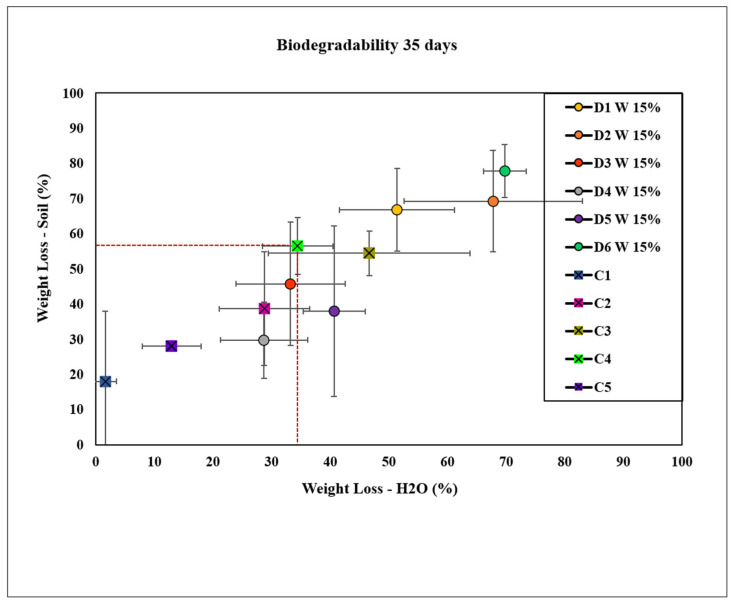 Figure 11
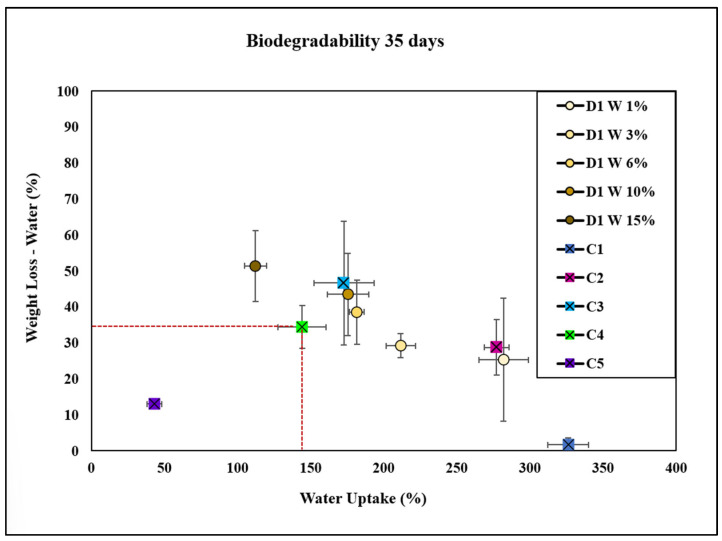 Figure 12
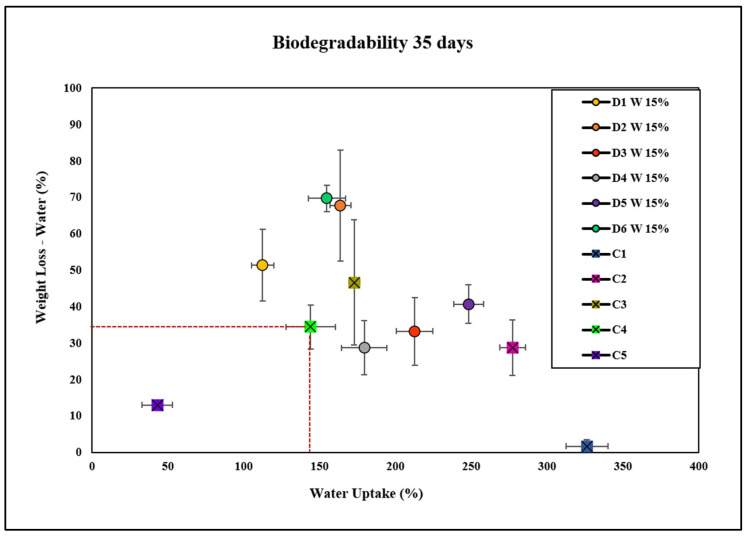 Figure 13
Peer Reviews
No public reviews on file for this paper yet. If you reviewed it on a platform where reviews are public (OpenReview, ICLR, NeurIPS, ICML), you can paste yours below so the community can read it here.
Videos
No videos yet. Explain this paper in a talk, walkthrough, or lecture? Add one.
Taxonomy
Topicsbiodegradable polymer synthesis and properties · Advanced Cellulose Research Studies · Nanocomposite Films for Food Packaging