A mixed-method study to improve outcome of mass drug administration in two TAS failed districts of Uttar Pradesh, India
Achintya Srivatsa, Padmalochan Biswal, Satyabrata Routray, Shweta Prasad, Kevin Bardosh, Paresh Kumar, Amresh Kumar, Aurpit Patnaik, Shoaib Anwar, Vindu Prakash Singh

TL;DR
This study improves drug consumption in India's MDA campaigns by addressing community fears and awareness gaps, leading to better health outcomes for lymphatic filariasis.
Contribution
The study introduces a community-centered intervention package that significantly improves MDA coverage and awareness in underperforming districts.
Findings
Fear of side effects was the main barrier to drug consumption, followed by lack of awareness and poor micro-planning.
The intervention package increased drug coverage by 10.1% in Varanasi and 20.7% in Chitrakoot.
Community awareness improved by 40% in Chitrakoot, with interpersonal communication being most effective.
Abstract
Lymphatic filariasis (LF), commonly called “elephantiasis,” is one of the leading causes of disability around the world, with approximately 863 million people across 47 countries still living under threat of LF infection. India, with 40% of the global LF burden, is the most affected country that undertakes annual mass drug administration (MDA) using double and triple drug chemoprophylaxis in 157 LF-endemic districts. Consumption of drugs during MDA campaigns remains the biggest challenge for disease elimination in the country. PATH conducted a dual-phased study titled, “A Mixed-Method Study to Improve outcome of Mass Drug Administration in Two TAS failed Districts of Uttar Pradesh, India.” The study aimed to identify the critical factors in achieving optimal drug consumption among community members during MDA campaigns (pre-intervention phase), develop an intervention package (IP) for…
Genes, proteins, chemicals, diseases, species, mutations and cell lines named across the full text — each resolved to its canonical identifier and authoritative record.
Click any figure to enlarge with its caption.
 Figure 1
 Figure 2
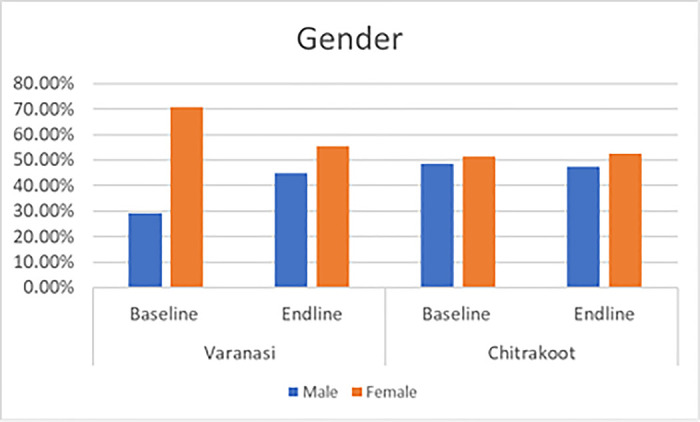 Figure 3
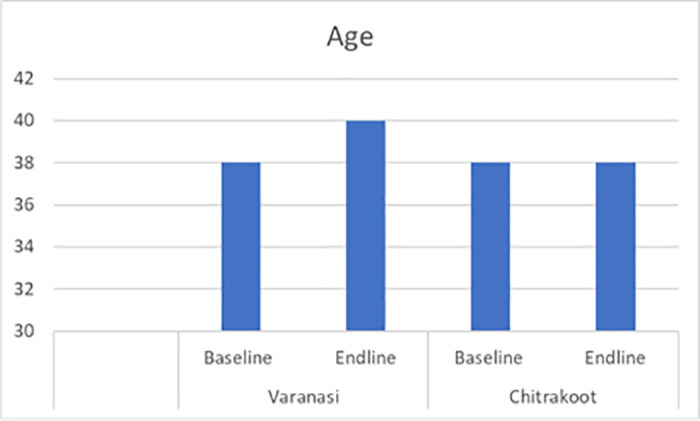 Figure 4
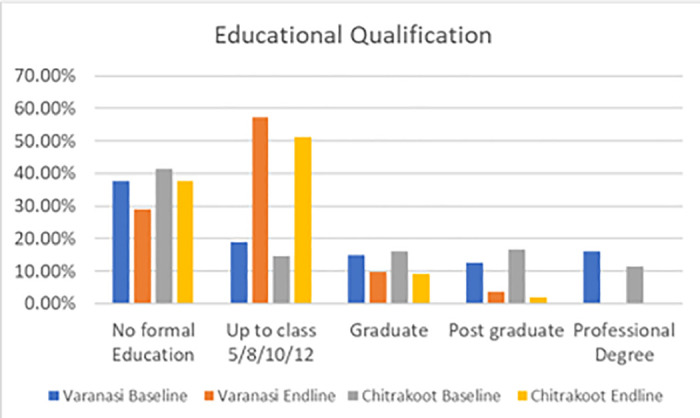 Figure 5
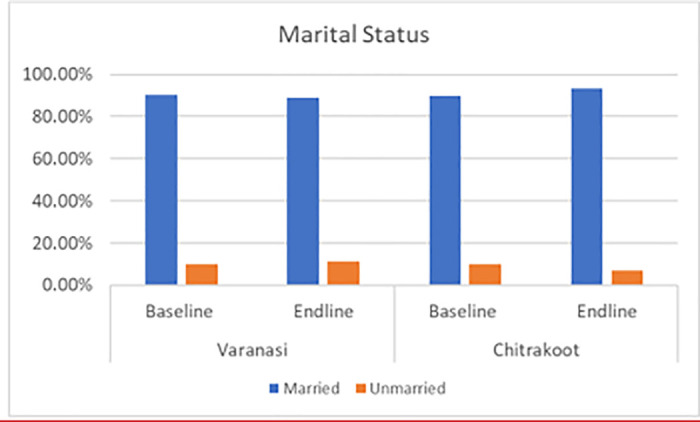 Figure 6
 Figure 7
 Figure 8
 Figure 9
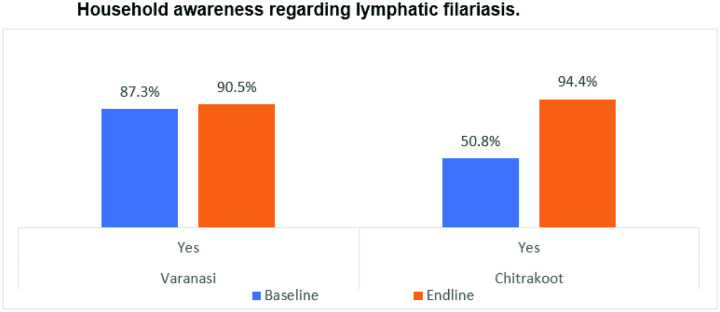 Figure 10
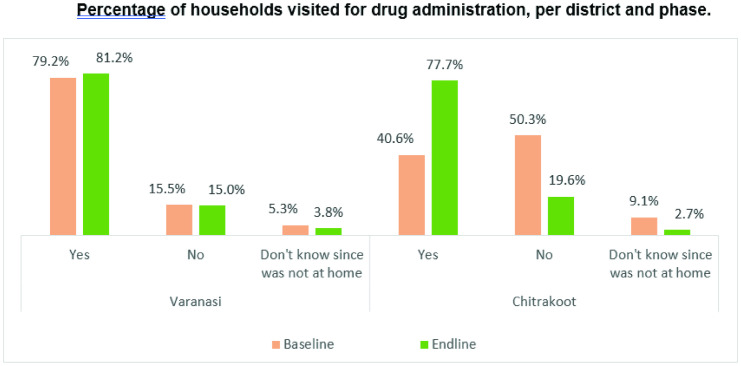 Figure 11
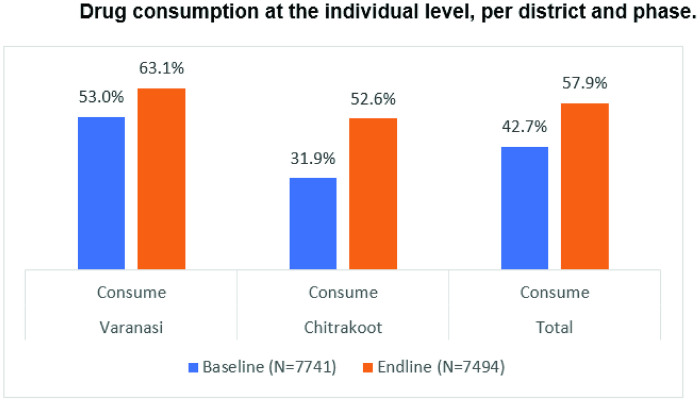 Figure 12
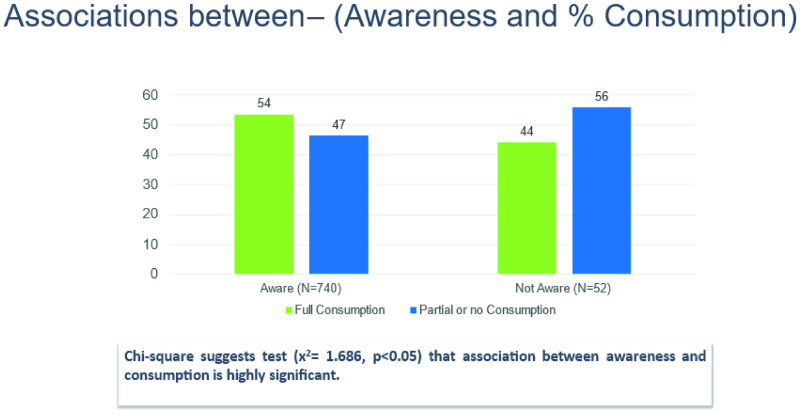 Figure 13
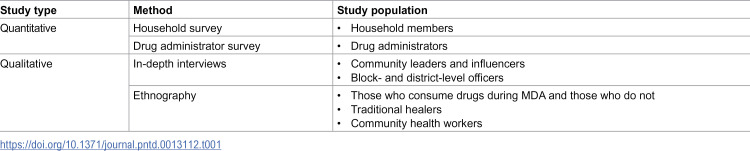 Figure 14
 Figure 15
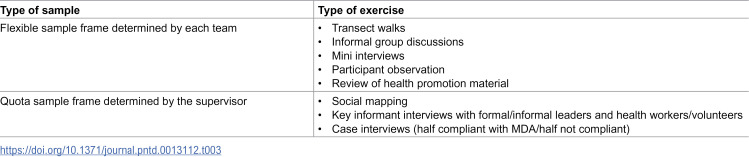 Figure 16
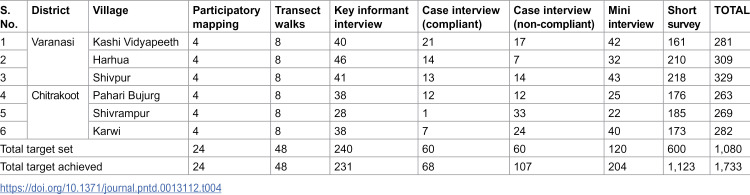 Figure 17
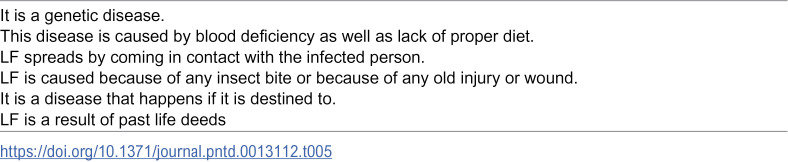 Figure 18
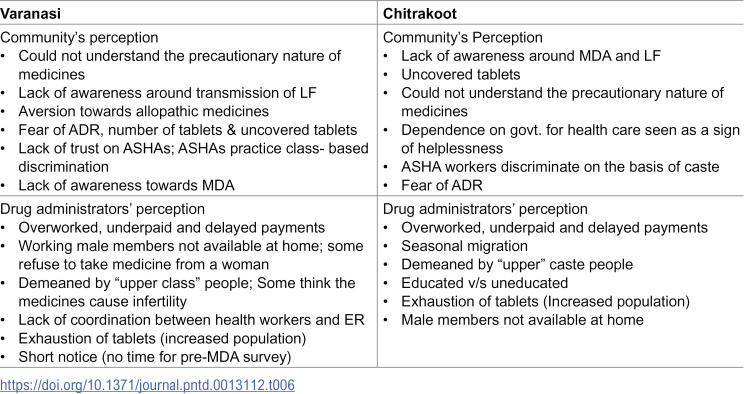 Figure 19
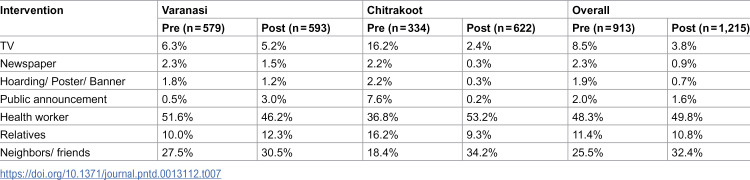 Figure 20
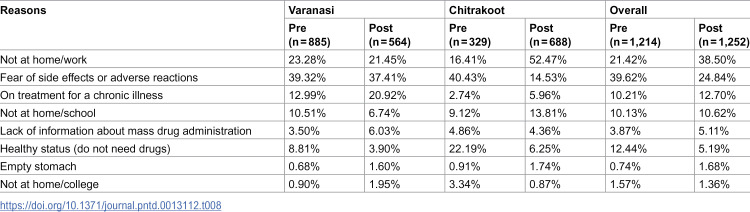 Figure 21
 Figure 22
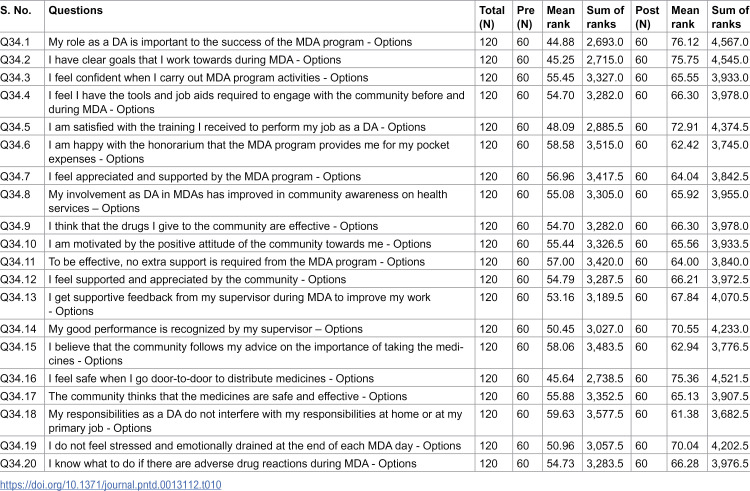 Figure 23
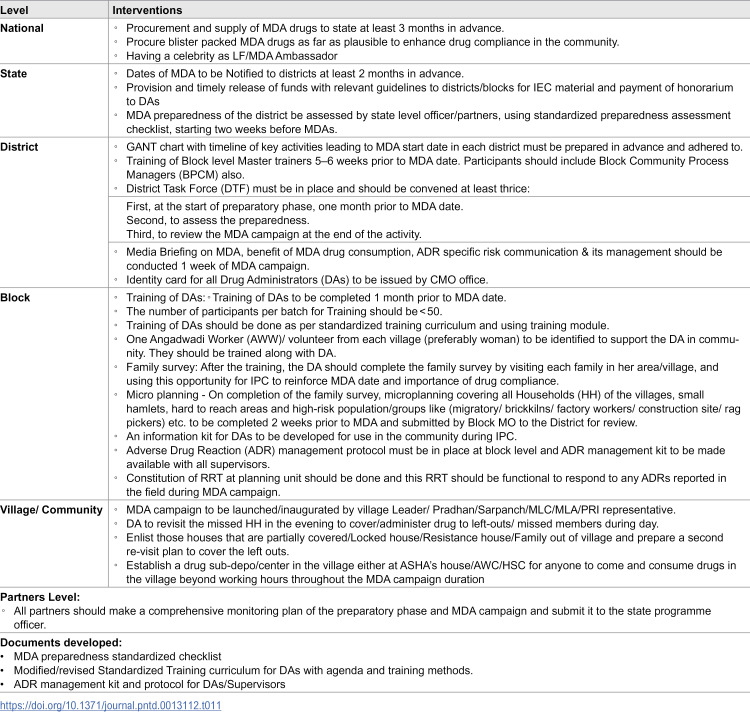 Figure 24
Peer Reviews
No public reviews on file for this paper yet. If you reviewed it on a platform where reviews are public (OpenReview, ICLR, NeurIPS, ICML), you can paste yours below so the community can read it here.
Videos
No videos yet. Explain this paper in a talk, walkthrough, or lecture? Add one.
Taxonomy
TopicsParasitic Diseases Research and Treatment · Digital Mental Health Interventions