Assessment of Premature Failures in Concrete Railway Ties: A Case Study from Brazil
Eliane Betânia Carvalho Costa, Maria Eduarda Guedes Coutinho, Rondinele Alberto Dos Reis Ferreira, Antonio Carlos Dos Santos, Luciano Oliveira

TL;DR
This study examines why concrete railway ties in Brazil deteriorated prematurely after ten years, finding that chemical reactions and moisture significantly reduced their strength.
Contribution
The study identifies the combined effects of alkali–silica reaction and sulfate attack as key drivers of premature concrete tie failure in Brazilian railways.
Findings
Deterioration in concrete railway ties was driven by alkali–silica reaction and sulfate attack.
Prestressing-induced stresses and moisture exposure reduced mechanical strength by 66% in one group of ties.
Internal swelling reactions and poor drainage accelerated degradation in low-prestress zones.
Abstract
Prestressed concrete railroad ties are the global standard for railway infrastructure due to their structural stability, durability, and cost-effective maintenance. However, their long-term performance is often compromised by premature deterioration. This study investigates the degradation of prestressed concrete railways ties from a Brazilian rail line after ten years of natural exposure, emphasizing critical implications for infrastructure maintenance. Two groups of ties, separated by 30 km, were analyzed through physical property assessments, petrography, X-ray diffraction (XRD), and scanning electron microscopy/energy dispersive spectroscopy (SEM/EDS). The results reveal that deterioration was driven by the combined effects of alkali–silica reaction (ASR) and sulfate attack, confirmed by the presence of (N, C)ASH gels, ettringite crystallization, and cryptocrystalline materials…
Genes, proteins, chemicals, diseases, species, mutations and cell lines named across the full text — each resolved to its canonical identifier and authoritative record.
Click any figure to enlarge with its caption.
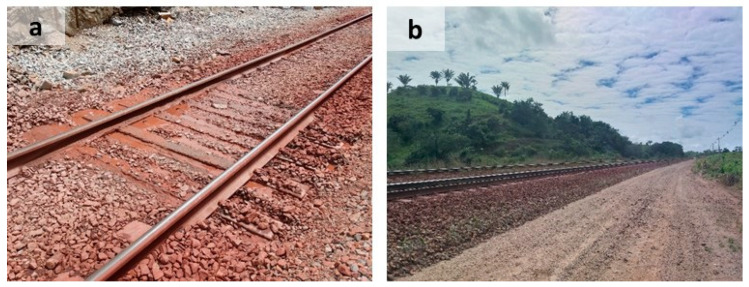 Figure 1
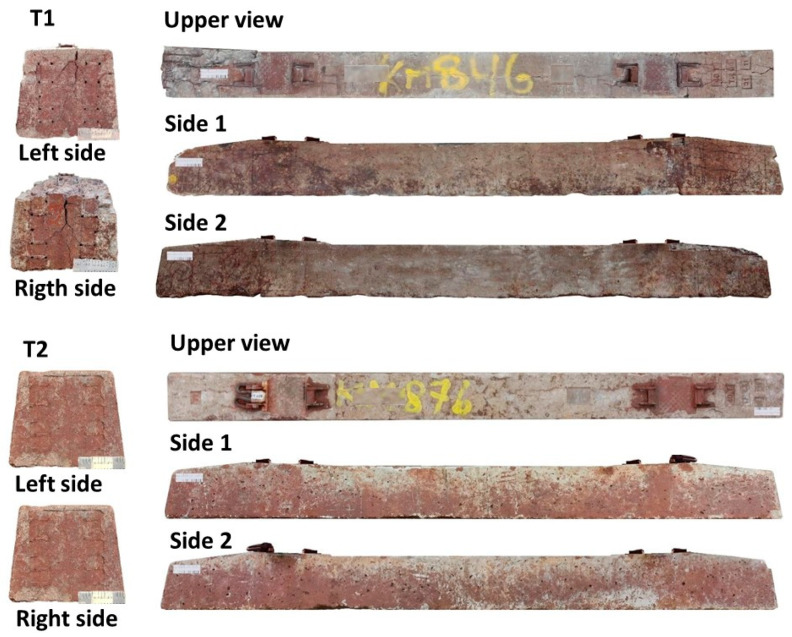 Figure 2
 Figure 3
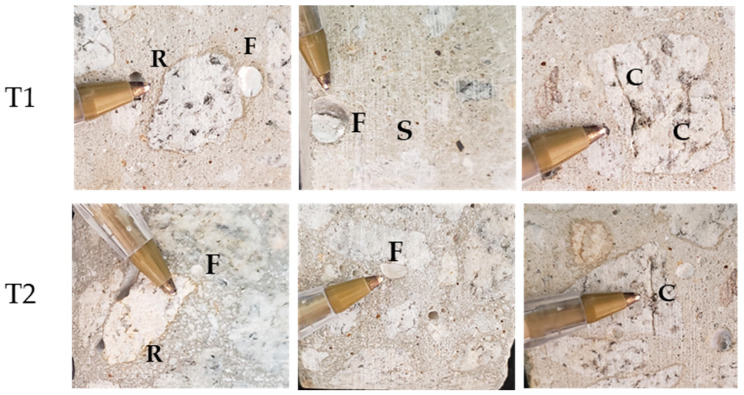 Figure 4
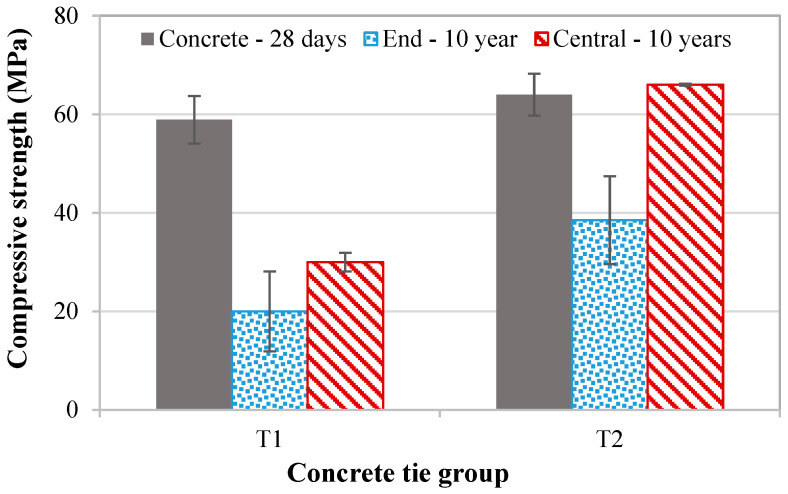 Figure 5
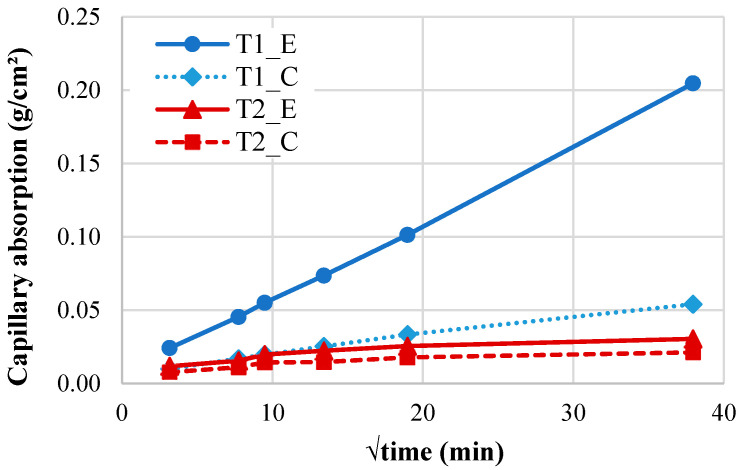 Figure 6
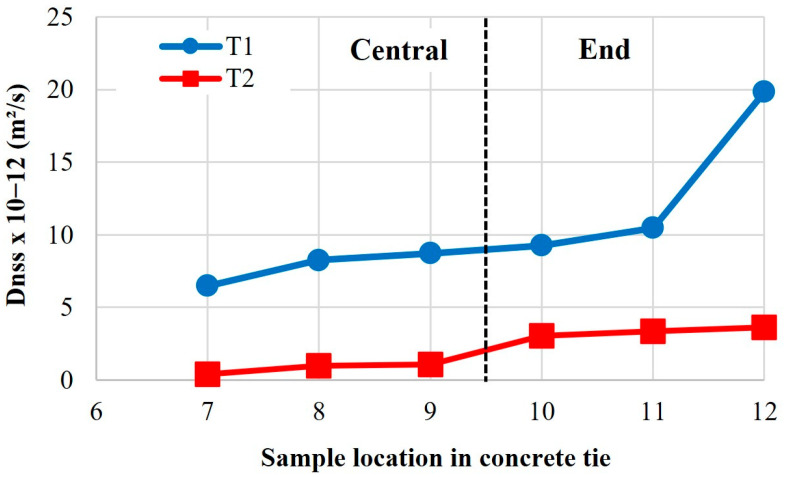 Figure 7
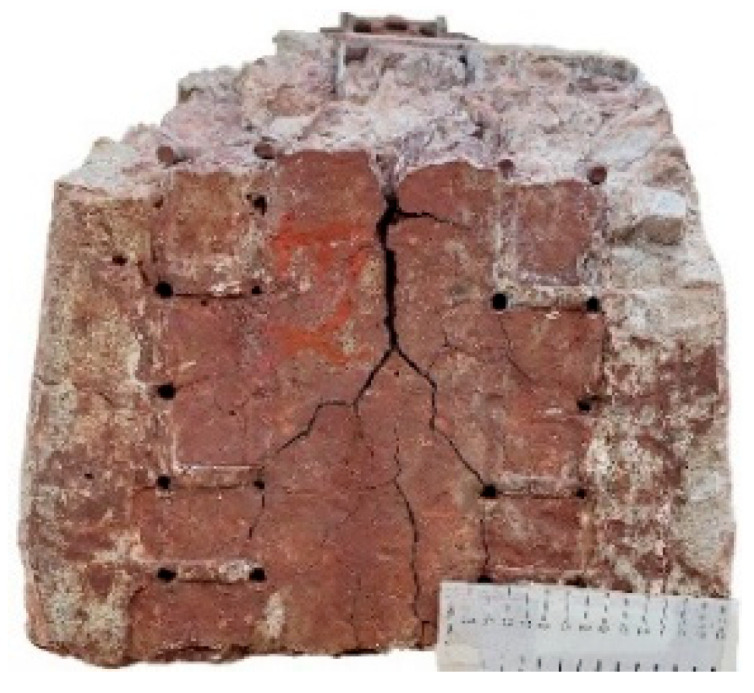 Figure 8
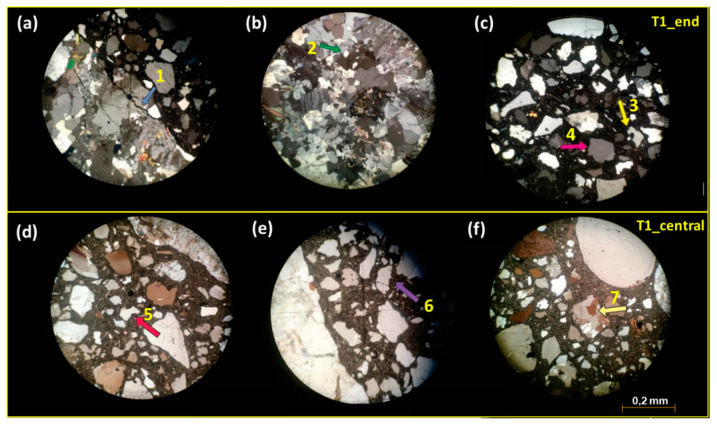 Figure 9
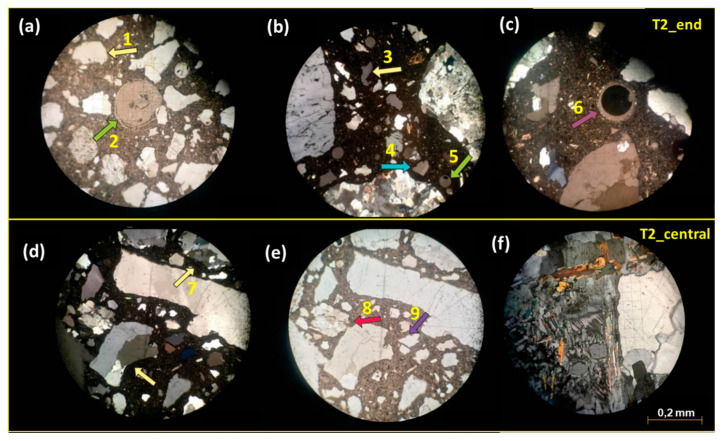 Figure 10
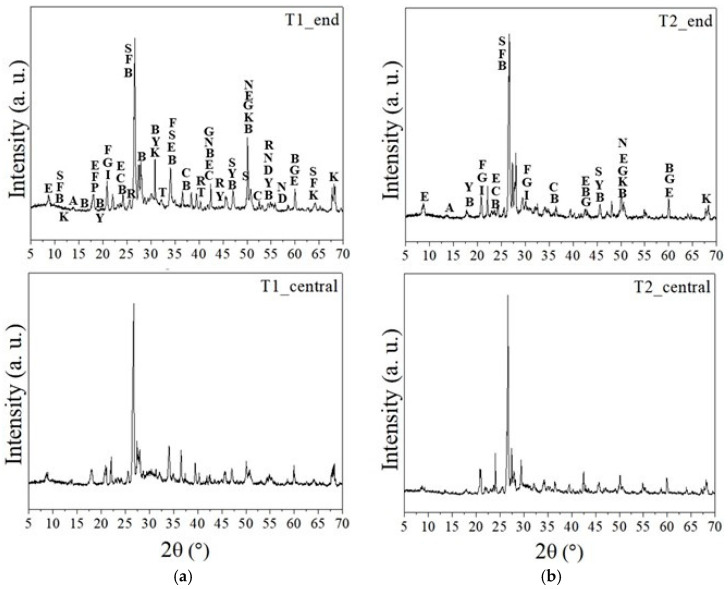 Figure 11
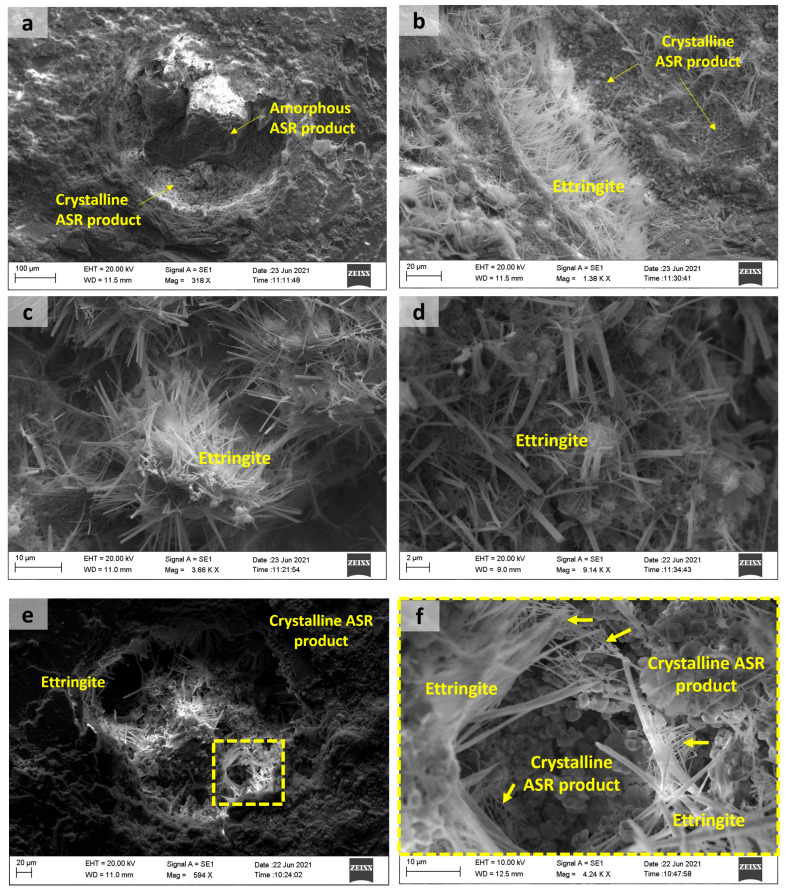 Figure 12
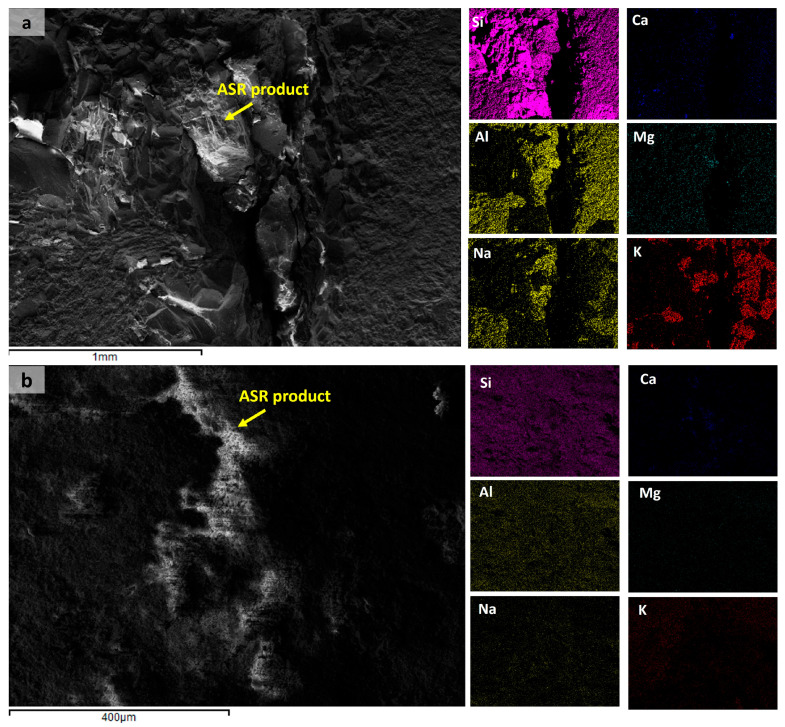 Figure 13
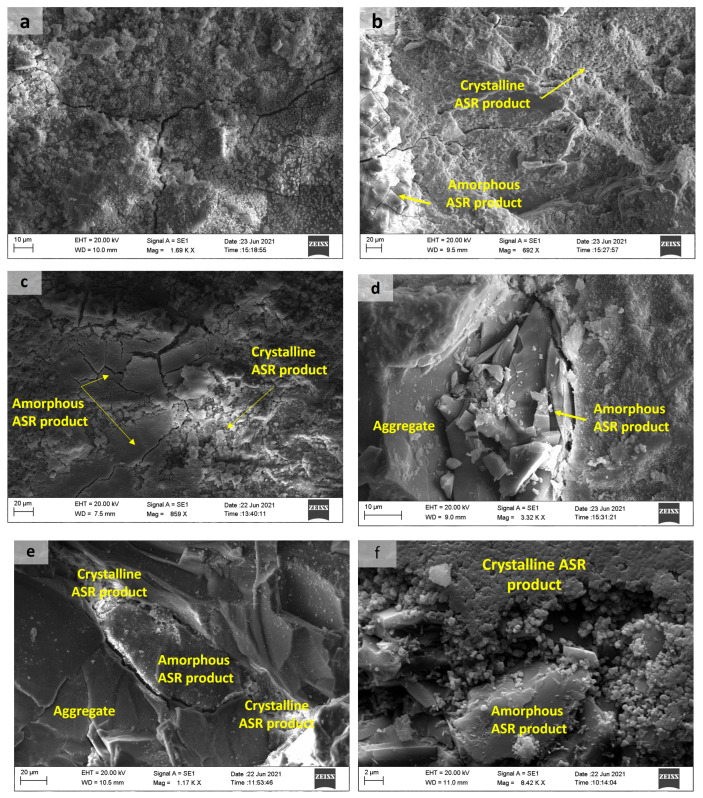 Figure 14
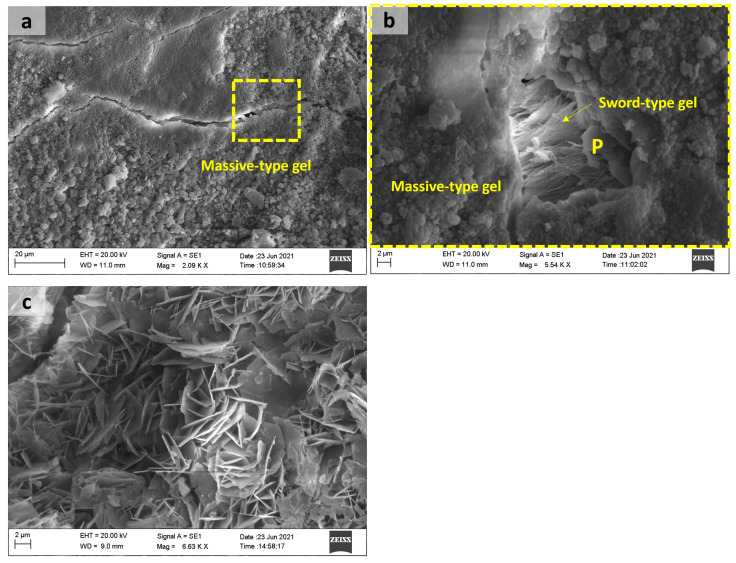 Figure 15
Peer Reviews
No public reviews on file for this paper yet. If you reviewed it on a platform where reviews are public (OpenReview, ICLR, NeurIPS, ICML), you can paste yours below so the community can read it here.
Videos
No videos yet. Explain this paper in a talk, walkthrough, or lecture? Add one.
Taxonomy
TopicsConcrete and Cement Materials Research · Building materials and conservation · Concrete Corrosion and Durability