Experimental Research on Quarry Wastewater Purification Using Flocculation Process
Yongjie Bu, Kangjian Zeng, Heng Yang, Aihui Sun, Qingjun Guan, Shuang Zhou, Wenqing Peng, Weijun Wang, Peng Ge, Yue Yang

TL;DR
This study explores using a combination of organic and inorganic flocculants to purify quarry wastewater, achieving high efficiency in reducing turbidity and enabling water reuse.
Contribution
The novel contribution is the systematic investigation of synergistic effects between organic and inorganic flocculants to enhance wastewater purification.
Findings
Optimal conditions achieved 97.30 NTU residual turbidity, meeting industrial discharge standards.
Zeta potential, microscopy, and DLVO theory explained enhanced aggregation behavior mechanistically.
Combined use of PAC, PAM, and CaO improved floc settling and turbidity reduction.
Abstract
The flocculation-based purification of quarry wastewater continues to pose a significant challenge in mineral processing and environmental engineering, primarily due to persistent turbidity issues and inefficient floc settling behaviour. In this study, we systematically investigate the synergistic effects of organic and inorganic flocculants to reduce turbidity and improve floc settling performance. Through a series of optimised experiments using polyaluminium chloride as an inorganic flocculant, polyacrylamide as an organic flocculant, and calcium oxide as a pH regulator agent, the treatment efficiency was evaluated. Under the optimal conditions with 200 g/m3 CaO as the regulator agent and 2.5 g/m3 PAC and 12 g/m3 PAM as flocculants, the residual turbidity was reduced to 97.30 NTU, meeting stringent industrial discharge standards and enabling zero-discharge water reuse. Zeta potential…
Genes, proteins, chemicals, diseases, species, mutations and cell lines named across the full text — each resolved to its canonical identifier and authoritative record.
Click any figure to enlarge with its caption.
 Figure 1
 Figure 2
 Figure 3
 Figure 4
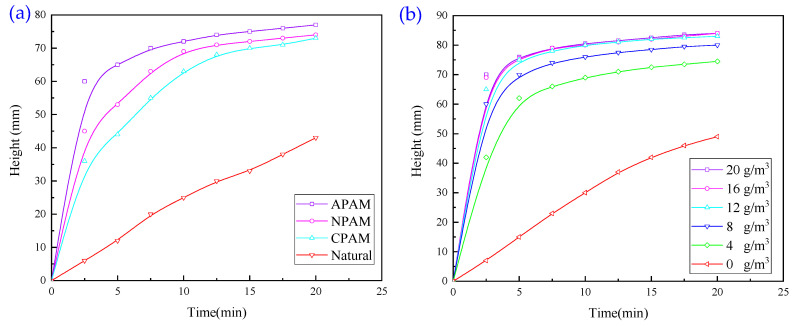 Figure 5
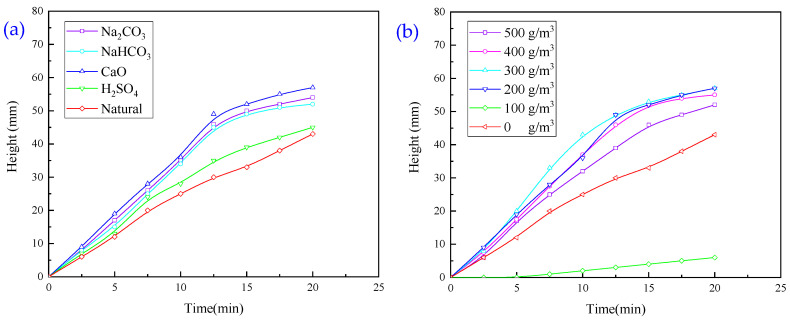 Figure 6
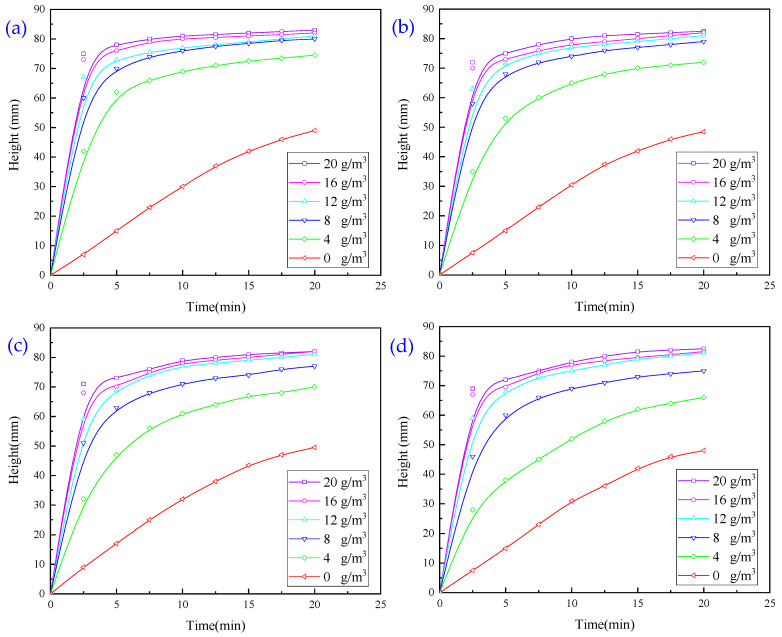 Figure 7
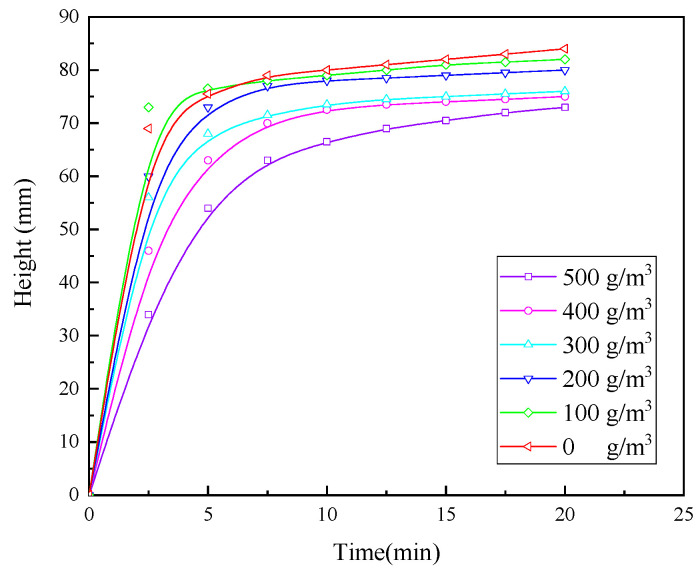 Figure 8
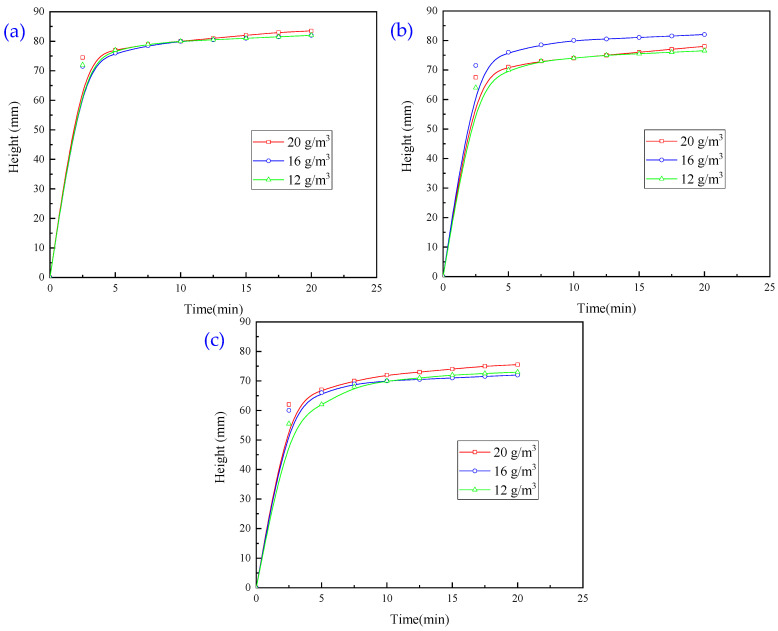 Figure 9
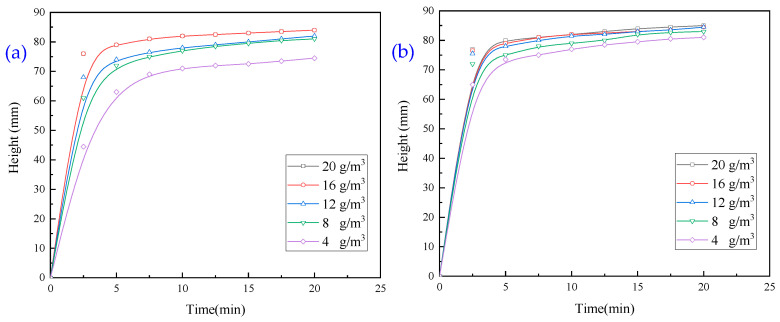 Figure 10
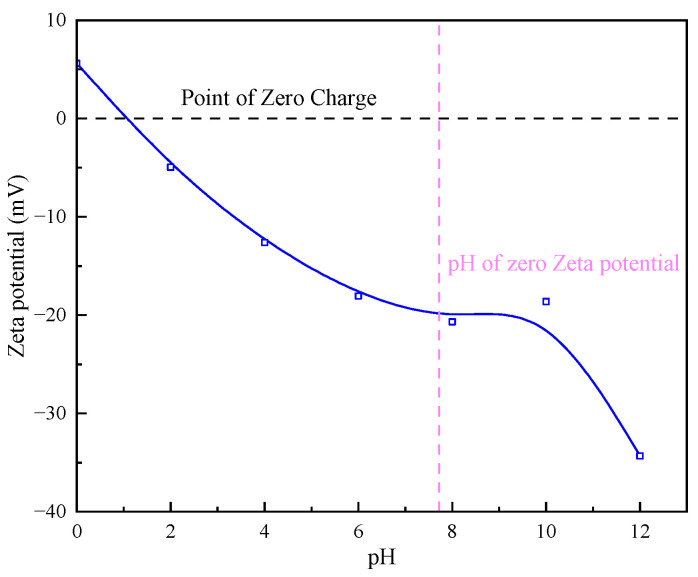 Figure 11
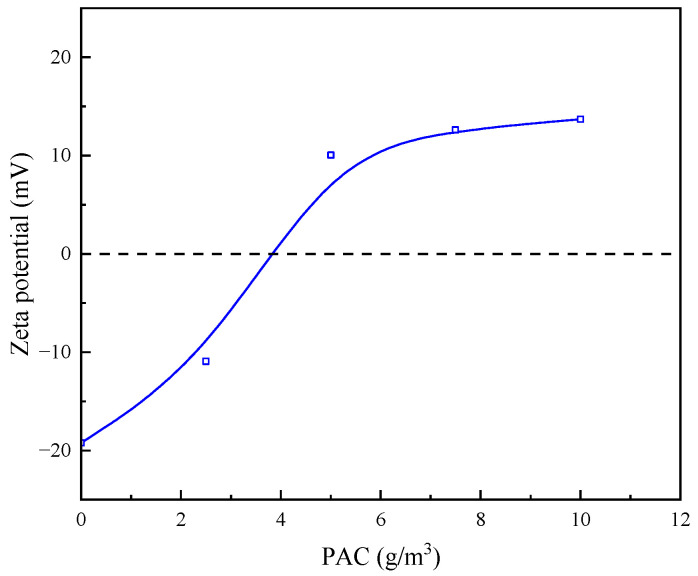 Figure 12
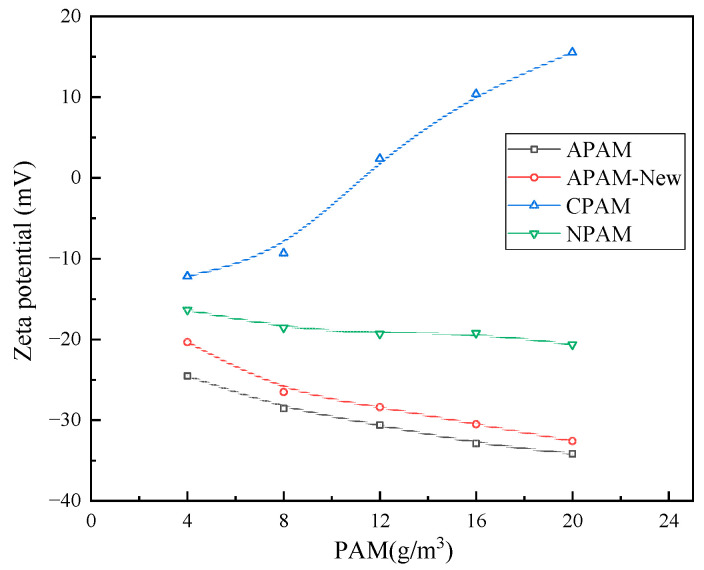 Figure 13
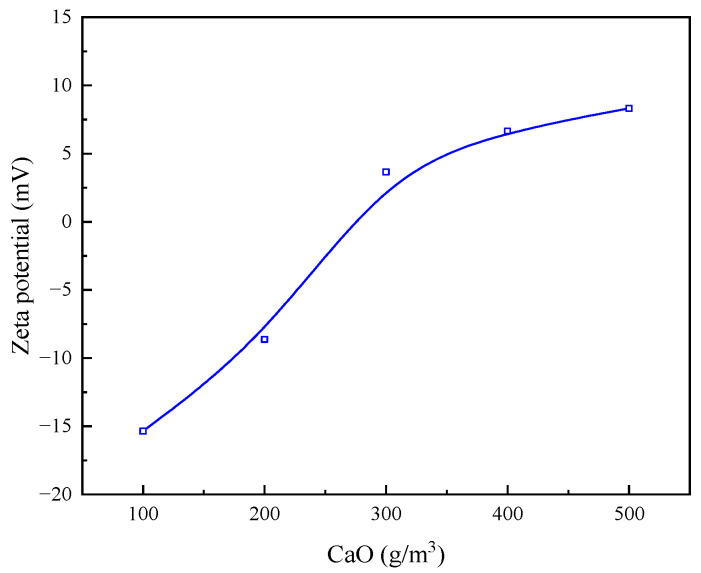 Figure 14
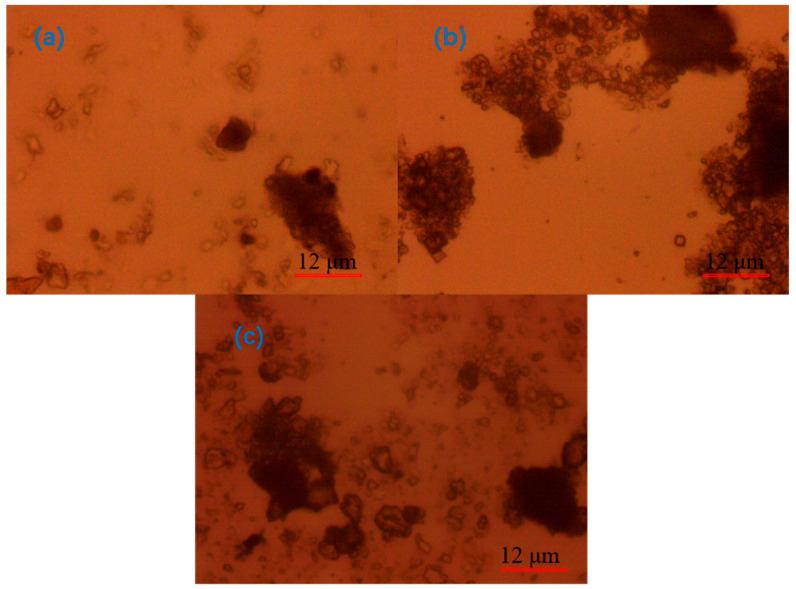 Figure 15
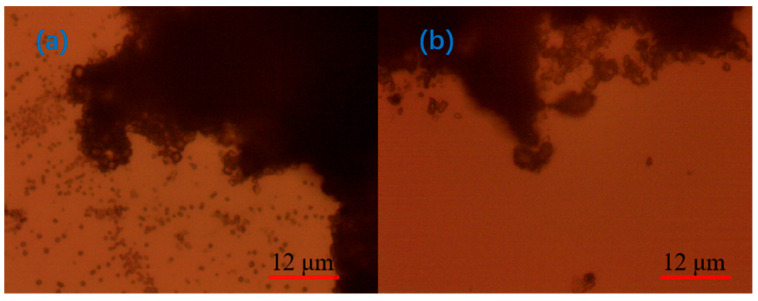 Figure 16
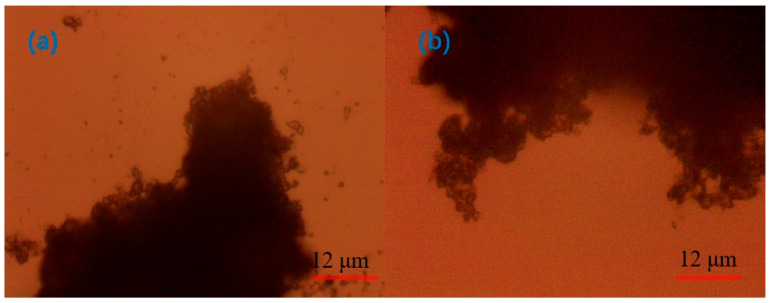 Figure 17
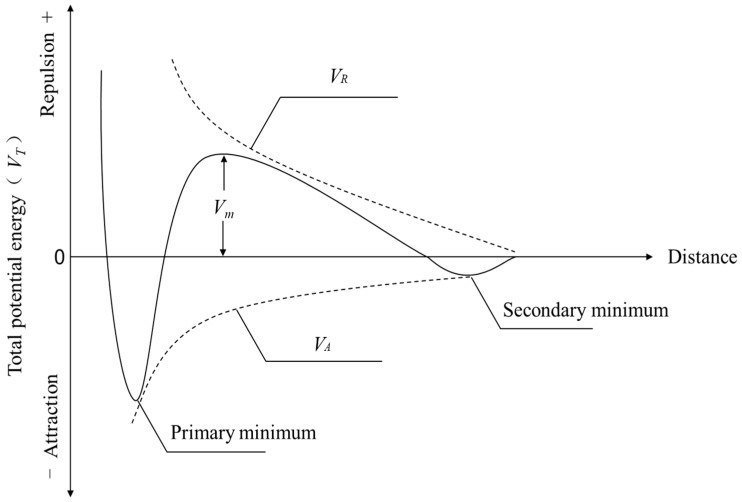 Figure 18
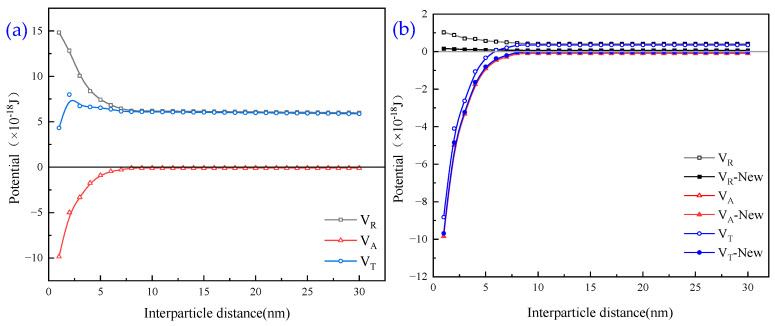 Figure 19
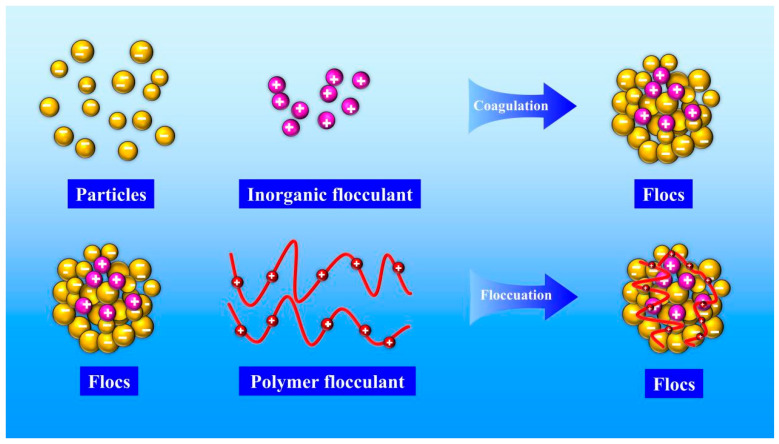 Figure 20
Peer Reviews
No public reviews on file for this paper yet. If you reviewed it on a platform where reviews are public (OpenReview, ICLR, NeurIPS, ICML), you can paste yours below so the community can read it here.
Videos
No videos yet. Explain this paper in a talk, walkthrough, or lecture? Add one.
Taxonomy
TopicsMinerals Flotation and Separation Techniques · Coagulation and Flocculation Studies · Electrostatics and Colloid Interactions