Nanoporous Carbons from Hydrothermally Treated Alga: Role in Batch and Continuous Capacitive Deionization (CDI)
Dipendu Saha, Ryan Schlosser, Lindsay Lapointe, Marisa L. Comroe, John Samohod, Elijah Whiting, David S. Young

TL;DR
This paper shows how to make high-performance carbon from algae for water desalination, achieving good salt removal and energy efficiency.
Contribution
A sustainable method to produce nanoporous carbon from Spirulina Alga for efficient capacitive deionization.
Findings
The activated carbon had a high surface area of 1747 m2/g and good pore structure.
Salt adsorption capacity reached 25–40 mg/g in batch and continuous processes.
Energy consumption was 8–21 kJ/mol for batch and 0.1–0.5 kJ/mol for continuous operation.
Abstract
This study presents a sustainable approach for synthesizing high-performance activated carbon from Spirulina Alga through hydrothermal carbonization followed by chemical activation using potassium hydroxide. The resulting activated carbon exhibited a high Brunauer–Emmett–Teller (BET) surface area of 1747 m2/g and a total pore volume of 1.147 cm3/g, with micropore volume accounting for 0.4 cm3/g. Characterization using Scanning Electron Microscopy-Energy Dispersive X-ray Spectroscopy (SEM-EDS), X-ray Photoelectron Spectroscopy (XPS), and gas adsorption analyses confirmed the presence of hierarchical micro- and mesoporosity as well as favorable surface functional groups. The synthesized carbon was used to fabricate electrodes for membrane capacitive deionization (MCDI) along with cation and anion-selective membranes, which were then tested with saline water (500–5000 ppm) and synthetic…
Genes, proteins, chemicals, diseases, species, mutations and cell lines named across the full text — each resolved to its canonical identifier and authoritative record.
Click any figure to enlarge with its caption.
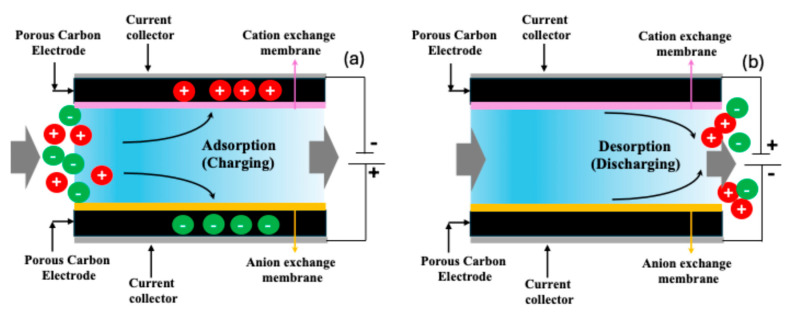 Figure 1
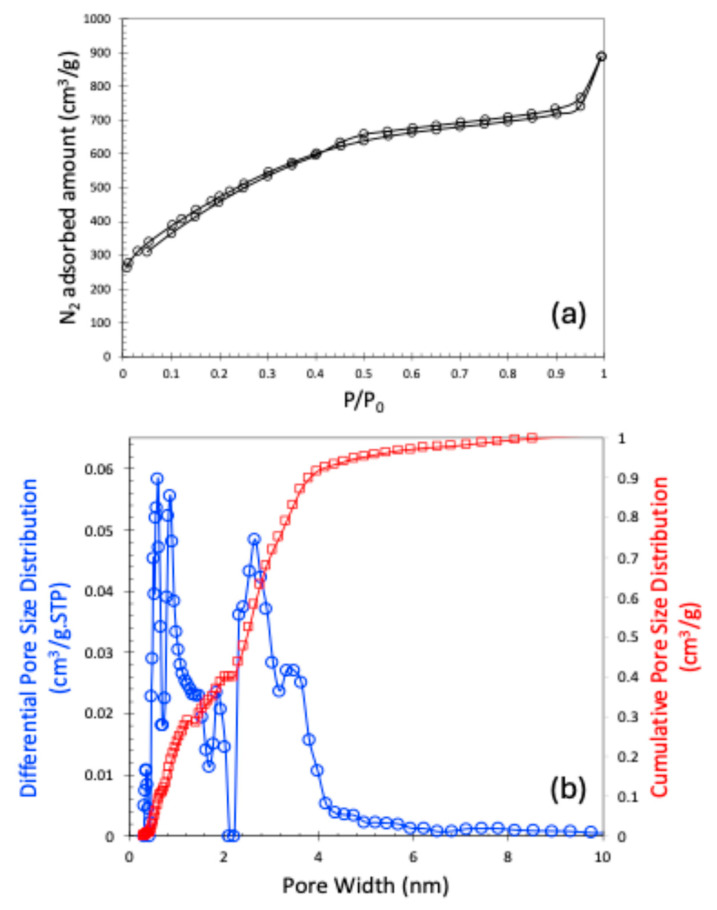 Figure 2
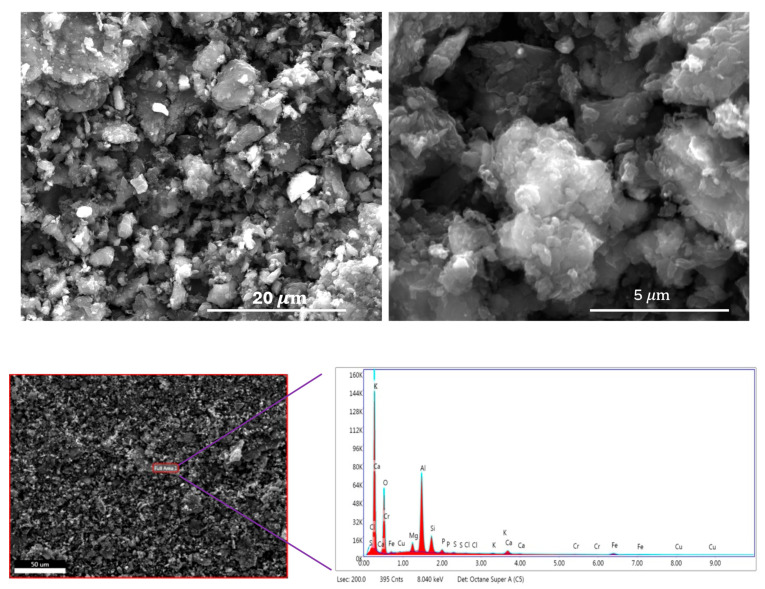 Figure 3
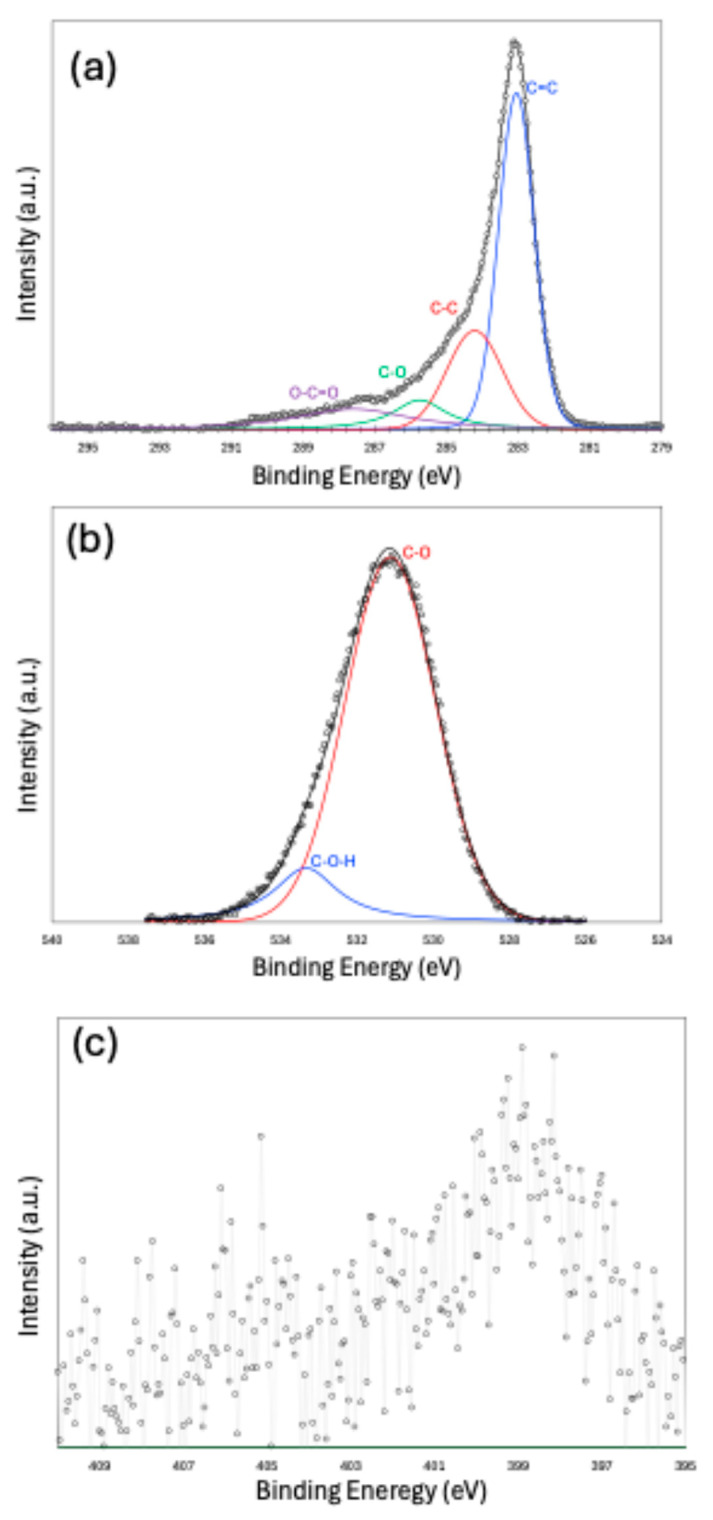 Figure 4
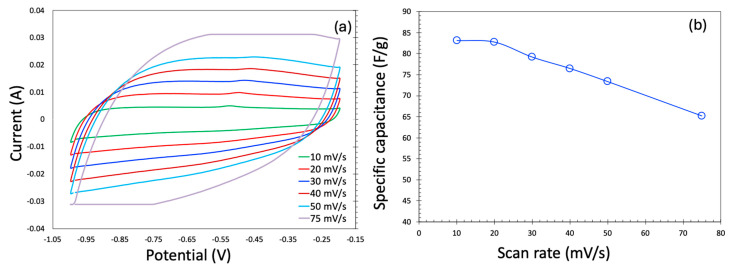 Figure 5
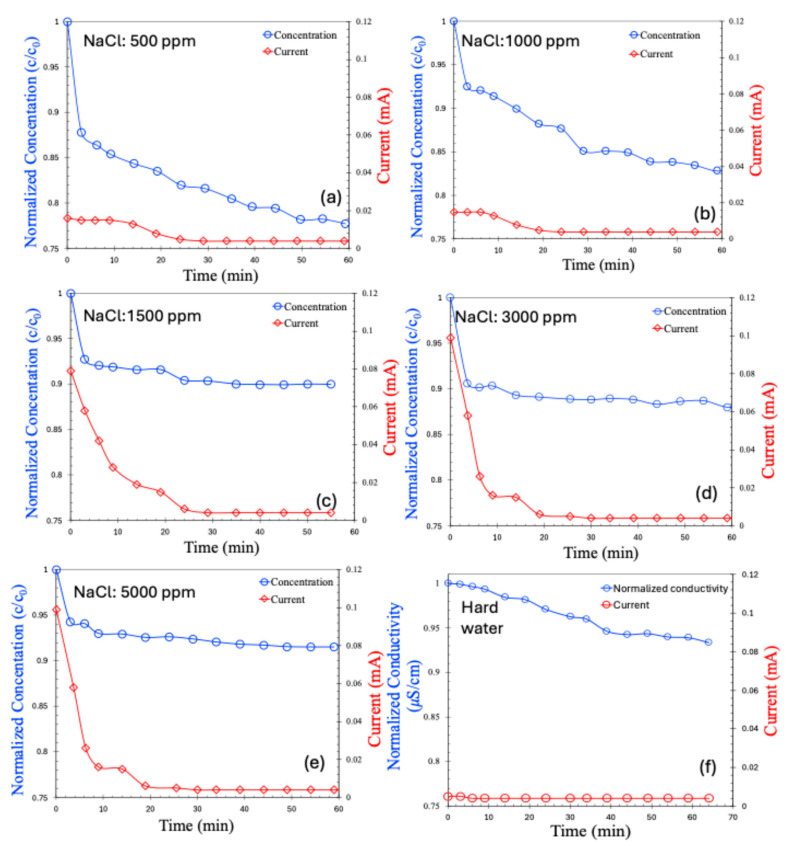 Figure 6
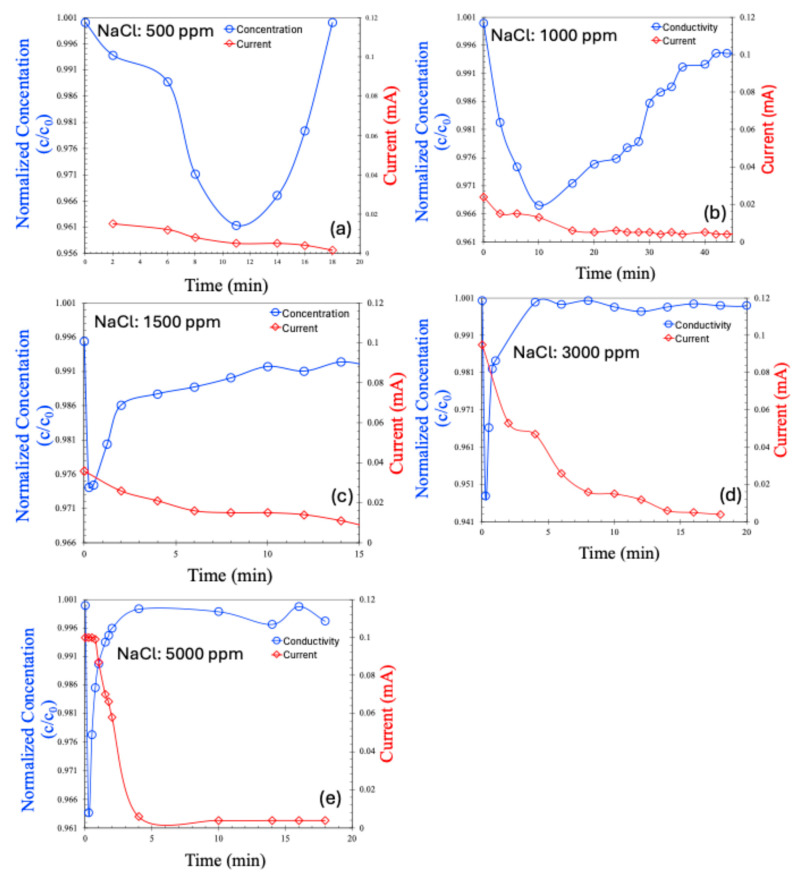 Figure 7
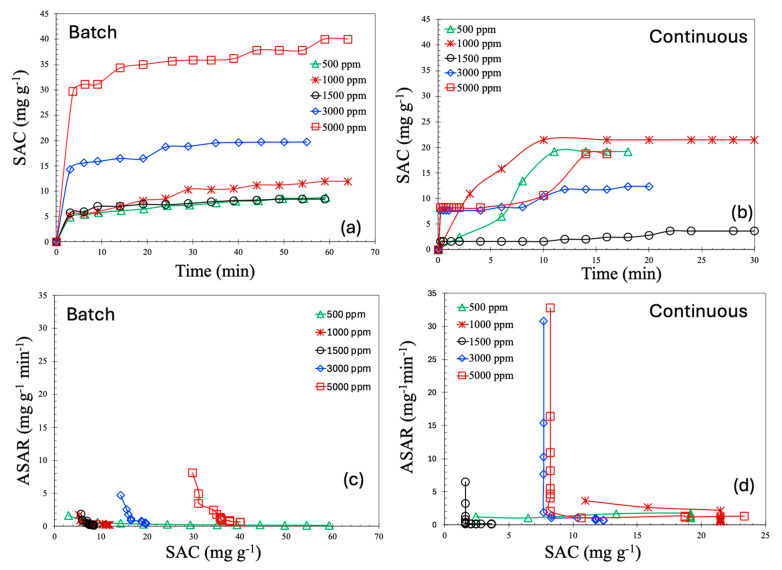 Figure 8
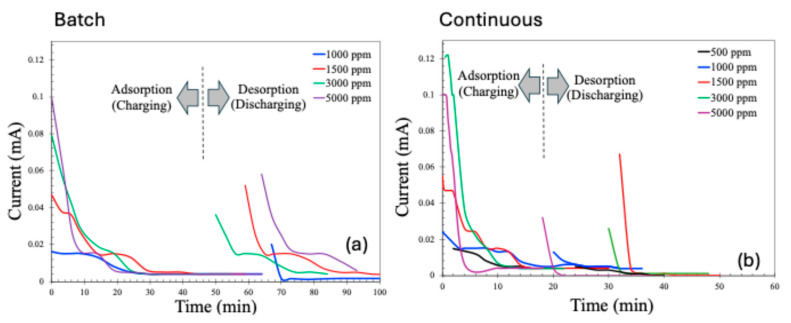 Figure 9
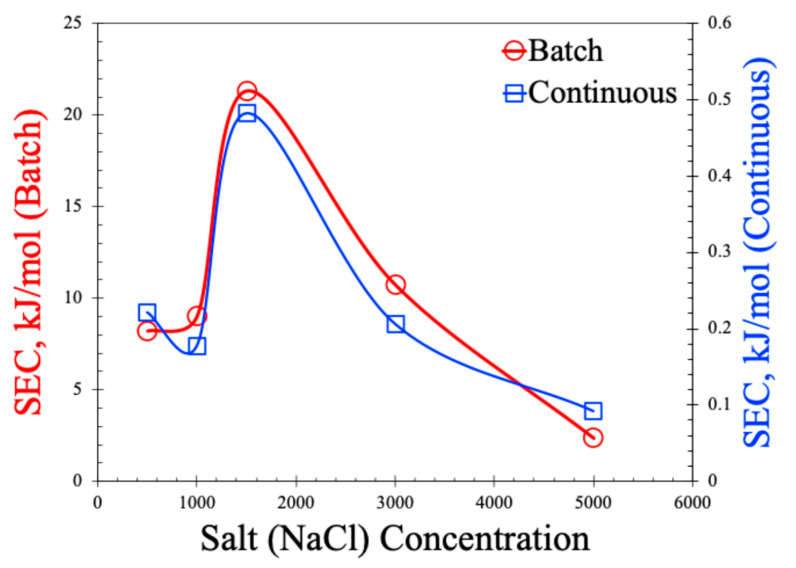 Figure 10
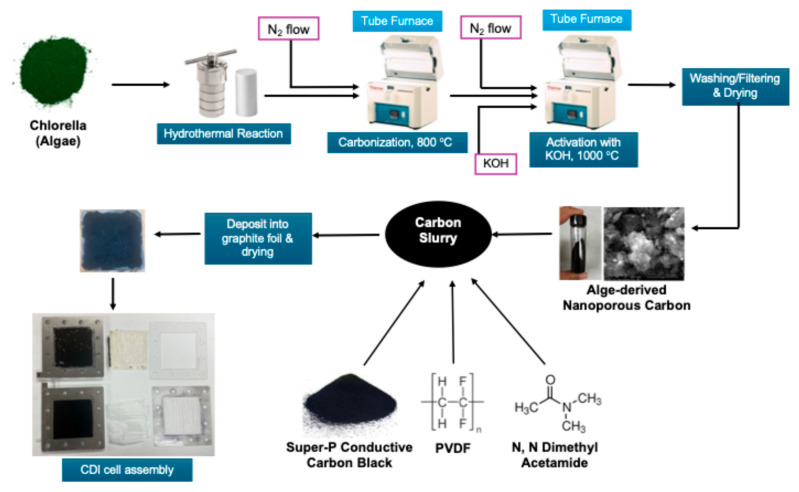 Figure 11
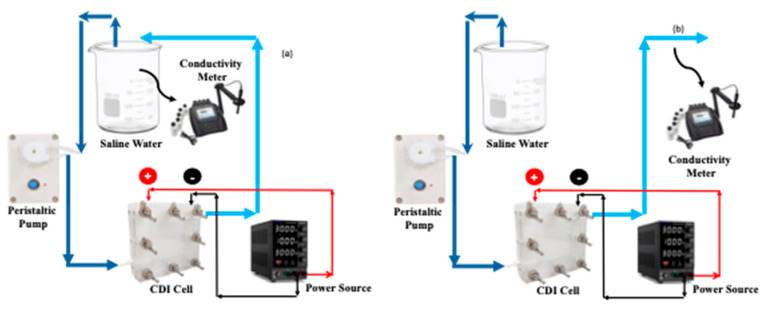 Figure 12
Peer Reviews
No public reviews on file for this paper yet. If you reviewed it on a platform where reviews are public (OpenReview, ICLR, NeurIPS, ICML), you can paste yours below so the community can read it here.
Videos
No videos yet. Explain this paper in a talk, walkthrough, or lecture? Add one.
Taxonomy
TopicsMembrane-based Ion Separation Techniques · Membrane Separation Technologies · Ammonia Synthesis and Nitrogen Reduction