Experimental Testing and PSO-Enhanced Neural Networks for Impact Failure Analysis of H-Section Steel Members
Pengcheng Chen, Shuwen Bu, Lin Wang, Guoyun Lu, Jinfeng Jiao, Huiwei Yang

TL;DR
This paper proposes a PSO-optimized neural network model to predict damage in H-section steel members under impact loads, showing better accuracy than other models.
Contribution
A novel PSO-MLP model is introduced for impact failure prediction in H-section steel members, demonstrating improved accuracy and robustness.
Findings
The PSO-MLP model outperforms RF and SVM in predicting H-section steel member damage under impact.
The weakest impact location is 0.57 L from the fixed end, and impact angle of ~50° is most critical.
Cross-sectional height and width linearly enhance impact performance, while impact angle shows nonlinear behavior.
Abstract
H-section steel members, as a commonly used load-bearing receiving member in building structures, may be subjected to the impact of accidental loads during their service life, and therefore, the impact loads need to be considered when carrying out the design. In this paper, based on experimental testing, the particle swarm optimization algorithm (PSO) is used to optimize the hyperparameters of the multilayer perceptron (MLP), and a combined prediction model PSO-MLP for H-section steel members subjected to lateral impact loads is proposed to predict the damage of the H-section steel members after impact. The results show that the prediction model based on PSO-MLP can predict the damage of the H-beam columns more accurately, and compared to the random forest model (RF) and the support vector machine (SVM), the PSO-MLP model has better prediction accuracy and robustness. In addition, the…
Genes, proteins, chemicals, diseases, species, mutations and cell lines named across the full text — each resolved to its canonical identifier and authoritative record.
Click any figure to enlarge with its caption.
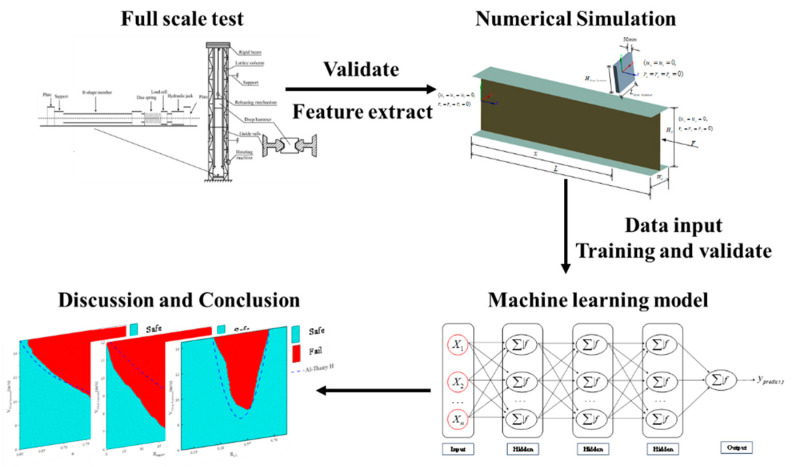 Figure 1
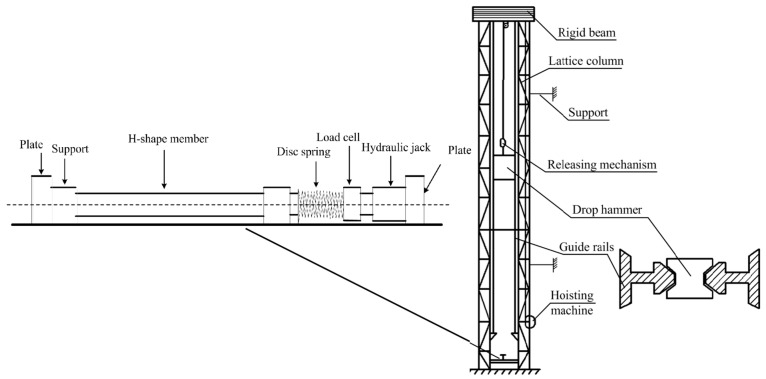 Figure 2
 Figure 3
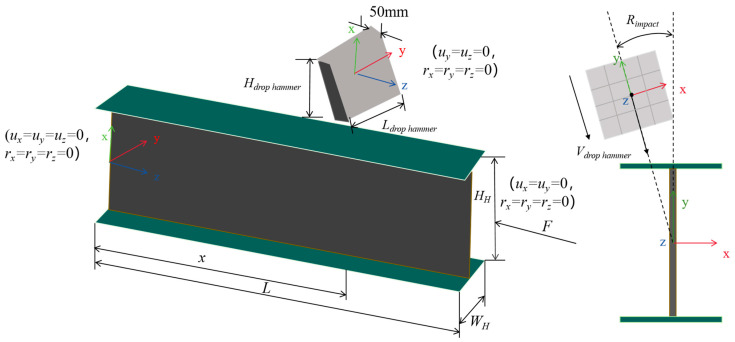 Figure 4
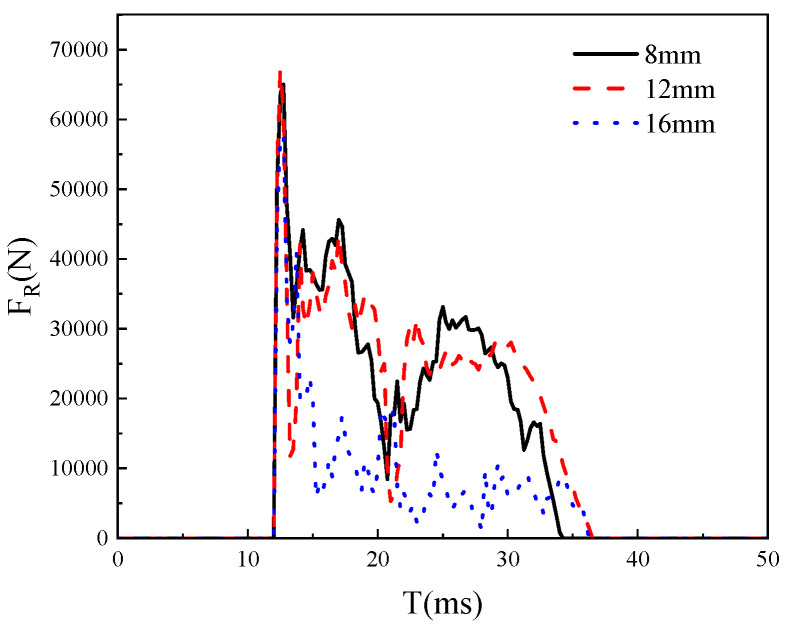 Figure 5
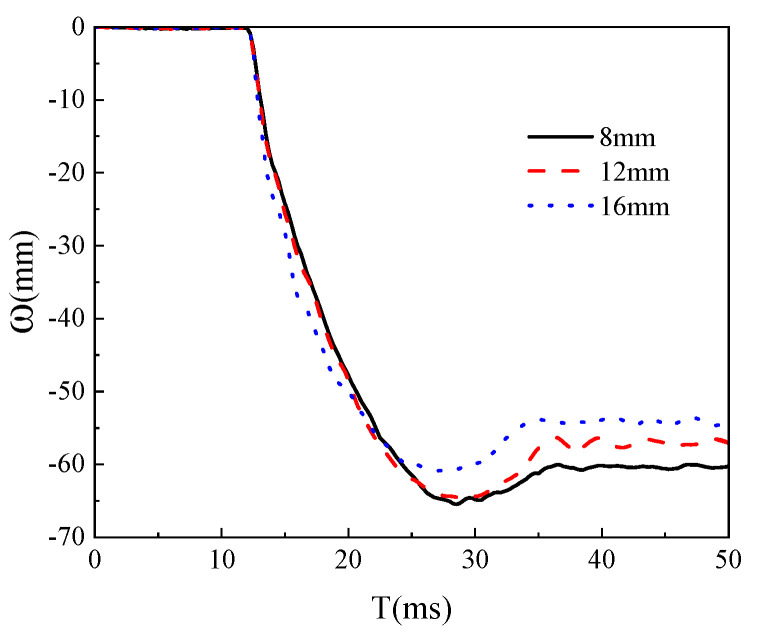 Figure 6
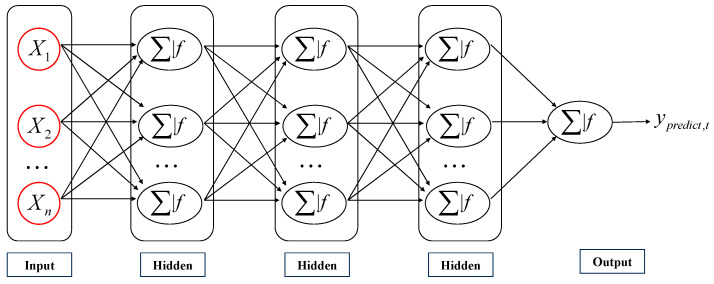 Figure 7
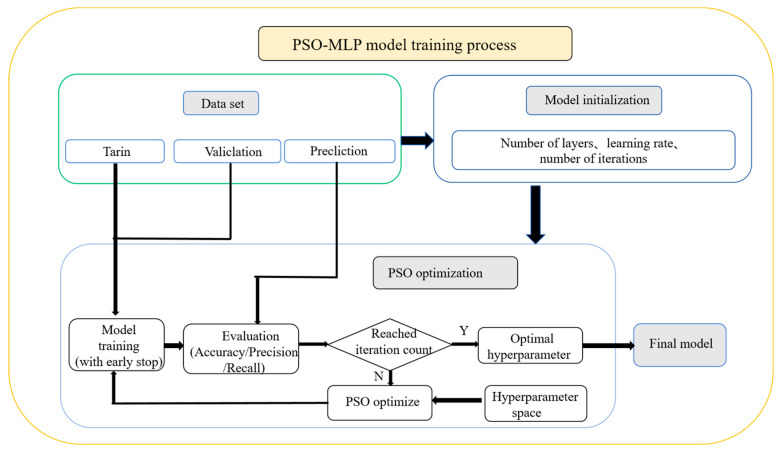 Figure 8
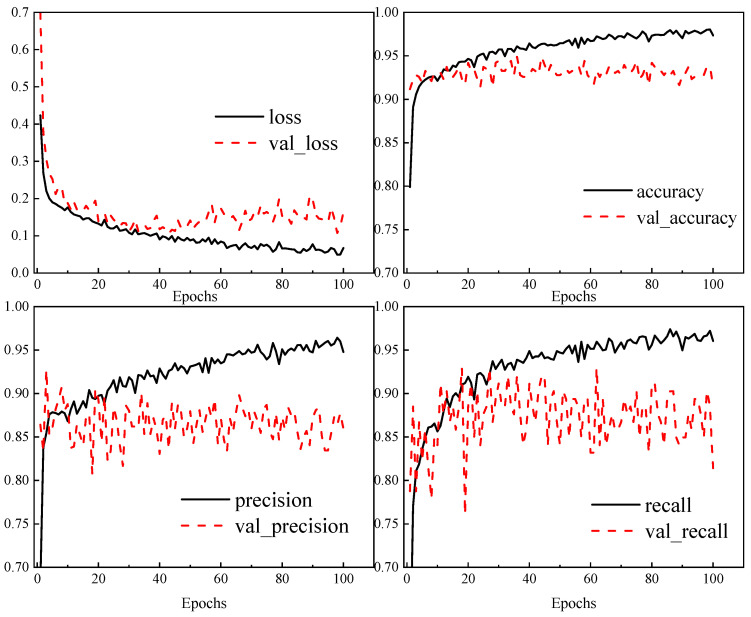 Figure 9
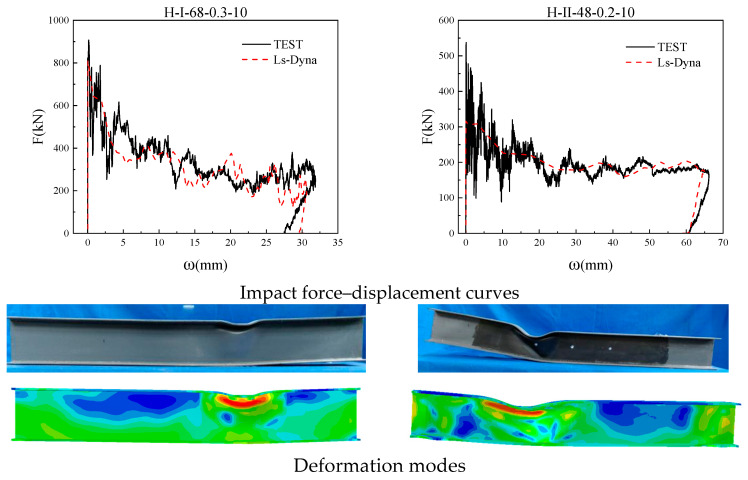 Figure 10
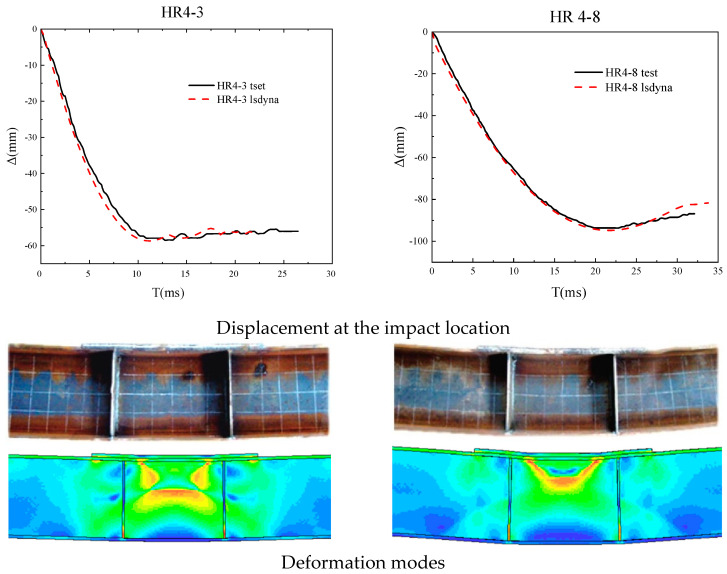 Figure 11
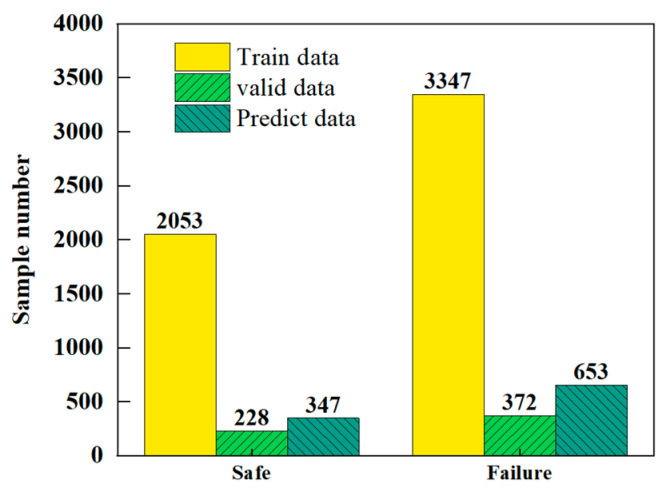 Figure 12
 Figure 13
 Figure 14
 Figure 15
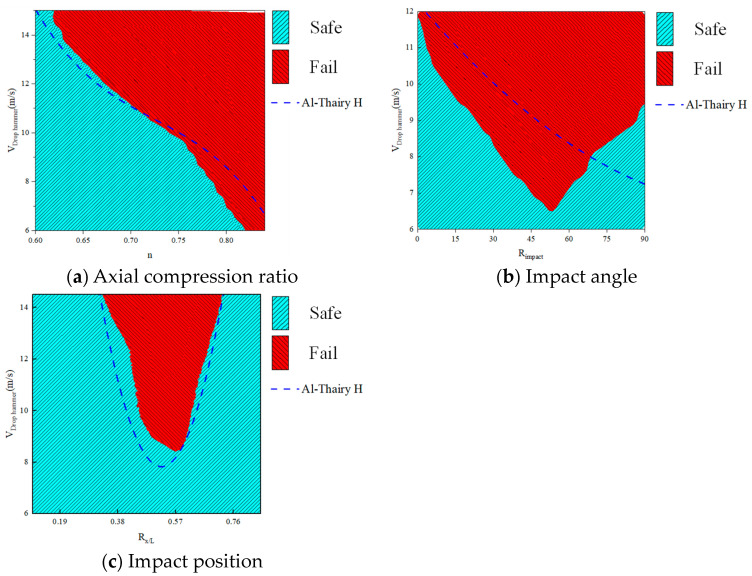 Figure 16
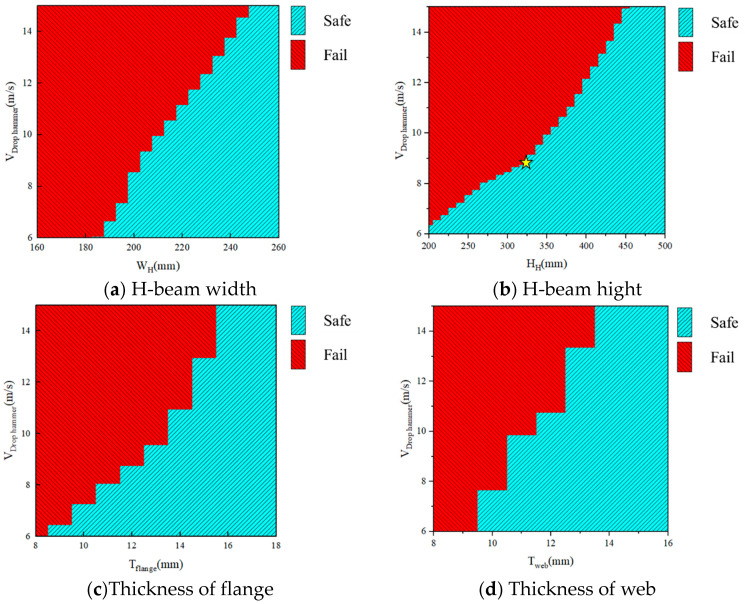 Figure 17
Peer Reviews
No public reviews on file for this paper yet. If you reviewed it on a platform where reviews are public (OpenReview, ICLR, NeurIPS, ICML), you can paste yours below so the community can read it here.
Videos
No videos yet. Explain this paper in a talk, walkthrough, or lecture? Add one.
Taxonomy
TopicsStructural Response to Dynamic Loads · Structural Health Monitoring Techniques · Structural Behavior of Reinforced Concrete