Proton and Metal Dication Affinities of Tetracyclic Imidazo[4,5-b]Pyridine-Based Molecules: Insights from Mass Spectrometry and DFT Analysis
Lucija Vrban, Ingrid Ana Martinac, Marijana Hranjec, Marijana Pocrnić, Nives Galić, Renata Kobetić, Robert Vianello

TL;DR
This study explores how tetracyclic imidazo[4,5-b]pyridine molecules interact with metal ions, revealing their binding behaviors and potential uses in biology and chemistry.
Contribution
The paper provides new insights into the coordination chemistry of imidazo[4,5-b]pyridine derivatives with biologically relevant metal dications.
Findings
Cu(II) and Zn(II) form stable mono- and dinuclear complexes, often with reduction observed.
Imidazole nitrogen is the primary binding site, and substituents influence metal coordination strength.
Ca(II) and Mg(II) show lower affinities compared to Cu(II) and Zn(II).
Abstract
The imidazo[4,5-b]pyridine scaffold, a versatile heterocyclic system, is renowned for its biological and chemical significance, yet its coordination chemistry with biologically relevant metal dications remains underexplored. This study investigates the proton and metal dication affinities of twelve tetracyclic organic molecules based on the imidazo[4,5-b]pyridine core, focusing on their interactions with Ca(II), Mg(II), Zn(II), and Cu(II). Employing a dual approach of electrospray ionization mass spectrometry (ESI-MS) and density functional theory (DFT) calculations, we characterized the formation, stability, and structural features of metal–ligand complexes. ESI-MS revealed distinct binding behaviors, with Cu(II) and Zn(II) forming stable mono- and dinuclear complexes, often accompanied by reduction processes (e.g., Cu(II) to Cu(I)), while Ca(II) and Mg(II) exhibited lower affinities.…
Genes, proteins, chemicals, diseases, species, mutations and cell lines named across the full text — each resolved to its canonical identifier and authoritative record.
Click any figure to enlarge with its caption.
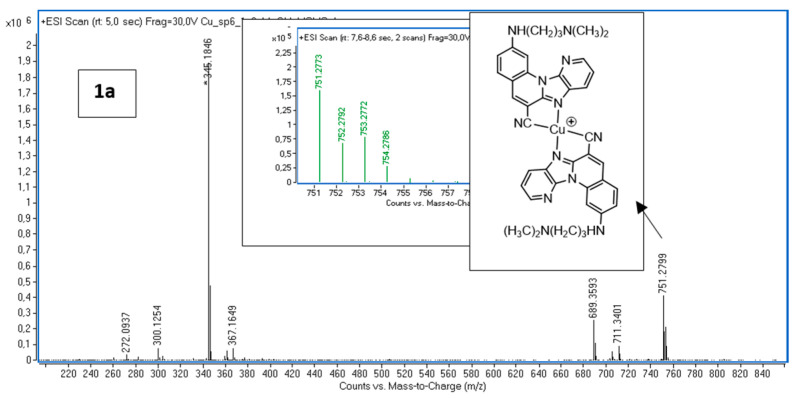 Figure 1
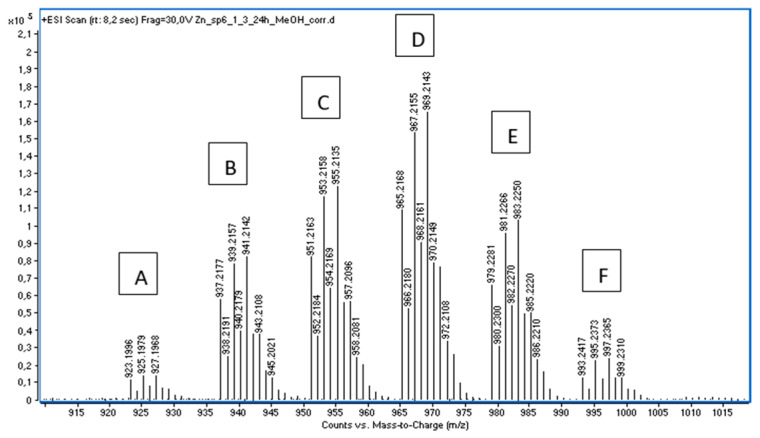 Figure 2
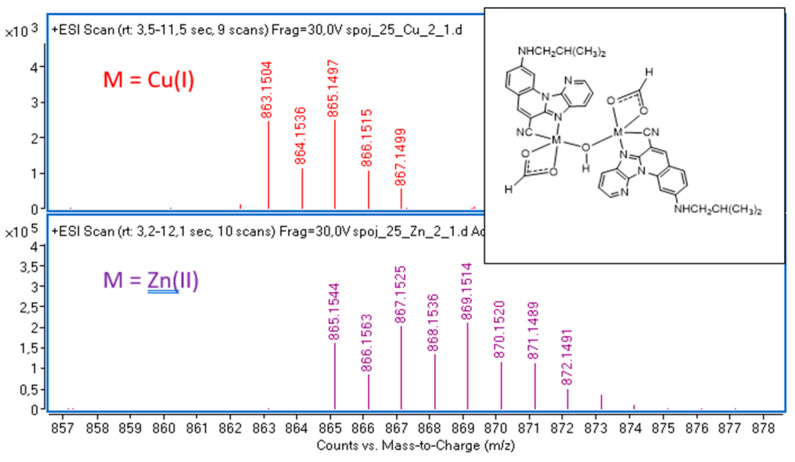 Figure 3
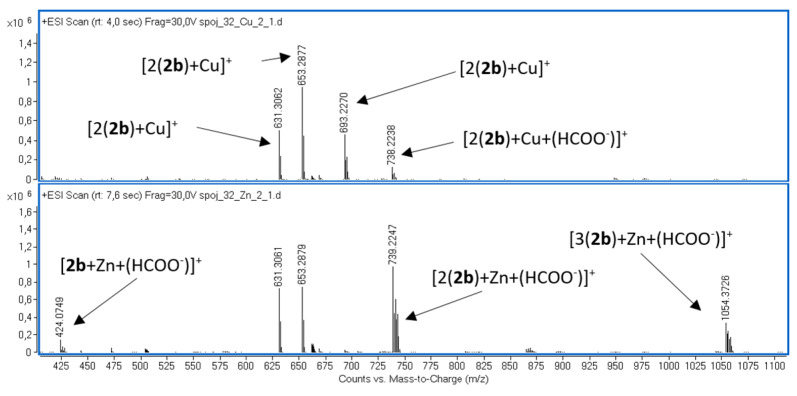 Figure 4
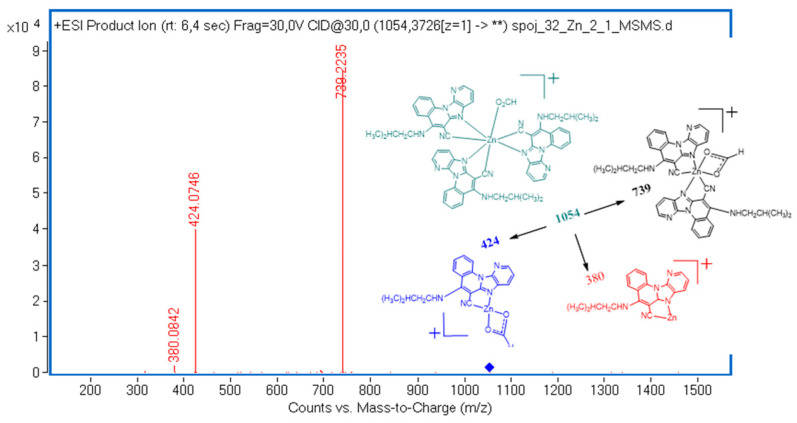 Figure 5
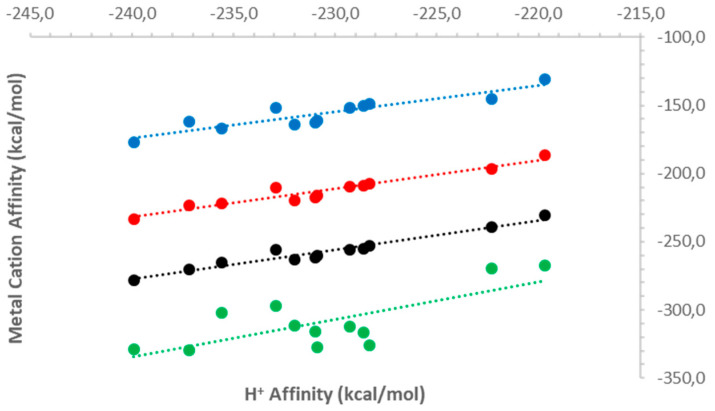 Figure 6
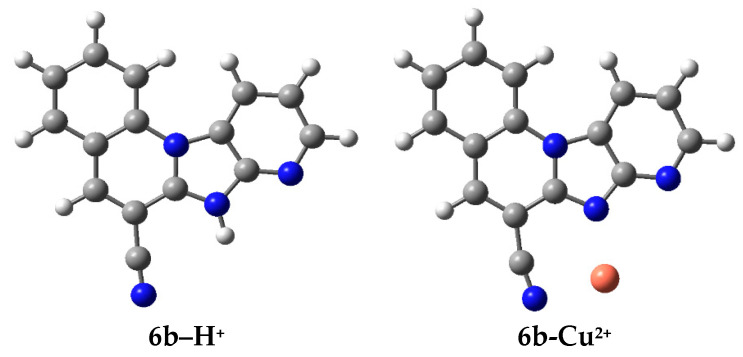 Figure 7
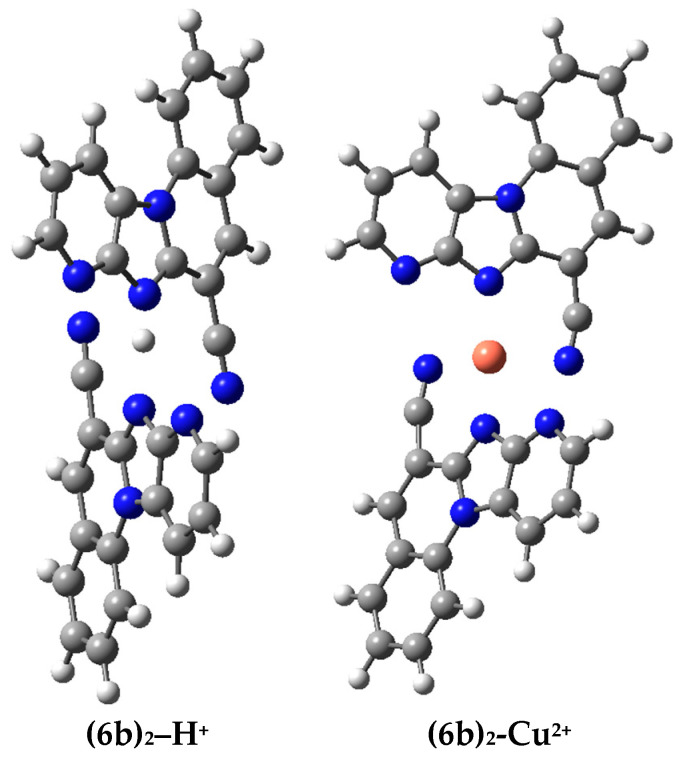 Figure 8
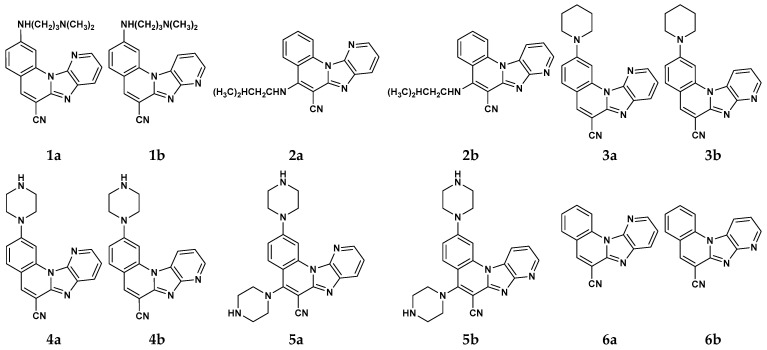 Figure 9
Peer Reviews
No public reviews on file for this paper yet. If you reviewed it on a platform where reviews are public (OpenReview, ICLR, NeurIPS, ICML), you can paste yours below so the community can read it here.
Videos
No videos yet. Explain this paper in a talk, walkthrough, or lecture? Add one.
Taxonomy
TopicsMolecular Sensors and Ion Detection · Chemical Reaction Mechanisms · Metal complexes synthesis and properties