Natural Low-Eutectic Solvent Co-Culture-Assisted Whole-Cell Catalyzed Synthesis of Ethyl (R)-4-Chloro-3-Hydroxybutyrate
Yanni Wang, Bo Liu, Yanmei Dai, Zijuan Tao, Lan Tang, Zhimin Ou

TL;DR
This study uses a natural low-eutectic solvent to enhance the production of a specific chemical compound through whole-cell catalysis.
Contribution
The novel use of a co-culture with a natural low-eutectic solvent significantly improves the catalytic yield of (R)-4-chloro-3-hydroxybutyrate.
Findings
Using 0.5% ChCl:U (1:2) in co-culture increased (R)-CHBE yield to 89.1%, a 58.2% improvement over the control.
Co-culture with NADES outperformed secondary addition of NADES during the reaction buffer.
ChCl:U (1:2) showed better catalytic performance than its individual components or single-component blends.
Abstract
In this study, CGMCC NO:28566, a strain that can efficiently convert Ethyl 4-chloroacetoacetate(COBE) to (R)-4-chloro-3-hydroxybutyrate((R)-CHBE), was screened by soil-sieving bacteria. In order to improve the transformation effect of the strain, the natural low-eutectic solvent (NADES), which can alter the cell permeability, was utilized for assisted catalysis, and a better catalytic effect was achieved. This study was carried out using a co-culture of strains with NADES and secondary addition of NADES on the basis of co-culture, and 10 NADESs were screened at the same time. The co-catalytic effect of 0.5% (w/v) choline chloride: urea (1:2) (ChCl:U (1:2)) was found to be the most significant, with a yield of (R)-CHBE reaching 89.1%, which was 58.2% higher than that of the control group, with a 99% ee value. Furthermore, the catalytic results demonstrated that the co-culture of the…
Genes, proteins, chemicals, diseases, species, mutations and cell lines named across the full text — each resolved to its canonical identifier and authoritative record.
Click any figure to enlarge with its caption.
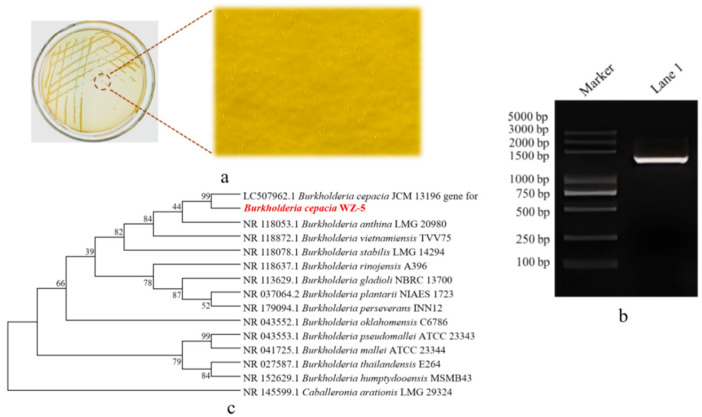 Figure 1
 Figure 2
 Figure 3
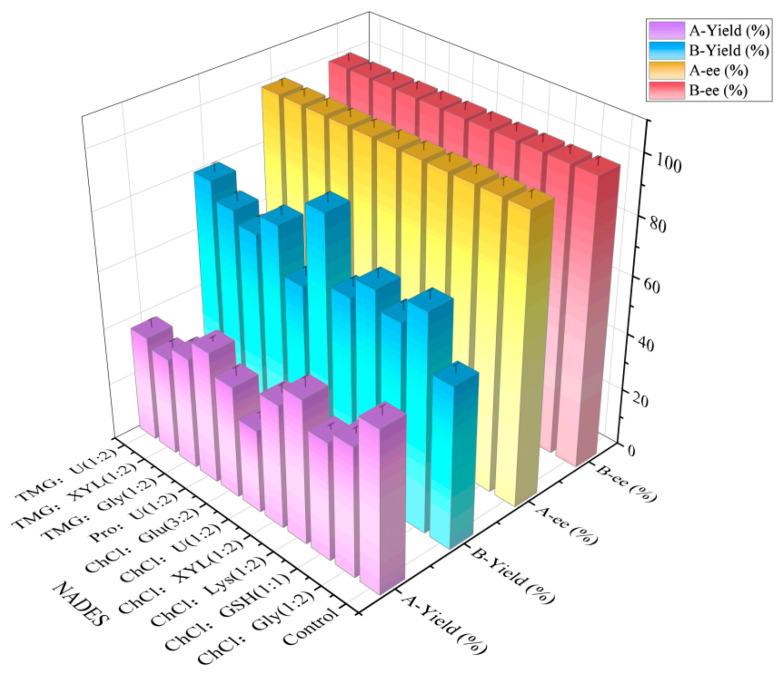 Figure 4
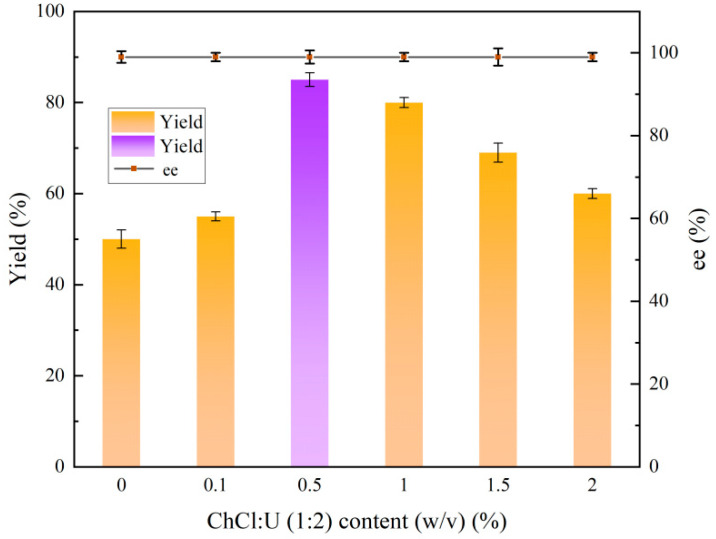 Figure 5
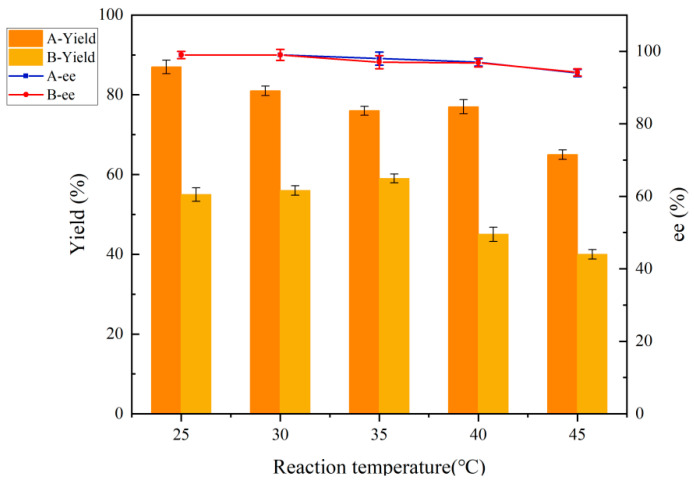 Figure 6
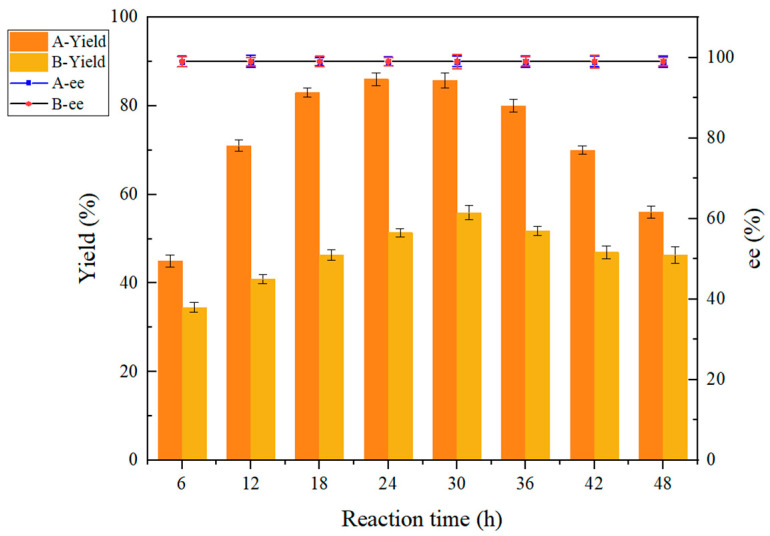 Figure 7
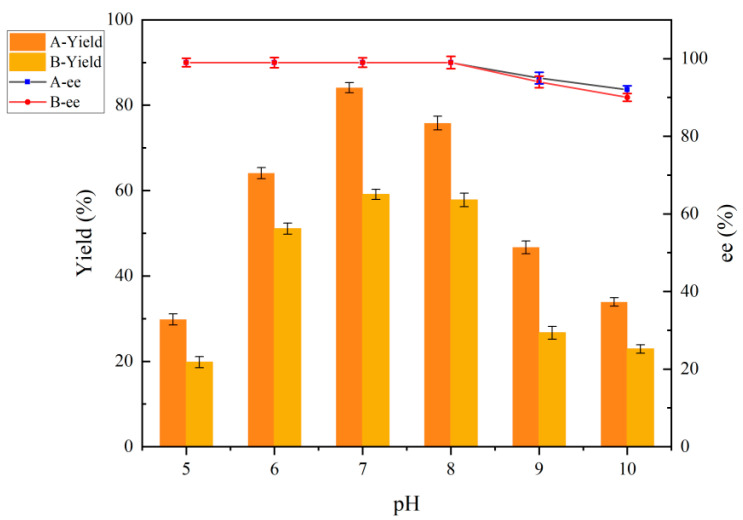 Figure 8
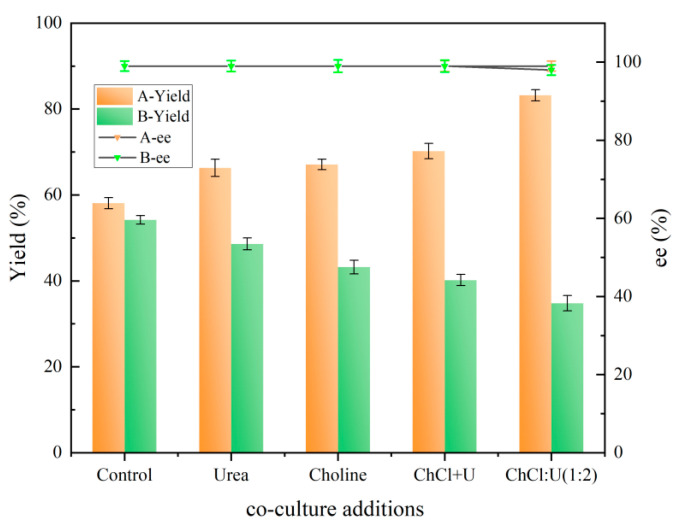 Figure 9
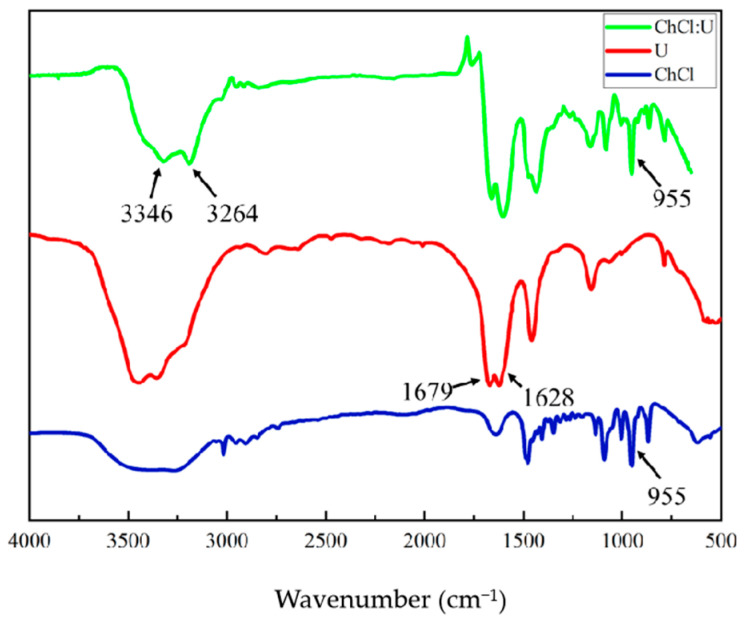 Figure 10
 Figure 11
 Figure 12
Peer Reviews
No public reviews on file for this paper yet. If you reviewed it on a platform where reviews are public (OpenReview, ICLR, NeurIPS, ICML), you can paste yours below so the community can read it here.
Videos
No videos yet. Explain this paper in a talk, walkthrough, or lecture? Add one.
Taxonomy
TopicsMicrobial Metabolic Engineering and Bioproduction · Enzyme Catalysis and Immobilization · Electrochemical sensors and biosensors