Mechanical Properties and Material Characteristics of 3D-Printed Titanium Capsules for Cancer Drug Delivery Applications
Katarzyna Kazimierska-Drobny, Grzegorz Szala, Janusz Musiał, Marek Macko, Tomasz Karasiewicz, Jakub Lewandowski

TL;DR
This study evaluates 3D-printed titanium capsules for cancer drug delivery, showing they are strong, safe, and suitable for personalized therapy.
Contribution
The study introduces 45° printing angle as optimal for maximizing compressive strength in 3D-printed titanium drug capsules.
Findings
Capsules printed at 45° showed the highest compressive strength, exceeding human bone tissue resistance.
Damage from mechanical loading did not produce sharp edges or loose fragments, ensuring in-body safety.
High surface roughness enhances tissue integration and reduces capsule migration after implantation.
Abstract
The aim of the study was to assess the mechanical and material properties of porous titanium capsules, produced by 3D printing via the DMLS (Direct Metal Laser Sintering) technique based on their potential application as carriers for anticancer drugs. The study used capsules made from the Ti-6Al-4V alloy, and analyzes the impact of geometric parameters, structural features, and printing angles (0°, 45°, and 90°) on their compressive strength. A total of 36 capsules were tested, 18 of type KTD and 18 of type KTM, each in two loading directions. The surface roughness and damage characteristics resulting from mechanical loading have also been evaluated. Statistical analysis of the results was performed using Student’s t-test. The results show that the capsules printed at an angle of 45° are characterized by the highest compressive strength, while their resistance significantly exceeds the…
Genes, proteins, chemicals, diseases, species, mutations and cell lines named across the full text — each resolved to its canonical identifier and authoritative record.
Click any figure to enlarge with its caption.
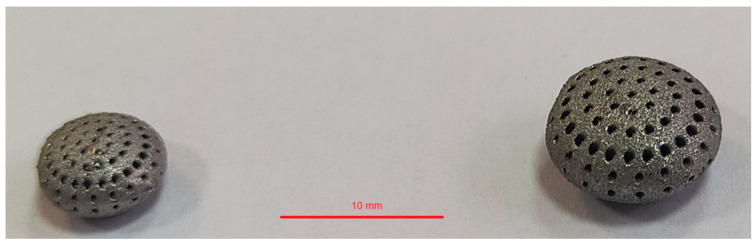 Figure 1
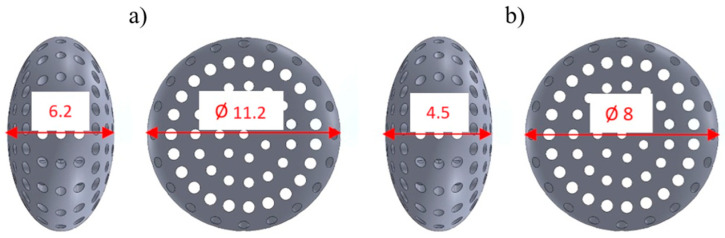 Figure 2
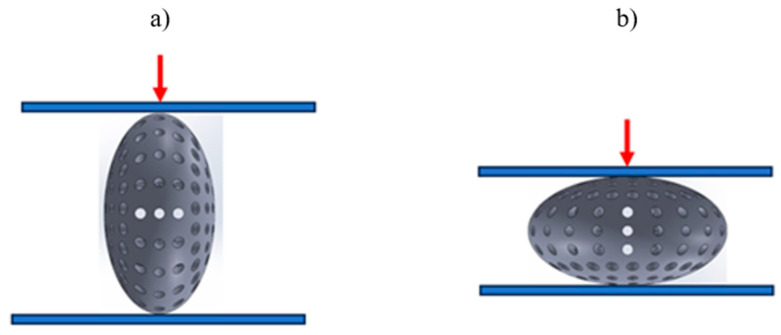 Figure 3
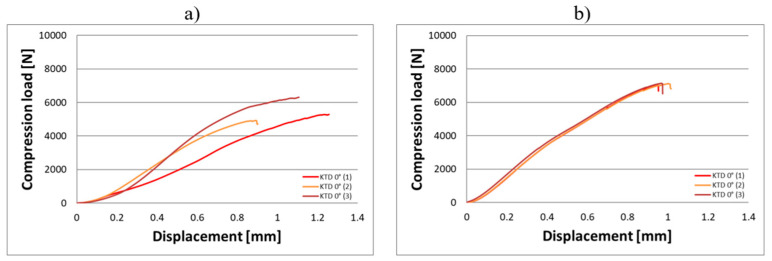 Figure 4
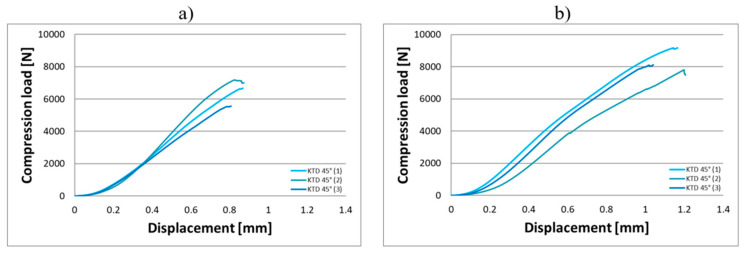 Figure 5
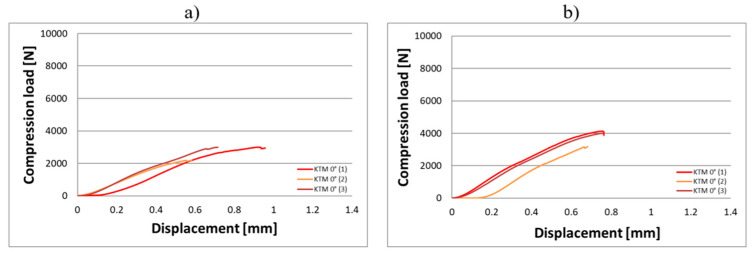 Figure 6
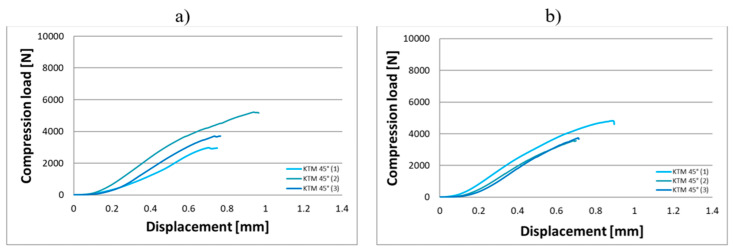 Figure 7
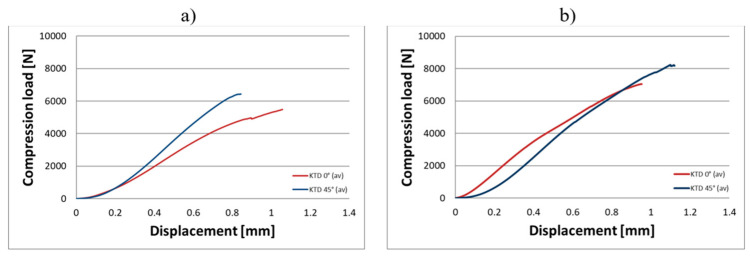 Figure 8
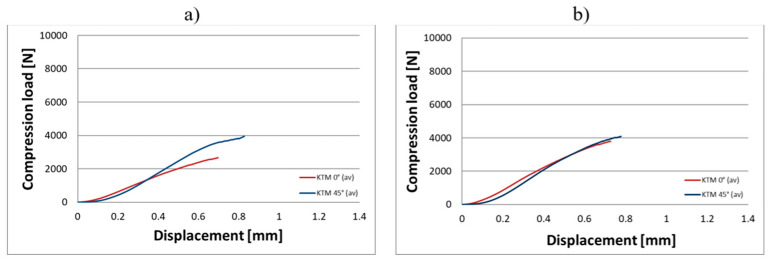 Figure 9
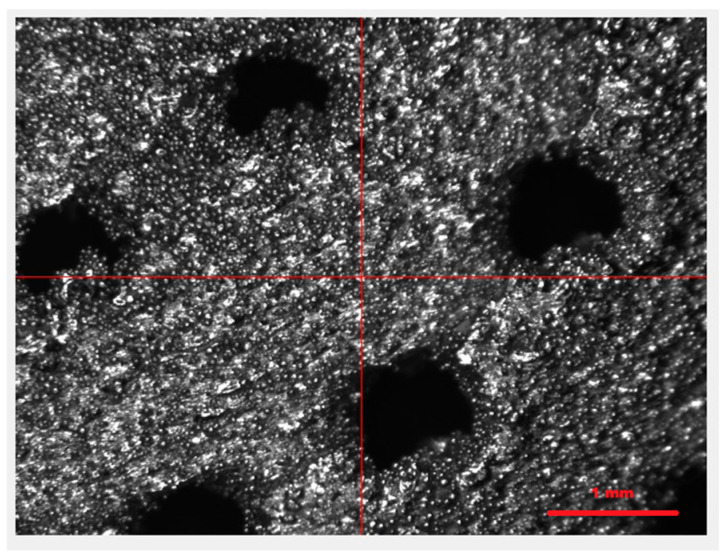 Figure 10
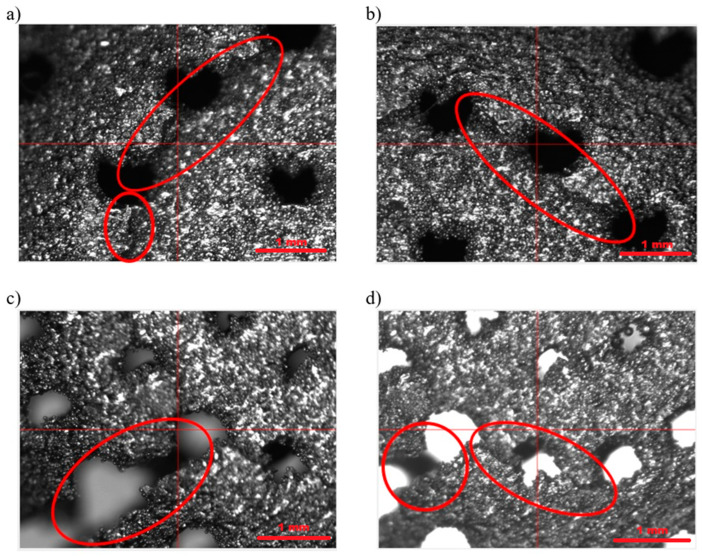 Figure 11
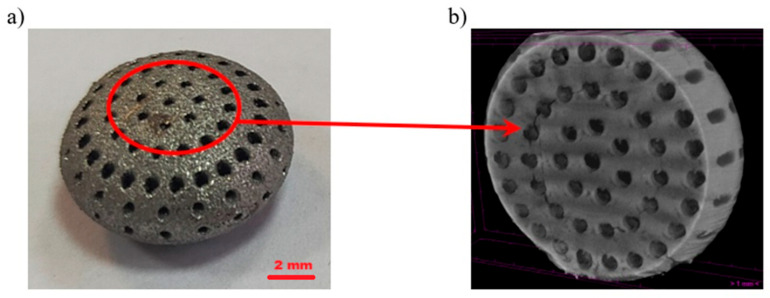 Figure 12
 Figure 13
 Figure 14
 Figure 15
 Figure 16
Peer Reviews
No public reviews on file for this paper yet. If you reviewed it on a platform where reviews are public (OpenReview, ICLR, NeurIPS, ICML), you can paste yours below so the community can read it here.
Videos
No videos yet. Explain this paper in a talk, walkthrough, or lecture? Add one.
Taxonomy
TopicsBone Tissue Engineering Materials · Additive Manufacturing and 3D Printing Technologies · Tissue Engineering and Regenerative Medicine