A Simplified Machine Learning Model for Predicting Reduced Kidney Function in Thai Patients with Type 2 Diabetes: A Retrospective Study
Wanjak Pongsittisak, Swangjit Suraamornkul

TL;DR
This study developed simple machine learning models to predict kidney function decline in Thai patients with type 2 diabetes using routine clinical data.
Contribution
The novelty lies in creating effective, interpretable ML models using minimal data for early CKD detection in resource-limited settings.
Findings
XGBoost achieved strong predictive performance with an AUROC of 0.824 for the with-HbA1c model.
Age, HbA1c, and systolic blood pressure were identified as the most influential predictors of reduced kidney function.
The non-HbA1c model performed comparably with an AUROC of 0.819, showing robustness without HbA1c data.
Abstract
Background: Chronic kidney disease (CKD) is a prevalent complication among individuals with type 2 diabetes (T2D), posing significant diagnostic challenges in resource-limited settings due to infrequent testing and missed hospital visits. This study aimed to develop a simple, effective ML model to identify T2D patients at high risk for reduced kidney function. Methods: We retrospectively analyzed data from 3471 T2D patients collected over a ten-year period at a university hospital in Bangkok, Thailand. Two models were developed using readily available clinical features: one including hemoglobin A1c (HbA1c) levels (the “with-HbA1c” model) and one excluding HbA1c levels (the “non–HbA1c” model). Three tree-based ML algorithms—decision tree, random forest, and extreme gradient boosting (XGBoost) algorithms—were employed. The outcome label was CKD, defined as an estimated Glomerular…
Genes, proteins, chemicals, diseases, species, mutations and cell lines named across the full text — each resolved to its canonical identifier and authoritative record.
Click any figure to enlarge with its caption.
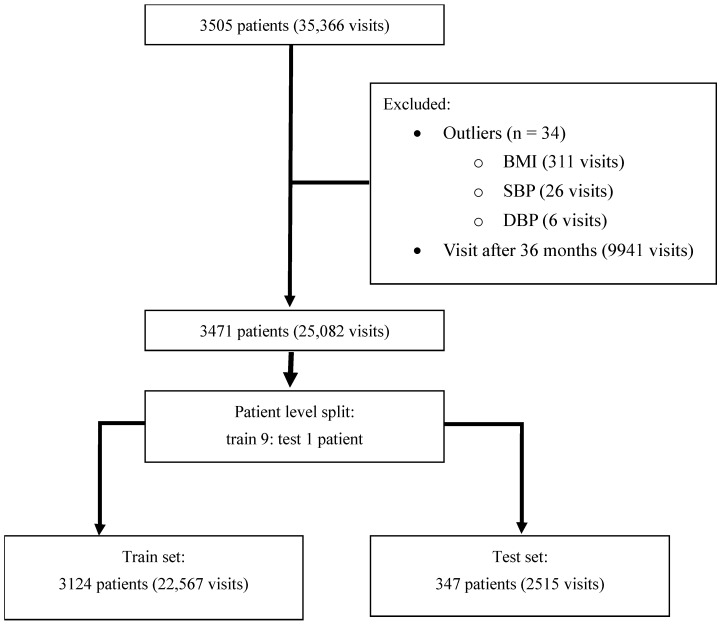 Figure 1
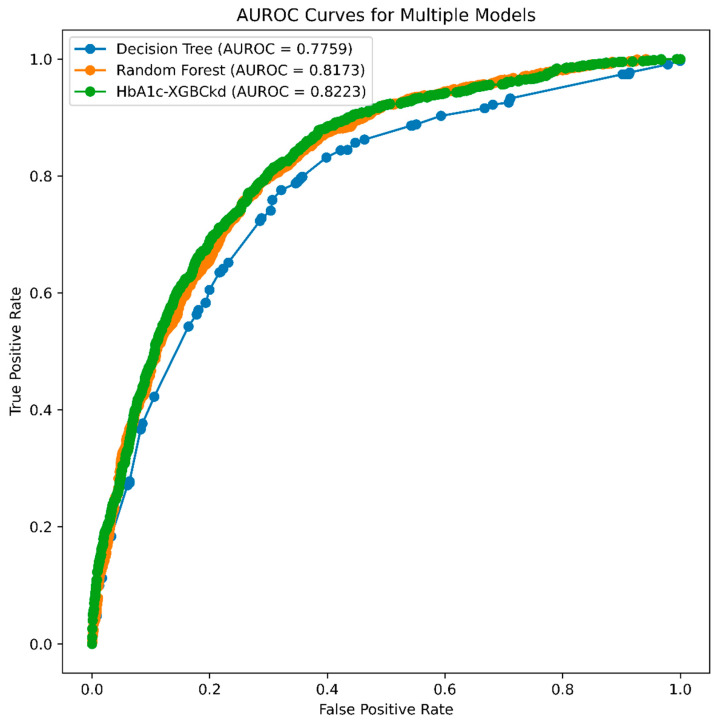 Figure 2
 Figure 3
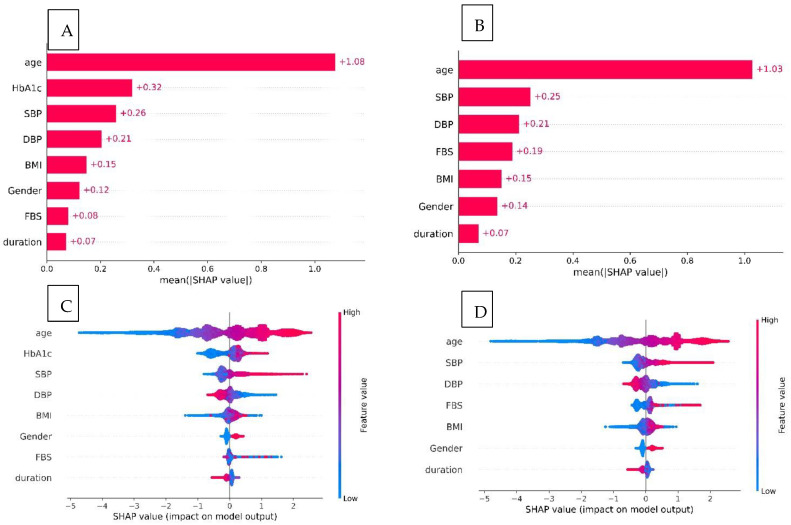 Figure 4
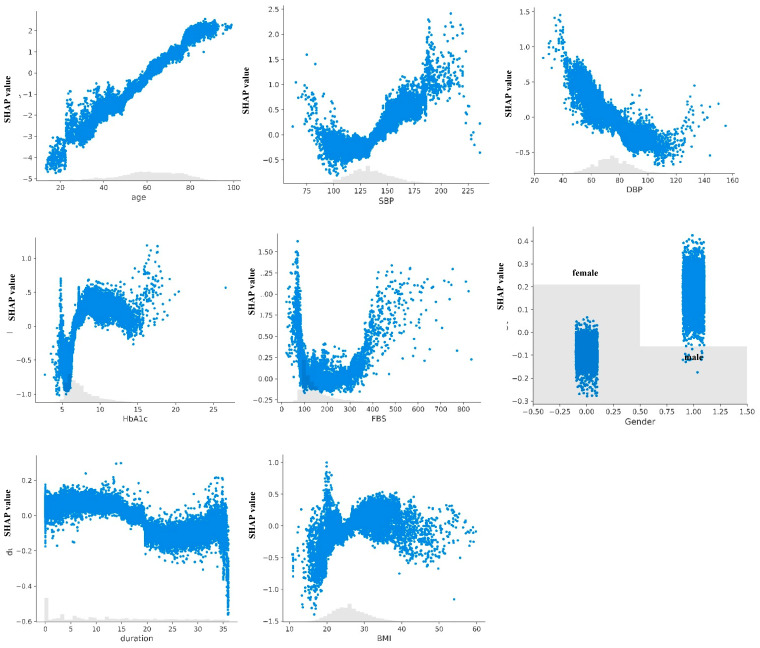 Figure 5
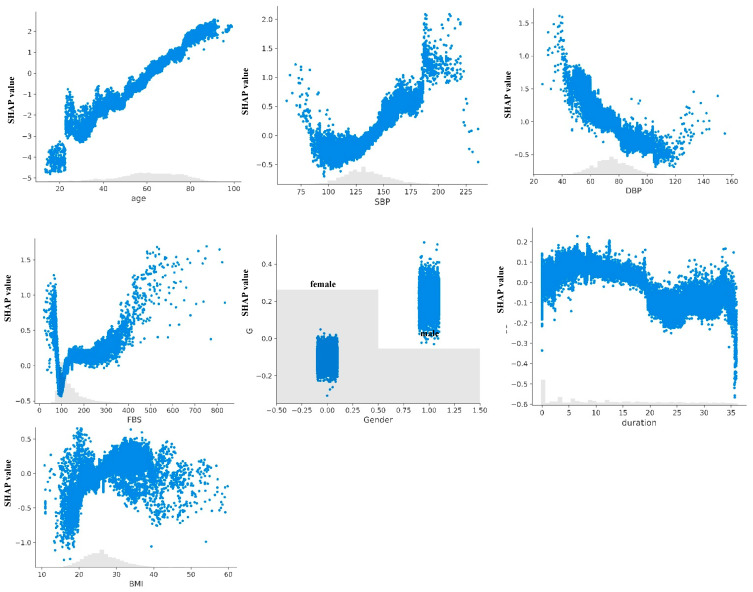 Figure 6
Peer Reviews
No public reviews on file for this paper yet. If you reviewed it on a platform where reviews are public (OpenReview, ICLR, NeurIPS, ICML), you can paste yours below so the community can read it here.
Videos
No videos yet. Explain this paper in a talk, walkthrough, or lecture? Add one.
Taxonomy
TopicsArtificial Intelligence in Healthcare