Thermal Behavior and Smoke Suppression of Polyamide 6,6 Fabric Treated with ALD-ZnO and DOPO-Based Silane
Wael Ali, Raphael Otto, Ana Raquel Lema Jimenez, Sebastian Lehmann, Eui-Young Shin, Ying Feng, Milijana Jovic, Sabyasachi Gaan, Jochen S. Gutmann, Kornelius Nielsch, Amin Bahrami, Thomas Mayer-Gall

TL;DR
This study improves the fire safety of polyamide 6,6 fabric by using a dual-layer coating that reduces heat release and smoke during burning.
Contribution
A dual-layer flame-retardant system combining ALD-ZnO and DOPO-ETES is proposed for polyamide 6,6 textiles.
Findings
ZnO coatings catalyzed char formation and reduced heat release in PA6,6.
Combining ZnO with DOPO-ETES further suppressed heat release rates.
ZnO coatings reduced smoke-related volatiles and incomplete combustion products.
Abstract
Polyamide 6,6 (PA6,6) fabrics are widely used in textiles due to their high mechanical strength and chemical stability. However, their inherent flammability and melting behavior under fire pose significant safety challenges. In this study, a dual-layer flame-retardant system was developed by integrating atomic layer deposition (ALD) of ZnO with a phosphorus–silane-based flame retardant (DOPO-ETES). ALD allowed precise control of ZnO layer thickness (50, 84, and 199 nm), ensuring uniform coating. Thermal analysis (TGA) and microscale combustion calorimetry (MCC) revealed that ZnO altered the degradation pathway of PA6,6 through catalytic effects, promoting char formation and reducing heat release. The combination of ZnO and DOPO-ETES resulted in further reductions in heat release rates. However, direct flame tests showed that self-extinguishing behavior was not achieved, emphasizing the…
Genes, proteins, chemicals, diseases, species, mutations and cell lines named across the full text — each resolved to its canonical identifier and authoritative record.
Click any figure to enlarge with its caption.
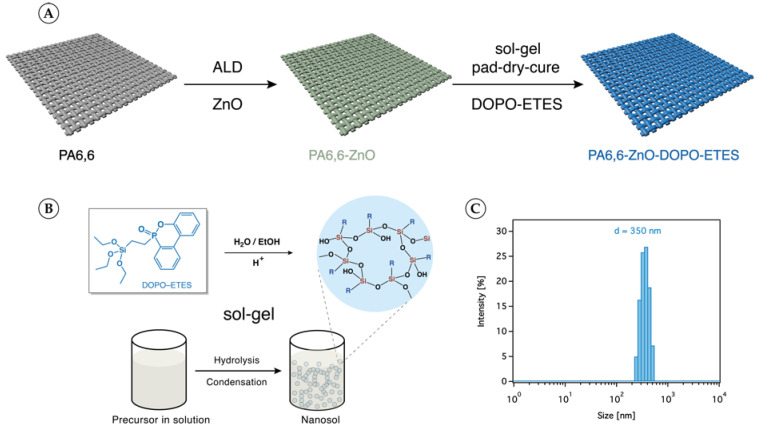 Figure 1
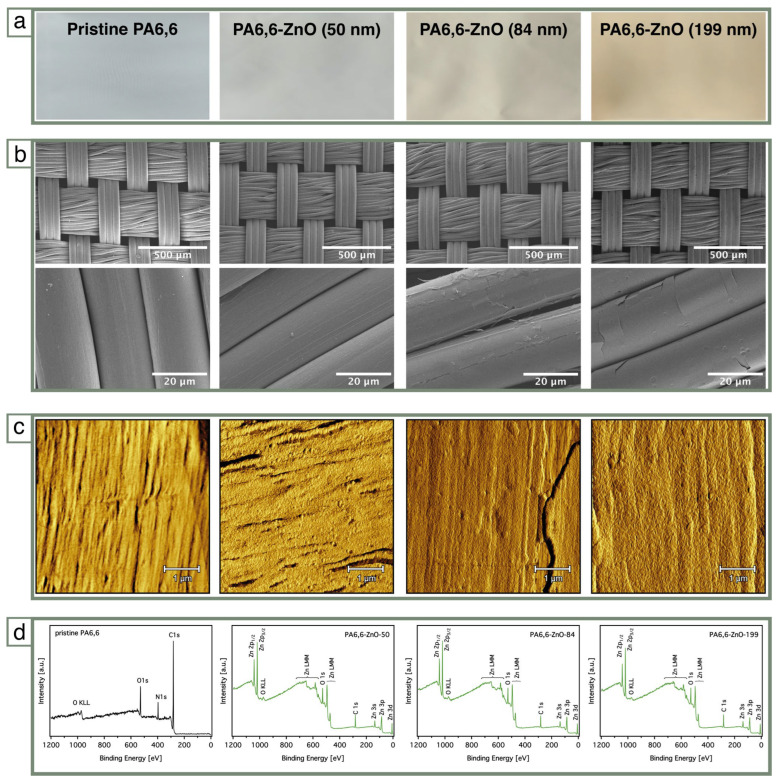 Figure 2
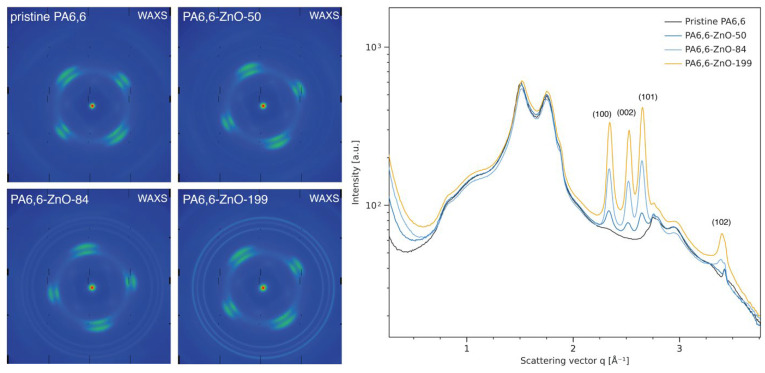 Figure 3
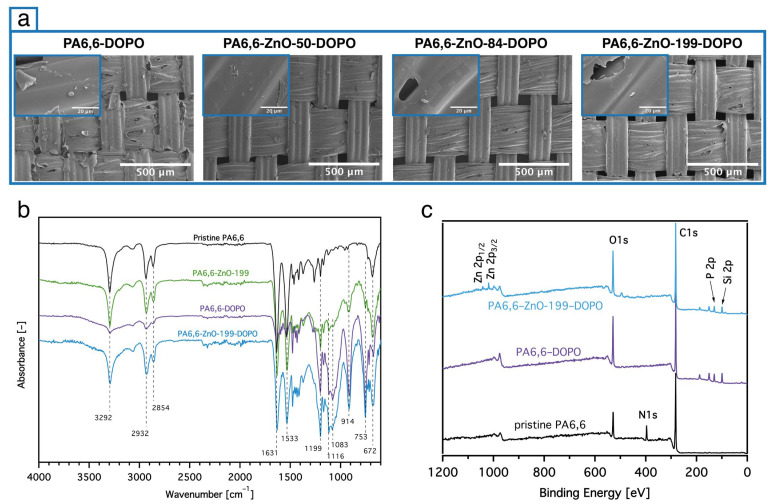 Figure 4
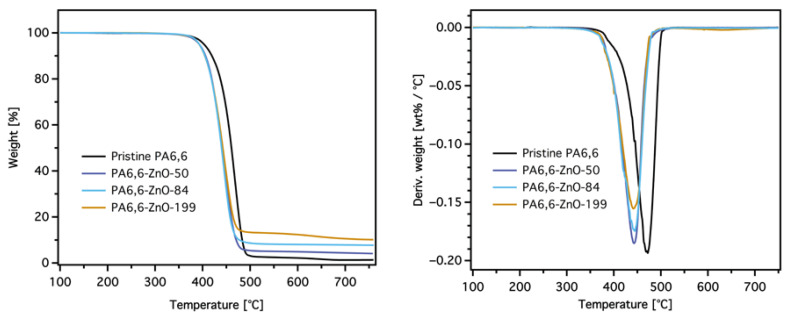 Figure 5
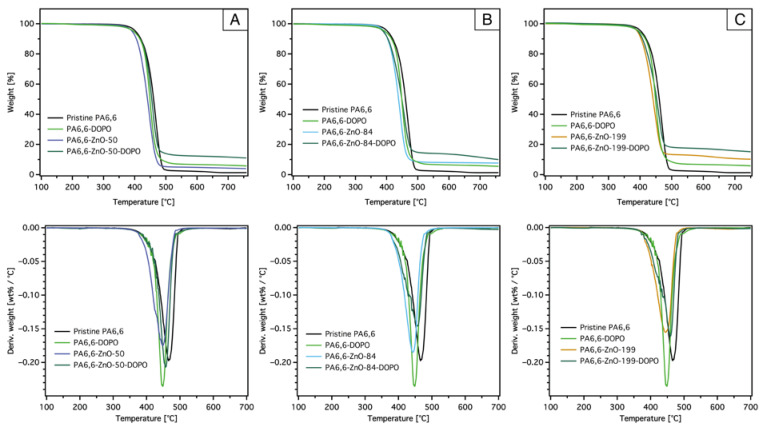 Figure 6
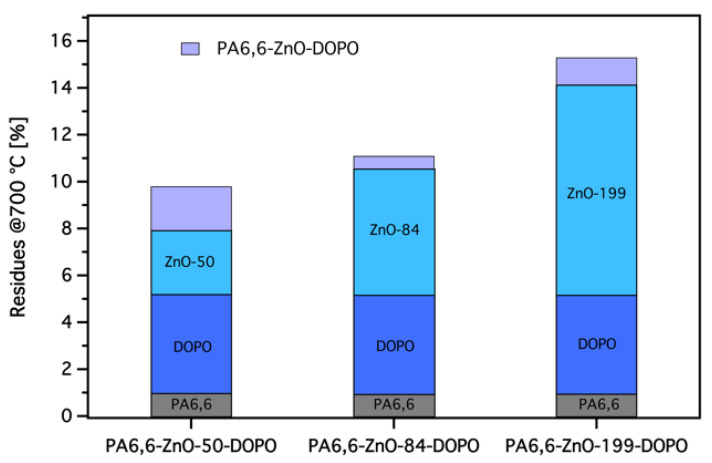 Figure 7
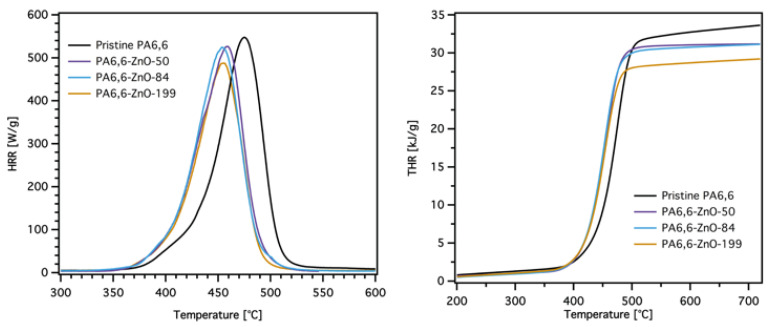 Figure 8
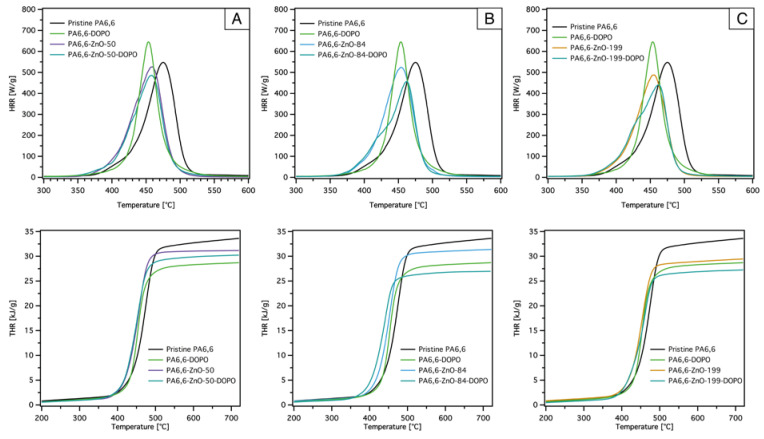 Figure 9
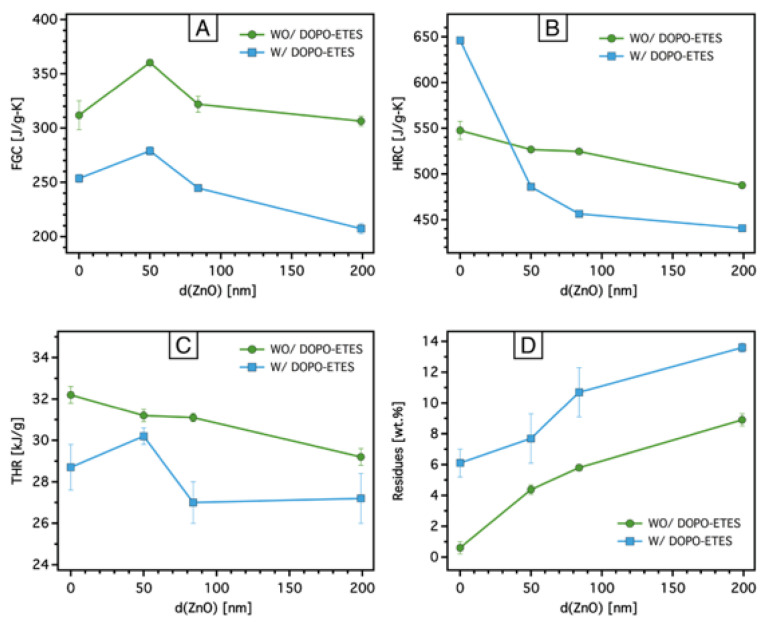 Figure 10
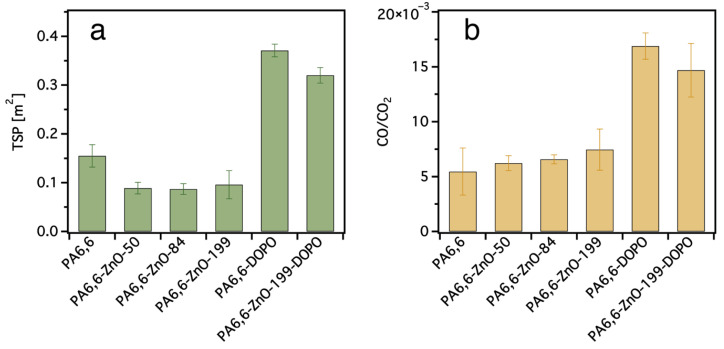 Figure 11
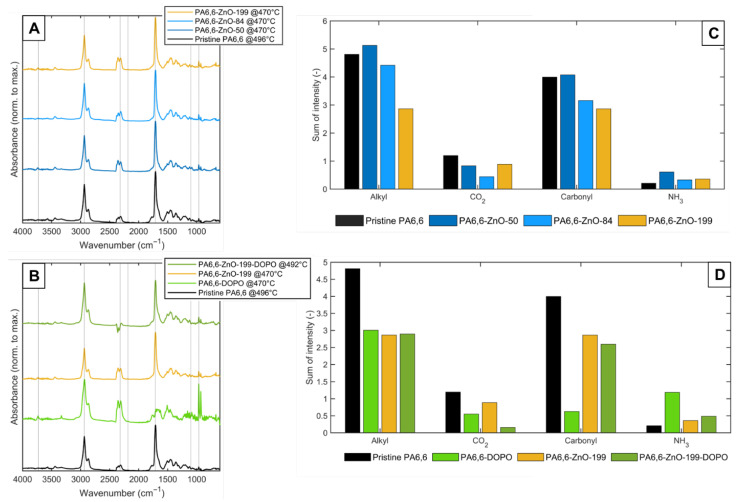 Figure 12
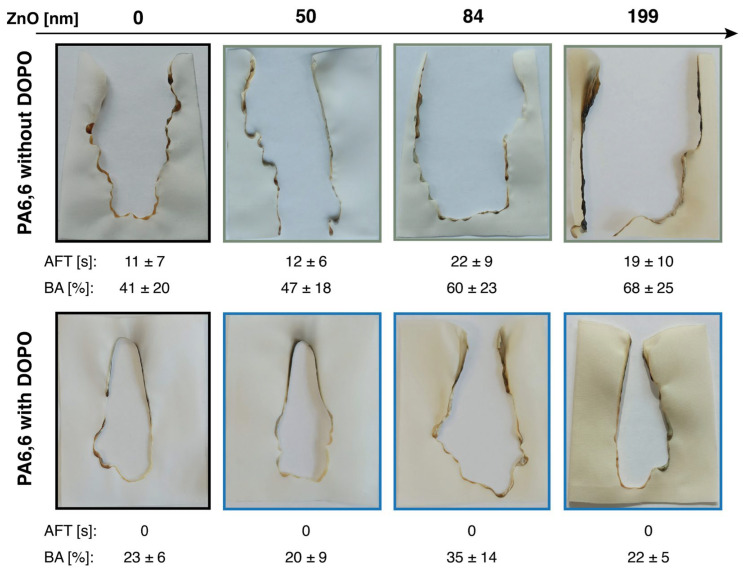 Figure 13
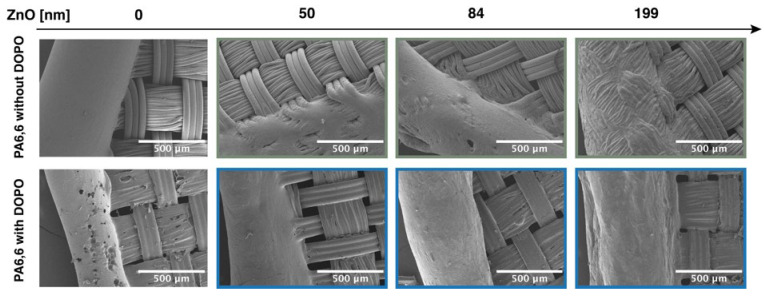 Figure 14
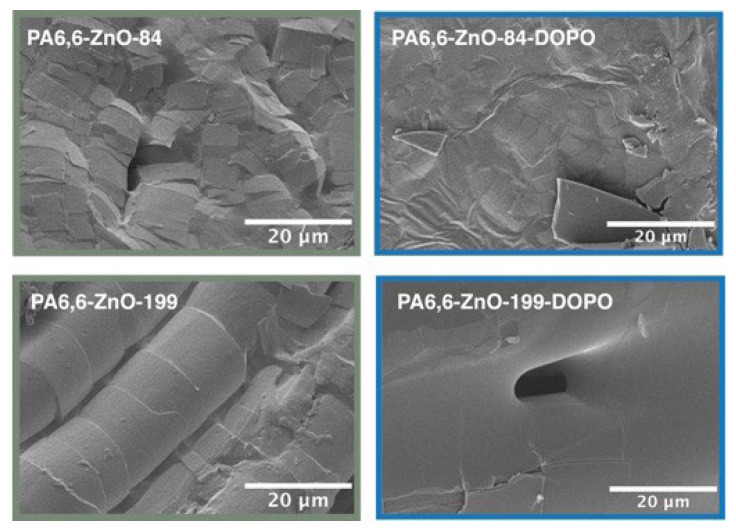 Figure 15
Peer Reviews
No public reviews on file for this paper yet. If you reviewed it on a platform where reviews are public (OpenReview, ICLR, NeurIPS, ICML), you can paste yours below so the community can read it here.
Videos
No videos yet. Explain this paper in a talk, walkthrough, or lecture? Add one.
Taxonomy
TopicsFlame retardant materials and properties · Polymer composites and self-healing · Dyeing and Modifying Textile Fibers