Identification and Characterization of Novel Inhibitors of Human Poly(ADP-Ribose) Polymerase-1
Ibrahim Morgan, Robert Rennert, Robert Berger, Ahmed Hassanin, Mehdi D. Davari, Daniela Eisenschmidt-Bönn, Ludger A. Wessjohann

TL;DR
This study identifies two new compounds that inhibit the PARP-1 enzyme, which is important for DNA repair and a potential target for cancer treatment.
Contribution
The study introduces two novel chemical scaffolds with higher PARP-1 inhibitory activity than existing compounds.
Findings
Compound 57 showed the highest inhibitory activity in the compound library.
Compound 57 demonstrated five-fold higher PARP inhibitory activity than olaparib's core structure.
Compound 57 exhibited potential synergistic effects with temozolomide in DNA-damaging pathways.
Abstract
Poly(ADP-ribose) polymerases (PARP) are a family of enzymes that were proven to play an essential role in the initiation and activation of DNA repair processes in the case of DNA single-strand breaks. The inhibition of PARP enzymes might be a promising option for the treatment of several challenging types of cancers, including triple-negative breast cancer (TNBC) and non-small cell lung carcinoma (NSCLC). This study utilizes several techniques to screen the compound collection of the Leibniz Institute of Plant Biochemistry (IPB) to identify novel hPARP-1 inhibitors. First, an in silico pharmacophore-based docking study was conducted to virtually screen compounds with potential inhibitory effects. To evaluate these compounds in vitro, a cell-free enzyme assay was developed, optimized, and employed to identify hPARP-1 inhibitors, resulting in the discovery of two novel scaffolds…
Genes, proteins, chemicals, diseases, species, mutations and cell lines named across the full text — each resolved to its canonical identifier and authoritative record.
Click any figure to enlarge with its caption.
 Figure 1
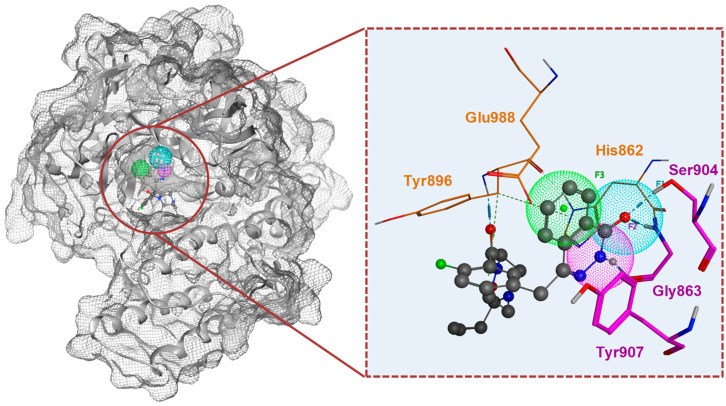 Figure 2
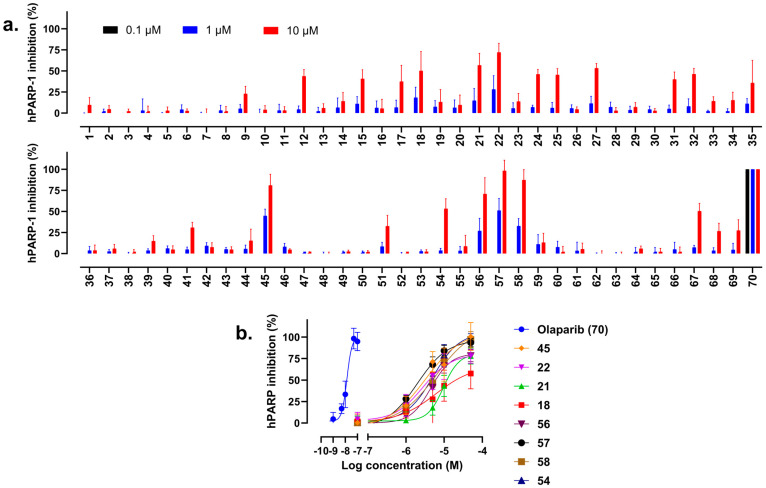 Figure 3
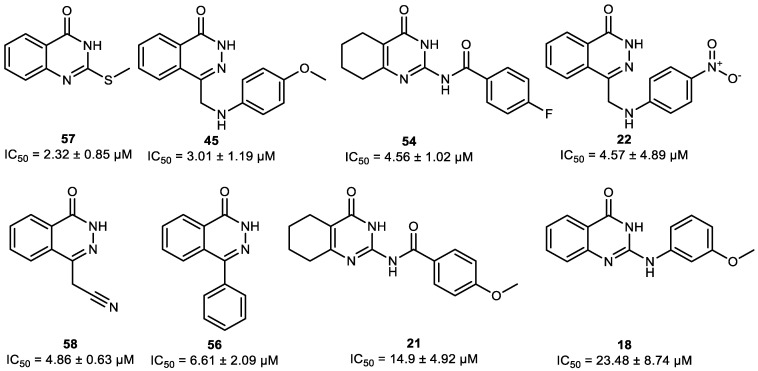 Figure 4
 Figure 5
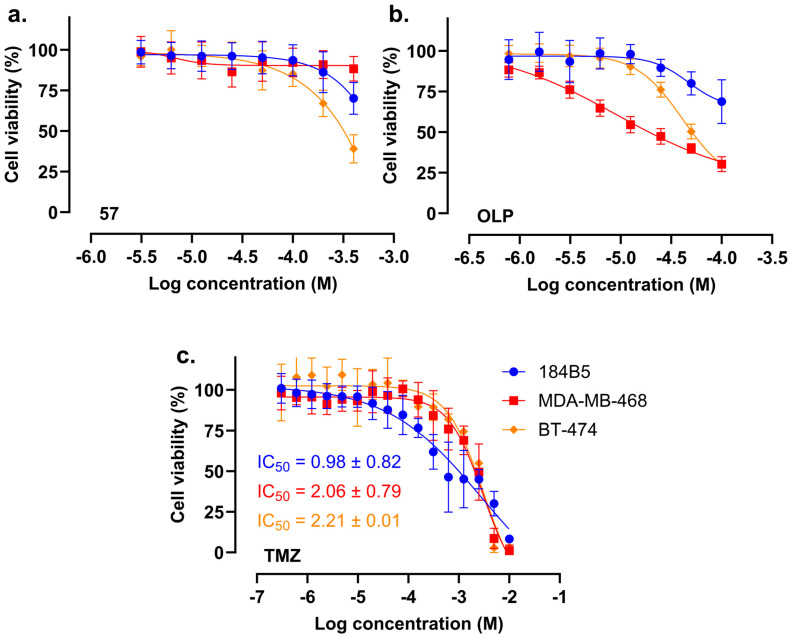 Figure 6
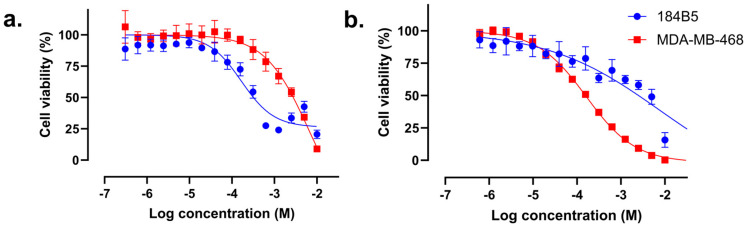 Figure 7
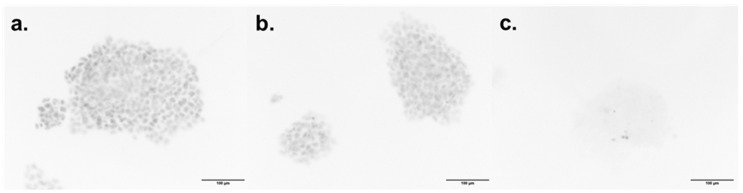 Figure 8
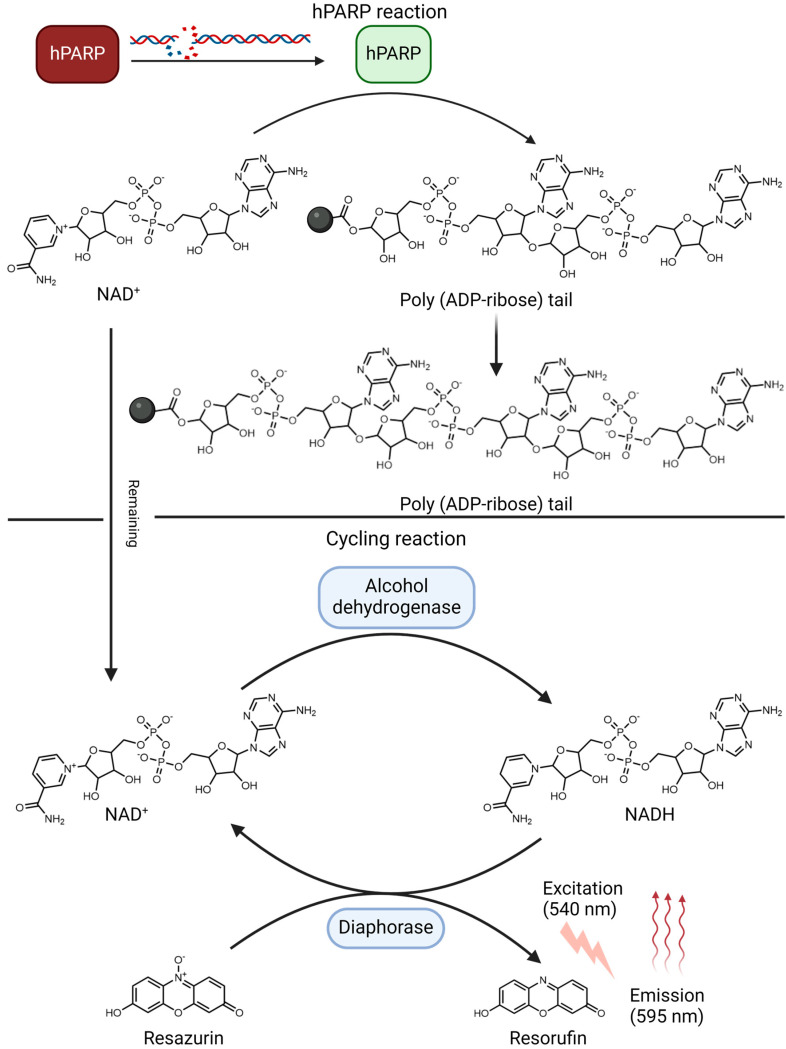 Figure 9
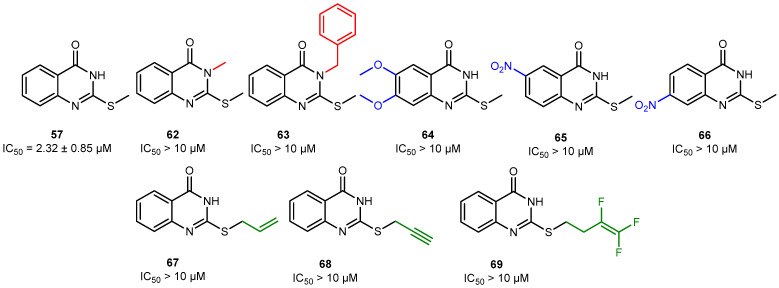 Figure 10
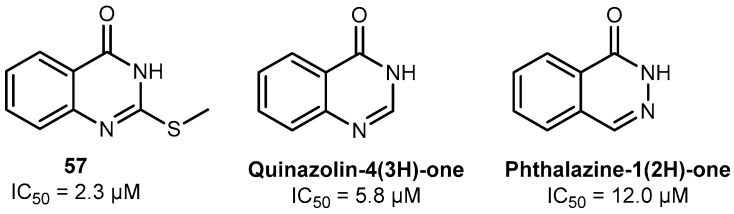 Figure 11
 Figure 12
Peer Reviews
No public reviews on file for this paper yet. If you reviewed it on a platform where reviews are public (OpenReview, ICLR, NeurIPS, ICML), you can paste yours below so the community can read it here.
Videos
No videos yet. Explain this paper in a talk, walkthrough, or lecture? Add one.
Taxonomy
TopicsPARP inhibition in cancer therapy · DNA Repair Mechanisms · Integrated Circuits and Semiconductor Failure Analysis