Zn-URJC-12 Material Constituted of Two Different Organic Ligands for CO2 Valorization into Cyclic Carbonates
Jesús Tapiador, Pedro Leo, Pablo Salcedo-Abraira, Antonio Rodríguez-Diéguez, Gisela Orcajo

TL;DR
A new zinc-based material called Zn-URJC-12 efficiently converts CO2 and epoxides into cyclic carbonates with high yields and stability.
Contribution
Zn-URJC-12 is a novel metal-organic framework first applied for CO2 valorization into cyclic carbonates.
Findings
Zn-URJC-12 achieves 100% yield for propylene oxide and 76% for allyl glycidyl ether in CO2 cycloaddition.
The material remains stable in polar solvents and retains catalytic performance over five cycles.
Single-crystal X-ray diffraction confirms the framework's structure with coordinated –NH2 groups.
Abstract
A novel metal–organic framework based on zinc ions, designated as Zn-URJC-12, has been synthesized and applied for the first time in the cycloaddition reaction between carbon dioxide and epoxides. This MOF is constructed from two different organic linkers: 5-aminoisophthalic acid and 4,4′-biphenyldicarboxylic acid. The framework features –NH2 functional groups coordinated to Zn(II) centers, as confirmed by single-crystal X-ray diffraction analysis. Zn-URJC-12 demonstrates exceptional chemical stability in polar organic solvents, such as methanol, while maintaining thermal stability up to 250 °C. The material exhibits high catalytic efficiency in the cycloaddition of CO2 with epoxides, achieving yields of 100% and 76% for propylene oxide and allyl glycidyl ether, respectively. Additionally, Zn-URJC-12 maintains its structural integrity and catalytic performance during five successive…
Genes, proteins, chemicals, diseases, species, mutations and cell lines named across the full text — each resolved to its canonical identifier and authoritative record.
Click any figure to enlarge with its caption.
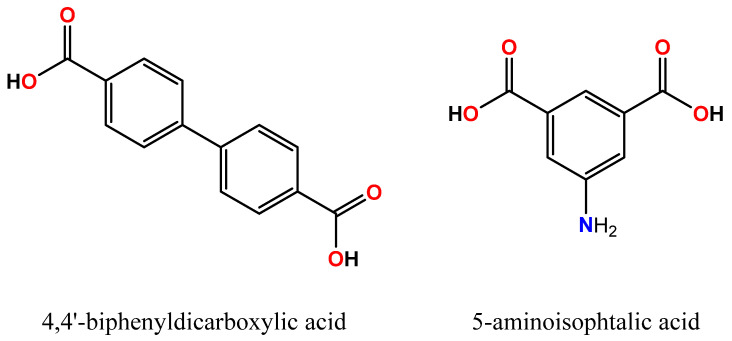 Figure 1
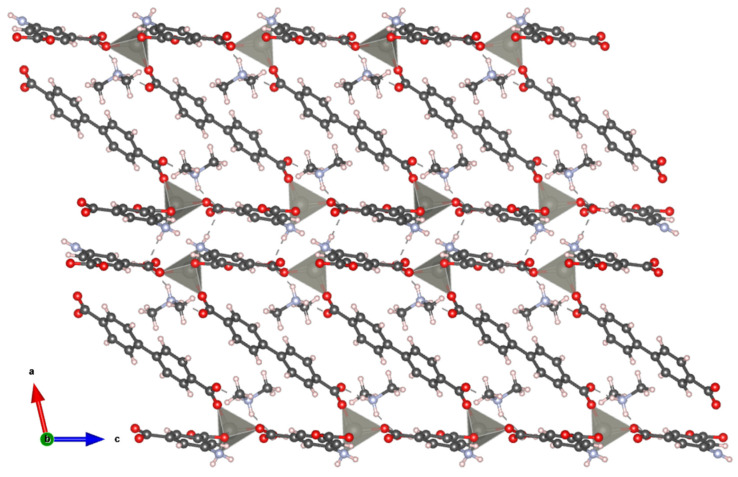 Figure 2
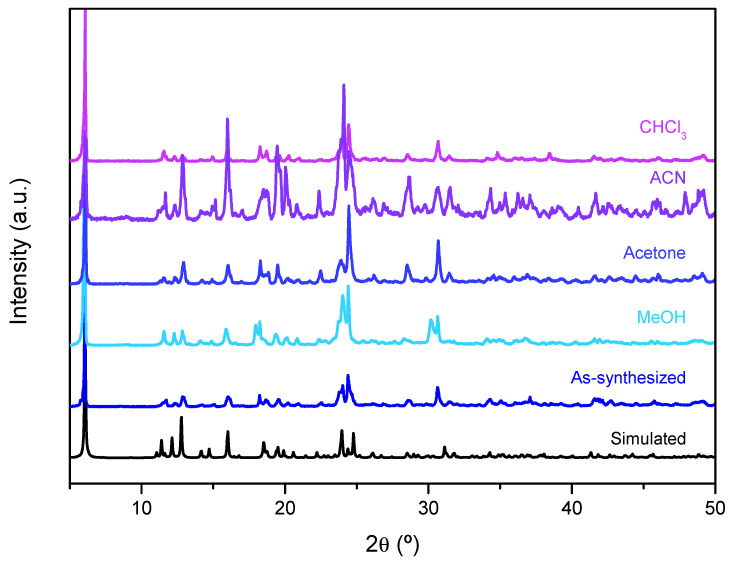 Figure 3
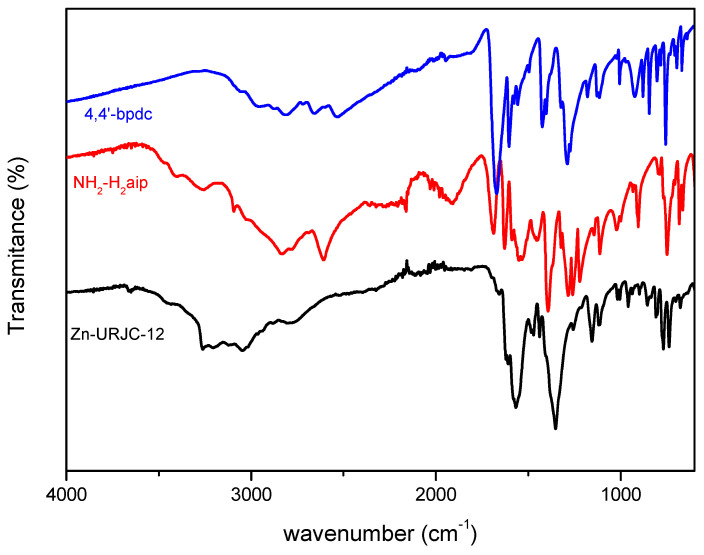 Figure 4
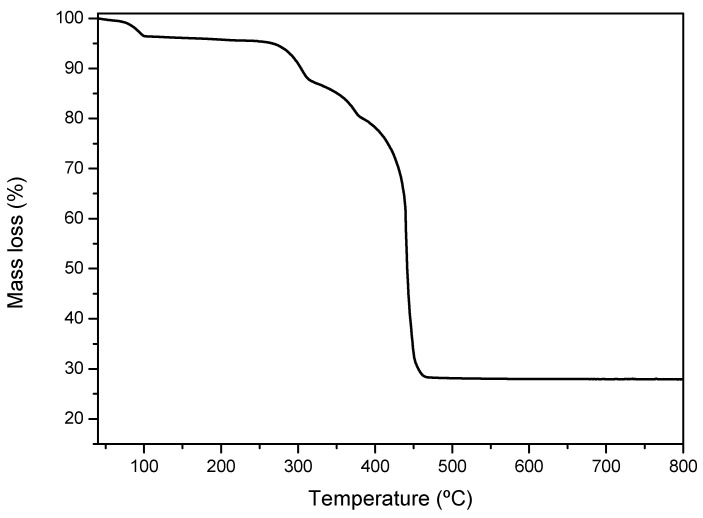 Figure 5
 Figure 6
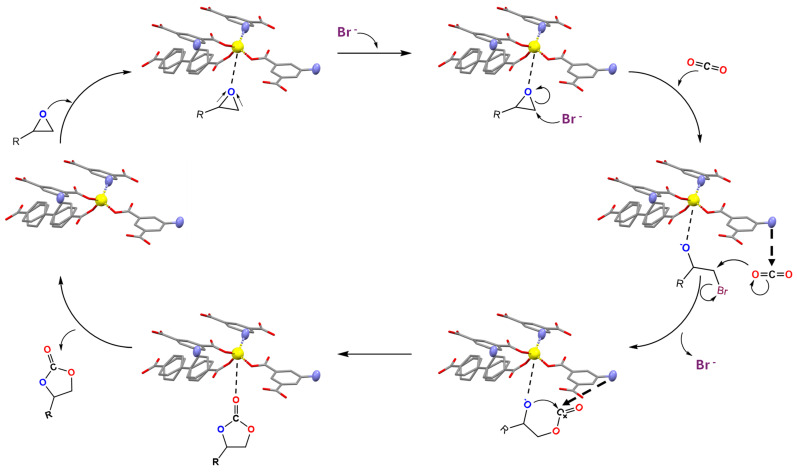 Figure 7
 Figure 8
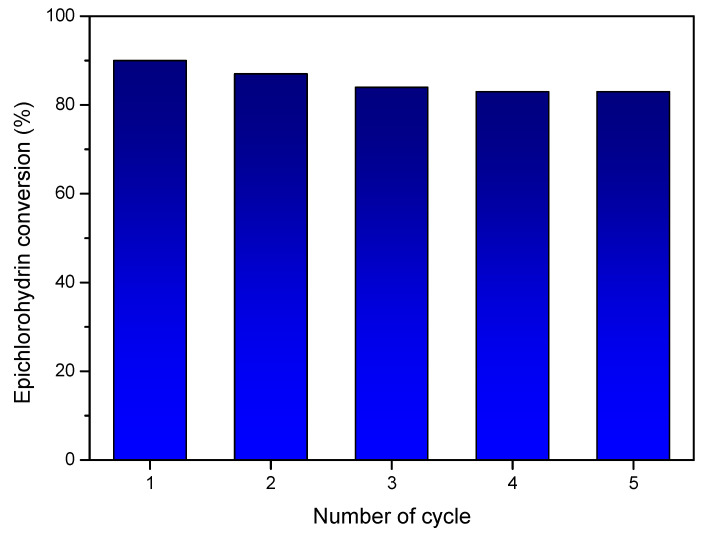 Figure 9
 Figure 10
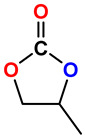 Figure 11
 Figure 12
 Figure 13
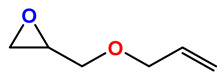 Figure 14
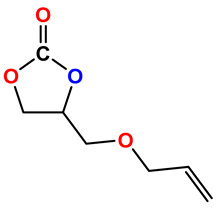 Figure 15
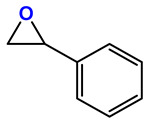 Figure 16
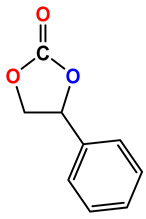 Figure 17
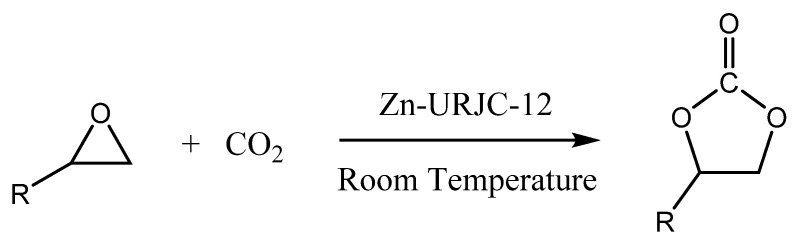 Figure 18
Peer Reviews
No public reviews on file for this paper yet. If you reviewed it on a platform where reviews are public (OpenReview, ICLR, NeurIPS, ICML), you can paste yours below so the community can read it here.
Videos
No videos yet. Explain this paper in a talk, walkthrough, or lecture? Add one.
Taxonomy
TopicsCarbon dioxide utilization in catalysis · Metal-Organic Frameworks: Synthesis and Applications · Chemical Synthesis and Reactions